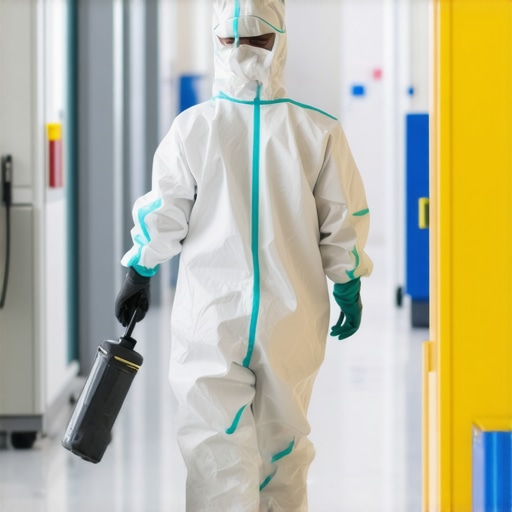
I remember the first time I tried tackling my home’s deep cleaning without really preparing. I dove in headfirst, thinking I knew enough about disinfectants and scrubbing techniques. But after hours of effort, I looked around and realized I hadn’t made a dent. Surfaces still looked dull, and I had no confidence I was truly eliminating germs. That lightbulb moment hit me hard — deep cleaning isn’t just about elbow grease; it’s about the right techniques and trusted methods to get real results.
Why Deep Cleaning and Sanitizing Matter More Than Ever
In 2024, the importance of effective cleaning routines isn’t just about aesthetics. It’s about health, safety, and peace of mind. With the rise of new germs and bacteria, and the ongoing threat of viruses, relying on outdated or ineffective cleaning methods can leave your space vulnerable. Recent studies show that proper sanitization can significantly reduce the risk of illness — some estimates suggest up to 80% of illnesses are spread through contaminated surfaces (CDC).
Have you ever felt unsure whether your cleaning efforts are actually working?
Early on, I made the mistake of thinking that more bleach meant better results. Turns out, overusing harsh chemicals can be counterproductive, damaging surfaces and leaving residues that attract dirt. Trust me, I learned this the hard way. Now, I follow proven, effective strategies that you can find in guides like this comprehensive cleaning guide to ensure my efforts are both safe and successful.
In this post, I’ll share the step-by-step techniques I’ve tested and refined over the years — methods that guarantee trusted, lasting results. Whether you’re cleaning your home or office, these insights will help you eliminate germs efficiently and confidently. Ready to transform your cleaning routine? Let’s dive into the practical tips that will make 2024 your most sanitized year yet.
Start with the Right Tools and Supplies
Before you begin, gather your cleaning arsenal. Use high-quality disinfectants proven effective against germs, such as EPA-registered solutions. Keep microfiber cloths, scrub brushes, and disposable gloves handy. I once tried cleaning my kitchen after a party with old rags; the results were disappointing, and I realized that investing in the right tools makes all the difference.
Pre-Clean to Remove Dirt and Debris
Think of deep cleaning like peeling an onion—start from the outside and work inward. First, sweep or vacuum floors, and dust all surfaces. Use a duster or microfiber cloth to trap dust instead of just spreading it around. I remember a weekend when I skipped this step—my disinfectant just sat on top of dirt, reducing effectiveness. Proper pre-cleaning ensures that disinfectants can do their job.
Focus on High-Touch Areas
Identify spots that get touched most often—doorknobs, light switches, keyboards. These are your germ hotspots. I once cleaned my office desk thoroughly but ignored the keyboard, which was covered in grime. Now, I use alcohol wipes on these surfaces regularly for better results.
Apply Disinfectants Correctly for Maximum Effectiveness
Follow the manufacturer’s instructions precisely—dosage and contact time matter. Think of disinfectants like a marinade; they need time to penetrate and kill germs. During my last deep clean, I left disinfectant on the bathroom handles for the recommended five minutes, and the difference was clear. Rushing this step can leave germs behind, defeating your efforts.
Use Proper Technique for Surfaces
For flat surfaces, spray disinfectant and let it sit. For textured or porous surfaces, use a brush or scrub pad to ensure thorough coverage. I learned this when cleaning my tile grout—scrubbing with a brush removed years of dirt, revealing a pristine surface.
Sanitize the Air and Hidden Spaces
Germs aren’t just on surfaces; they linger in the air and hidden corners. Use air purifiers or HEPA filters in high-traffic areas. Vacuum behind appliances and inside vents. I once forgot to clean behind my refrigerator, and dust buildup was a sign of neglected spaces. Regularly sanitizing these areas prevents cross-contamination and promotes a healthier environment.
Implement a Routine Schedule
Deep cleaning isn’t a one-time event; consistency is key. Create a schedule—weekly for high-touch areas and monthly for less-used spaces. I set reminders to clean my workspace every Sunday, which keeps germs at bay and maintains trust in my cleaning efforts. Check out this routine guide for detailed scheduling tips.
Verify Your Results
Finally, ensure your efforts are effective. Use test kits or surface swabs if you want to be certain. When I started using surface testing kits, I gained confidence that my cleaning was truly effective, especially after handling sick family members. Trustworthy results come from diligent application of techniques and verification.
Many of us approach deep cleaning with good intentions but fall into common traps that undermine our efforts. One widespread misconception is that using more disinfectant automatically leads to better results. In reality, overusing harsh chemicals can damage surfaces, leave residues, and even create health risks. The key is to follow manufacturer instructions and focus on proper application techniques, such as adequate contact time and coverage, rather than sheer quantity. For detailed guidance, check out this comprehensive cleaning guide.
Another myth centers around the idea that deep cleaning is a one-and-done task. Many believe that a single thorough session will keep germs at bay indefinitely. However, pathogens can quickly reaccumulate in high-touch areas, so maintaining a regular routine is essential. Implementing a schedule—like weekly disinfecting of doorknobs and switches—can drastically improve long-term hygiene. Learn more about effective scheduling in this routine guide.
Why do surface swabs matter for advanced cleaning?
For those seeking to elevate their sanitization game, surface testing kits provide invaluable feedback. They allow you to verify whether your cleaning methods truly eliminate germs, especially in sensitive environments like offices or homes with vulnerable family members. Studies suggest that relying solely on visual cleanliness can be misleading; bacteria and viruses often hide in unseen places. Using testing tools ensures your efforts are not wasted. To learn how to master this approach, visit this resource.
Furthermore, many overlook that air quality plays a significant role in overall hygiene. Germs can linger in the air and settle in hidden corners. Advanced cleaning involves not just surface disinfectants but also air purifiers, HEPA filters, and proper ventilation strategies. Incorporating these elements can dramatically reduce airborne pathogens and allergens, creating a healthier environment. Explore innovative techniques at this page.
So, next time you think deep cleaning is just about scrubbing, remember that effective sanitization involves nuance, precision, and verification. Don’t fall into the trap of relying solely on traditional methods. Instead, embrace advanced strategies for safer, more reliable results. Have you ever fallen into this trap? Let me know in the comments.
Maintaining a spotless and germ-free environment requires more than just initial effort; it hinges on the right tools and consistent techniques that stand the test of time. Over the years, I’ve refined my cleaning arsenal to include equipment that delivers reliable results while being efficient and safe. Let’s explore the tools I recommend and how they help me keep every space pristine day after day.
Invest in a Commercial-Grade Steam Cleaner
One game-changer in my cleaning routine is a high-quality steam cleaner. Unlike traditional mops and chemical sprays, steam cleaners use pressurized hot vapor to sanitize surfaces without harsh chemicals. I personally rely on the Dupray One Plus, which heats water to over 200°F and effectively eliminates bacteria, mold, and dust mites. Its versatility allows me to clean everything from bathroom tiles to kitchen counters and even upholstery, ensuring a deep, chemical-free clean that’s safe for my family and pets.
Choose Microfiber Cloths for Superior Dirt Removal
Microfiber cloths are essential. Their fine fibers trap dust, dirt, and microbes more effectively than cotton or paper towels. I keep a set of premium microfiber cloths—preferably lint-free and washable—because they maintain their cleaning power through multiple uses. They also reduce the need for chemical cleaners, making my routine greener and more cost-effective. Regularly washing these cloths at high temperatures ensures they stay bacteria-free and ready for long-term use.
Utilize EPA-Registered Disinfectants for Trustworthy Results
Choosing the right disinfectant matters. I stick to EPA-registered solutions proven to kill the most common pathogens. For example, CDC guidelines recommend solutions containing quaternary ammonium compounds or sodium hypochlorite for effective sanitization. I always follow the manufacturer’s instructions, especially regarding contact time, to ensure germs are completely eradicated. A sprayer with adjustable nozzle helps me apply disinfectants evenly on large surfaces.
Advanced Air Purification Devices
Germs aren’t limited to surfaces—they linger in the air. To address this, I’ve invested in a HEPA air purifier, like the Blueair Classic 605. It filters out airborne bacteria, viruses, and allergens, maintaining a healthier indoor environment. Regularly replacing the filters ensures optimal performance, and pairing it with good ventilation practices minimizes the risk of airborne contamination.
Smart Scheduling and Verification Tools
Long-term results depend on consistency. I use scheduling apps like Google Calendar to set reminders for weekly high-touch surface disinfection and monthly deep cleans. Additionally, surface testing kits—such as ATP meters—allow me to verify the effectiveness of my cleaning routines. These devices measure residual organic matter, giving me peace of mind that my efforts are truly paying off.
Looking ahead, I predict that automation will play an increasingly vital role in maintaining cleanliness. Robotic vacuums and autonomous disinfecting devices are becoming smarter and more affordable, making it easier to sustain a trusted environment without constant manual effort. I encourage you to try integrating one of these advanced tools into your routine to experience the benefits firsthand.
How do I maintain my cleaning tools over time?
Proper maintenance of your cleaning equipment is crucial for long-lasting effectiveness. Regularly wash microfiber cloths in hot water, inspect steam cleaner hoses and filters for clogs, and replace disinfectant bottles as needed. Keeping your tools clean prevents cross-contamination and ensures they perform at their best. For detailed advice, check out this comprehensive guide.
By choosing the right tools and maintaining them diligently, you set yourself up for consistent, trustworthy cleaning results. Don’t overlook the power of quality equipment—investing now saves you time, effort, and worry in the future. Ready to upgrade your cleaning game? Start with a microfiber cloth or a reliable disinfectant today and enjoy the peace of mind that comes with a truly sanitized space.
The Hardest Lesson I Learned About Deep Cleaning
One of the biggest lessons I’ve learned is that superficial cleaning doesn’t cut it. Early on, I believed that wiping surfaces quickly was enough, but I soon realized that germs hide in unseen corners and porous materials. Deep cleaning taught me to focus on thoroughness—using the right tools and techniques—otherwise, I was just wasting my time and risking health.
3 Myths About Sanitizing That Held Me Back
First, I thought more disinfectant meant better results. Turns out, overuse can damage surfaces and create residues. Second, I believed that cleaning once was enough to stay safe. Reality is, pathogens reaccumulate fast, especially in high-touch areas. Lastly, I assumed that visual cleanliness equals sanitization. But bacteria and viruses can hide behind dirt, making verification essential.
What Experts Won’t Tell You About Effective Deep Cleaning
Many experts emphasize that proper application and contact time of disinfectants are crucial. Using a steam cleaner or EPA-registered disinfectant, for instance, ensures maximum germ-killing without harsh chemicals. Also, verifying your cleaning efforts with surface test kits can reveal unseen contamination—something I highly recommend for peace of mind.
My Essential Toolkit for Trusted Hygiene
Investing in quality tools like a commercial-grade steam cleaner, microfiber cloths, and EPA-registered disinfectants has transformed my cleaning routine. I trust these because they deliver consistent results and are safer for my family. Pairing these with air purifiers helps eliminate airborne germs, completing a comprehensive approach to sanitation.
Take Action and Make Cleaning a Priority
Deep cleaning isn’t just about appearance; it’s a vital part of health and safety. Start small—use the right tools, follow instructions, and verify your results—and watch your environment transform. Trust me, the effort is worth it. Are you ready to take your cleaning to the next level and truly trust your spaces are germ-free? Share your experiences below and let’s discuss!
http://Lena%20Carter
Reading this post really resonated with me because I’ve learned that superficial cleaning often leaves behind unseen germs, especially in porous areas like grout or behind appliances. I used to think that wiping down surfaces quickly was enough, but after using surface swab tests, I realized I was missing spots. It’s fascinating how proper contact time and the right tools make such a difference. I’ve invested in a good steam cleaner and EPA-registered disinfectants, and the difference in cleanliness and peace of mind is remarkable. It also made me wonder—how do others ensure they’re not just cleaning to look clean but actually eliminating germs? Do you all use testing kits or rely on routine schedules? I’d love to hear tips for verifying sanitation beyond visual cues—my goal is to create a safer environment for my family, especially with young kids around.
http://Benjamin%20Carter
This post really hits home for me because I’ve experienced the same initial frustration when diving into deep cleaning without a proper plan. I used to think that more aggressive scrubbing and lots of chemicals would do the trick, but I eventually learned that technique and tools matter just as much as effort. The emphasis on verifying results with surface swabs is something I started doing recently, and it’s eye-opening to see how much bacteria can hide even after what looks like a thorough cleaning. As someone who’s also invested in EPA-registered disinfectants and high-quality microfiber cloths, I can confirm they make a significant difference. I’m curious—how many of you also incorporate air sanitization like HEPA filters into your routine? Do you think improving air quality now should be a standard part of deep cleaning, especially with recent concerns about airborne germs? I believe combining surface and air sanitation is the future for a truly healthy environment.