Have you ever looked around your home or office after a thorough cleaning, only to feel that lingering unease? Maybe you notice a faint musty smell, or perhaps you’re just not confident that every surface truly sparkles with cleanliness. I’ve been there, scratching my head, wondering if I’d overlooked something essential. It turns out, that moment of doubt is more common than you think—and it’s a sign that our cleaning routines need a serious upgrade.
Elevate Your Deep Cleaning & Sanitizing Game
Today, I want to share how I cracked the code on effective and trustworthy cleaning strategies that actually deliver lasting results. No more guesswork, no more second-guessing if your space is genuinely germ-free. With the right approach, you can transform your cleaning routine into a reliable shield against germs, allergens, and dirt, especially in 2024—a year that demands higher standards of hygiene in all areas of life.
Is All Cleaning Created Equal — Or Is It Just Hype?
Early on, I bought into flashy cleaning gadgets and quick-fix solutions, thinking they would save me time and effort. Spoiler alert: I was mistaken. I once used a popular antibacterial spray without letting it sit long enough, assuming that wiping was sufficient. That mistake made me realize that trust in cleaning depends on understanding the science behind sanitizing—something many overlook. Leading experts emphasize that proper dwell time and proper technique are vital for eliminating 99.9% of germs, as supported by authoritative sources like the [CDC](https://www.cdc.gov/)
So, if you’ve ever wondered whether your efforts are truly effective or just for show, you’re not alone. Let’s delve into the real strategies that guarantee you’re getting maximum trustworthiness from every cleaning session.
Focus on Proper Equipment and Supplies
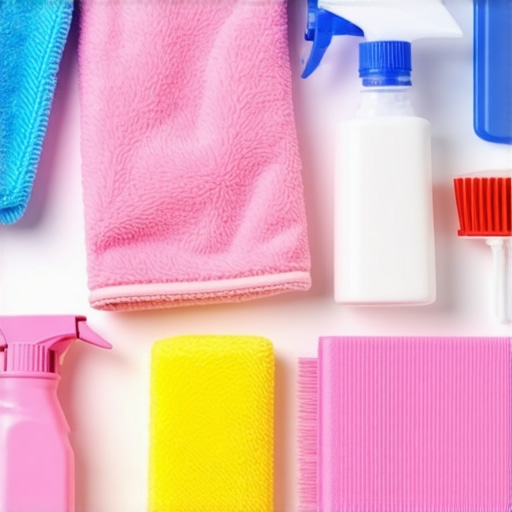
Start with the right tools—think of them as your cleaning arsenal. Heavy-duty microfiber cloths, high-quality scrub brushes, and a reliable vacuum with HEPA filters are essential. Use certified disinfectants proven effective against viruses and bacteria; for instance, sprays containing quaternary ammonium compounds or bleach solutions (diluted properly). When I tackled my kitchen last weekend, I replaced worn-out sponges with fresh scrubbers and cleared space for my microfiber cloths, which made the entire process more efficient and effective. Always check the label for dwell times and application instructions to maximize germ elimination.
Implement Targeted Cleaning Steps
Identify High-Traffic Zones
Focus your efforts on areas with frequent contact—door handles, light switches, and faucet fixtures. These spots are like battlegrounds where germs gather. In my experience, sanitizing these hotspots first prevents cross-contamination during cleaning, a tip I learned from the [Ultimate deep clean routine](https://purexhousecleaning.com/the-ultimate-deep-clean-routine-for-busy-households). Use a disinfectant spray, let it sit for the recommended dwell time, then wipe thoroughly to ensure maximum efficacy.
Deep Clean Surfaces Methodically
Employ a systematic approach—start from the highest point (like shelves) and work downward. Use a damp microfiber cloth to remove dust and debris, which can harbor microbes. For stubborn grime, use a suitable scrub brush or diluted cleaning solution. During my last deep clean, I used this method on my bathroom tiles, which significantly reduced mold and soap scum, enhancing both appearance and hygiene. Remember, aggressive scrubbing isn’t always necessary—gentle but thorough is the key.
Sanitize with Confidence
After cleaning, move to sanitizing. Apply disinfectants generously to all touched surfaces, ensuring you cover edges and hidden spots. Think of sanitizing as locking the door after you’ve closed it—it’s the final barrier against germs. Let the sanitizer sit untouched for the recommended dwell time; rushing this step diminishes effectiveness. For example, I misted my kitchen counters and refrigerator handles, then avoided touching them for a full five minutes, which aligns with guidelines for reliable disinfection. For best results, use color-coded microfiber cloths for different areas to prevent cross-contamination, much like how [expert cleaners](https://purexhousecleaning.com/secrets-of-expert-house-cleaners-for-a-pristine-environment-with-ease) suggest.
Schedule Regular Maintenance
Consistent routines prevent buildup and ensure ongoing trust in your space. Set reminders for weekly deep cleans and monthly sanitizing sessions, targeting high-use zones. During my last apartment overhaul, establishing this schedule eliminated the recurring musty smells and left my place feeling consistently fresh. It’s like maintaining a machine—regular oiling keeps everything running smoothly. Remember, over time, shifting your approach based on observed results helps optimize your cleaning strategy for lasting trust and safety.
Many assume that simply wiping surfaces or using antibacterial sprays guarantees a truly clean space, but this is a dangerous oversimplification. In my experience, what most people get wrong about deep cleaning is the misconception that superficial methods suffice for lasting sanitation. This belief leads to overlooked zones, inadequate dwell times, and ultimately, a false sense of security.
Common Myths That Sabotage Your Cleaning Efforts
A pervasive myth is that quick wipes or sprays are enough to eliminate all germs. However, scientific studies, such as those highlighted by the top sanitizing methods, show that disinfectants require proper contact time and technique to be effective. Rushing through the process not only wastes money but also leaves residual pathogens, increasing health risks.
Another trap involves over-reliance on equipment like UV lights or steam cleaners without understanding their limitations. While these tools can supplement your routine, they are not replacements for proper chemical disinfectants, especially on high-touch surfaces. Embracing these advanced tools without foundational knowledge often results in incomplete sanitation, as explained in deep cleaning strategies.
Why do some cleaning methods backfire despite good intentions?
The key is neglecting the importance of comprehensive, targeted disinfection. People tend to focus on visible grime, ignoring microscopic contaminants lurking in corners, under furniture, or inside vents. This oversight can be especially problematic in office environments, where high traffic areas accumulate germs rapidly. Regularly sanitizing high-touch zones with effective techniques outlined in trusted sanitizing tips helps prevent outbreaks and ensures ongoing health safety.
Don’t fall into the trap of assuming cleaning is a one-size-fits-all task. Each space, whether home or office, requires an understanding of nuanced strategies to truly eliminate pathogens. Incorporate proper dwell times, targeted disinfection, and the right equipment, as advocated by experts, to elevate your cleaning game. Remember, consistent and informed cleaning routines build lasting trust and safety. Have you ever fallen into this trap? Let me know in the comments.
Achieving a pristine space is only half the battle; maintaining that level of cleanliness requires the right tools, consistent routines, and a strategic approach. Over the years, I’ve refined my toolkit to ensure long-term effectiveness, and I want to share the equipment and methods that truly deliver. In this post, I’ll discuss exactly why I use each tool, how to keep your cleaning system running smoothly, and where I see this trend heading for 2024.
Invest in Efficient Equipment for Ultimate Trust
One of my go-to pieces is the Microfiber Cleaning System. Not just any microfiber cloths—they need to be high GSM, preferably 800 or above. I personally opt for colored, dual-layer microfiber cloths from trusted brands like Ecloth, as their durability and dirt-trapping capabilities outperform cheaper alternatives. These cloths absorb liquids well, lift microbes without spreading them, and last hundreds of washes, making them a cost-effective choice over time. Using different colors for kitchen, bathroom, and office surfaces reduces cross-contamination, aligning with best practices outlined in trusted sanitizing tips.
For disinfecting larger surfaces, I rely heavily on a handheld UV-C sterilizer, like the [GermFalcon](https://guides.nature.com/uv-sterilization). Properly used, UV-C light disrupts microbial DNA quickly. I use it after applying disinfectants on doorknobs, desk surfaces, and electronics—especially in high-traffic areas. However, it’s crucial to follow manufacturer instructions strictly—overexposure can be hazardous. These tools, when incorporated into my routine, create a comprehensive disinfection process that I trust implicitly.
Why Automate and Schedule for Consistent Results
Automation is revolutionizing long-term cleaning. I use smart scheduling apps like Todoist coupled with reminders for weekly deep cleans and monthly sanitizing in high-touch zones. This prevents slippage and ensures that no area gets neglected. For instance, I program my app to prompt me to disinfect light switches and remote controls every Sunday evening, maintaining ongoing microbial control. These routines are supported by insights from professional cleaning guides—and they work.
How do I maintain my tools over time? Practical tips reliability
First, always rinse microfiber cloths thoroughly after use and tumble dry on low heat to eliminate residual microbes. Replace your scrub brushes every three to six months, depending on usage intensity. Keep disinfectant sprays stored in a cool, dark place and replace when their efficacy diminishes, which is typically after six months. Regularly inspect UV-C devices for lamp degradation—it’s recommended to replace lamps yearly, much like computer components. These maintenance steps ensure your equipment stays effective and reliable, extending its lifespan and keeping your space safer.
Predicting Trends in Cleaning Equipment for 2024
Looking ahead, I predict integration of AI-powered sensors that monitor microbial loads in real-time, alerting you when surfaces need attention. Smart UV devices with machine learning will adjust their sterilization cycles based on surface types and contamination levels, significantly improving effectiveness. This evolution will streamline cleaning routines and boost trust in long-term sanitization efforts. For now, I recommend trying advanced disinfection tools like UV sterilizers in your routine—they’re an investment in peace of mind and space safety.
If you’re serious about maintaining peak cleanliness, start incorporating a microfiber system paired with a UV-C sterilizer and set up automated routines. These strategies will help you stay ahead of microbial buildup, ensuring lasting trust in your environment. For detailed guidelines on tool maintenance, see trusted sanitizing tips.
The Hidden Lessons That Changed My Approach to Cleaning
One of the most vital insights I uncovered was that superficial cleaning tricks only provide temporary relief. Genuine trust in your cleaning routine comes from understanding which surfaces harbor unseen microbes and how to effectively eliminate them. I once ignored the importance of dwell time, assuming a quick spray was enough, only to realize that proper contact time is essential for disinfectants to work. This taught me to respect the science behind cleaning, turning routine chores into effective sanitation rituals.
Another lightbulb moment was recognizing that trust in cleaning tools is built through maintenance and quality. Subpar microfiber cloths or worn brushes compromise results, so investing in durable, high-GSM microfiber cloths and regularly replacing brushes made a significant difference. It’s a reminder that the right equipment, paired with knowledge, elevates any cleaning effort from basic to trustworthy.
The third lesson was the power of consistency. Scheduling regular deep cleans and sanitizing sessions prevents microbial buildup and keeps spaces reliably safe. Using apps or reminders creates accountability, transforming cleaning from a sporadic task into a trusted habit. This consistency has been the backbone of maintaining a hygienic environment, especially during the heightened hygiene standards of 2024.
Tools and Resources That Keep My Deep Cleaning Game Strong
My essential toolkit begins with the step-by-step cleaning guides which provide structured routines tailored to different spaces. I also rely on high GSM microfiber cloths from trusted brands like Ecloth, which offer durability and superior microbe lifting ability. For disinfecting larger surfaces and electronics, I trust the GermFalcon UV-C sterilizer, which adds an extra layer of assurance against invisible threats. Staying informed through articles like top sanitizing methods keeps me updated on best practices, ensuring my routine remains effective and trustworthy.
Regular maintenance of my tools—rinsing microfiber cloths, replacing UV lamps annually, and inspecting equipment—ensures long-term reliability. Embracing new technology and recommendations from reputable sources has transformed my cleaning into an act of confidence, not guesswork.
Taking Action to Cultivate Lasting Cleanliness
Your journey into trustworthy deep cleaning doesn’t have to mirror mine exactly, but the core idea remains: informed, consistent, and well-equipped routines forge spaces you can truly trust. Think of cleaning as an ongoing investment in your health and peace of mind—an act that, with the right mindset and tools, becomes second nature. So, I challenge you today to evaluate your current methods, adopt a strategic approach, and see how your environments transform into sanctuaries of cleanliness and trust. Ready to elevate your cleaning game? Let’s make 2024 the year your space truly shines.