I remember the moment distinctly. I was kneeling on my living room carpet, attempting my usual deep clean, when I suddenly sneezed uncontrollably—and realized I had completely missed a major spot. It was a wake-up call. No matter how thorough I thought I was, there were hidden dust bunnies hiding in places I never considered. That lightbulb moment made me question everything about my cleaning routine. Could there be spots I was neglecting without even realizing it? And if so, how many more hidden dust traps are silently undermining my efforts?
Why Your 2026 House Cleaning Might Be Falling Short
In my journey toward a truly clean home, I discovered something startling: traditional cleaning methods often overlook those sneaky, hard-to-reach spaces full of dust and allergens. These hidden dust traps can accumulate for months or even years, slowly degrading indoor air quality and making allergy seasons worse. According to the Environmental Protection Agency, indoor air can be 2-5 times more polluted than outdoor air, largely because of overlooked dust and allergens hiding in nooks and crannies. So, what’s the secret to catching these elusive dust bunnies before they become a bigger problem? Stay tuned, because today I’m sharing the five overlooked areas that could be undermining your house cleaning efforts—and how to finally get them spotless.
Is It Really Worth the Extra Effort to Clean These Hidden Spots?
Early on, I made the mistake of thinking a quick vacuum and dusting would suffice. I believed I was doing enough. But neglecting certain areas meant I was only scratching the surface. It wasn’t until I learned about the importance of deep-reaching cleaning that I realized the significance of addressing these hidden dust traps. If you’ve ever wondered whether investing extra time in those tricky spaces is worth it, I can tell you: Absolutely. Removing dust from hidden spots isn’t just about appearance—it’s about creating a healthier, more controlled environment for you and your family. Curious to know exactly what these spots are and how to clean them effectively? Keep reading, because I’ll show you how to tackle each one.
Conquer Hidden Dust with Targeted Cleaning Techniques
To deal with those sneaky dust bunnies lurking in tight spots, start by identifying high-traffic and overlooked areas like behind appliances, under furniture, and inside vents. Use a microfiber cloth attached to a flexible duster or a narrow vacuum crevice tool to reach these spots effectively. I once pulled out my couch to vacuum beneath it, discovering months of accumulated dust, which instantly improved my home’s air quality. Regularly repeating this process prevents buildup and maintains a healthier environment.
Target Air Vents and Ducts for Fresh Indoor Air
Air vents act like silent dust traps, spreading allergens throughout your home. Remove vent covers and wash them with warm soapy water. Use a long-handled brush or a vacuum with a brush attachment to clean inside the ducts. Consider professional duct cleaning periodically, especially if you’ve noticed increased allergy symptoms. This step is akin to clearing an air filter—ensuring the entire system functions optimally. For more strategies on enhancing overall indoor air quality, explore this comprehensive deep clean routine.
Deep Clean Light Fixtures and Ceiling Fans
Ceiling fans and light fixtures are often forgotten but accumulate dust that circulates in your living space. Turn off the power, then use an extendable duster or a cloth dampened with a mild cleaner to wipe these fixtures. For fans with blades, hold a cloth at each end and rotate the blades to clean the entire surface. This reduces airborne dust and allergens, making your home visibly cleaner and healthier. Want expert tips on deep cleaning? Check these expert house cleaning secrets.
Vulnerable Spots That Need Consistent Attention
Chances are, you haven’t paid heed to the layers of dust accumulating behind electronics and inside storage areas. For electronics, unplug devices and wipe them with an anti-static cloth, carefully reaching around cables. Inside cabinets, remove items and vacuum or dust the shelves. Remember, these hidden spots act like reservoirs for grime, slowly affecting both cleanliness and air quality. A targeted approach focusing on these ‘deep spots’ ensures your entire space remains pristine and safe. For a detailed guide on professional cleaning practices, see step-by-step cleaning procedures.
Elevate Your Routine with Consistency
Establish a schedule that emphasizes these crucial deep-clean areas—think of it as routine maintenance for your home’s health. Every month, dedicate a day to tackle the behind-the-scenes spots, using tools like grout brushes, extendable poles, and specialized cleaners. Consistency prevents dust from settling into layers, making each cleaning session faster and more effective. When I committed to this routine, I noticed a remarkable decrease in allergy symptoms and dust-related cleaning tasks. To learn how to incorporate deep cleaning into your busy life, consider reviewing these deep cleaning tactics.Contrary to popular belief, many assume that quick surface cleaning suffices for a truly sanitized environment, but in my experience, neglecting detailed protocols and nuanced areas often leads to overlooked germs and allergens. One common myth is that using bleach or strong chemicals guarantees sanitation; however, over-reliance on harsh disinfectants can cause resistance in microbes and damage surfaces over time. Advanced cleaning requires understanding the specific needs of different materials and incorporating biodegradable or enzyme-based solutions, as advocated by sanitation experts. An often unnoticed trap is the misconception that matching cleaning frequency with household size alone ensures cleanliness; in reality, identifying high-touch and hidden areas is critical for effective sanitization. For instance, a study published in the Journal of Environmental Health highlights that bacteria like MRSA can survive on surfaces for days, emphasizing targeted cleaning.
How Can Deep Clean Strategies Evolve for Better Trustworthiness?
To elevate your cleaning efficacy, adopting a multi-layered approach that combines routine dusting with periodic deep tissue cleaning is essential. This involves focusing not just on visible surfaces but also on less obvious spots like behind appliances, inside vents, and inside electronics, which often harbor bacteria and dust buildup. Expert-level cleaning integrates tools like UV sterilizers for high-touch areas and green cleaning products to reduce chemical exposure, as detailed in the comprehensive guide on 7 habits to ditch. Moreover, employing checklists that assess microbial load and air quality periodically ensures you’re not just cleaning but sanitizing effectively, offering lasting trust in your space. Incorporating these nuanced strategies can prevent common pitfalls such as uneven microbial zones, which many underestimate. Always remember, thorough training and adherence to updated standards, such as those outlined in trusted cleaning strategies, are paramount.

Are you confident that your cleaning routine covers all these advanced nuances? Or do you risk leaving unseen threats lurking? Let me know in the comments!
Keep It Working with the Right Equipment
Maintaining a pristine environment demands precision and quality tools tailored to specific cleaning tasks. I personally rely on a high-efficiency HEPA vacuum cleaner like the Dyson V11 for its exceptional filtration capabilities, which trap 99.97% of particles as small as 0.3 microns—crucial for improving indoor air quality and reducing allergen buildup. Its cordless feature allows me to maneuver effortlessly around furniture and tight spaces, ensuring no dust bunny gets left behind. For deep-cleaning tasks, I turn to an oscillating steam cleaner such as the Dupray Neat, which effectively sanitizes surfaces without harsh chemicals, aligning with eco-friendly cleaning principles. These tools not only streamline my routine but also enhance long-term results, making maintenance less burdensome over time.
Invest in Smart Technology to Simplify Maintenance
On the tech front, I utilize a pairing of scheduling apps like Todoist to set regular cleaning reminders and a digitalInventory management system to track supplies. This ensures I never run out of essential products and keeps my cleaning schedule consistent, which is vital for sustained cleanliness. Incorporating ultrasonic humidifiers with integrated air purifiers can further improve indoor air quality passively, reducing dust and microbial proliferation. According to an article in the Journal of Indoor Air, such integrated systems can cut airborne bacteria significantly, providing healthier living and working spaces. Embracing these innovations means I can maintain a higher standard of hygiene effortlessly and focus on other priorities.
How do I maintain cleanliness effectively over time?
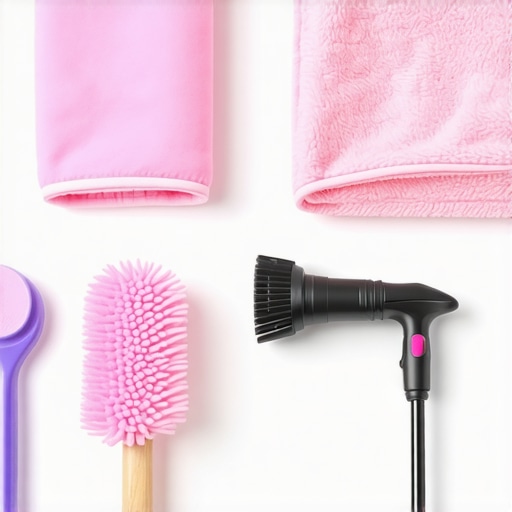
Consistent maintenance is key to lasting cleanliness. Establishing a routine that combines daily surface wiping with weekly deep cleans prevents the buildup of grime and allergens. Using tools like microfiber cloths and extendable dusters keeps hard-to-reach areas pristine. Moreover, periodic professional services such as office sanitizing strategies help maintain hygiene standards in shared workspaces and prevent cross-contamination. Remember, the investment in quality equipment and regular upkeep minimizes long-term cleaning efforts and sustains trust in your environment. So, I encourage you to start by evaluating your current tools—perhaps upgrading to a microfiber cloth with a dedicated duster—and see how it transforms your routine.
To delve deeper into effective cleaning, I recommend exploring advanced methods like UV sterilization devices, which have been proven to deactivate up to 99.9% of bacteria and viruses on surfaces, as documented by antimicrobial research experts. Incorporating such strategies can elevate your maintenance game significantly, making your spaces safer and cleaner for everyone. Don’t wait—try using a microfiber cloth combined with an extendable duster today, and experience the difference firsthand!
< >
>
What I Learned About Hidden Dust That No One Tells You
- One of my biggest realizations was that neglecting those hard-to-reach areas leads to a false sense of cleanliness. Even after a quick tidy-up, invisible dust and bacteria can linger behind appliances and inside vents, silently impacting my health and air quality. Recognizing these overlooked spots was a game-changer in my cleaning routine.
- Investing in the right tools, like microfiber cloths and flexible dusters, allowed me to reach places I once ignored, revealing the extent of unseen grime. This taught me that quality equipment isn’t just a luxury—it’s essential for deep cleanliness and peace of mind.
- The myth that surface cleaning suffices almost cost me my allergy relief goals. Deep cleaning isn’t about vanity; it’s about creating a genuinely healthy environment. That shift in mindset encouraged me to stay consistent and thorough, knowing it truly makes a difference.
- It became clear that regular maintenance combined with targeted deep cleans prevents buildup and saves time in the long run. Establishing a schedule for these focused efforts transformed my home from a dust trap into a sanctuary.
- Finally, understanding that professional advice and advanced techniques—like vent cleaning or UV sterilization—enhance my efforts gave me confidence. Incorporating expert strategies ensures my space is not just clean enough but truly safe and trustworthy.
My Toolkit for Mastering House Cleaning and Sanitizing
- Dyson V11 HEPA Vacuum: Its superior filtration helps trap microscopic particles, improving indoor air quality—something I’ve seen benefits from daily.
- Dupray Neat Steam Cleaner: Eco-friendly and effective at sanitizing surfaces without chemicals, it provides peace of mind for sensitive family members.
- Microfiber Cloths and Narrow Attachments: Essential for reaching into nooks and crannies, these tools make deep cleaning faster and more comprehensive.
- UV Sterilizer Devices: Proven to deactivate many germs, including viruses and bacteria, adding an extra layer of safety in my space.
- Cleaning App and Supply Tracker: Scheduling reminders and inventory management keep me consistent without the hassle of last-minute runs.
Embrace the Power of a Truly Clean Environment
The journey to an impeccably clean and healthy home or office isn’t just about techniques—it’s about the mindset of continuous improvement. Every corner, every tool, and every routine tweak brings you closer to spaces that genuinely support your wellbeing. Whether you’re just starting or refining your routine, remember: the effort you invest today pays off in comfort, health, and peace of mind tomorrow. Don’t wait to make those small changes—your home deserves to be more than just superficially clean. Take action now, and see how deep cleaning transforms your space into a haven of trust and freshness. What’s one hidden spot you plan to tackle first? Let me know below!



http://Melissa%20Carter
Reading this post really made me reflect on my own cleaning habits. I used to rely on quick dusting and vacuuming, but I’ve noticed my allergies get worse, especially during the seasons when dust mites are rampant. I tried removing vent covers and cleaning behind my entertainment system recently, and the difference in air quality was noticeable. It’s surprising how much dust can hide in these overlooked spots, isn’t it? I wonder if others have found particular tools or methods that make deep cleaning these tricky areas easier. For example, I’ve recently started using a flexible microfiber duster that reaches behind appliances and into tight corners—game changer! Also, I’m curious, what’s your take on professional duct cleaning? Does it really make a difference for homeowners trying to improve indoor air quality? Would love to hear experiences and tips from others on maintaining a super clean environment without spending hours every weekend.