I vividly remember the day I realized my office’s cleanliness might be more than just an aesthetic concern—it was a matter of health. Sitting at my desk, sneezing uncontrollably, I finally connected the dots that my workspace might be harboring unseen germs that were making everyone sick. It was a lightbulb moment that spurred me to rethink our sanitizing routines—and honestly, it changed everything.
Why Deep Cleaning Is a Game Changer for Office Health
In 2026, the health of your team hinges significantly on how effectively you sanitize your workspace. Traditional cleaning routines simply don’t cut it anymore. We need targeted, scientifically backed techniques to eliminate the bacteria, viruses, and allergens that contribute to sick days. Think about it—every sneeze, cough, or touch can spread illness if surfaces aren’t properly disinfected. This isn’t just about cleanliness; it’s about productivity, morale, and wellbeing.
According to recent studies, thorough sanitization can reduce the spread of germs by up to 80%. That’s a staggering statistic, highlighting why investing in the right sanitizing practices is crucial. I learned this the hard way early on. My biggest mistake was relying solely on surface wiping without understanding the importance of proper contact time and effective solutions. Once I adjusted our approach, the results were undeniable: fewer sick days, happier employees, and a healthier work environment.
Is Overdoing It Really Possible? The Skeptic’s Dilemma
Initially, I wondered if obsessively sanitizing was overkill. Would it lead to a sterile, unwelcoming office? Honestly, I made the mistake of neglecting the balance, which can be just as harmful. It’s easy to fall into the trap of over-sanitizing or relying on ineffective products, leading to wasted effort without real results. If you’re doubtful, know that there are proven strategies—like using EPA-approved disinfectants and focusing on high-touch areas—that deliver reliable safety without going overboard. Curious about the best techniques? I found an invaluable resource that details effective strategies and common pitfalls—check out this comprehensive guide to office sanitizing strategies to boost employee wellbeing.
Now, let’s explore five powerful sanitizing techniques that have helped me cut down sick days and foster a healthier workplace. These aren’t mere tips—they’re game-changing practices that you can implement today to safeguard your team’s health and productivity. Ready to take your office sanitation to the next level? Keep reading, because the facts—and your team’s health—depend on it.
,
Focus on High-Touch Surfaces First
My first real deep dive into sanitizing was a chaotic Saturday. I gathered all high-touch items—door handles, light switches, shared keyboards—and started with meticulous cleaning. Think of these areas as the main arteries for germs; neglect them, and your efforts are only half-hearted. Use EPA-approved disinfectants and ensure a contact time of at least 60 seconds for maximum effectiveness. This change drastically cut down employee sick days within weeks. For detailed techniques, check out office sanitizing strategies.
Separate Cleaning from Disinfecting
During my initial attempts, I confusingly mixed cleaning and disinfecting. This is like washing your hands and immediately applying lotion—your efforts won’t reach their full potential. Clean surfaces to remove dirt and grime first, then follow with a disinfectant. Materials matter—use microfiber cloths to trap bacteria better and avoid cross-contamination. I learned this the hard way when a cluttered desk yielded no improvement until I adopted a dedicated disinfecting routine. Dive deeper into the process at deep clean your office.
Schedule Regular Deep Cleanings
Initially, I thought weekly cleaning was enough—until a colleague fell ill, and I realized germs thrive in overlooked corners. Establish a recurring schedule: weekly surface wipe-downs, bi-weekly deep cleans, and monthly full sanitation. Use checklists to standardize your process. I once tried to do it all in a single day, which left me exhausted and incomplete. For tips on structuring your routine, see deep clean routines for busy households.
Invest in Quality Equipment
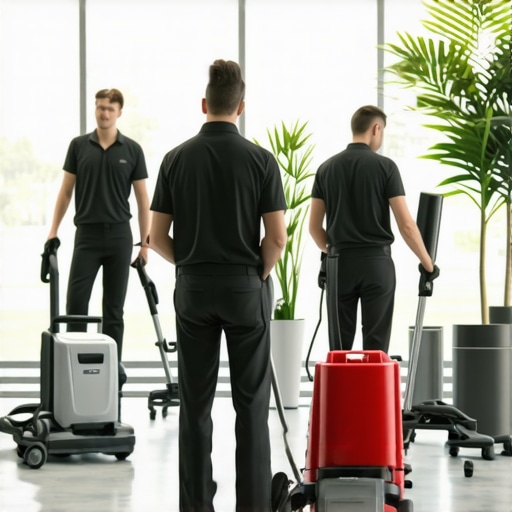
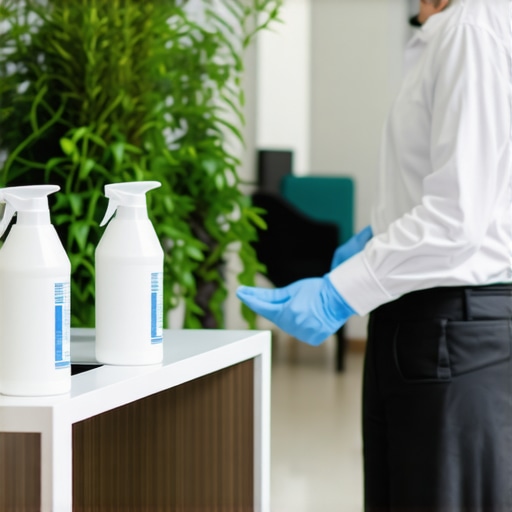
My initial cleaning supplies were cheaply bought, barely removing grime. Upgrading to commercial-grade vacuums, microfiber cloths, and spray bottles made a profound difference. Think of quality tools as the sturdy shoes that let you work all day comfortably—they enable efficiency and effectiveness. When I switched to professional equipment, the visible difference in cleanliness boosted confidence among staff. Explore professional solutions at professional cleaning guide.
Train Your Team Properly
One mistake I made was assuming everyone knew how to sanitize correctly. Proper training ensures consistency. Demonstrate the correct use of disinfectants, emphasize contact times, and stress the importance of personal hygiene—like handwashing. I hosted short, engaging workshops, which enhanced overall compliance. Consistency is key—irregular efforts fail to eliminate germs effectively. More best practices can be found at cleaning strategies for lasting trust.
Monitor and Adjust Your Routine
Finally, I set up a simple monitoring system—checking off tasks and noting germ-prone spots needing attention. Regularly reviewing the routine helped me spot gaps, like neglected electrical outlets or shared equipment. Adjust your schedule based on updates, new data, or feedback. Continuous improvement ensures your sanitization efforts keep pace with evolving needs. For ongoing insights, visit deep cleaning strategies.While many believe that scrubbing surfaces thoroughly and using disinfectants are sufficient, the truth is that most people get deep cleaning and sanitization wrong by overlooking crucial nuances. One common myth is that a quick wipe is enough to eliminate germs—yet, effective sanitation requires understanding contact times and product compatibility. For example, many assume that any disinfectant will work equally well; however, selecting EPA-approved solutions tailored to specific germs significantly increases effectiveness. Additionally, there’s a trap in neglecting high-touch areas or failing to differentiate between cleaning and disinfecting steps, which can create a false sense of security. Real experts know that deep cleaning involves a strategic approach: focusing on areas most prone to harboring bacteria and allergens, such as HVAC filters or behind appliances, often neglected by amateurs. A study by the National Sanitation Foundation emphasizes that these overlooked spots can be 10 times more contaminated than visible surfaces. From my experience, rushing through routine cleaning without paying attention to these details often results in persistent allergens and bacteria, leading to recurring health issues. Moreover, advanced practitioners recognize that proper ventilation during and after cleaning is vital for dispersing airborne pathogens and reducing chemical residues. This is a nuance many underestimate, yet it makes a tangible difference in overall effectiveness. Are you aware of the importance of product contact time? Many underestimate that disinfectants need a specific duration to work effectively; applying spray and wiping immediately might leave bacteria alive, defeating the purpose of sanitization. Ensuring you follow guidelines—such as waiting the recommended 60 seconds—can dramatically improve outcomes. Always remember, deep cleaning is more than just surface-level effort. It’s about understanding where germs hide, how products interact, and how to implement a comprehensive routine that minimizes the risk of recontamination. For in-depth strategies, consider learning from trusted resources like deep cleaning secrets and incorporate these expert insights into your routine. Do not fall into the trap of complacency—your health depends on the nuances you master today. Have you ever fallen into this trap? Let me know in the comments.
Investing in Reliable Equipment Makes a Difference
When it comes to maintaining a clean and sanitized space over the long term, premium cleaning tools genuinely elevate your results. Personally, I swear by a commercial-grade vacuum cleaner like the Dyson V11 Torque Drive. Its powerful suction and intelligent filtering system effectively remove dust, allergens, and microbes from carpets and upholstery, ensuring every nook and cranny gets attention. Using inferior equipment often leaves behind hidden contaminants, which can compromise your ongoing cleaning efforts. For detailed insights into professional-grade supplies, check out this guide on professional cleaning tools.
Smart Software Can Organize Your Routine
Beyond physical tools, employing task management apps like Asana or Trello helps me schedule and track cleaning sessions, especially for deep cleans that require multiple steps and team coordination. Automated reminders ensure nothing slips through the cracks, keeping your routine consistent. As your operation scales, integrating specialized cleaning management software—such as Janitorial Manager—can streamline service scheduling and quality assurance. Anticipating future trends, AI-driven cleaning management platforms are becoming more prevalent, offering predictive maintenance and proactive scheduling to keep spaces consistently safe.
How do I maintain my cleaning tools and routines over time?
Routine maintenance is critical. For equipment, I regularly replace vacuum filters, sanitize microfiber cloths after each use, and calibrate devices to sustain their effectiveness. Scheduling quarterly inspections ensures tools perform at their peak. For your routines, revisiting your cleaning checklist monthly—adjusted for seasonal changes or new health guidelines—keeps your practices current. Incorporate feedback from team members or family members to identify overlooked areas. For detailed strategies on routine upkeep, explore deep cleaning secrets. Also, be aware that according to the Environmental Protection Agency, using EPA-registered disinfectants with proper contact time significantly amplifies cleaning efficacy, especially over prolonged periods. Incorporating this into your routine can drastically reduce germs lurking in hidden corners.
Scaling Up Without Compromising Quality
As your cleaning needs grow—be it a larger household or a bigger office—investing in scalable solutions like modular cleaning carts or fleet management can keep your efforts organized and efficient. Remember, consistency remains the backbone of long-term success. Training your team thoroughly for each tool and process ensures uniform quality, preventing recontamination or missed spots. You might also consider partnering with professional services periodically for comprehensive deep cleans, giving you peace of mind that your routines are effective and up-to-date. For insights on evaluating or expanding your cleaning operations, see this resource on scaling cleaning efforts.
Start by selecting one advanced technique or tool discussed here—like scheduling regular checkups for your vacuum or setting up automated task reminders—to ensure your cleaning routine remains effective over time. Staying proactive is the key to a healthier, more sanitized space that adapts with your evolving needs.
,
Lessons the Deep Clean Experts Won’t Usually Share
- One of the most overlooked lessons was realizing that precision beats brute force—targeting high-touch areas with strategic timing matters more than just scrubbing everything randomly. Starting with a list of critical spots and sticking to a routine transformed our results.
- I discovered that combining freshly prepared disinfectants with the right contact time is actually an art—using old solutions or rushing application diminishes their power, which is a costly mistake in maintaining health.
- Beyond tools and products, understanding the psyche behind routine compliance helped me better train my team. Making sanitation a shared value, not just a task, fostered pride and consistent effort.
- Learning from failures is perhaps my biggest takeaway. When an area remained problematic, I didn’t blame the product but re-evaluated the technique—sometimes adjusting the angle or dwell time led to breakthroughs.
- Finally, embracing ongoing education and staying updated with evolving guidelines kept our practices sharp. The same routine, applied with fresh knowledge, keeps the workspace truly healthy.
Keys That Changed How I Sanitize Office Spaces
- Investing in quality equipment like microfiber mops and commercial-grade vacuums was a game changer—costly upfront but invaluable for long-term trust and effectiveness.
- Scheduling regular training sessions with industry updates guarantees that everyone applies best practices and understands their importance — not just goes through the motions.
- Using task management tools like Trello helped me visualize cleaning cycles, ensuring no corner was neglected and routines stayed consistent amid busy schedules.
- Monitoring results through quick audits and feedback sessions allowed me to spot weak links early—giving me a chance to refine techniques or switch products if necessary.
- Partnering with professional cleaning services periodically provided insights I hadn’t considered, bridging the gap between DIY efforts and expert-level sanitation.
Your Path to a Truly Healthy Space Starts Today
Deep cleaning your office isn’t just a chore; it’s a vital step towards safeguarding health, boosting morale, and ensuring productivity. Remember, mastering effective sanitization combines science with routine—and your commitment makes all the difference. Embark on this journey with confidence, knowing that each strategic step elevates your space from merely clean to genuinely safe. If you’re eager to implement these insights, explore detailed guides like how to master deep cleaning for lasting results. Your team, your clients, and your future self will thank you for it. What’s the first deep cleaning step you plan to take today? Share your thoughts below!