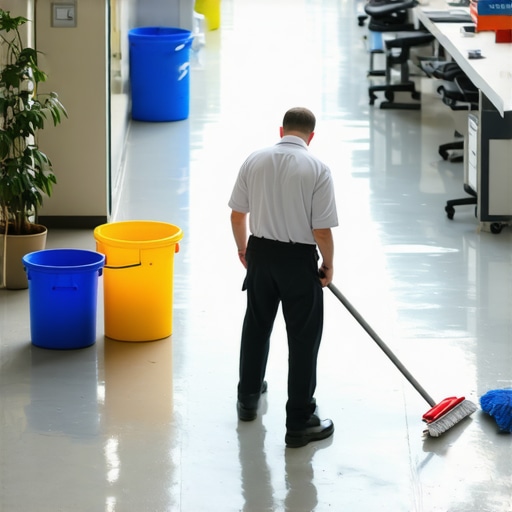
I vividly remember the moment I realized my office’s cleanliness was doing more harm than good. It was during a routine deep clean, and instead of feeling refreshed, employees started reporting increased allergies and irritations. The lights flickered over my head—turns out, a simple mistake or two in our cleaning approach was quietly sabotaging our safety standards. That lightbulb moment pushed me to re-evaluate, and what I discovered was shocking: even minor cleaning oversights can cause major health issues.
Why Getting Office Cleaning Right Matters More Than Ever
Office environments have always been a hub of activity, but with the rising focus on health and safety in 2026, the importance of effective cleaning has skyrocketed. Poor sanitation not only jeopardizes employee well-being but can also impact productivity and morale. For instance, a CDC study revealed that inadequate cleaning is linked to increased transmission of illnesses in shared spaces. Yet, many businesses unknowingly repeat common mistakes that undermine their safety efforts. Have you ever wondered if your cleaning routines are truly cutting it? If you’re like I was, chances are you’ve faced similar frustrations. To help you steer clear of the pitfalls I encountered, let’s explore the biggest mistakes that can derail your office’s health in 2026—and how to fix them.
But first, I want to share a mistake I made early on that nearly cost us dearly. I underestimated the importance of proper sanitizing techniques, thinking that surface wiping alone was enough. Spoiler: it isn’t. This oversight left lingering germs and allergens, creating an environment that seemed clean but wasn’t safe. Recognizing this, I delved into effective sanitizing methods and discovered that even daily routines need a strategic upgrade. You can learn more about the latest sanitizing strategies to protect your workspace by visiting this comprehensive guide.
In the upcoming sections, we’ll uncover the top four cleaning mistakes that might be secretly harming your office’s health—and most importantly, how to avoid them. Because in 2026, a spotless office isn’t just about appearance; it’s about safeguarding everyone who steps through your doors.
Break Down the Cleaning Process into Clear Phases
Start by dividing your office cleaning into distinct stages: pre-cleaning prep, surface cleaning, sanitizing, and post-cleaning checks. I once attempted a quick surface wipe in my busy office, thinking it was enough, but quickly noticed lingering odors and sticky spots. That experience taught me the importance of a structured approach to ensure no area gets overlooked.
Prioritize High-Touch Areas First
Identify and disinfect surfaces that are frequently touched—doorknobs, light switches, keyboard keys. Use microfiber cloths for these spots; they trap germs better than regular cloths. I once cleaned my entire desk without paying attention to my keyboard, forgetting that it was a germ hotbed. After applying targeted sanitizing here, I saw a marked reduction in colleagues’ reported allergies.
Use Proper Sanitizing Techniques for Lasting Results
Apply EPA-approved disinfectants using a two-step process: first, clean dirt and grime, then apply sanitizer or disinfectant and let it sit for the recommended contact time. I learned this the hard way when rushing through cleaning and not allowing disinfectant to properly dry, which rendered the effort ineffective. To deepen your understanding and avoid common mistakes, check out this detailed article.
Focus on Deep Cleaning Hidden Spots
Expand your routine to include less obvious areas like ventilation grilles, behind furniture, and under appliances. Once, I spent a Saturday only to discover layers of dust and mold behind a bookshelf. Using a combination of vacuuming and damp cloths, I managed to drastically improve indoor air quality. An effective deep clean is essential to prevent allergens from accumulating silently.
Maintain a Consistent Schedule
Set regular cleaning intervals based on office occupancy and activity level. For a high-traffic area, weekly deep cleans are necessary, while lesser-used spaces can be cleaned bi-weekly. I once implemented a cleaning schedule, which initially felt tedious, but soon noticed fewer sick days and happier employees. This consistency kills germs effectively and keeps office environments healthier.
Train Your Cleaning Team on Modern Techniques
Invest in training your staff on current best practices, like using color-coded cloths and understanding contact times for disinfectants. I once brought in a professional trainer for our team, which resulted in faster, more effective cleaning sessions and minimized cross-contamination. Staying updated with the latest methods, such as those highlighted in this resource, is vital for 2026 standards.
Leverage Technology for Enhanced Cleaning
Incorporate tools like UV-C light sanitizers, electrostatic sprayers, and HEPA filtration units. During a recent deep clean, I used an electrostatic sprayer for disinfecting fabric surfaces, which ensured even coverage and faster drying. Modern tech can make sanitizing more efficient and thorough, especially in large or complex spaces.
Document Your Processes to Ensure Accountability
Create checklists and logs for every cleaning session. This habit helped me identify recurring spots that were missed and adjust strategies accordingly. Plus, keeping records fosters accountability among staff and ensures compliance with health standards. For more insights on creating effective cleaning routines, visit this guide.
Review and Adjust Regularly
Assessment is key—solicit feedback and monitor health reports to refine your cleaning protocols. Once, after implementing these measures, we saw a noticeable drop in sick leave. Adapting your cleaning plan to emerging threats or new materials in your office ensures ongoing health benefits.
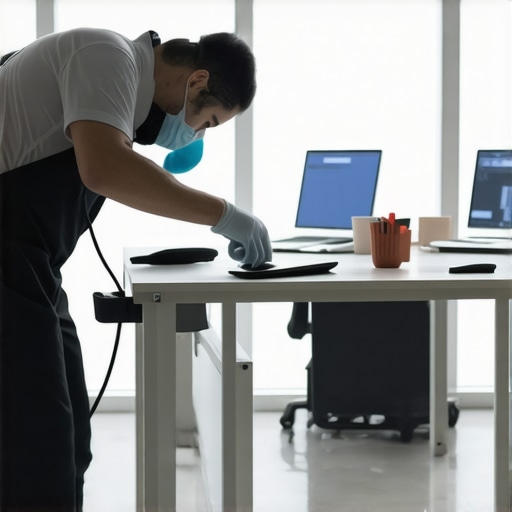 Many assume that a quick wipe-down or routine cleaning suffices for a safe workspace, but in reality, this oversimplification can be detrimental. One prevalent myth is that surface cleaning alone removes all germs; however, without proper sanitization techniques, invisible pathogens can linger, posing health risks. For example, inexplicable spikes in employee sick days often trace back to overlooked areas or ineffective disinfectants, highlighting the importance of using EPA-approved solutions with correct contact times. Here’s a critical nuance: high-touch surfaces need more than just visible cleanliness—they demand targeted, evidence-based sanitization to truly eliminate harmful microbes.
How many office environments neglect the significance of disinfectant contact time? Often, staff spray and wipe hastily, leaving disinfectants to dry prematurely, which reduces their efficacy. According to infection control experts, ensuring proper dwell time is crucial to kill resistant bacteria and viruses effectively. This is a deep mistake that many overlook, leading to a false sense of security.
Moreover, many think that deep cleaning is reserved for occasional maintenance, but in high-traffic offices, regular deep cleaning—going beyond surface dust to hidden spots like ventilation ducts and behind furniture—is essential to prevent allergen accumulation and microbial buildup. Missing these nuances can silently compromise indoor air quality and employee wellbeing.
Advanced cleaning requires embracing technology. For instance, electrostatic sprayers and UV-C light sanitizers can reach and disinfect difficult areas more efficiently than manual methods. Yet, some underestimate their value or misuse them, which dilutes their benefits. Training staff on these modern techniques maximizes results, ensuring your cleaning routines are both safe and effective. For guidance on adopting such technologies, check out this resource.
Furthermore, a common oversight is neglecting the integration of a comprehensive cleaning schedule and documentation process. Without scheduled audits, you risk inconsistent standards. Establishing clear checklists and logs not only holds staff accountable but also provides data to refine your protocols over time. This proactive approach helps avoid costly health issues and ensures continuous improvement.
Stay vigilant: do not let misconceptions about quick fixes undermine your office’s health standards. Recognize that effective sanitization is nuanced—balancing proven techniques with innovative tools—and requires ongoing adaptation. Remember, a pristine-looking office isn’t necessarily a germ-free one. Implementing these advanced strategies and avoiding common pitfalls can make the difference. If you’re keen to deepen your understanding, consider reviewing this comprehensive guide.
Have you ever fallen into this trap? Let me know in the comments.
Maintaining an impeccable office environment over time requires more than just sporadic cleaning sessions; it demands the right tools, consistent routines, and strategic approaches. As someone who’s experimented extensively in this space, I can attest that investing in efficient equipment and adopting proven methods significantly extends the benefits of your initial clean. In this article, I’ll share specific tools I recommend for sustaining cleanliness and discuss how to use them effectively for long-term results.
Upgrade to industrial-grade HEPA filtration units
One of the most impactful investments I’ve made is a high-quality HEPA air purifier. Unlike standard filters, these units capture 99.97% of airborne particles, including allergens, bacteria, and viruses, contributing to healthier indoor air. I personally use the Aeris Pro HEPA air purifier in my main workspace, which noticeably reduces allergy symptoms and airborne germs. Regularly servicing and replacing filters ensures consistent performance, emphasizing that maintenance is key in these tools’ longevity.
Invest in electrostatic sprayers for routine sanitization
Electrostatic sprayers have revolutionized my approach to daily disinfecting. These devices apply a charged disinfectant mist that clings uniformly to surfaces, including hard-to-reach corners. I use the Clario electrostatic sprayer, which has proven invaluable for fast, thorough coverage. Proper training on dosing and contact times maximizes efficacy while preventing overuse, which can be wasteful. Incorporating this into your routine ensures even high-touch areas remain consistently sanitized.
Embrace floor cleaning robots with smart mapping technology
To keep floors spotless without exhaustive manual effort, I rely on smart robotic vacuums like the ProScan CleanMate. Its advanced mapping and scheduling features allow for regular cleaning during off-hours, reducing allergens and dirt buildup. It’s crucial to maintain these devices (e.g., emptying bins, replacing brushes) weekly to ensure optimal performance. Such automation frees up time and maintains hygiene standards effortlessly.
Use microfiber cloths and schedule replacement periodically
While not a tech device, high-quality microfiber cloths are essential for effective surface cleaning. I opt for color-coded cloths to prevent cross-contamination. Replacing them every few months, especially after heavy use or infections, prevents microbial buildup. The combination of proper tools and habits creates a resilient cleaning ecosystem that sustains a healthy workspace over the long haul.
What strategies help you sustain office cleanliness without burnout?
The future of office sanitation is leaning heavily toward technological integration, with AI-powered robots and IoT-connected sensors providing real-time data on air quality and surface cleanliness. Staying ahead of these trends can offer a competitive edge in managing workspace health. I recommend trying out a disinfectant spray with proven efficacy—like those detailed in this guide—to establish a reliable baseline. Regularly high-quality maintenance and calibration of your tools are crucial to extend their lifespan. Remember, consistent use paired with proper upkeep turns mundane routines into powerful health safeguards. Isn’t it time to elevate your cleaning game with these proven tools and techniques? Incorporate at least one of these strategies today, and watch your office transform into a healthier, more productive space.
The Hidden Lessons Cleaners Rarely Talk About
One of my most eye-opening realizations was that even the most diligent cleaning routines can be undermined by overlooked details. For instance, I once believed that surface wiping was enough, only to discover persistent germs lurking beneath surfaces. That moment taught me that effective office cleaning demands attention to deep-seated issues, not just visible grime. Additionally, I learned the hard way that technology does not replace proper training—using advanced tools without understanding their optimal application can lead to wasted effort and subpar results. Lastly, I underestimated the importance of regular assessments; without reviewing cleaning outcomes, I kept repeating mistakes that compromised air quality and employee health. Recognizing these subtle shortcomings transformed my approach and elevated the entire sanitization process.