I’ll never forget the morning I completed what I thought was a meticulous deep clean, expecting my home to feel fresh and sterilized. Yet, by mid-afternoon, a dull headache crept in, and that lingering smell of stale air refused to disappear. It was an eye-opener—turns out, my efforts were missing a crucial step, and that missing link was all about the air quality.
The Missing Piece in My Deep Clean Routine
Despite following expert tips and using top-notch cleaning products, my home still didn’t feel quite right. It was frustrating and a little embarrassing, knowing I’d missed something fundamental. That’s when I discovered that air quality is the silent partner in effective cleaning. Sure, wiping surfaces and disinfecting are vital, but if the air isn’t properly managed, all that effort can fall short of what you and your family deserve.
This realization sparked a journey—I dove into resources like secrets of top house cleaners and learned that incorporating specific air quality steps can significantly enhance cleaning outcomes. Interestingly, studies show that indoor air can be 2-5 times more polluted than outdoor air, affecting everything from allergens to bacteria. That’s a surprising fact that underscores why this step is non-negotiable for a truly thorough deep clean.
Now, I want to share this critical insight with you. If you’re like me, you’ve likely experienced that lingering feeling that something’s off after cleaning—maybe a musty smell or persistent dust particles. Maybe you’ve even wondered if your efforts are enough. Well, that’s exactly what we’re going to fix today.
Will Improving Air Quality Actually Make a Difference?
I was skeptical at first. I believed cleaning was just about scrubbing and disinfecting. But early on, I made the mistake of ignoring the air. Implementing targeted air quality improvements, such as proper ventilation and air purification, has transformed my environment. It’s not just about appearance—it’s about creating a space that genuinely feels clean and healthy.
If you’ve faced these same issues or doubts, don’t worry. The solution is simpler than you think, and I’ll walk you through the exact step that makes the most difference. Ready to elevate your deep clean to professional-grade levels? Let’s get started.
Prioritize Ventilation Before Scrubbing
Think of your home like a balloon—if you don’t allow air to flow in and out, stale indoor air gets trapped, much like squeezing the balloon and releasing it causes it to deflate slowly. Open windows and doors wide for at least 10 minutes before starting your cleaning session. I remember once clearing my living room after a rigorous deep clean, only to notice a musty scent lingering. Opening all windows instantly refreshed the space, leaving it feeling truly clean and vibrant. Essential house cleaning tips emphasize this simple yet effective step to ensure pollutants don’t recycle through indoor air.
Incorporate Air Purifiers Strategically
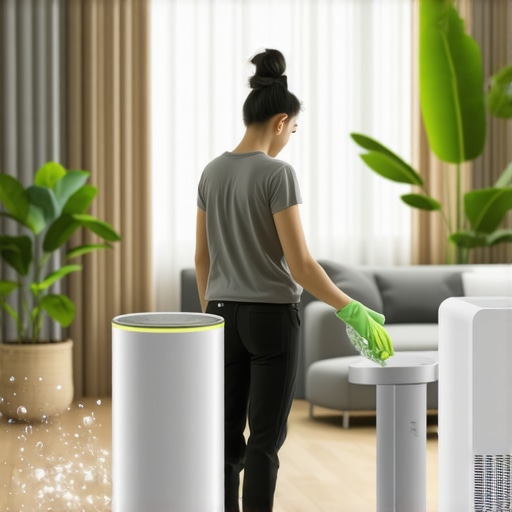
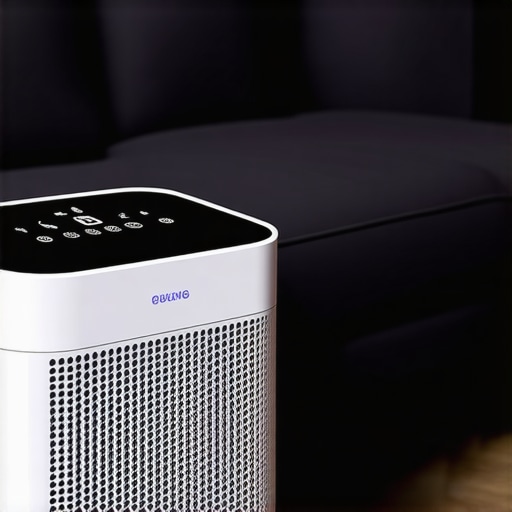
Using an air purifier is like having a dedicated bouncer at the door—catching dust, pollen, bacteria, and other airborne nasties before they settle on surfaces or get inhaled. During a recent cleaning, I placed a portable air purifier in my kitchen, a high-traffic area prone to cooking fumes and pet dander. The result was a drastic reduction in lingering odors and allergy triggers. To maximize its effect, select a purifier with a HEPA filter and operate it throughout and after your cleaning. For more advanced techniques, check out deep cleaning sanitizing strategies that discuss integrating air purification for health.
Choose the Right Airflow Devices
Oscillating fans and exhaust ventilation systems are like the lungs of your cleaning process—they actively move air, reducing stagnation. During my last intense cleaning, I set up a fan near the doorway of my basement to boost airflow while I cleaned the hidden corners of the room. By circulating fresh air and pushing out dust-laden air, I prevented airborne particles from settling back onto surfaces. Install exhaust fans in kitchens and bathrooms to keep these high-humidity and pollutant-prone areas ventilated consistently, which is crucial for professional cleaning standards. This simple improvement can save hours of repeated cleaning later.
Schedule Air Quality Checkpoints
Set regular intervals—say, every few hours during a deep clean—to assess and adjust airflow. Use a simple air quality meter or just your senses. If you notice lingering odors or dust particles, increase ventilation or run your purifier longer. I once underestimated the importance of this step until I experienced a persistent smell after cleaning a dusty attic. Turning on a high-powered exhaust fan and keeping windows open for an extra 20 minutes changed everything. Building these checkpoints into your routine ensures that air quality remains optimal, resulting in a genuinely sanitized space. To learn more about comprehensive cleaning approaches, explore deep clean and sanitizing tips for lasting results.Many assume that simply scrubbing surfaces and using common cleaning products guarantees a truly sanitized and fresh environment. However, this belief overlooks critical nuances that can sabotage your efforts, leading to persistent odors, allergens, or even bacteria buildup. In my experience, a widespread myth is that disinfectants alone kill all germs effectively without considering airflow and air quality management. But studies show that airborne contaminants can re-settle on cleaned surfaces, negating the disinfecting process if the air isn’t properly managed.
Why Do So Many Cleaning Strategies Fail at Lasting Freshness?
One common mistake is neglecting to incorporate strategic ventilation or air purification into routines. For example, relying solely on surface disinfectants without ensuring good air exchange can trap airborne pathogens and volatile organic compounds (VOCs). Research from the EPA highlights that indoor air can be 2-5 times more polluted than outdoor air, which significantly impacts cleaning outcomes. Therefore, integrating advanced techniques like HEPA-filter air purifiers and effective ventilation isn’t just an optional step—it’s essential for comprehensive sanitation. Overlooking these nuances can lead to a false sense of cleanliness that doesn’t last, leaving your space vulnerable to allergens, mold, or bacteria. For those seeking a deep dive into effective cleaning, exploring expert information such as deep cleaning secrets can reveal advanced strategies. Remember, true sanitation goes beyond surface-level cleaning; it involves understanding and controlling the entire environment, including air quality, to maintain health and freshness. Have you ever fallen into this trap? Let me know in the comments.
Maintaining Cleanliness with Precision Tools
Effective cleaning isn’t just about effort—it’s about using the right tools and methods to sustain a pristine environment. I personally favor a combination of high-quality equipment and proven techniques to ensure my spaces stay immaculate over time. One staple in my arsenal is the Dyson V11 cordless vacuum. Its powerful suction and smart filtration system make quick daily cleanups effortless, especially when dealing with pet dander or fine dust particles that can quickly resettle if not addressed regularly.
For deep cleaning sessions, I rely on the Oreck Commercial Orbiter. Its versatility allows me to tackle floors, carpets, and even upholstery with specialized attachments. The orbital motion ensures thorough cleaning without the risk of damage, which is crucial for maintaining the integrity of delicate surfaces.
Embracing Smart Technology for Ongoing Maintenance
Automation plays a growing role in sustaining cleanliness. I use the Philips Air Quality Monitor to continuously assess indoor air, receiving real-time notifications when pollutant levels rise. This data-driven approach lets me respond swiftly—like increasing ventilation or changing filters—before pollutants settle. Incorporating these devices makes long-term maintenance more manageable and effective.
Similarly, scheduling automated cleaning with robotic vacuums integrated into my smart home system helps keep floors consistently clear. Technologies like the iRobot Roomba i7+ can be programmed or controlled remotely, ensuring that maintenance isn’t forgotten during busy days. This kind of proactive approach matches expert recommendations found in secrets of top house cleaners.
Future Trends in Routine Maintenance
Looking ahead, I predict a rise in AI-powered cleaning robots that adapt in real-time and even suggest strategies for improving indoor air quality based on sensor data. This evolution will make maintaining a clean environment less labor-intensive and more precise. Embracing these advancements now, like investing in smart air purification, positions you to benefit from seamless hygiene management in the future.
How can I keep my cleaning systems effective over time?
Regularly servicing your equipment and updating your smart devices are essential steps. For example, replacing HEPA filters in air purifiers every 6-12 months maintains their efficiency, as outlined by the manufacturer specifications. Additionally, scheduling routine check-ups on your vacuum and ensuring all software firmware is up to date guarantees optimal performance. Establishing a maintenance calendar—similar to the strategies detailed in a comprehensive cleaning guide—can help manage these tasks consistently.
Implementing these tools and routines transforms cleaning from a chore into a sustainable habit that preserves health and cleanliness effortlessly. Discover more innovative techniques by exploring deep cleaning and sanitizing strategies for lasting results. I encourage you to try integrating one advanced tool this week—perhaps a smart air quality monitor—to see firsthand how technology elevates your cleaning game.
Three Lessons That Changed How I Approach Cleaning Forever
One of the most eye-opening lessons I learned was that total freshness isn’t just about surface cleaning; it’s about mastering the invisible game of air quality. Realizing that stagnant, polluted indoor air can undo hours of scrubbing was a game-changer, teaching me that the environment in which I clean matters just as much as the tools I use. Additionally, I discovered that mistaking routine cleaning for comprehensive sanitation often leaves hidden germs lurking, which made me rethink my entire approach—embracing tools like HEPA air purifiers and effective ventilation has been key. Finally, understanding that maintenance is an ongoing journey—not a one-time effort—prompted me to develop regular air quality checks, ensuring my space stays genuinely clean and healthy over time.