Have you ever stood in your office and suddenly, out of nowhere, you catch a whiff of something off—the kind that just doesn’t go away no matter how many times you wipe down that same surface? Maybe it was a stubborn smell lingering in the corner, or worse, a surface that looked clean but still had unseen germs lurking. I remember my lightbulb moment when I realized that my routine cleaning wasn’t cutting it anymore. Despite following a schedule, chaos and germs kept sneaking back in. It felt like I was fighting a losing battle—and that’s when I questioned everything about my cleaning approach.
Is Your Cleaning Schedule Truly Effective or Just Going Through the Motions?
Every office manager, employee, or business owner worries about keeping the workspace healthy. But let’s be honest—how often do those schedules really work? I used to think that just assigning a few cleaning tasks on certain days would do the trick. Spoiler alert: it doesn’t. A study from the National Institutes of Health confirms that bacteria can survive on surfaces for days—sometimes weeks—if not disinfected correctly. This reality hit me hard when a minor illness outbreak in our office made me realize we weren’t cleaning nearly enough or properly.
Over time, I made a crucial mistake early on: I relied on just superficial cleaning—dusting, sweeping, and quick wipe-downs—without targeting the germs and allergens hiding beneath. That mistake cost us more than sick days; it undermined trust in our cleanliness efforts. The good news? I learned that with a few strategic adjustments, I could overhaul our cleaning routine and finally keep those pesky germs at bay.
Is Deep Cleaning Really Necessary or Just a Trend?
Many skeptics ask whether all this effort is worth it—especially if your schedule already feels packed. I get it. But skipping deep cleaning can turn your workspace into a breeding ground for germs, allergens, and bacteria. The real question is: How can you implement deeper, more effective cleaning without it feeling like an insurmountable chore? That’s exactly what I will explore next—breaking down practical, easy-to-implement strategies that will make your office not only cleaner but genuinely healthier. Ready to transform your cleaning game? Let’s dive in.
Start with Decluttering and Surface Preparation
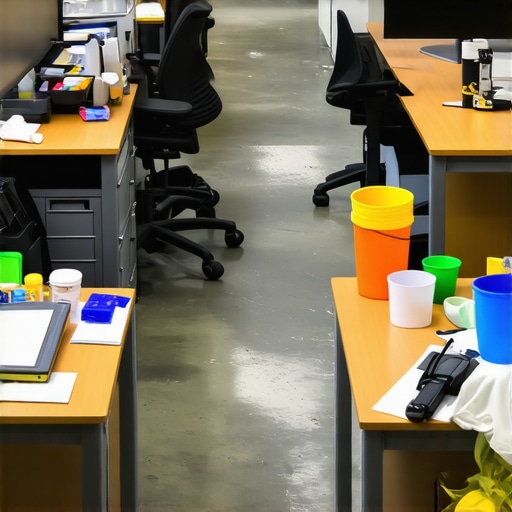
Before deep cleaning, clear the area of unnecessary items to allow thorough access. Remove clutter from desks, shelves, and floors. Use a vacuum or microfiber cloth to eliminate loose dust and debris, preventing dirt from spreading during cleaning. I recall a Saturday morning when I spent half an hour decluttering my desk; this simple step made subsequent cleaning much more efficient and revealingly cleaner surfaces.
Target High-Touch Points First
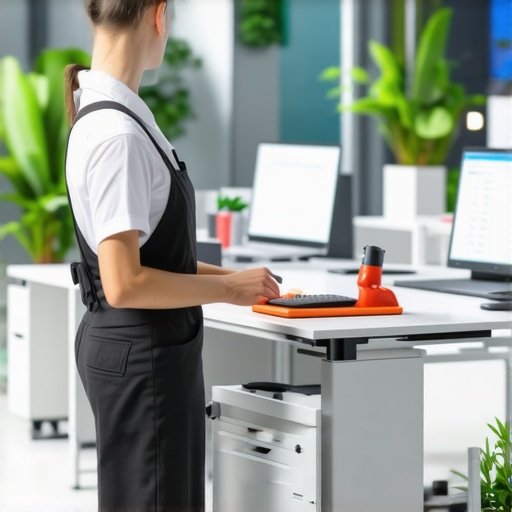
Identify surfaces that are frequently touched—doorknobs, light switches, keyboard keys, and shared equipment. Use a disinfectant spray or wipe designed for Office sanitizing strategies to eliminate germs from these spots. I once focused solely on visible dust, neglecting these high-touch areas, which led to recurring colds. Incorporating a routine disinfecting of these points drastically reduced sick days and boosted overall hygiene.
Invest in Proper Cleaning Equipment
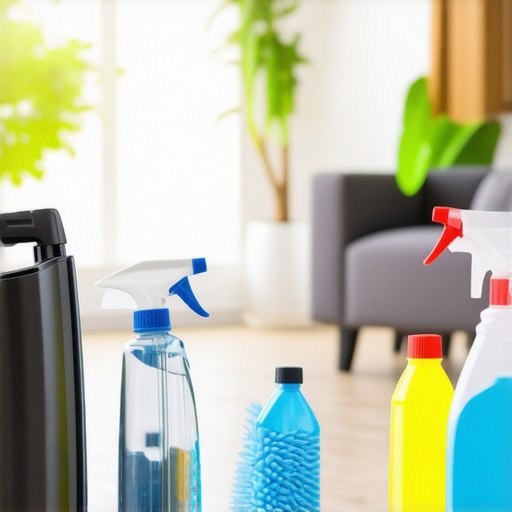
Use microfiber cloths, electrostatic sprayers, or steam cleaners for superior sanitation. Microfiber traps microbes effectively, while steam kills bacteria without chemicals. I experimented with different tools, and switching to a steam cleaner cut my cleaning time in half while ensuring deeper germ elimination. This technique resembles how professionals employ high-temperature steam to sterilize medical equipment.
Disinfect and Sanitize Systematically
Apply EPA-approved disinfectants to all surfaces, following manufacturer instructions for dwell time. Pay special attention to kitchens, bathrooms, and shared electronics. This step is crucial in moving beyond superficial cleaning. I vividly remember when I rushed through disinfecting, missing critical areas; a thorough, systematic approach ensured no spots were overlooked, creating visible freshness and peace of mind.
Deep Clean Hidden and Less Accessible Areas
Remove and clean behind furniture, beneath appliances, and inside vents. Use a long-handled duster or vacuum with attachments to reach these spots effectively. I once discovered layers of dust accumulated behind my filing cabinet, which I had never cleaned before. Regularly attending to these overlooked zones prevents long-term buildup and preserves air quality.
Finish with Flooring and Upholstery Care
Vacuum carpets, mop hard floors with appropriate cleaners, and launder or steam-clean upholstery. Use HEPA filters in vacuum cleaners to trap allergens and microbes. I recall a weekend where I invested in a steam mop; the results were astonishing—floors looked newer, and allergen levels seemed to drop. Think of this as sealing the deep clean by making sure every surface, including what’s under your feet, is germ-free.
Establish a Routine and Monitor Results
Create a cleaning schedule based on your office’s size and usage. Regularly review and adjust your methods, and consider professional assistance for ultimate trust in the process. I schedule bi-weekly deep cleans, coinciding with regular daily sanitation routines, which keeps germs at bay consistently. To keep track of progress and maintain high standards, check out expert tips on mastering deep clean routines.
Leverage Professional Help When Needed
For comprehensive sanitation, especially in high-traffic environments, consider hiring trusted experts. They bring specialized equipment and knowledge, ensuring no hidden germs escape. When I outsourced our deep cleaning once, it not only saved time but assured a level of hygiene I couldn’t achieve alone. Investigate reliable providers through trusted resources like trusted deep cleaning services.
Many assume that a quick once-over with disinfectant guarantees a germ-free environment, but in reality, this oversimplifies the complexity of effective cleaning. A common misconception is that the more chemicals used, the cleaner the space becomes. However, overuse of disinfectants can lead to resistance among microbes, making sterilization less effective over time, as emphasized by experts in the field. Moreover, relying solely on superficial cleaning techniques, like wiping surfaces without sufficient dwell time for disinfectants, often results in incomplete germ eradication. It’s crucial to understand that effective sanitizing demands more than just surface-level effort; it requires targeted influence on microbial colonies, thorough reach into hidden areas, and strategic timing to ensure sterilization.
A frequent trap many fall into involves misjudging the importance of the order and method of cleaning steps. For example, cleaning a surface before disinfecting it can spread germs rather than eliminate them. Deep cleaning professionals advocate for a systematic approach: declutter first, then clean, followed by disinfect. This sequence ensures that microbes are not just moved around but are actively destroyed. Additionally, many underestimate the significance of cleaning hidden or less accessible areas, like behind furniture, inside vents, or beneath appliances. These can be reservoirs for allergens and bacteria, contributing to long-term health issues.
Another misconception concerns the frequency and context of deep cleaning. Some believe that routines designed for homes are adequate for high-traffic offices, but space utilization and occupancy rates greatly influence sanitation needs. For instance, a high-touch office environment might require daily disinfection of specific surfaces, which is often overlooked. Overlooking this nuanced detail can lead to persistent germ presence, even if regular cleaning is performed.
From an advanced perspective, it’s important to consider the microbial ecology of your environment. A study published in the Journal of Hospital Infection highlights the resilience of biofilms—communities of microbes that protect themselves with an extracellular matrix—posing a significant challenge for standard cleaning methods. These biofilms can withstand routine disinfectants, necessitating specialized cleaning techniques such as enzymatic cleaners or combined mechanical and chemical strategies. Failing to recognize and address biofilms can leave your space vulnerable to recurrent contamination, despite diligent cleaning efforts.
Furthermore, many people neglect the importance of equipment calibration and proper application techniques. Using diluted disinfectants improperly or failing to adhere to dwell times reduces their effectiveness drastically. For example, spraying disinfectant without allowing it to sit long enough for germicidal action to occur leaves bacteria alive and active. To avoid this, always follow manufacturer instructions meticulously or consult with professional cleaning services, who are trained to optimize these variables.
Are you aware of the pitfalls that might be sabotaging your cleaning efforts? For holistic sanitation, I recommend exploring expert insights on effective sanitizing hacks and ensuring your methods are backed by science. Remember, effective deep cleaning is less about the product and more about strategy, technique, and understanding microbial behavior. If you’re aiming for a truly germ-free atmosphere, it’s vital to stay educated on these nuances and avoid common myths. Have you ever fallen into this trap? Let me know in the comments.
How Do I Maintain an Impressive Level of Cleanliness Over Time?
Investing in high-quality equipment makes a significant difference in maintaining cleanliness without expanding your workload. I personally rely on microfiber cleaning cloths because they trap microbes and dust effectively, reducing the need for chemical cleaners. An electrostatic sprayer has become my go-to for disinfecting large surfaces quickly and thoroughly, ensuring even difficult-to-reach areas are sanitized efficiently. Steam cleaners are another game-changer; they use high-temperature vapor to eliminate bacteria and viruses without harsh chemicals, making them ideal for sensitive environments like offices with shared electronics or upholstery.
Predicting future trends, I believe automation will play a pivotal role—think robotic vacuums equipped with synthetic intelligence that adapt to your cleaning needs, monitor microbial presence, and even alert you when it’s time for a deeper clean. Staying ahead involves not just purchasing advanced tools but also integrating them into your routine systematically.
What Equipment Should You Use for Consistent Results?
Choosing the right tools means understanding their benefits and how they fit into your routine. For example, microfiber cloths should be changed frequently to maintain their efficiency; I typically keep several on hand and rotate them after each use. Steam cleaners are excellent for deep disinfecting surfaces like desks, keyboards, or shared appliances—especially when you need chemical-free sanitization. Employing electrostatic sprayers allows for even coverage of disinfectants on large or complex surfaces, saving time and ensuring no spots are missed.
Applying these tools effectively requires knowledge of their proper use. Familiarize yourself with specific dwell times for disinfectants—some surfaces need to remain wet for several minutes to ensure virus and bacteria are destroyed. To excel, consider consulting professional cleaning guides or seeking advice from trusted sources such as trusted office sanitizing strategies.
Leveraging Software for Ongoing Maintenance
Beyond equipment, software solutions assist in scheduling, tracking, and optimizing your cleaning routines. Digital checklists and reminder apps can prompt you or your team to disinfect high-touch areas regularly. If you’re managing larger spaces, utilizing a cleaning management platform helps monitor compliance and identify patterns needing adjustment. In the future, I see AI-powered analytics that evaluate microbial swab tests data, predict contamination hotspots, and suggest targeted cleaning interventions—making long-term maintenance more proactive and science-based.
To stay on top of your sanitation efforts, implement a system that empowers you with data and reminders. Regularly review your routine and adapt to changes in office usage or emerging health guidelines. Looking to elevate your cleaning game? Explore expert insights in this comprehensive guide.
What Are The Best Practices for Long-Term Deep Cleaning Success?
Consistency is key. Schedule periodic deep cleans—monthly or quarterly—and document your methods to track improvements. Ensure your team is trained on proper equipment use, including calibration of sprayers and correct disinfection protocols, like those detailed in innovative office cleaning techniques. Regularly evaluate your tools’ performance and replace worn-out items to maintain efficacy. Remember, microbes like to find weaknesses—so staying vigilant with your maintenance routines keeps your environment truly safe and healthy.
As you implement these high-end tools and strategies, I encourage you to test one tip—perhaps introducing an electrostatic sprayer into your disinfection routine. It’s a proven method for effective surface coverage and can dramatically reduce microbial presence if used correctly. Curious how this can transform your cleaning routine? Reach out via contact us and discover tailored solutions for your space.
The Hardest Lesson I Learned About Deep Clean and Sanitizing
I once believed that a quick wipe-down was enough, but I realized that without addressing hidden areas and microbial resilience, I was only scratching the surface. Deep cleaning revealed layers of unseen grime and biofilms that resisted superficial efforts, teaching me that thoroughness beats speed every time.
Why Rushing Disinfectant Application Can Backfire
I used to spray disinfectants and move on, assuming that coverage alone sufficed. But neglecting dwell times and proper techniques meant germs survived. Learning to follow the science behind dwell times transformed my approach, ensuring viruses and bacteria actually got eliminated.
The Power of Embracing Equipment That Works for You
Investing in tools like steam cleaners and electrostatic sprayers wasn’t just about convenience—it was about precision and efficacy. Initially skeptical, I found that proper equipment dramatically reduced cleaning time and improved results, making routine sanitation more manageable and trustworthy.
The Crucial Role of Hidden Spaces
Discovering dust behind furniture or inside vents was a wake-up call. These overlooked spots serve as microbial reservoirs, and cleaning them regularly prevents long-term issues. It reminded me that a space is only as clean as its least accessible corner.
Linking Routine with Microbial Science for Lasting Trust
Scheduling regular deep cleans aligned with microbial research creates an environment where trust in cleanliness is sustainable. Using data and professional guidance helps refine your routine, making sanitation both effective and tailored to your specific needs.
My Essential Toolkit for Maintaining a Germ-Free Space
I rely on microfiber cloths for their superior microbe trapping, steam cleaners for chemical-free disinfection, and electrostatic sprayers for comprehensive coverage. Trusted resources like this guide to sanitizing hacks help me stay updated on best practices and equipment calibration, ensuring every effort counts.
Your Next Step Toward Confident Cleanliness
The future of deep cleaning is personal, precise, and proactive. By incorporating science-backed techniques and trustworthy tools, you can transform your space into a sanctuary of safety. Remember, every high-touch surface disinfected thoroughly and hidden corner cleaned adds up. Are you ready to elevate your cleaning routine today? Let me know how you plan to get started below.