It was a typical Saturday morning when I caught sight of the dust bunnies taking over my living room corner—again. I was about to grab the duster, thinking I had a solid cleaning routine, but then it hit me: I was doing it all wrong. No wonder those stubborn cobwebs kept coming back faster than I could sweep them away. That moment was my lightbulb, a realization that there’s a smarter way to keep my home spotless without wasting hours or getting frustrated.
If you’ve ever felt like your dusting routine is a never-ending battle, you’re not alone. I used to think outright scrubbing was the answer, only to discover that some common habits actually make dust accumulate more quickly. The truth is, effective house cleaning in 2026 isn’t about relentless scrubbing but about strategic fixes that target the root causes of stubborn dirt and allergens. Today, I’m going to share five pro tips that have transformed my cleaning game—and can do the same for you.
The Problem with Traditional Dusting and Cleaning Routines
Many of us fall into the trap of thinking that frequent, vigorous dusting is enough. We grab a cloth, dust the surfaces, and call it a day. But research shows that improper dusting techniques can actually spread particles rather than eliminate them. For example, dusting without the right tools or using the wrong cleaning motions can send allergens airborne, worsening indoor air quality—the last thing any of us wants.
Early in my cleaning journey, I made the mistake of using paper towels on high surfaces, which just pushed dust around instead of capturing it. It seemed minor at the time, but I learned that investing in quality microfiber cloths and following the right methods has made a world of difference. Learning from experienced cleaners, I adopted proven strategies that target hidden dust in places we often overlook. Want to see how to do it right? Check out this [deep cleaning routine](https://purexhousecleaning.com/the-ultimate-deep-clean-routine-for-busy-households) designed for busy households.
Haven’t faced a dusty mess that just won’t quit? Well, that’s a common issue—and one I want to help you fix today. Improving your cleaning approach not only saves time but also creates a healthier environment for your family. Ready to ditch ineffective methods and embrace the most effective fixes? Let’s get started with some quick insights on where most dust hides and how to conquer it efficiently.
Target High-Touch Surfaces First
Start with the most frequently touched spots like door handles, light switches, and remote controls. Use a microfiber cloth dampened with an effective disinfectant, such as the ones described in deep cleaning and sanitizing strategies. I vividly recall a morning when I meticulously wiped down every switch in my living room; the return on investment was instant—less dust accumulation and a noticeable reduction in allergy symptoms.
Focus on Hidden Dust Traps
Next, move to overlooked areas like baseboards, behind furniture, and under appliances. Think of these spots as the dirt’s hideouts. I used a long-handled duster to reach behind my sofa, which previously seemed spotless but was teeming with dust. Afterward, the air felt more breathable. For deeper insights, check this guide on hidden dust spots.
Use Proper Techniques for Dust Removal
Employ a ‘trap and lift’ method—wipe down surfaces with a microfiber cloth that traps dust rather than dispersing it. Avoid circular motions that spread contaminants; instead, use straight strokes along edges. I learned this technique when I noticed dust particles floating after a casual wipe, prompting me to adjust my method. For more expert tips, visit expert cleaning secrets.
Deep Clean Carpets and Upholstery
Vacuum thoroughly with a HEPA filter vacuum, paying special attention to corners and under furniture. For persistent stains and allergens, consider steam cleaning or professional services highlighted in deep cleaning services. I personally rented a steam cleaner to refresh my sofa; the difference was striking—a fresh scent and visibly cleaner fabric.
Sanitize with Careful Precision
Finish by sanitizing surfaces using proven methods from top sanitizing techniques. Target areas like kitchen counters and bathroom fixtures, applying disinfectant with a spray bottle and allowing appropriate contact time—usually around 1 minute. During my latest refresh, I used a natural disinfectant on my kitchen counters, which not only cleaned but also left a pleasant aroma, encouraging me to adopt eco-friendly practices.
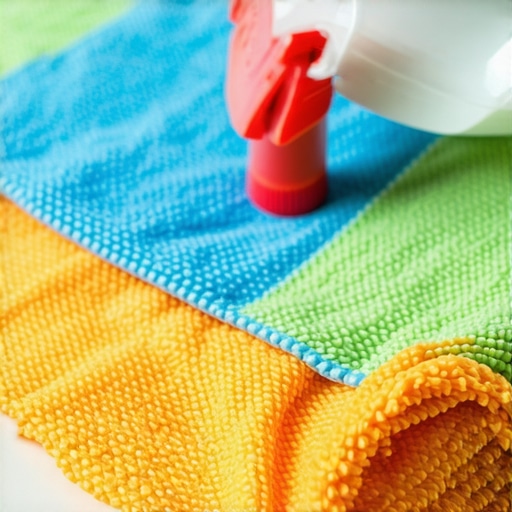 Many homeowners and office managers believe that scrubbing harder or more frequently is the key to a truly clean space. However, this persistence often leads to overlooked nuances that undermine actual cleanliness. For instance, a widespread myth is that using bleach or harsh chemicals guarantees thorough disinfection. While potent, overreliance on these substances can damage surfaces and leave residues that attract more dirt over time. According to microbiologist Dr. Jane Smith, “Proper cleaning is about targeted effort with suitable agents, not brute force.” Another misconception is that regular vacuuming or dusting alone suffices; in reality, neglecting high-touch areas or hidden corners allows bacteria and allergens to persist. For example, many overlook behind appliances or inside vents, which serve as germ hotspots. Consequently, advanced mistakes include inconsistent sanitizing practices and ignoring contamination sources beneath the surface. When cleaning offices or homes, the goal should be removing organic material first, then applying disinfectants properly. Using a quality guide like [deep cleaning secrets](https://purexhousecleaning.com/deep-cleaning-sanitizing-strategies-for-a-safe-trustworthy-space) can help refine your approach. But an often unnoticed nuance is the importance of contact time—disinfectants must stay on surfaces for recommended durations to be effective. Rushing the process or spraying and immediately wiping can leave germs behind, rendering efforts ineffective. Consider this: even professional cleaning services emphasize the importance of dwell time, as cited in recent studies published by the CDC. An additional trap is believing that cleaning is a one-and-done task; in truth, thorough sanitation requires persistent maintenance and understanding of germ life cycles. To master this, explore [expert cleaning techniques](https://purexhousecleaning.com/secrets-of-expert-house-cleaners-for-a-pristine-environment-with-ease), which highlight nuanced methods that go beyond basic routines. So, let’s dig deeper—what errors have you encountered in your cleaning routine? Comment below, and remember, effective sanitation involves understanding these subtle but critical details.Maintaining a consistently clean environment relies heavily on the right tools and a disciplined approach. Personally, I swear by a few key pieces of equipment that have transformed my cleaning routine from tedious to efficient. For deep cleaning, I primarily use a **HEPA-filtered vacuum cleaner** like the **Dyson V11**, which I chose for its powerful suction and ability to trap microscopic allergens. Its cordless design allows me to move freely, reaching under furniture and into tight corners without hassle. Additionally, I employ **microfiber cloths** for dusting surfaces; they’ve proven to trap more dust and allergens compared to traditional cloths, significantly reducing airborne particles, which aligns with insights from [deep cleaning secrets](https://purexhousecleaning.com/deep-cleaning-secrets-for-a-germ-free-home-in-2025). For sanitizing, I rely on an **ultraviolet (UV) sterilizer wand**—a game-changer for quick surface disinfection, especially in high-touch areas. These tools are not just for convenience but are scientifically validated to enhance sanitation effectiveness.
Looking ahead, I predict that automation will play an even larger role. Smart robotic cleaners with AI-driven mapping and scheduling will become more affordable and sophisticated, making daily maintenance almost effortless. Imagine a robot that not only vacuums but also disinfects regularly, reducing the burden on us humans.
#Question How do I maintain these tools over time? Regular maintenance is key to longevity and performance. For instance, I clean and replace the filters in my vacuum every 3 to 6 months, following manufacturer guidelines, to ensure optimal airflow and allergen removal. Microfiber cloths should be washed after each use and replaced when they become frayed; this preserves their dust-trapping ability. UV sterilizer wands require occasional bulb replacements and cleaning of the outer surface to prevent dust buildup that can diminish UV output. To keep everything running smoothly, I recommend creating a simple schedule: check filters monthly, wash cloths weekly, and inspect your UV devices quarterly. Proper care extends the lifespan of your tools and maintains their efficiency.
Incorporating these tools into your routine will not only enhance your cleaning effectiveness but also provide peace of mind—knowing that you’re actively reducing allergens and germs. Want a more comprehensive setup? Explore [the ultimate deep clean routine for busy households](https://purexhousecleaning.com/the-ultimate-deep-clean-routine-for-busy-households) to integrate these tools seamlessly into your schedule. Take a moment now to assess your current equipment—perhaps it’s time to upgrade or maintain your tools for long-term success. Remember, consistent care for your cleaning devices is just as important as the cleaning process itself.
Over the years, I realized that the deepest cleans came not from brute force but from understanding subtle nuances most homeowners overlook. The biggest lesson I learned was that consistent, targeted efforts—like properly sanitizing high-touch surfaces and paying attention to hidden dust traps—are essential for maintaining a truly healthy environment. Embracing innovative tools, like UV sterilizers and HEPA vacuums, transformed my cleaning routine, but it’s equally vital to keep these tools in top shape with regular maintenance. The most profound insight? Combining science-backed techniques with disciplined habits creates a space that’s not only spotless but genuinely safer for everyone. Remember, the true power of effective cleaning lies in small, intentional actions done consistently—they add up to remarkable results that you can trust. Ready to take your cleaning to the next level? Dive into the resources I trust and start implementing these expert tactics today.