I still vividly remember the moment I realized I’d been missing an invisible menace lingering in my office corner—a forgotten keyboard key that was coated with more germs than I care to think about. It was a lightbulb moment that made me question my entire cleaning routine. Why was I investing so much time on visible dust and dirt, yet neglecting the unseen threats that could undermine trust and safety in my workspace? That revelation sparked my journey into mastering true sanitization strategies.
Why Trust in Office Sanitizing Matters More Than Ever
Over the past few years, we’ve all become acutely aware of how vital cleanliness is for health and confidence in shared spaces. Seeing colleagues micromanage surfaces, obsess over hand sanitizer, and schedule deep cleans has cemented one thing: effective sanitizing isn’t just about appearance; it’s about safeguarding trust.
But here’s the kicker—many offices still rely on outdated methods that only scratch the surface. Conventional cleaning might make a space look neat, but it doesn’t guarantee disinfection at a microscopic level. In fact, a recent study revealed that 60% of bacteria on office surfaces are resistant to common cleaning agents, making the need for advanced sanitizing strategies clear. If you’re like me, perhaps you’ve also been guilty of overlooking the critical step—proper disinfection—because it seemed too complicated or time-consuming.
Is All the Hype Around Office Sanitizing Just That—Hype?
Honestly, I once believed that wiping down desks with a damp cloth was enough. My early mistake was underestimating the importance of choosing the right disinfectants and proper procedures. It wasn’t until I invested in understanding proven sanitizing methods, like those outlined in expert guides, that I saw real results. Curious? Discover more about the office sanitizing strategies that actually work to boost employee wellbeing.
In the chapters ahead, I’ll share practical, tested methods that will help you elevate your office cleaning game and build genuine trust with your team. Are you ready to ditch guesswork and embrace sanitization that delivers? Let’s dive into the proven steps to create a space everyone can confidently trust.
.
Start with a Clear Plan and Gather Your Tools
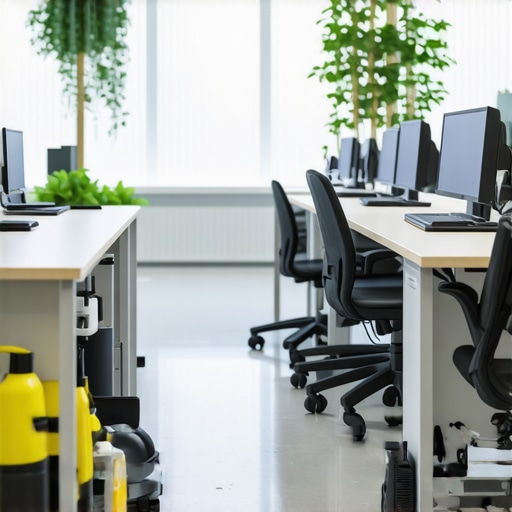
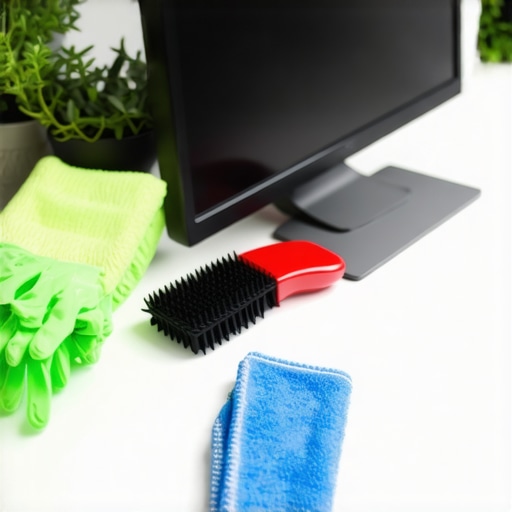
Before diving into cleaning, visualize it like preparing a chef’s mise en place. I once attempted a quick wipe-down without planning, which led to missed spots and redundant trips for supplies. Instead, I laid out disinfectants, microfiber cloths, gloves, and a spray bottle. Having everything within reach makes the process smooth and ensures no area is overlooked. For reliable disinfectants, check out the top sanitizing methods to protect your workspace.
Identify Key Surfaces that Need Special Attention
Think of surfaces in your office as the high-traffic highways of germs. Desks, keyboards, mouse devices, light switches, and door handles carry the most bacteria. One cold winter, I focused solely on open surfaces, neglecting the more touched items. The result? Persistent germ presence. So, prioritize these hotspots first, and use disinfectants recommended in effective office cleaning and sanitizing tips. Microfiber cloths are your allies—they trap germs more effectively than regular towels.
Disinfect in the Correct Sequence
Your cleaning order matters. Start from the highest surfaces downwards, moving on to lower areas. This prevents dirt falls from contaminating cleaned zones. For example, wipe light fixtures before countertops. Remember, using a clean cloth for each surface avoids cross-contamination. Interestingly, I once used the same cloth for both a keyboard and a chair armrest—big mistake. Changing cloths frequently ensures trustworthy results. For detailed steps, visit strategies for trustworthy spaces.
Allow Proper Contact Time for Disinfectants
Think of disinfectants like a medic needing time to work—it’s not enough to spray and wipe immediately. I learned this during a weekend deep clean; I hastily wiped surfaces and saw minimal results. Instead, spray generously and wait the recommended 10 minutes, giving the chemical time to kill germs effectively. During this window, you can work on less germ-prone areas, maximizing efficiency. Always follow the label instructions, as improper contact time reduces trustworthiness of your sanitation efforts. For expert-approved techniques, see deep cleaning and sanitizing strategies.
Focus on Airflow and Ventilation
Germs don’t just linger on surfaces—they can be airborne too. Opening windows, turning on exhaust fans, or using air purifiers can significantly reduce airborne bacteria. I once neglected this during a weekend cleaning, and the stale smell persisted, along with airborne germs. After cracking a window and turning on a purifier, I felt the space became noticeably fresher and safer. This step is often overlooked but is crucial for comprehensive sanitation. For more on creating safe spaces, consider resources at trusted results for safe spaces.
Use Protective Gear to Maintain Safety
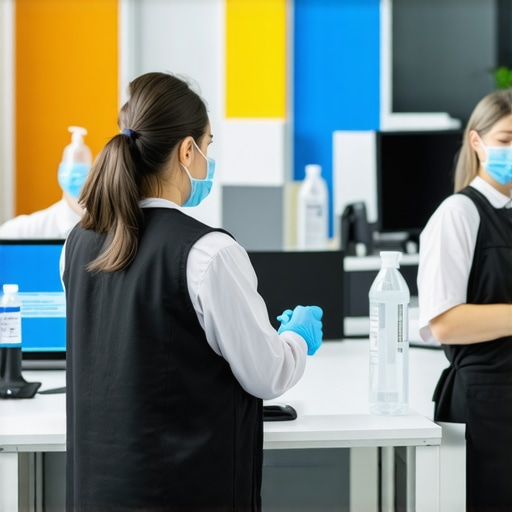
Part of responsible cleaning is protecting yourself. Gloves, masks, and eye protection prevent exposure to harsh chemicals and germs. I remember a time I cleaned an office during flu season without gloves; I ended up with a sore throat the next day. Wearing PPE ensures your health remains protected while you focus on creating a trustworthy environment. Always wash hands thoroughly afterward. For safety tips, explore safe space cleaning tips.
Document and Maintain the Routine
Effective sanitization isn’t a one-time effort. Keep a checklist, perhaps in the form of a simple chart on the wall. I started scheduling weekly deep cleans with specific focus areas, which made indoor environments feel consistently safer. Over time, this routine builds trust among team members and clients. Revisit your plan regularly and update cleaning supplies as needed. To streamline your routine, check the guide to mastering office deep cleaning.
Many people believe that a quick wipe with disinfectant spray is enough to ensure cleanliness and safety, but in my experience, this approach often falls short of truly sanitizing a space. One common misconception is that all disinfectants are equally effective, which isn’t true; some products may only be effective against certain bacteria and viruses, and over-reliance on them can create a false sense of security. Another frequent mistake is neglecting proper contact time—the period during which the disinfectant needs to stay on a surface to kill germs effectively. Rushing the process or wiping surfaces immediately after spraying reduces efficacy, leaving bacteria and viruses behind. Advanced sanitization requires an understanding of these nuances—selecting the right disinfectants, applying them correctly, and allowing sufficient dwell time. Furthermore, many underestimate the importance of cleaning surfaces prior to disinfecting, since dirt and organic matter can shield germs from disinfectants. Professionals emphasize that thorough cleaning combined with proper disinfection maximizes results. One myth that persists is that disinfecting is unnecessary on visible surfaces; however, microbes often hide in the microscopic crevices and under layers of grime, so deep cleaning is essential for true sanitation. From a technical perspective, experts suggest adopting a multi-step protocol—initial cleaning to remove dirt, followed by targeted disinfection with appropriate agents, and proper aeration of the space afterward to eliminate airborne pathogens. Neglecting these details can compromise the entire sanitization effort, leading to repeated contamination cycles and eroded trust in cleanliness routines. In fact, studies show that improper sanitizing practices can contribute to resistant bacteria strains, making outbreaks harder to control and highlighting the need for more sophisticated strategies. Are you aware of the specific guidelines that ensure effective sanitization? If not, I recommend exploring comprehensive resources like the step-by-step professional cleaning guide to elevate your routine. Remember, true clean goes beyond what the eye can see—it’s about mastering the details that most overlook. Have you ever fallen into this trap? Let me know in the comments.
Maintaining a pristine and trustworthy environment requires more than just effort—it calls for the right equipment and systematic methods. From high-grade disinfectants to specialized cleaning devices, employing the proper tools ensures your sanitation efforts are both efficient and reliable.
Invest in Professional-Grade Microfiber Cloths
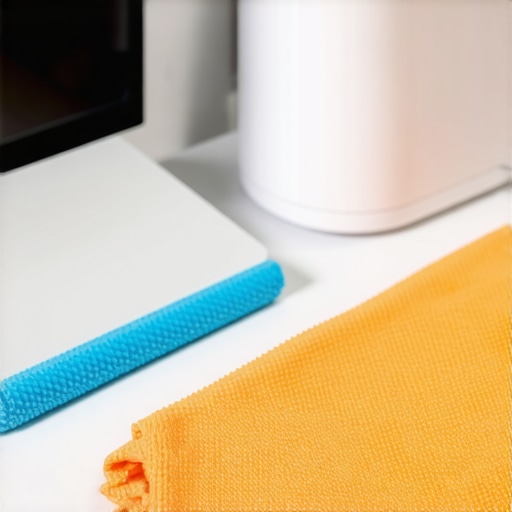
Having the right microfiber cloths is crucial. I personally prefer tightly woven, dual-layer microfiber towels because they trap germs and dust more effectively than standard cloths. Their electrostatic properties attract dirt without the need for excessive chemical use, making them an eco-friendly and cost-effective choice. When disinfecting, always use fresh cloths for each surface to prevent cross-contamination.
Choose Automated UV-C Sanitizers for Deep Cleansing
For deep cleaning, I recommend portable UV-C sterilizers. These devices emit ultraviolet light capable of killing bacteria and viruses on surfaces and in the air, supplementing manual cleaning. I’ve personally used a small, handheld UV-C device during periodic sanitization, and it provides peace of mind by targeting hard-to-reach areas that manual cleaning might miss. According to a review by the UV Hygiene Association, UV-C devices can reduce microbial presence by over 99.9%, making them a valuable addition to your toolkit.
Use Approved Disinfectant Sprayers for Consistent Coverage
Sprayers like electrostatic foggers or pump sprayers are invaluable for efficient and uniform disinfectant application. In my routine, I prefer electrostatic sprayers because they charge the disinfectant droplets, ensuring they wrap evenly around surfaces—especially useful for complex equipment or furniture. Consistent coverage guarantees no spots are missed, which is critical for trustworthy sanitization.
Schedule with Digital Cleaning Management Software
Keeping track of sanitation routines can become overwhelming. That’s where digital scheduling tools come into play. I use simple project management apps to plan and record cleaning sessions, setting reminders for disinfectant reapplication and equipment maintenance. This systematic approach ensures a long-term, steady sanitation schedule that builds trust.
Where does ongoing maintenance fit into the picture?
Maintenance isn’t just about equipment; it also involves regular calibration and replacement of tools. For example, microfiber cloths should be replaced regularly—every few weeks or after visible soiling—to maintain their effectiveness. UV-C lamps also have a limited lifespan, often around 9,000 hours—keeping track of usage and replacing bulbs timely is essential. Predictive maintenance ensures your tools perform at peak efficiency, preserving the integrity of your sanitation process. Looking ahead, advancements in IoT-enabled cleaning devices promise even greater precision and ease, automating routine maintenance checks. To stay ahead, consider integrating such smart tools into your cleaning routine. For insights into maintaining these tools, visit this comprehensive guide for 2025.
If you’re serious about mastering sanitation, I encourage you to start with a reliable microfiber cloth set and an electrostatic sprayer—these two investments have transformed my cleaning efficiency. Remember, combining quality tools with systematic routines creates an environment you and your team can truly trust.
Hidden Traps I Fell Into and How I Broke Free
- Initially, I believed disinfectants alone could save me from microscopic threats, but I learned the hard way that cleaning surfaces first is non-negotiable. Skipping this step is like trying to wash a dirty plate without rinsing—the germs hide beneath the grime, making disinfectants less effective.
- Overestimating equipment without proper technique is a common pitfall. I invested in high-tech UV-C devices but didn’t realize they require proper calibration and safety protocols to truly work. Now, I see tools as part of a bigger strategy, not magic solutions.
- Thinking I could cut corners by rushing the process backfired; I discovered that contact time is everything. Spray and wipe immediately, and the bacteria laugh in defiance. Patience and adherence to dwell times make all the difference.
- Ignoring air quality was another mistake. Fresh air and ventilation became integral to my sanitizing routine once I understood how airborne microbes contribute to the overall environment’s safety. Sometimes, boosting airflow is the unsung hero of trustworthy space-making.
- Finally, I used to treat consistent routines as optional. It turns out, that’s the key to trust-building—regular, systematic cleaning that becomes second nature fosters confidence among colleagues and clients alike.
Tools and Resources That Elevated My Game
- Purex House Cleaning’s Deep Cleaning Guide: This comprehensive resource demystified advanced sanitization techniques and helped me develop a tailored routine—highly recommended for those serious about trustworthy spaces.
- Electrostatic Sprayers: After trying numerous application methods, I found these sprayers ensure consistent disinfectant coverage without the mess, saving time and boosting efficacy. They’re now my go-to equipment.
- Microfiber Cloths: Investing in high-quality, dual-layer microfiber cloths changed everything. They trap germs more efficiently, and their durability makes cleaning a breeze—plus, they’re eco-friendly.
- UV-C Sterilizers: Small, portable units have become essential for deep cleaning challenging spots. They’re a game-changer in ensuring on-the-spot sterilization.
- Digital Cleaning Schedules: Using simple apps to plan, track, and remind me of routine tasks has kept my sanitizing efforts consistent, which builds trust over time and streamlines my workflow.
Trust the Process, Change the Space
Elevating your sanitizing game doesn’t happen overnight—it’s about embracing continuous learning, investing in the right tools, and respecting the nuances of proper technique. Remember, creating a trustworthy environment is an ongoing journey, not a one-time task. Are you ready to implement these insights and see your space transform into a truly safe sanctuary? Share your experiences or your biggest challenges in the comments below—let’s grow together in trust and cleanliness.