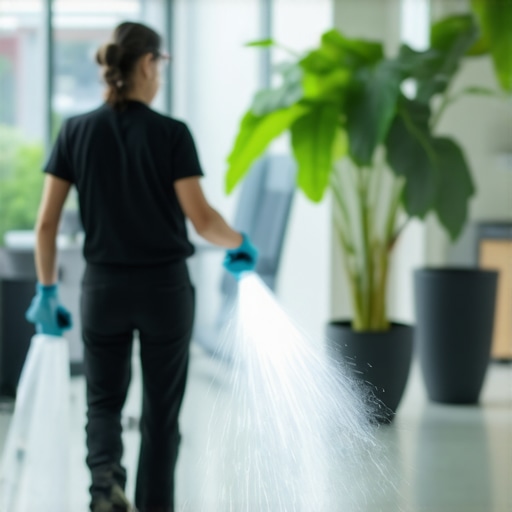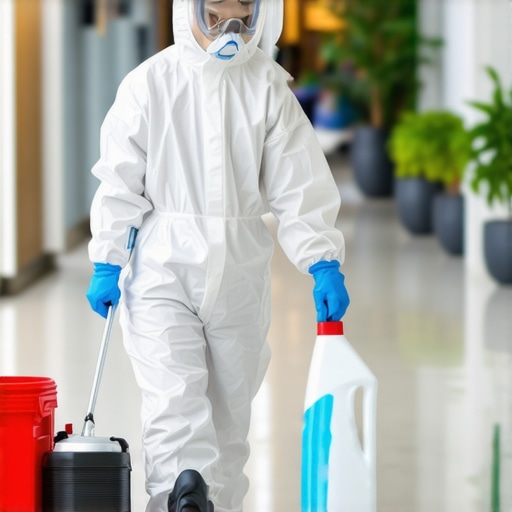
I remember the moment it hit me—walking into my home after a busy week, only to realize that no matter how much I cleaned, something still felt off. The surfaces looked spotless, but I could still smell that faint, lingering scent of dust and unseen germs. It was then I understood: surface cleaning alone isn’t enough anymore. I was missing a crucial step, and it was compromising my health and peace of mind.
Why Deep Cleaning and Sanitizing Matter More Than Ever
In today’s world, maintaining a truly clean and safe environment isn’t just about appearances—it’s about trust. Whether at home or in the office, we need strategies that go beyond the surface. The truth is, bacteria, viruses, and allergens can hide in places we don’t see, making regular cleaning insufficient. According to the CDC, thorough sanitation can significantly reduce the risk of illness—yet many of us overlook the importance of deep cleaning techniques that eliminate these hidden threats.
If you’ve ever felt overwhelmed trying to keep everything sparkling while wondering if you’re actually doing enough, you’re not alone. I used to think wiping down surfaces was enough, but I was making a mistake early on—skipping the deep cleaning process. That mistake taught me the importance of adopting a comprehensive approach, blending effective sanitizing with deep-cleaning routines. Now, I want to share what I’ve learned so you can feel confident that your space is truly safe.
Have You Faced This Cleaning Dilemma?
Ever spent hours scrubbing, only to worry if you’re missing the germs hiding in unseen corners? Or wondered whether your current cleaning routine provides lasting results? If so, keep reading. We’re about to dive into proven strategies that will transform your cleaning efforts from superficial to deeply effective, ensuring your space is genuinely safe and trustworthy.
To get started on the right foot, I recommend exploring essential house cleaning tips that set the foundation for a spotless environment. But for real peace of mind, we need to go further—embracing deep cleaning and sanitizing techniques that eliminate those stubborn germs once and for all. Ready to learn the secrets that can make your space not just clean, but truly safe? Let’s get into it.
Start with the Basics of Deep Cleaning
Begin by tackling the less obvious areas that accumulate dirt and germs over time, such as behind appliances, beneath furniture, and inside vents. I remember once spending an entire Saturday moving furniture to clean under and behind it, discovering layers of dust and allergens I hadn’t seen before. This step is crucial because surface wipes only scratch the surface, literally and figuratively. For detailed guidance, check out deep cleaning secrets.
Use the Right Tools and Products
Invest in high-quality microfiber cloths, scrub brushes, and powerful yet safe cleaning agents. Microfiber traps bacteria effectively, making your efforts more efficient. When choosing disinfectants, opt for EPA-registered products proven to eliminate viruses and bacteria. I once used a diluted disinfectant spray with a microfiber cloth on my kitchen cabinets, and the difference was immediate—surfaces looked cleaner and smelled fresher. For sanitizing hacks tailored to allergens, review effective sanitizing hacks.
Deep Clean Every Surface Methodically
Work systematically from top to bottom and left to right. Start with ceilings, light fixtures, and vents, then proceed to walls, furniture, and finally floors. I once dedicated a Sunday to deep cleaning my living room, starting with ceiling fans, then moving to baseboards and upholstery. This thorough approach ensures no spot is missed. Use appropriate cleaning solutions for each surface—glass cleaner for windows, wood polish for furniture, and tile cleaner for bathroom surfaces. Remember, different areas require different products for safe and effective cleaning.
Sanitize to Eradicate Hidden Germs
After deep cleaning, apply a trusted sanitizer to all high-touch areas like doorknobs, light switches, and remote controls. This step is vital because these spots are hotspots for germ transfer. I learned this the hard way when I missed sanitizing my fridge handle, leading to a minor cold outbreak at home. Use top sanitizing methods for lasting trust in your environment.
Allow Proper Drying Time
Let cleaned and sanitized surfaces dry completely before use. This step ensures disinfectants work effectively and prevents recontamination. I once hurried through cleaning and re-used my kitchen immediately, only to find streaks and residual moisture that attracted more dust. Patience here pays off, especially in high-traffic areas.
Maintain Consistent Routine
Deep cleaning isn’t a one-off task. Schedule it regularly—monthly or quarterly depending on your space’s usage. Incorporate quick daily surface wipes to keep germs at bay and protect your space consistently. For a comprehensive routine, see ultimate deep clean routine.
Many people believe that surface cleaning with standard disinfectants is enough to keep their environment safe. However, this is a misconception that can lead to overlooked risks. While regular wiping is essential, the real nuance lies in understanding the limits of superficial cleaning and the importance of targeted deep cleaning techniques.
One prevalent myth is that using any disinfectant guarantees complete sanitation. In reality, the effectiveness of a disinfectant depends on its proper application, contact time, and the type of pathogen you’re targeting. Many DIY cleaners fall short because they aren’t EPA-registered or aren’t used correctly, leading to a false sense of security. For trusted results, it’s crucial to select products proven to eliminate viruses and bacteria, and follow the manufacturer’s instructions meticulously. To master this, review top sanitizing methods.
Another trap is thinking that deep cleaning should only be done when something visibly looks dirty. In fact, pathogens and allergens can hide in unseen corners, vents, and beneath surfaces, making regular thorough routines indispensable. Neglecting these hidden spots can allow germs to thrive, especially in high-traffic areas.
What advanced techniques can help achieve comprehensive sanitation?
Advanced cleaning involves using tools like HEPA vacuums for dust and allergens, and applying steam cleaning or UV sterilization for sensitive areas. These methods reach places traditional cleaning might miss, providing a more holistic approach. Professional-grade equipment and knowledge of surface-specific cleaning products make a difference. For a step-by-step guide to elevate your routine, explore professional cleaning strategies.
Many overlook the importance of drying surfaces thoroughly after cleaning, which can undermine even the best efforts. Residual moisture can promote mold growth and recontamination. Patience and proper drying are often underestimated but are critical for lasting results.
Have you ever fallen into this trap? Let me know in the comments. Remember, true cleanliness combines diligent routine, correct product use, and advanced techniques to ensure your space remains genuinely safe and trustworthy.
Keeping your cleaning efforts effective over time requires the right tools and a strategic approach. Personally, I rely heavily on high-quality microfiber cloths because they trap bacteria more efficiently than traditional rags, and they can be washed and reused multiple times, making them both eco-friendly and cost-effective. For stubborn grime and deep dirt, I prefer scrub brushes with ergonomic handles, which allow for better leverage and reach into tight corners, ensuring no spot is left untouched.
When it comes to disinfectants, I always choose EPA-registered products, such as those containing sodium hypochlorite or hydrogen peroxide, because their efficacy is scientifically proven against a broad spectrum of pathogens. I apply these with spray bottles that have adjustable nozzles, allowing me to control the spray pattern and avoid waste. For delicate surfaces like electronics or soft furnishings, I opt for steam cleaners; they use high-temperature vapor to sanitize without chemicals, aligning with the future trend of chemical-free cleaning solutions.
To monitor and maintain your sanitation standards, investing in a digital checklist app or a dedicated cleaning schedule planner can help you stay consistent. I personally use a customizable app where I log each deep cleaning session, ensuring I don’t overlook any areas and that I adhere to my routine. This long-term method not only keeps my environment safe but also reduces stress, knowing everything is accounted for.
How do I maintain my cleaning tools over time?
Proper maintenance of your cleaning tools is essential for their longevity and continued effectiveness. Microfiber cloths should be washed after each use with hot water and a mild detergent to eliminate bacteria and prevent odors. Avoid fabric softeners, as they can coat fibers and reduce their trapping ability. Scrub brushes need to be disinfected weekly by soaking them in a bleach solution or running them through a hot water cycle in the dishwasher if they’re dishwasher-safe. Steam cleaners should be checked for mineral buildup; descaling them with vinegar or manufacturer-recommended descalers ensures they operate at peak efficiency. Regularly replacing worn-out tools, such as microfiber cloths or brushes, is vital because damaged tools can harbor bacteria and compromise your cleaning routines.
Looking ahead, the integration of smart cleaning devices—like robotic vacuums with UV sterilization capabilities—is poised to revolutionize how we maintain trust in our environments. These devices can be scheduled and monitored remotely, providing continuous sanitation without manual effort, making it easier than ever to keep your space safe and clean.
To optimize your cleaning process, try incorporating a high-quality microfiber cloth into your routine today. It’s a simple upgrade that can drastically improve your results and ensure your environment stays truly clean. For more advanced strategies, explore this comprehensive cleaning guide and elevate your cleaning game.
The Hardest Lesson I Learned About Trusting Your Cleaning Routine
One of the biggest realizations I had was that superficial cleaning only creates an illusion of safety, not genuine cleanliness. I used to believe that wiping surfaces was enough, but I discovered that germs hide in unseen corners and beneath surfaces, waiting to recontaminate. The lightbulb moment came when I realized that trusting surface cleaning alone was a false security that could jeopardize health. Deep cleaning taught me to focus on hidden spots and use the right tools, which truly transformed my environment and my peace of mind.
My Essential Toolkit for Real Cleanliness
Over time, I’ve curated a set of tools that make deep cleaning more effective and less stressful. Microfiber cloths are my go-to because they trap bacteria effectively and are reusable, making my routine eco-friendly. I’ve also invested in ergonomic scrub brushes that reach into tight spots, and powerful EPA-registered disinfectants for maximum germ elimination. For sensitive surfaces, I rely on steam cleaners that sanitize without chemicals. These tools are trusted because they deliver proven results, making my space safer and more trustworthy.
How I Stay Motivated to Keep Trust Alive
Maintaining a trusted environment is an ongoing effort. I log every deep cleaning session using a digital checklist, which keeps me accountable and ensures no spot is overlooked. Regular maintenance of my tools, like washing microfiber cloths after each use and disinfecting brushes weekly, prolongs their effectiveness. I’m also excited about future tech—smart robotic vacuums with UV sterilization that can schedule and monitor cleaning—making trust in my environment easier to sustain. Small daily routines combined with periodic deep cleans keep my space reliably safe and trustworthy.
What’s Your Next Step Toward Trustworthy Cleaning?
Now that I’ve shared my journey, I encourage you to evaluate your cleaning routine. Are there hidden corners or overlooked items that could harbor germs? Incorporate deep cleaning techniques and trusted tools into your routine to build lasting trust in your environment. Remember, real cleanliness is a continuous process that pays off in health and peace of mind. Ready to take the next step? Share your thoughts or ask questions below—let’s build a safer space together!
![How to Hire Deep Cleaning Services Without Getting Scammed [2026]](https://purexhousecleaning.com/wp-content/uploads/2026/02/How-to-Hire-Deep-Cleaning-Services-Without-Getting-Scammed-2026.jpeg)