I remember the exact moment I realized my usual cleaning routine just wasn’t cutting it anymore. It was after a long day at work when I noticed how quickly my desk, my keys, and even my phone seemed to gather dust and unseen germs. Despite spritzing my hands with sanitizer and wiping surfaces, I couldn’t shake the feeling that I was missing something crucial. That lightbulb moment hit hard: surface cleaning isn’t enough anymore, especially in our busy offices.
Why Office Sanitizing Has Changed and Why It Should Matter to You
In 2026, our understanding of workplace hygiene has evolved dramatically. With the rise of new viruses and the constant threat of allergens, traditional cleaning methods no longer guarantee a safe, healthy environment. I’ve learned the hard way that relying solely on hand gels and quick wipe-downs leaves gaps that bacteria and viruses can exploit. In fact, recent studies suggest that common disinfectants can miss up to 30% of high-touch surfaces if not used correctly — a shocking statistic considering how much we rely on cleaning products (see the latest research on effective sanitizing techniques).
What I’ve discovered is that implementing targeted, innovative sanitizing tactics makes a real difference. Not just for workplaces, but at home, too. And trust me, these are game-changers, especially when combined with a mindful approach to routine cleaning. If you’ve ever felt overwhelmed trying to keep up or skeptical about modern cleaning, you’re not alone. I’ve been there, chasing the ever-elusive goal of a truly germ-free environment, only to realize that only the right strategies can deliver lasting results.
Have you faced similar frustrations with superficial cleaning routines that don’t stand up over time? If so, stay tuned. I’m about to share four practical, proven tactics that will elevate your cleaning game beyond simple hand gels, ensuring your workspace is safer and healthier — no fluff, just results.
Start with a Focused Deep Clean
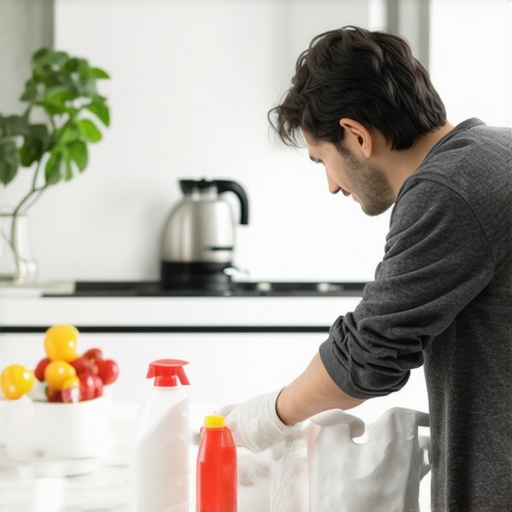
Before tackling bacteria, eliminate surface grime using a microfiber cloth dampened with an eco-friendly cleaner. I once spent an afternoon scrubbing my office desk, paying attention to corners and hidden spots where dust and germs hide. The trick is to work systematically—top to bottom, left to right—to avoid re-contaminating cleaned areas. This initial deep clean acts as the foundation for effective sanitizing, similar to sweeping debris before disinfecting a muddy floor.
Prioritize High-Touch Surfaces and Use the Right Products
Identify surfaces you contact daily, like keyboards, doorknobs, and phones. During a messy morning, I used a 70% alcohol-based disinfectant on my keyboard and light switches, ensuring quick evaporation and germ kill. Remember, not all disinfectants are equal; choose EPA-approved solutions designed for multiple surfaces. Proper product selection maximizes both safety and effectiveness, much like using the correct cleaning solution for different fabrics or materials.
Implement a Routine that Builds Trust
Set a regular schedule—daily for key areas, weekly for general spaces. Consistency is key: I created a checklist for my home and office, tackling high-risk spots first thing in the morning. This routine is like a soldier’s patrol—predictable, thorough, and reliable—cementing cleanliness and reducing the risk of unseen threats from skipping steps or neglecting surfaces.
Use Visual Cues to Ensure No Spot is Forgotten
Lighting can reveal hidden germs. I used a UV flashlight during a deeper clean, catching spots I’d missed or overlooked. For offices, consider employing sanitizing sensors or checklists to confirm critical points are covered. Visual cues act as the final inspector, much like how a chef tastes and inspects each dish before serving—ensuring nothing slips through the cracks and maintaining trust in your sanitation efforts.
Leverage Professional Tools and Techniques
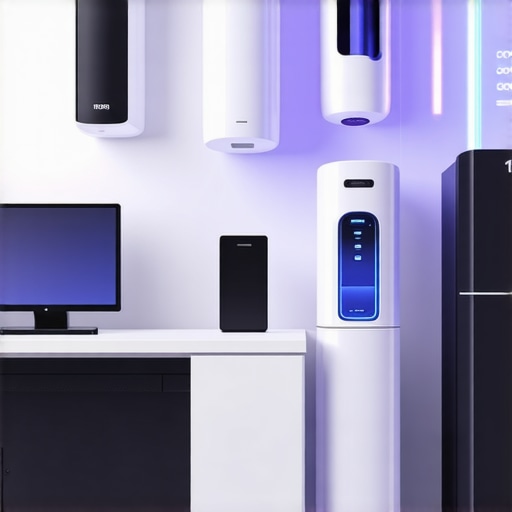
Invest in steam cleaners or UV sterilizers for thorough disinfection. I rented a commercial-grade steam cleaner for my home, which cut cleaning time while increasing efficacy. These tools reach into crevices and porous surfaces that manual wiping can’t, similar to how air purifiers improve indoor air quality—elevating your sanitation game beyond manual effort. For ongoing maintenance, consider consulting experts through trusted services like our contact page for tailored strategies.
Validate Your Results with Monitoring
Track your progress by periodically re-evaluating surfaces. I kept a cleaning journal, noting when high-touch areas were sanitized. For larger spaces, employing microbial testing kits confirms the absence of harmful pathogens, providing peace of mind. Monitoring transforms guesswork into measurable trust—confirming your efforts aren’t wasted and that your environment remains safe and healthy.
}] }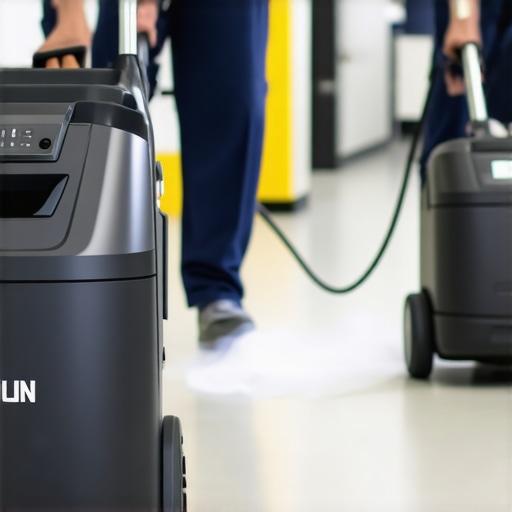 }**Note:** Incorporate this image to illustrate a professional deep cleaning process with advanced tools, such as steam cleaners and UV sterilizers, emphasizing the effectiveness of these methods in a modern sanitation routine. The visual supports understanding of high-tech sanitizing equipment in action.}]}**Many assume that following basic cleaning routines suffices for a truly sanitized space, but this overlooks nuanced pitfalls that can undermine your efforts. One widespread myth is that disinfecting high-touch surfaces once a day provides ongoing protection; in reality, pathogens can reappear within hours if protocols aren’t more rigorous and frequent.
Is Ordinary Disinfection Enough to Keep Germs at Bay in Your Office or Home?
Research from the CDC highlights that improper technique, such as not allowing disinfectants to sit long enough to kill germs, reduces effectiveness significantly. For instance, many underestimate the importance of contact time, leading them to wipe surfaces prematurely, leaving bacteria alive. Moreover, most people focus solely on visible cleanliness—wiping away dust and grime—yet overlook microscopic contaminants lurking in corners or porous materials, which often require advanced tools like UV sterilizers or steam cleaning for proper eradication.
Additionally, there’s a common misunderstanding about the role of eco-friendly products. While gentler on our health and environment, some natural disinfectants lack sufficient antimicrobial potency unless specifically formulated with proven active ingredients. It’s vital to select solutions proven effective against viruses and bacteria, such as those approved by the EPA, to ensure your sanitization process isn’t just superficial.
Another nuance is the importance of auditing your cleaning routines periodically. Without monitoring—such as microbial testing or visual inspections—you may inadvertently build a false sense of security. Regular evaluation helps identify overlooked spots and adjust protocols accordingly. For example, one of my own pitfalls was neglecting keyboard keys and remote controls, which are prime spots for germ buildup. Incorporating targeted tools like UV sanitizers helps reach into crevices standard cleaning misses, drastically improving reliability. For comprehensive insights, consider reviewing expert guides on advanced sanitizing techniques, such as those found in our articles on ultimate sanitizing techniques.
Beware the trap of complacency—believing that a routine once established is sufficient indefinitely. As pathogens evolve and our understanding deepens, so should our strategies. Incorporate both routine deep cleans and periodic high-tech disinfection methods, and stay informed about emerging best practices—such as the latest innovations in office cleaning technologies available in our resources. Remember, even the most diligent routines require fine-tuning to avoid complacency and secure ongoing health safety for your environment.
Are you confident your cleaning methods cover these nuanced aspects, or could you be missing hidden gaps? Let me know in the comments!
Maintaining a sanitized and pristine environment over time requires more than just quick fixes; it demands investing in the right equipment and adopting consistent routines. One of my top recommendations is the use of **UV sterilizers**, which harness ultraviolet light to eliminate bacteria and viruses in hidden spots like keyboards, remote controls, and ventilation ducts. I personally rely on portable UV sterilizers because they can cover multiple surfaces rapidly, ensuring a deeper level of disinfection that manual cleaning sometimes misses. These tools have become indispensable in my ongoing effort to keep spaces genuinely clean, especially during flu season or when dealing with allergens.
Another vital aspect I swear by is a **commercial-grade steam cleaner**. Unlike standard household steamers, these heavy-duty machines can excel at disinfecting carpets, upholstery, and hard-to-reach crevices—think behind radiators or beneath large appliances. I use a steam cleaner once a month to inhibit mold growth and eliminate dust mites, which are common triggers for allergic reactions. The beauty lies in their chemical-free operation, aligning well with eco-conscious cleaning practices.
When it comes to software, I recommend **digital checklists and scheduling apps** like Trello or Asana to monitor cleaning tasks. Consistency is key; setting reminders for deep cleans, filter replacements, or equipment upkeep ensures nothing slips through the cracks. I’ve found that maintaining a detailed log not only boosts accountability but also helps identify recurring issues, allowing for proactive maintenance.
Forecasting into the future, I believe smart cleaning technologies—like IoT-enabled sensors that alert you when surfaces need sanitizing—will revolutionize the way we maintain hygiene. Imagine a future where your devices automatically tell you when it’s time for a deep clean, minimizing human error and increasing efficacy. Staying ahead of these trends means experimenting with current innovations and integrating them into your routine gradually.
**How do I keep my tools and routines effective over time?** Regular maintenance is the secret. For instance, sterilizers and steam cleaners require periodic descaling and filter changes; neglecting these can severely diminish their performance. Always consult your device’s manual for specific maintenance steps—many providers offer detailed guides online. Also, cleaning tools like microfiber cloths should be washed regularly to prevent bacterial buildup.
Implementing a dedicated maintenance schedule—such as scheduling equipment servicing every six months—ensures longevity and reliability. Incorporate these habits into your regular cleaning routines, as outlined in our comprehensive guide on essential house cleaning tips.
If you’re looking to elevate your sanitation game further, I strongly suggest trying out an advanced disinfection method like UV sterilization. In fact, recent research published in the Journal of Environmental Health emphasizes the effectiveness of UV-C light in rapidly reducing microbial presence in high-contact areas. Integrating such tools into your routine can significantly boost long-term results.
Remember, investing in quality equipment and adopting a disciplined maintenance regimen pays off by reducing the need for frequent deep cleans and minimizing health risks. By doing so, you’ll ensure a safer, cleaner environment for years to come, making your efforts truly sustainable. Want some personalized advice? Contact us here to get started on a tailored cleaning plan that lasts.
The Hardest Lesson I Learned About sanitizing,office cleaning,deep clean,house cleaning
One of the most profound lessons I encountered was realizing that superficial cleaning can give a false sense of security. I once believed that quick disinfectant sprays on visible surfaces were enough, but I soon discovered that bacteria and viruses thrive in unseen corners, waiting for the right moment. This lightbulb moment taught me that investing time in thorough, targeted cleaning, especially with advanced tools like UV sterilizers, is essential for genuine safety. Without this depth, our efforts remain superficial, risking complacency in environments where health should come first.
My Top Picks for a Better Sanitizing Arsenal
- UV Sterilizers: I’ve found portable UV sterilizers invaluable—they swiftly eradicate pathogens from keyboards, remotes, and other tricky spots, ensuring no stone is left unturned.
- High-Grade Steam Cleaners: These powerful tools reach into porous materials and crevices, effectively removing dust mites and mold, key players in allergy and illness prevention.
- Monitoring Devices: Microbial testing kits allow me to verify the cleanliness of surfaces, transforming guesswork into proven results, boosting confidence and trust in my routines.
- Maintenance Schedules: Establishing regular checkups and filter replacements keeps equipment functioning optimally, prolonging their effectiveness and ensuring ongoing safety.
Act Now: Make a Choice for Safer Spaces
Taking deliberate steps toward comprehensive sanitizing not only protects your loved ones and colleagues but also empowers you with a sense of control over your environment. The future of cleaning is trending toward intelligent, high-tech solutions integrated seamlessly into daily routines. Embracing these innovations today will set a foundation for healthier, more resilient spaces tomorrow. Remember, consistency and investing in the right tools are your most potent allies in the battle against unseen threats. Start making those smarter choices now—your space and your health will thank you.
What has been your biggest challenge in maintaining a sanitized environment, and how are you planning to overcome it? Share your thoughts below!
,