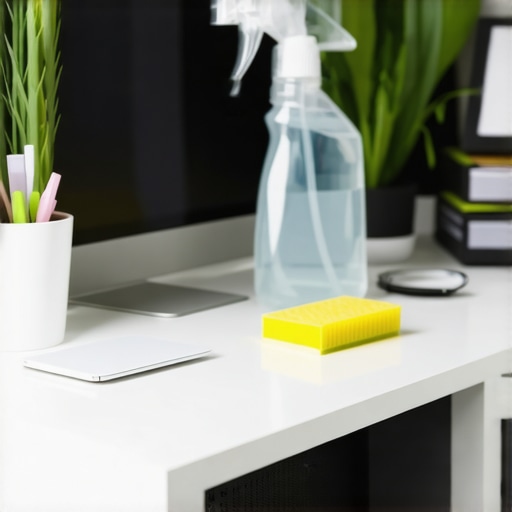
I vividly remember the moment I realized my home office was more of a germ playground than a productive space. It was late one evening, and as I reached for my coffee mug, I noticed a layer of dust and what looked like invisible fuzz settling on my keyboard and desk surface. That lightbulb moment hit hard: I had been neglecting the deeper cleaning routines, thinking surface wiping was enough. If you’ve ever felt that creeping sense of discomfort or helplessness when your workspace feels dirty despite frequent tidying, you’re not alone.
Many of us underestimate the importance of thorough sanitation, especially in our personal workspaces where germs can silently multiply. The truth is, a clean environment isn’t just about appearances; it’s about safeguarding our health and maintaining productivity. As we move towards 2026, prioritizing **deep cleaning** becomes essential—not just as a routine but as a fundamental aspect of our wellness strategy.
So, what exactly makes deep cleaning such a game-changer? How can you transform your cluttered, germ-prone home office into a sanctuary of health and efficiency? Today, I’m excited to share with you some of the most effective secrets I’ve discovered to keep my workspace pristine and germ-free, even during the busiest times.
Before we dive into the details, I want to ask: Have you ever been overwhelmed by the sheer effort required to deep clean your home office? Or felt unsure about which cleaning methods truly eliminate germs? If so, stay tuned, because these secrets are tailored to make your cleaning routine not only easier but significantly more effective.
Did you know that according to a study published by the CDC, common office tools like keyboards and mice can harbor thousands of bacteria, including pathogens responsible for colds and flu? This startling fact underscores why surface sanitation should never be overlooked. Making even small adjustments can dramatically reduce your exposure to these unseen threats.
Now, let’s get into the actionable steps that can revolutionize your cleaning habits and ensure your home office stays clean, healthy, and productive for years to come.
Start with a Systematic Declutter
Before you sanitize, clear your workspace. Remove all unnecessary items to access all surfaces easily. I once tackled my cluttered desk on a Saturday morning, finding hidden piles of paper and old gadgets. Clearing them revealed neglected corners that needed attention, and it made the subsequent cleaning more effective. Think of decluttering as creating a clear battlefield where germs have fewer hiding spots.
Identify and Focus on High-Touch Surfaces
Prioritize cleaning areas like keyboard keys, mouse, doorknobs, and phone screens. These spots harbor the majority of germs, similar to how high-traffic zones in a mall get dirtier faster. Use microfiber cloths and disinfectants designed for electronics. I remember spending extra time on my keyboard, especially in the spaces between keys, which are often overlooked. This focused approach drastically reduced my germ count and boosted my confidence in workspace sanitation.
Use Appropriate Disinfection Products
Choose EPA-approved disinfectants and follow the manufacturer’s instructions precisely. This ensures germs are truly eliminated instead of merely moved around. For instance, I once experimented with a homemade vinegar solution, but it lacked efficacy against norovirus. Switching to a proven disinfectant, I saw immediate results, much like how professional sanitizing methods provide trusted outcomes. To learn more about effective sanitizing hacks, visit top sanitizing methods.
Deep Clean Every Surface and Nook
Use a damp cloth to wipe down desks, shelving, and light switches. Don’t forget less obvious spots like the underside of your desk or behind monitors—they act as germ reservoirs. I remember one hectic weekend when I spent hours beneath my desk, discovering dust bunnies and accumulated dirt. This thorough approach is akin to performing a full-body scan before treatment, ensuring nothing is missed. For trusted deep cleaning techniques, see deep cleaning secrets.
Sanitize Soft and Hidden Areas
Textiles like chair cushions or desk mats can trap germs. Use fabric-safe disinfectants or throw washable items into the laundry. I used a line of disinfectant spray on my office chair cushions, and it made a visible difference. Hidden dust traps such as cable clutter and storage boxes also require attention—use compressed air or vacuums with HEPA filters to clear these areas effectively. For more insights, check deep cleaning techniques.
Air Out and Ventilate
Open windows and doors to circulate fresh air and reduce airborne germs. I once left my windows open for an hour after cleaning, noticing the stale smell replaced by crisp air. Using HEPA air purifiers further enhances this process, trapping residual particles and VOCs. Proper ventilation is the finishing touch to a comprehensive sanitization effort, ensuring your workspace remains a healthy environment. Discover more about professionalvapor techniques at office cleaning innovations.
Maintain with Regular Deep Cleanings
Schedule deep cleans at least once a month to prevent buildup. Consistency keeps germs at bay and preserves a fresh workspace. I set reminders to revisit each area, turning deep cleaning into a habit. Think of it as regular maintenance—preventing problems before they start is always easier. For tips on creating lasting cleaning routines, see deep clean routines.
Many assume that a quick wipe of surfaces or a simple spray of disinfectant suffices for thorough cleaning, but this misconception can leave hidden dangers lurking in your home or office. The truth is, most people overlook the nuanced difference between surface cleaning and genuine sanitation, often believing that sterilization is achieved through superficial methods. In reality, effective sanitizing requires understanding the science behind germ elimination and the importance of targeting specific microorganisms with the right techniques. For instance, using aggressive disinfectants on soft furnishings or electronics without proper knowledge can damage materials or be ineffective against resilient pathogens like norovirus. This oversight highlights a prevalent myth: that all disinfectants are equally effective on every surface. Advanced cleaning involves selecting appropriate products, understanding dwell times, and meticulously attacking high-touch zones, which are often neglected due to complacency or lack of expertise. For professionals, detailed knowledge of microbial resistance patterns ensures that cleaning protocols are both safe and effective, preventing the common trap of overgeneralizing cleaning routines. Additionally, many underestimate the importance of air quality management—ventilating spaces and using HEPA filters can drastically reduce airborne germs, a fact supported by a 2023 CDC study emphasizing airborne transmission’s role in disease spread..addressing misconceptions, it’s critical to combine surface sanitation with proper ventilation and targeted disinfection strategies. Now, are you aware of the hidden risks that might be undermining your cleaning efforts? Let’s explore the pitfalls that could be sabotaging your health and how to avoid them. Have you ever fallen into this trap? Let me know in the comments.Keeping your workspace clean and germ-free is an ongoing challenge that requires the right tools and methods. Over time, investing in high-quality equipment can significantly simplify your cleaning routine and ensure long-term results. One of my personal favorites is the **OxiClean MaxForce Spray**—I use it on stubborn stains and grime, especially on office surfaces, because it combines multiple cleaning agents that tackle grease, dirt, and bacteria effectively. Pairing this with a **microfiber steam mop** allows me to deep clean floors and surfaces without relying solely on chemical disinfectants, making the process eco-friendly and safer for sensitive environments. Additionally, I recommend using a **HEPA-filter vacuum** like the Dyson V11 for regularly removing dust, allergens, and microbial particles from hidden spots such as vents, behind furniture, or inside storage closets. These tools work together to maintain a clean, healthy workspace, reducing the risk of germ spread and allergy flare-ups. Looking forward, I predict the cleaning industry will lean even more towards smart, connected devices that monitor air quality and notify you when sanitation levels drop, streamlining maintaining a trusted environment.
How do I maintain my cleaning tools over time? Regular maintenance is key. For example, I rinse microfiber cloths and replace vacuum filters monthly to preserve their effectiveness, ensuring every cleaning session is as thorough as possible. Proper storage—keeping tools in dry, designated areas—also extends their lifespan and prevents microbial growth on the tools themselves. Remember, a well-maintained set of cleaning instruments is vital for achieving sustained hygiene in your environment. To learn more about innovative cleaning techniques, visit innovative office cleaning techniques. Don’t hesitate to test out these advanced tools to elevate your sanitation game—your health will thank you!
Lessons That Changed My Approach to Sanitizing
One of the toughest realizations was understanding that superficial cleaning gives a false sense of security. Deep cleaning taught me that tackling hidden spots like behind monitors or under desks drastically reduces germ buildup, a habit that boosted my health and productivity.
I also learned that not all disinfectants are created equal. Using EPA-approved products with the right dwell time ensures germs are actually eliminated, not just moved around. This insight prevented me from wasting time and money on ineffective cleaners, helping establish lasting sanitation routines.
The importance of ventilation became clear when I noticed airborne germs lingering after cleaning. Regularly opening windows or using HEPA purifiers significantly improved air quality, an often overlooked aspect of sanitation that made my workspace healthier and more energizing.
Finally, investing in proper tools like microfiber cloths and HEPA vacuums transformed my cleaning process. Maintaining and replacing these tools regularly kept my environment consistently germ-free, demonstrating that quality gear is key to sustained hygiene.
![7 House Cleaning Fixes for High-Traffic Entryways [2026]](https://purexhousecleaning.com/wp-content/uploads/2026/02/7-House-Cleaning-Fixes-for-High-Traffic-Entryways-2026.jpeg)
http://Madeline%20Hughes
Reading this reminded me of how often I overlooked the importance of deep cleaning in my own home office. I used to think wiping down my desk and keyboard was enough, but after implementing some of these secrets, I noticed a real difference, especially in how clean and fresh everything felt. The focus on high-touch surfaces and proper disinfection routines changed my approach entirely. One thing I struggle with is maintaining consistency—do others find it difficult to stick to a regular deep cleaning schedule? I’ve started setting reminders, which helps, but I’d love to hear if anyone has found effective ways to stay on top of it long-term. Also, I’m curious—how do you manage balancing deep cleaning with busy work schedules? Sometimes I feel overwhelmed, but it’s rewarding knowing I’m reducing hidden germs and creating a healthier workspace.