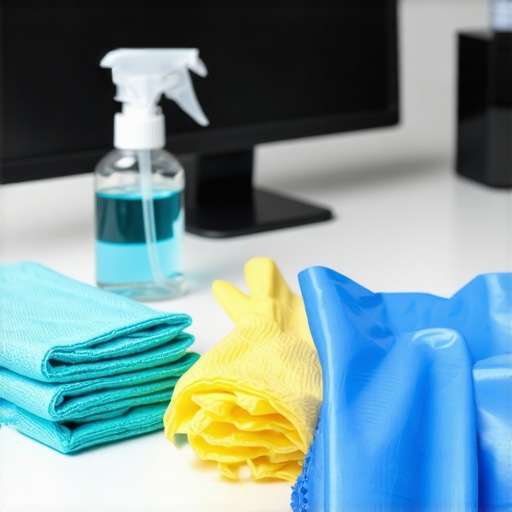
It was a typical Monday morning when I finally had my lightbulb moment. I was gripping my coffee, trying to shake off the weekend fog, when I reached into my bag and lazily rubbed my desk surface—only to realize how grimy it was. The sticky residue, dust bunnies lurking in the corners, and the suspicious smear marks made me pause. It hit me: those daily habits I thought kept my workspace clean weren’t enough. I was unknowingly hosting a bacteria hotspot that could jeopardize my health—and that of my coworkers.
Why Office Hygiene Is More Critical Than Ever
In modern offices, especially with the shift towards desk sharing and hybrid work models, our desks become breeding grounds for germs. Without proper cleaning routines, viruses and bacteria can thrive unseen, increasing our risk of colds, flu, or even more serious illnesses. This isn’t just about appearance; it’s about health, productivity, and peace of mind. According to a study published in the American Journal of Infection Control, high-touch surfaces like desks and keyboards can harbor harmful microbes for days if left uncleaned.
Early in my cleaning journey, I made a classic mistake: I relied solely on surface dusting and skipped disinfection. That resulted in recurring germs always bouncing back. It wasn’t until I adopted comprehensive cleaning habits—focused on proper sanitizing techniques—that things truly changed. Want to avoid my rookie blunders? Stick with me, because I’m about to share the proven office cleaning habits that can help you fix this problem before 2026.
Is Office Sanitizing Really Worth the Effort?
I used to think that a quick wipe was enough. I believed regular dusting kept germs at bay—wrong. I’ve learned the hard way that inadequate sanitation leaves those hidden germs in place. A good sanitizing routine isn’t just a trend; it’s backed by experts. For reliable strategies, check out effective office sanitizing strategies, which outline how a consistent approach can significantly reduce health risks.
If you’re tired of battling germs that seem to reappear despite your efforts, you’re not alone. I faced this dilemma for months until I adopted a systematic routine. And trust me, the difference is startling. Ready to learn the four habits that can transform your workspace into a germ-free zone? Let’s dive in, because acting now can save you headaches—and sick days—in the near future.
Deep Clean Regularly for Lasting Freshness
Start by scheduling a deep clean at least once every three months, preferably more often if your office experiences high traffic. Use a detailed checklist similar to these proven methods to ensure no corner is overlooked. I once spent an entire Saturday cleaning my workspace from ceiling fan blades to under the desks, discovering hidden dust and allergens I never knew existed. The result was immediate—air quality improved, and I felt healthier.
Gather the right tools and products
Use microfiber cloths, disinfectant sprays with proven efficacy, and microfiber mops for floors. Think of your cleaning tools as your workout gear—invest in the best to get optimal results. I replaced my old rags with microfiber cloths, which cut my cleaning time in half and improved germ elimination. Check out these sanitizing hacks to optimize your toolkit.
Target High-touch Surfaces
Focus on areas like keyboard keys, chair handles, light switches, and door handles—these are the hotspots that harbor the most germs. Think of them as bacteria magnets and wipe them down with disinfectant sprays thoroughly. During my last office overhaul, I dedicated 10 minutes daily to sanitizing these spots, which drastically reduced my sick days. 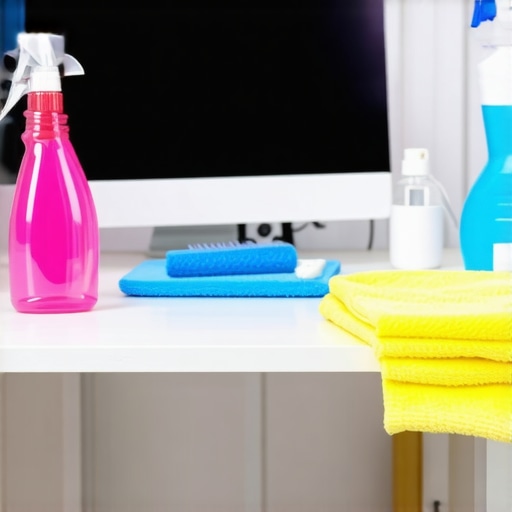
Sanitize with Precision
Apply disinfectants following manufacturer instructions—this isn’t the time for shortcuts. Let the solution sit for the recommended contact time, just like cooking pasta—timing matters. I once rushed it, only to find that the germs had survived. Learning proper disinfection, I saw better results, similar to unlocking better cleaning secrets shared at these deep cleaning secrets. Be meticulous.
Clean and Disinfect Your Equipment
Identify and wipe down office tech gadgets—screens, mice, and phones—as these are often forgotten. Use alcohol-based wipes or sprays to avoid water damage but ensure thorough coverage. I remember a time I cleaned my monitor without turning it off—causing static and even internal issues. Now, I power everything down first, following best practices outlined at these strategies. This minimizes risks and maximizes sanitation efficiency.
Deep-clean Textiles and Soft Items
Don’t forget chair cushions, carpets, and curtains—these trap dust and allergens. Use vacuum cleaners equipped with HEPA filters and consider steam cleaning for deep dirt. I once discovered a stubborn stain on my office chair, which I eliminated using a steam cleaner during a comprehensive professional cleaning session. Regular maintenance prevents buildup and promotes healthier air quality.
Maintain the Cleanliness
Implement daily routines like wiping down surfaces after meetings and encouraging hand hygiene among coworkers. Think of this as brushing your teeth daily—small habits prevent big problems. I set reminders for my team, which proved effective in sustaining cleanliness between deep cleans. Remember, consistency is key; stay vigilant with these habits.
While many believe that regular surface wiping suffices for effective cleaning, the truth is far more nuanced. A common misconception is that using disinfectant sprays alone can eliminate all germs; however, research from the National Institute of Standards and Technology emphasizes that proper contact time and thorough application are crucial for disinfectants to work effectively. Many overlook the importance of cleaning first before sanitizing, which can trap dirt and bacteria beneath the surface, rendering disinfectants less effective. Additionally, there’s a prevalent myth that deep cleaning is only necessary annually, but experts suggest that quarterly deep cleans are insufficient in high-traffic environments—monthly or even bi-weekly deep cleans are often required to maintain optimal hygiene levels.
A field trap many fall into involves treating cleaning routines as a one-size-fits-all solution, ignoring the unique needs of different surfaces and materials. For example, soft furnishings like office chairs and carpets trap dust and allergens that regular wiping can’t remove. Using HEPA-filtered vacuums or steam cleaning on textiles can drastically improve air quality and reduce allergen buildup. Failures to recognize these nuances can lead to persistent health issues and lower productivity.
For advanced planners, an essential question arises: How can we design a cleaning protocol that dynamically adapts to changing conditions and surface types? This requires understanding the concept of ‘microbial load,’ which refers to the number of microbes present after cleaning. Studies published in the Journal of Hospital Infection recommend measuring microbial load periodically using ATP testing to ensure cleaning efficacy, especially in healthcare or shared-office settings. Incorporating these metrics helps optimize routines and avoid complacency.
Moreover, many underestimate the significance of neglecting high-touch yet often overlooked surfaces. Light switches, keyboards, and door handles are hotspots for germs, and failure to sanitize them regularly is a costly oversight. I learned this through firsthand experience: a few missed spots led to an outbreak of illness among colleagues that could have been prevented with targeted focus. Remember, neglecting these areas can undermine entire cleaning efforts.
Finally, a critical oops that many make is believing that cleaning supplies are universally compatible with all surfaces. In reality, some disinfectants can damage electronics or delicate materials if used improperly. Always check manufacturer guidelines or consult expert advice—this can prevent costly damage and ensure effective sanitation. For an in-depth guide on effective cleaning strategies, check out these proven methods.
Do you regularly audit your cleaning routines for these hidden pitfalls? Have you ever fallen into this trap? Let me know in the comments.Maintaining a high standard of cleanliness over time requires the right tools and strategic approaches. One game-changer I personally rely on is a high-quality microfiber cleaning cloth. Unlike traditional rags, microfiber traps bacteria and dust more effectively, allowing me to clean surfaces rapidly and thoroughly without leaving streaks. I always keep a set dedicated solely to sanitizing high-touch areas like keyboards and door handles, ensuring there’s no cross-contamination. Additionally, I use a steam cleaner for deep cleaning textiles and hard-to-reach corners, which not only removes stubborn dirt but also kills germs without the use of chemicals, aligning with eco-friendly practices. I’ve found that integrating an ultrasonic instrument for sanitizing smaller items, such as phones and glasses, elevates my routine—these emit high-frequency vibrations that dislodge dirt and microbes from tiny crevices, providing an efficient, chemical-free clean. Looking ahead, the trend in cleaning technology points toward IoT-enabled devices that can monitor air quality and surface cleanliness in real-time, automating routine tasks and informing when a deep clean is due. This predictive maintenance will revolutionize how we manage hygienic spaces, reducing manual effort and ensuring consistent results. To maximize long-term effectiveness, I recommend implementing a routine schedule and tracking your cleaning cycles with digital checklists or apps, which help maintain discipline and accountability. How do I maintain my cleaning tools over time? Regularly washing microfiber cloths in hot water, replacing disposable items like gloves, and calibrating electronic cleaning devices ensures peak performance. Remember, investing in quality tools—not just cheap substitutes—yields better results and can save money in the long run by reducing the frequency of professional deep cleans. For instance, using a professional-grade disinfectant sprayer can cover large areas efficiently, providing even coverage and saving time. Want to get serious? Try incorporating a portable UV-C light into your toolkit; studies show that UV-C light can neutralize up to 99.9% of germs on surfaces, as outlined in technical documentation from the CDC. This simple addition can significantly enhance your sanitizing efficacy. In fact, many expert house cleaners advocate for combining traditional methods with these innovative tools to achieve optimal results. Ready to upgrade your cleaning game? Consider testing a microfiber mop paired with a steam cleaner for your next deep cleaning session—it’s a proven combo that tackles dirt and germs effectively, ensuring your spaces stay healthier longer. Don’t settle for mediocre results; embracing these advanced tools and strategies will make maintaining a pristine environment much simpler and more reliable. If you’re curious about step-by-step routines for integrating these tools into your regular cleaning schedule, check out the comprehensive guide at this resource.
What I Learned the Hard Way About Preventing Germ Spread
One of my biggest lightbulb moments came when I realized that inconsistent cleaning routines only scratched the surface of microbiological trouble. It taught me that relying solely on quick wipe-downs wasn’t enough; real change required adherence to a comprehensive, targeted approach. This insight revolutionized my understanding of maintaining a truly hygienic workspace.
Why Relying on Routine Isn’t Enough, and What to Do About It
I used to believe regular surface dusting kept my workspace germ-free—until I learned that many microbes hide beneath the surface, lurking in textiles and soft furnishings. The key lesson was that targeted, methodical disinfection paired with deep cleaning is essential for eliminating stubborn bacteria and allergens. Implementing these focused measures drastically improved my workspace health.
My Biggest Mistake That Cost Me Time and Health
Skipping equipment sanitation was a costly error. I overlooked devices like keyboards and phones until I faced preventable illnesses. Now, I sanitize all tech gadgets meticulously, following best practices, which has dramatically reduced office sickness and boosted productivity. This experience underscored the importance of including technology in your cleaning routine.
How Deep Cleanings Transformed My Office Environment
Scheduling quarterly deep cleans seemed sufficient until I realized high-traffic areas and soft furnishings needed more frequent attention. Deep cleaning, when done regularly and with purpose, not only removes visible dirt but also eradicates harmful microbes hiding in concealed spots. This proactive strategy created a noticeably fresher, healthier workspace.
Benefits of Investing in Quality Cleaning Tools and Knowledge
Investing in microfiber cloths, steam cleaners, and understanding disinfectant contact times has paid off immensely. These tools, combined with knowledge from trusted sources, allow for efficient, chemical-safe sanitizing that extends the lifespan of surfaces and equipment. Continuously upgrading my toolkit keeps my cleaning routines effective and eco-friendly.
Curated Resources That Elevated My Approach
One resource I swear by is the comprehensive guide on how to master deep clean your office. Additionally, reading about deep cleaning secrets broadened my understanding of allergen removal techniques. Finally, staying updated with top sanitizing methods ensures I’m armed with the latest practices for healthful environments.
Your Turn to Elevate Office Hygiene
Remember, turning office cleaning into a trusted habit isn’t about perfection; it’s about consistency, knowledge, and investing in the right tools. Small, deliberate steps today form the foundation for a healthier, more productive workspace tomorrow. Are you ready to implement these insights and make cleaning your secret weapon for success?
Have you ever faced a challenge in maintaining your office’s cleanliness that stubbornly refused to go away? Share your story below, and let’s learn from each other’s experiences!
http://Emma%20Johnson
I really connected with the emphasis on targeted cleaning of high-touch surfaces like keyboards and doorknobs. In my office, we’ve started implementing short, daily routines that focus specifically on these areas, and I’ve noticed a significant drop in minor illnesses. It’s striking how much bacteria can hide in seemingly small spots. The article’s point about proper disinfectant contact time is also crucial; rushing through cleaning tasks often means germs survive. Personally, I’ve invested in a UV-C sanitizer for my phone and keyboard, which adds an extra layer of protection without much hassle. It made me wonder, how do others balance thorough cleaning in a busy work environment where time is limited? Are there any time-saving tools or strategies that really work? I’d love to hear your experiences or recommendations for maintaining high standards without feeling overwhelmed.