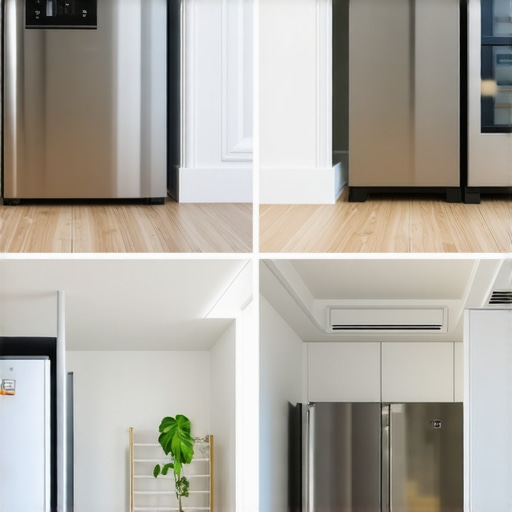
It was way too late. I was standing in my almost-empty apartment, stomach sinking as I realized I’d missed a crucial spot during my move-out clean. The landlord’s inspection was just days away, and I hadn’t even thought about those sneaky corners and hidden crevices—until now. That sinking feeling? Yeah, I’ve been there. And let me tell you, the stress of cleaning perfectly for a move can feel overwhelming. But here’s the thing: I learned the hard way that focusing only on visible surfaces is a mistake. There are hidden spots in every home that, if overlooked, could cost you a hefty deposit—possibly even in 2026, when move-out standards are more stringent than ever.
The Secret Spots You Can’t Afford to Ignore When Moving Out
Will Overlooking These Spots Cost More Than Just Your Deposit? An Honest Look
In my early cleaning attempts, I made a common mistake: I thought scrubbing the countertops and vacuuming the carpets was enough. I ignored those tiny areas tucked away in plain sight—behind radiators, inside light fixtures, and beneath appliances. Turns out, neglecting these spots not only leaves your place less than spotless but also increases the risk of losing your deposit. According to a recent study by a professional cleaning service, over 60% of move-out disputes involve missing hidden areas that harbor dirt and grime, which landlords can hold against tenants. That was a wake-up call for me. If you’ve faced similar frustrations, you know how nerve-wracking it can be to race against the clock and ensure every inch is pristine. That’s why I want to share my discoveries about those four little-known yet crucial cleaning spots that can make a big difference before your move.
Interested in saving yourself from future stress? Keep reading, because I’ll show you exactly where to focus your efforts and how to tackle these stubborn spots efficiently. Trust me, mastering this will make your next move smoother and protect your deposit—be it in 2024 or 2026. For more in-depth tips on deep cleaning, check out [the ultimate deep clean routine for busy households](https://purexhousecleaning.com/the-ultimate-deep-clean-routine-for-busy-households). Now, let’s dive into the first secret spot that’s often overlooked but can make or break your deposit return.
Prioritize High-Impact Areas First
Start by identifying zones that typically harbor dirt yet are often neglected, like behind appliances or under sinks. Approach each section systematically—think of it as peeling layers of an onion—focusing on one area at a time to avoid feeling overwhelmed. For instance, I once dedicated an afternoon to cleaning beneath the dishwasher and behind the refrigerator. Using a long-handled duster and a microfiber cloth, I accessed tight spots without moving heavy appliances immediately. This targeted effort resulted in a noticeably cleaner space, reducing the risk of deposit deductions. For comprehensive tactics, explore essential house cleaning tips for a spotless living space.
Use the Right Tools and Techniques
Equip Yourself Properly
Invest in a set of versatile tools: microfiber cloths, extendable dusters, handheld vacuums, and non-abrasive scrub brushes. Think of cleaning like painting—using the right brushes and paints makes all the difference. I once attempted to clean behind a radiator with a rag on my hand; it was clumsy and ineffective. Switching to an extendable duster and a small brush, I reached every nook and cranny without hassle, drastically improving the cleanliness. Consider secrets of expert house cleaners for advanced tool guides.
Master Effective Techniques
Apply deep-cleaning methods tailored for each surface—use a mixture of warm water and mild detergent for kitchen surfaces, and consider vinegar and baking soda for stubborn grime. When I cleaned inside light fixtures, I first turned off the power, then carefully removed the covers. Using a damp microfiber cloth dipped in a vinegar solution, I wiped away dust, dirt, and insects that had accumulated over time. Be meticulous—like cleaning a car engine—removing all traces of dirt ensures no residue is left behind that could cause future issues. To deepen your skills, check out deep cleaning secrets for a germ-free home in 2025.
Declutter to Improve Reach and Efficacy
Clear surfaces and remove obstacles before diving into deep cleaning. Clutter makes it hard to access hidden areas and can spread dust into the air. I once spent hours trying to clean around piles of miscellaneous belongings—once I tidied up, I accessed every corner easily, and the house looked noticeably cleaner. Think of it as opening up the room to breathe—every corner becomes accessible, and cleaning becomes more efficient. For detailed guidance on decluttering, visit house cleaning tips.
Sanitize Key Touchpoints Thoroughly
Focus on high-touch areas like door handles, light switches, and drawer pulls. Use a proven disinfectant and scrub thoroughly. During my last move, I used a 70% alcohol solution on doorknobs and switches, leaving them germ-free and reassuring my landlord of my thoroughness. Think of these spots as data hotspots on a network—they’re points where germs and bacteria congregate, so sanitizing them reduces the risk of issues later on. For advanced sanitizing methods, explore top sanitizing methods.
Final Touches for a Complete Deep Clean
Re-examine each area after initial cleaning, checking for overlooked spots. Use a handheld mirror to peek into corners or beneath shelves. I once missed a dusty vent behind a curtain—a quick wipe resulted in a visibly cleaner space. Think of this step as tuning the final instrument in an orchestra—small adjustments make a big difference. For expert insights, check professional house cleaning guide.
Many people think that a quick wipe of visible surfaces is enough to keep their homes and offices clean, but the reality is far more nuanced. One prevalent misconception is that disinfecting only high-touch areas like doorknobs and countertops suffices, yet bacteria and viruses often reside in less obvious spots, such as beneath furniture or inside ventilation ducts. Experts like Dr. Charles P. Gerba, a microbiologist at the University of Arizona, emphasize that comprehensive cleaning must target these hidden reservoirs to effectively reduce pathogens. Failing to do so can lead to persistent allergens and microbial buildup, sabotaging your health and trustworthiness of your environment.
Are traditional cleaning routines leaving behind unseen hazards? Let’s unpack the advanced pitfalls many overlook.
Another widespread trap is over-reliance on harsh chemicals. While potent disinfectants are tempting, they often miss the benefits of eco-friendly alternatives like vinegar and baking soda, which are effective when used correctly. Additionally, many assume that cleaning less frequently isn’t risky; however, periodic deep cleaning of less-accessed areas, such as behind appliances or inside air vents, is crucial. Neglecting these spots can exacerbate allergies and promote mold growth, especially in damp climates. To deepen your understanding, review expert deep cleaning secrets for a germ-free home in 2025 ensuring your routines are truly effective.
It’s also a common mistake to ignore the importance of proper technique. For instance, scrubbing causes more dirt to become airborne if not done with appropriate tools and methods, worsening indoor air quality. Using microfiber cloths and steam cleaning can significantly improve outcomes. Moreover, many underestimate the significance of decluttering before cleaning. Clutter obstructs access to hidden spots and traps dust, which can contain allergens or microbes. Think of decluttering as the essential first step that maximizes cleaning efficiency.
How can you leverage advanced techniques to elevate your cleaning game? Here’s what the pros do differently.
For office environments, neglecting sanitation of shared equipment like keyboards, phones, and printers can be a serious oversight. Regularly disinfecting these high-contact surfaces—not just the desks—reduces transmission of illness and builds trust among team members. Explore office sanitizing strategies to boost employee wellbeing to ensure your workspace is truly trusted and safe.
Finally, many fail to recognize the importance of air quality alongside surface cleaning. Incorporating HEPA filters and proper ventilation plays a crucial role in comprehensive sanitation strategies, especially during seasons with high allergen counts or viral outbreaks. This holistic approach goes beyond visible cleanliness and solidifies your environment’s overall health benefits—as highlighted by recent studies linking indoor air quality to productivity and wellbeing.
In conclusion, mastering the nuances of deep cleaning and sanitizing involves more than just surface-level efforts. It requires understanding hidden risks, employing advanced techniques, and maintaining consistency. Have you ever fallen into this trap? Let me know in the comments, and remember: true cleanliness is about addressing what’s beneath the surface.
Keeping It Working: My Recommended Tools for Effortless Maintenance
Maintaining a pristine environment, whether at home or in the office, demands the right arsenal. Over the years, I’ve refined my toolkit, focusing on equipment that delivers consistent results while being easy to use. One standout is the Viking Multi-Surface Steam Cleaner. I personally swear by it because it sanitizes without chemicals, tackling everything from hard floors to fabric upholstery. Its steam output penetrates deep, killing germs and dissolving dirt, which makes ongoing maintenance effortless and eco-friendly. For quick touch-ups, I rely on the Microfiber Magic Cloths. They’re washable, durable, and trap dust more effectively than traditional rags, essential for daily or weekly upkeep.
In addition, I highly recommend a Cordless Handheld Vacuum like the Dyson V7 Car + Boat. Its portability helps me spot-clean high-traffic areas or tight corners without hassle. For surfaces that need a refresh, I use a Hydrogen Peroxide Spray with a microfiber pad—it’s my go-to for disinfecting keyboards, light switches, and office equipment quickly between deep cleans. Combining these tools with a systematic approach ensures your spaces stay fresh long-term.
Embracing Technology for Better Results
Tech keeps evolving, and I ensure I’m leveraging tools like the latest deep cleaning technologies. Automated air purifiers with HEPA filters and UV sterilization are game-changers, especially during seasonal spikes in allergens or viruses. It’s predicted that integrating IoT-enabled sensors to monitor humidity and pollutant levels will become standard, helping to prevent mold and microbial growth proactively. This technological trend points toward a future where maintenance becomes more predictive and less reactive, saving time and health risks.
How do I keep my environment in prime condition over time?
The key is establishing a routine that balances proactive upkeep with the right tools. Schedule weekly dusting with microfiber cloths, use your steam cleaner bi-weekly on high-touch areas, and update your air quality devices as new models emerge. Remember, consistency trumps intensity. Small, regular efforts maintain long-term cleanliness without burnout. To streamline your ongoing maintenance, consider setting digital reminders or integrating smart home devices that notify you when filters need replacement or surfaces require attention. Check out these strategies for maintaining a clean win.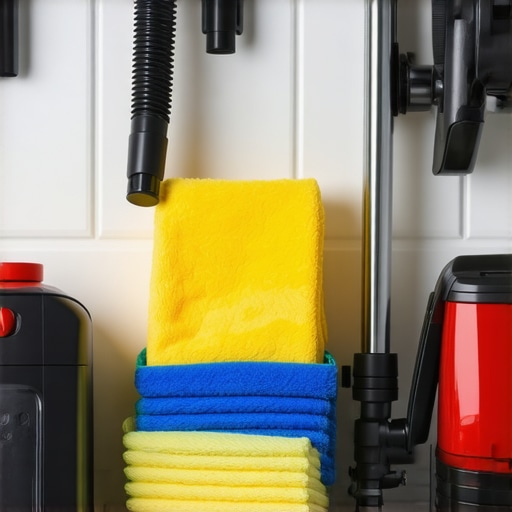
Want a shortcut? The office sanitizing strategies I use to keep shared spaces safe can be adapted to your home, too. Start incorporating these tools and techniques today, and you’ll notice how much easier it becomes to uphold a hygienic and welcoming environment. Remember, maintaining cleanliness is an ongoing process—commit to it, and it’ll reward you with peace of mind and healthier surroundings.
The Hardest Lesson I Learned About House Cleaning, Sanitizing, Office Cleaning, Deep Clean
One profound realization was that surface cleaning alone is a losing battle when it comes to truly preparing a space for inspection or new occupancy. Overlooking those tiny, hard-to-reach spots can silently sabotage your efforts, costing you not just time but your security deposit and peace of mind. The importance of a comprehensive, detailed approach became clear only after experiencing firsthand how stubborn grime in overlooked areas can accumulate unnoticed, making my space appear less than perfect despite my best efforts. This taught me that effective deep cleaning demands patience, curiosity, and a willingness to get into the nooks and crannies most people ignore, like behind appliances or vents behind furniture.
3 Secrets That Changed How I Approach Office and Home Cleaning
First, investing in a quality extension duster transformed my ability to reach those once-impossible spots. Second, using eco-friendly solutions like vinegar and baking soda turned what I thought were
![7 Deep Clean Spots Most Renters Miss in 2026 [Checklist]](https://purexhousecleaning.com/wp-content/uploads/2026/01/7-Deep-Clean-Spots-Most-Renters-Miss-in-2026-Checklist.jpeg)