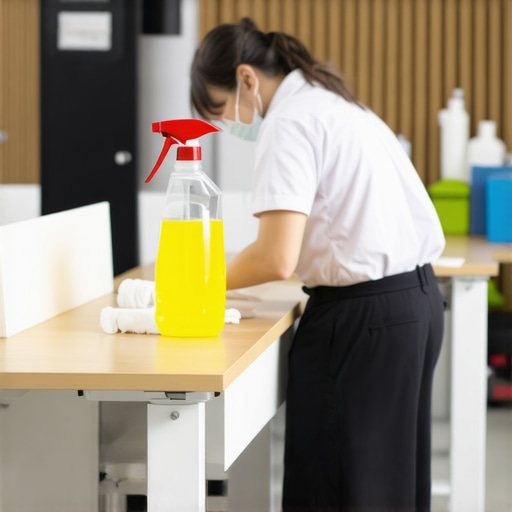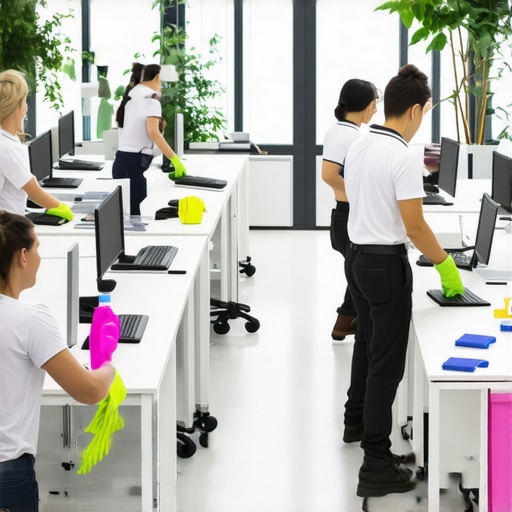
I remember the exact moment I realized I was throwing money away on unnecessary office cleaning services. It was after a deep clean session that left my workspace spotless but also decimated my budget. I thought, “There has to be a smarter way,” because no amount of cleanliness should come at this expense. That lightbulb moment pushed me to look closely at what services truly add value—and which are just draining resources.
Why It’s Time to Rethink Your Office Cleaning Budget
Our workplaces are evolving faster than ever. With new health standards and cleaning technologies emerging, many office managers find themselves caught in a cycle of overpaying for services that don’t deliver real benefits. The truth is, some cleaning practices are outdated or overpriced, subtly eroding your bottom line without improving hygiene or employee well-being.
Recent studies reveal that inefficient cleaning routines can waste up to 30% of cleaning budgets, often for services that don’t significantly impact health or productivity (source). If you’re like me, you’ve probably accepted this as the cost of doing business. But what if I told you there’s a way to cut costs without sacrificing cleanliness?
In this post, I’ll share my journey from overspending to streamlining office cleaning. Together, we’ll identify the four high-cost services that are unnecessary by 2026 and explore smarter, more cost-effective strategies. I’ll also highlight common mistakes I made early on—mistakes I see many others repeating—and show you how to avoid them.
Are you tired of watching your cleaning bill grow while the workplace feels just as dirty? Or perhaps you’re skeptical that cutting services won’t compromise hygiene? Stick around, because the solutions I’ll discuss are based on practical experience and proven techniques.
Let’s start by examining one of the biggest culprits: deep cleaning services that promise the world but deliver little tangible benefit relative to their cost.
Prioritize Tasks Before Deep Cleaning
Start by mapping out high-traffic areas and surfaces most prone to germs, like door handles, light switches, and common touchpoints. I once spent hours scrubbing the entire workspace, only to realize most germs hid in overlooked spots. Focus your efforts on these zones first to save time and resources.
Invest in Proper Equipment and Supplies
Using the right tools makes all the difference. Microfiber cloths, HEPA vacuums, and EPA-approved disinfectants are game-changers. I remember trying to clean my office with cheap rags and diluted cleaning solutions—results were mediocre at best. Upgrading my toolkit led to a noticeable boost in hygiene, with less effort and fewer chemicals.
Implement Layered Cleaning Steps
Think of deep cleaning like peeling an onion—start from the least contaminated areas and work inward. First, dust and remove debris, then disinfect surfaces thoroughly. For example, I began by dusting shelves and vents, then moved on to disinfectant sprays on desks and shared equipment. This method prevents cross-contamination and ensures thorough sanitation.
Schedule Regular Deep Cleanings
Consistency is key. Instead of sporadic sessions, set a weekly or bi-weekly schedule. I kept a cleaning calendar, marking off each session, which kept my workplace consistently sanitized. This habit not only maintains hygiene but also reduces the intensity of each cleaning, making the process less daunting.
Train Staff on Proper Cleaning Techniques
Empower your team with knowledge—show them how to clean effectively. I held quick training sessions, demonstrating proper disinfectant use and wiping techniques. Well-trained staff make the process faster and more effective, ensuring every corner gets the attention it needs. To learn more about professional cleaning standards, check out this comprehensive guide.
Utilize Innovative Cleaning Technologies
Modern tools like UV-C light sterilizers and electrostatic sprayers can boost sanitation efforts. I experimented with a handheld UV sanitizer after a routine clean, which eliminated residual bacteria. Incorporating such tech can make your deep cleaning more effective without significantly increasing costs.
Evaluate and Adjust Your Approach
Regular assessments help identify gaps. I used feedback from staff and observed germ-prone areas to refine my methods. Staying adaptable ensures your deep cleaning keeps pace with emerging health standards and optimizes resource use.
Many assume that a thorough deep clean or sanitizing session is simply about surface wiping or high-power vacuuming, but this oversimplification can lead to costly mistakes. In my experience, one of the most common myths is believing that all cleaning techniques or products are interchangeable. However, experts emphasize that the effectiveness hinges on understanding surface porosity, chemical interactions, and proper timing between cleaning steps. For example, using certain disinfectants on porous materials like fabric or wood can be ineffective or even damaging, highlighting the need for tailored approaches (source). Another overlooked nuance involves the sequence of cleaning tasks; neglecting to remove debris before disinfecting can prevent sanitation from succeeding, as organic matter can shield germs from disinfectants. This highlights why professional guidelines advocate for layered strategies—dust, remove debris, then disinfect—something that many DIYers or even some cleaning services overlook. Moreover, there’s a prevalent misconception that more chemical agents mean better cleanliness, but overuse can lead to chemical resistance and health issues, causing more harm than good. Instead, adopting the right tech, like UV-C sterilizers or electrostatic sprayers, combined with proper cleaning protocols, offers better results and fewer risks. Make sure to avoid common pitfalls: rushing through tasks, relying on outdated methods, or misaligning cleaning products with surfaces. A small mistake here can dramatically reduce efficacy, or worse, damage your property. For advanced cleaning, consider regularly evaluating your approach—adjusting based on emerging research and current health standards—to stay ahead of hidden threats lurking in your environment. This ongoing refinement is crucial because germs and allergens evolve; staying vigilant ensures your routines don’t become ineffective. Want to master these insider techniques? Dive into our step-by-step guide to professional house cleaning in 2025 for comprehensive insights. Don’t forget—every detail counts in creating a truly sanitized space. Have you ever fallen into this trap? Let me know in the comments.
Keep Your Cleaning Effective with the Right Equipment
Personally, I swear by using microfiber cloths for dusting and wiping surfaces because their fine fibers trap dirt and microbes more effectively than traditional rags. They reduce chemical use since you can often clean with just water, aligning with my goal of eco-friendly practices. For disinfecting, I rely on EPA-approved solutions, ensuring powerful germ-killing action without damaging surfaces. A HEPA vacuum is another critical tool, especially in maintaining allergen levels, as it captures tiny particles that are often missed by standard vacuums.
How do I maintain these tools over time?
Regular cleaning of microfiber cloths, replacing filters in vacuums, and disinfecting tools after each use are keys to sustained effectiveness. I recommend labeling your cleaning tools for specific areas to prevent cross-contamination and washing cloths at high temperatures to eliminate germs. Staying consistent with tool maintenance ensures long-term results and reduces the need for frequent replacements, saving money in the long run. For detailed guidelines, check out our deep clean routine.
Automate Your Cleaning Schedules
To keep routines on track, I employ digital scheduling apps like Todoist or Asana, which remind me when to perform specific tasks. Automation reduces manual oversight and helps ensure cleaning isn’t neglected, especially in busy households or offices. Some advanced tools, such as robotic vacuum cleaners, automatically maintain floors daily, ensuring consistent cleanliness without extra effort. Looking ahead, the integration of IoT sensors will likely make real-time monitoring of indoor air quality and surface cleanliness a standard part of maintaining healthy environments.
Looking to simplify maintenance? Try automating your schedule with smart reminders and robotic tools to stay ahead of dirt and germs.
Regularly assessing your cleaning tools and methods is vital. I schedule quarterly reviews to evaluate whether our equipment is still effective or if new technologies could improve results. Maintaining this proactive approach means your spaces remain consistently sanitized and healthy, even as standards evolve. Incorporate insights from latest cleaning innovations to keep your strategies sharp. By doing so, you ensure your cleaning routine adapts to emerging trends and remains effective over years to come.
For those ready to upgrade, I strongly recommend investing in UV-C sterilizers—these devices use ultraviolet light to eliminate bacteria and viruses from surfaces efficiently. Incorporate this tech into your routine after traditional cleaning to boost sanitation, especially in high-touch areas. Might I suggest trying this method in your next deep cleaning session? The results might surprise you, and your space will thank you for it.
Lessons Learned from My Deep Clean Mistakes
One of the hardest lessons I learned was that not all surfaces require the same cleaning approach. Using generic disinfectants on porous materials like wood or fabric can do more harm than good, a fact I discovered after damaging some furniture. It’s vital to understand the materials you’re working with and select cleaning products accordingly, which can save money and extend the life of your office or home furnishings.
Another insight came from realizing that rushing through deep cleaning steps often leaves hidden germs behind. Patience and a layered approach—dust first, debris removal second, then disinfection—proved more effective than quick fixes. Sharing this knowledge with my team transformed our cleaning schedule into a more trusted routine, boosting overall sanitation and well-being.
Lastly, I underestimated the power of proper equipment. Upgrading to microfiber cloths and EPA-approved disinfectants made a noticeable difference. Investing in quality tools not only improved hygiene but also made the process faster and less labor-intensive, which is crucial for maintaining productivity without breaking the bank.
Tools That Changed My Deep Cleaning Game
- Microfiber cloths: These trap dust and microbes more effectively than traditional fabrics, reducing chemical use and waste.
- HEPA vacuum cleaners: Perfect for capturing tiny allergens that standard vacuums miss, improving air quality.
- EPA-approved disinfectants: Ensuring powerful germ-killing action tailored to various surfaces.
- UV-C sterilizers: Modern technology that eliminates bacteria and viruses efficiently, especially in high-touch areas.
Personally, I trust these tools because they are backed by scientific research and have consistently delivered better results in my cleaning routines. Regular maintenance of these tools ensures their longevity and sustained effectiveness—something I’ve found essential in creating a truly sanitized environment.
Take Charge of Your Cleaning Journey
Now it’s your turn to refine and elevate your deep cleaning approach. By integrating smarter strategies and trusted tools, you can achieve a healthier, more productive space without overspending. Remember, the key is continuous learning and adaptation, especially as new technologies and standards emerge. To deepen your understanding, consider exploring detailed guides on professional cleaning techniques, like our step-by-step guide to professional house cleaning in 2025.
What’s the one deep cleaning mistake you’ve recently fixed? Share your experience below—I’d love to hear how small changes make a big difference!