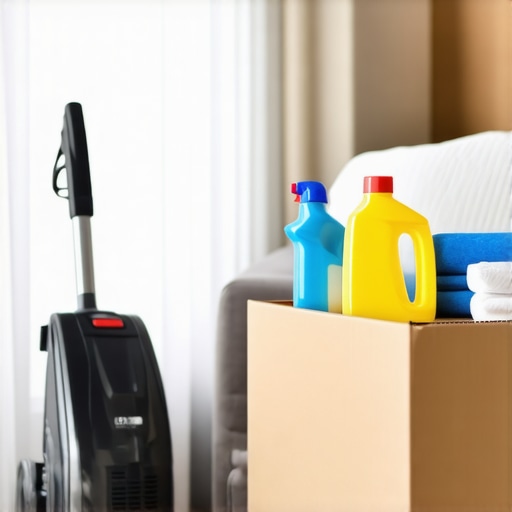
I remember the moment vividly—standing amid a chaotic sea of boxes and dust bunnies, realizing that my frantic cleaning efforts only scratched the surface. No matter how many mops and sprays I wielded, the dirt and grime seemed to hide in every corner, making me question if I’d ever truly conquered the mess. That lightbulb moment hit me hard: deep cleaning isn’t just about surface sparkle; it’s about strategic, targeted effort that transforms the entire space.
Why Deep Cleaning Can Make or Break Your Moving Experience
Moving into a new home is exciting, but it’s also notoriously stressful. The last thing you want is to arrive at your fresh start only to be greeted by stubborn dirt, lingering odors, or hidden germs. That’s why mastering deep-clean secrets is essential—they help you save time, reduce stress, and ensure your new space is truly yours from day one.
Did you know that improper cleaning can leave up to 50% of germs lurking in your home, increasing allergy triggers and illness risks? According to research from the National Sanitation Foundation, thorough sanitizing can significantly cut down these hidden health hazards. This realization pushed me to rethink my cleaning routine and seek out proven strategies.
But here’s the truth: early on, I made a critical mistake—focusing only on visible messes without addressing the areas that harbor the most germs. It was a rookie move that delayed my move-in perfection. Learning to approach deep cleaning with a strategic mindset has made all the difference.
So, if you’ve ever found yourself overwhelmed by the sheer scale of cleaning in a move, don’t worry. I’m here to share the three secrets that turned my chaos into cleanliness and can do the same for you. Ready to make your 2026 move-in stress-free and spotless? Let’s dive into the first crucial step—uncovering hidden grime where it really matters.
Identify High-Touch Surfaces and Focus Your Efforts
Start by pinpointing areas that see frequent contact: doorknobs, light switches, faucet handles, and remote controls. In my experience, neglecting these spots is like leaving the doors wide open for germs. I once spent hours cleaning floors, only to overlook the door handles, which quickly compromised my efforts. Use disinfectant wipes or sprays to thoroughly sanitize these zones, ensuring they are germ-free and safe.
Utilize Proper Cleaning Tools and Techniques
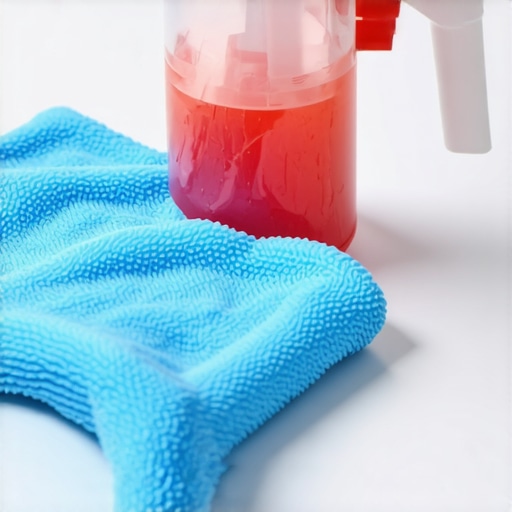
Think of your cleaning tools as surgical instruments—precision matters. Use microfiber cloths for dust and dirt because they trap particles better than cotton rags. When tackling grimy surfaces, apply cleaning solutions directly and let them sit for at least five minutes before wiping—this is like giving the germ killers time to work their magic. I learned this the hard way when rushing through a cleaning session, only to see stubborn spots reappear hours later.
Implement Layered Sanitization for Maximum Protection
Don’t settle for just wiping the surface; employ a layered approach. First, remove visible dirt, then apply a disinfectant to kill germs. For example, in my bathroom, I scrubbed tiles with a brush, then sprayed a bathroom-specific sanitizer, waiting the recommended contact time before rinsing. This method is akin to peeling an onion—each layer brings you closer to a truly clean environment.
Deep-Clean Soft and Hidden Areas
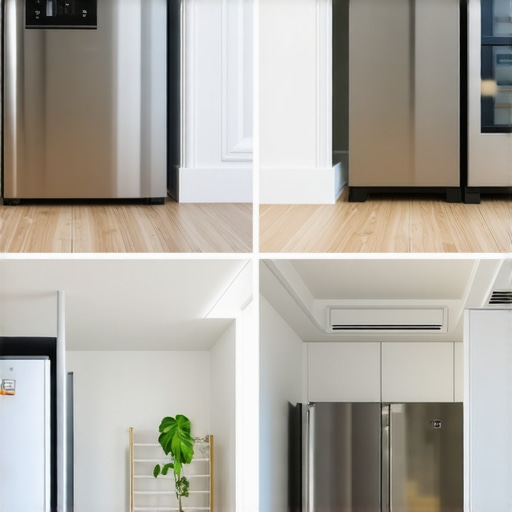
Soft surfaces, like curtains or upholstery, trap dust and allergens. For fabrics, vacuum with a HEPA filter and consider steam cleaning for a deep sanitization. Hidden spots such as behind appliances or under furniture often harbor dirt and microbes. I once moved a fridge and discovered months of dust and mold; deep cleaning these areas prevents future issues and creates a healthier space. Regularly inspecting and cleaning these zones eliminate hidden germs that can impact your health.
Recognize and Tackle Persistent Problem Areas
Some spots resist standard cleaning, like grout lines or shower curtains. Use specialized brushes and cleaning agents designed for these niches. I struggled with stubborn mold in my bathroom grout until I started using a grout pen with bleach. Within minutes, the mold visibly faded, reaffirming that targeted products make a difference. Regularly addressing these problem areas prevents buildup and maintains hygiene efficiently.
Optimize Your Cleaning Schedule to Maintain Cleanliness
Schedule deep cleaning sessions every few months, depending on your household activity. For high-traffic spaces, weekly touch-ups prevent grime from accumulating. Use checklists to stay organized and ensure no spot is left behind, similar to the detailed routines outlined in the ultimate deep clean routine. Consistency is key; a little effort often saves hours of scrubbing later.
 While many believe that quick surface wiping suffices for a hygienic home or office, the truth is more nuanced; superficial cleaning often gives a false sense of security, leaving behind stubborn germs and allergens that can harm health. One common misconception is that using strong chemicals alone guarantees cleanliness; in reality, the strategic use of proper cleaning techniques is what truly eliminates bacteria and viruses. This is especially important in high-touch areas, where overlooking minor details can lead to significant health risks. Studies from experts like the Environmental Protection Agency highlight that thorough, layered approaches outperform quick fixes, reducing microbial presence more effectively. Don’t fall into the trap of thinking that visible cleanliness equals total sanitation—hidden microbes often harbor in soft furnishings, behind appliances, or within grout lines. Implementing advanced techniques such as steam cleaning or targeted disinfectants can make a real difference in maintaining a germ-free environment. For a comprehensive understanding of these methods, check out https://purexhousecleaning.com/deep-cleaning-secrets-for-a-germ-free-home-in-2025. Remember, achieving lasting cleanliness requires awareness of these hidden nuances—so don’t rely solely on routine and make strategic improvements. Regularly inspecting overlooked spots and embracing proven deep-cleaning secrets ensures that health and hygiene are built into your space at a microscopic level. Have you ever fallen into this trap? Let me know in the comments.Maintaining a spotless home or office over time requires the right tools combined with proven methods. I personally prioritize equipment that balances efficiency and safety. For surfaces, I swear by microfiber cloths because they trap dust and microbes without the need for harsh chemicals, making repeated cleaning safer and more effective. When tackling deep grime, I rely on steam cleaners; they eliminate germs without chemicals and are gentle on surfaces like tile grout or upholstery. For electronic devices and hard-to-reach spots, compressed air cans become invaluable—they blow dust out without risking damage. Regarding disinfectants, I opt for EPA-approved solutions like hydrogen peroxide-based sprays, which I use in high-touch areas such as light switches or doorknobs, ensuring a germ-free environment without overreliance on strong chemicals. Regularly scheduling professional-grade ultrasonic cleaning for delicate items like jewelry or intricate electronics has dramatically extended their lifespan and hygiene.
Looking ahead, the trend is moving toward smart cleaning tools, such as robot vacuums equipped with HEPA filters and AI navigation, which help maintain cleanliness with minimal effort. These devices are especially beneficial for households with pets or allergies, as they can be programmed to operate during off-hours, creating a consistently clean environment.
How do I maintain cleaning effectiveness over time? Regular maintenance of your equipment is crucial. Microfiber cloths should be washed after each use to retain their dust-trapping abilities; steam cleaners need descaling every few months to prevent mineral buildup; and disinfectant bottles should be checked for expiration, ensuring their efficacy. Additionally, keeping all tools in a designated, organized space prevents loss or damage, making it easier to stick with your cleaning schedule.
For a comprehensive routine, I recommend integrating these tools with strategies outlined in mastering deep cleaning for lasting freshness. This approach ensures your environment remains hygienic and inviting over the long haul.
Pro tip: consider combining microfiber cloths with self-sanitizing spray solutions—they enhance cleanliness without the chemical overload. Try this simple upgrade in your cleaning arsenal today to see immediate results in your space’s hygiene and longevity.
The Hardest Lesson I Learned About House Cleaning, Office Cleaning, Deep Clean, Sanitizing
One pivotal realization dawned on me when I discovered that superficial cleaning gives a false sense of cleanliness, leaving behind a hidden layer of germs and allergens that can impact health and hygiene. It became clear that focusing solely on visible dirt neglects those microscopic threats lurking in soft furnishings or grout lines. I also learned that using outdated methods—for example, relying only on chemical disinfectants—misses the benefits of techniques like steam cleaning, which can safely sanitize without harsh chemicals. Finally, I understood that consistency beats intensity; quick, sporadic cleanings can’t replace a well-planned deep-clean routine that targets problem areas systematically.
![7 Deep Clean Spots Most Renters Miss in 2026 [Checklist]](https://purexhousecleaning.com/wp-content/uploads/2026/01/7-Deep-Clean-Spots-Most-Renters-Miss-in-2026-Checklist.jpeg)