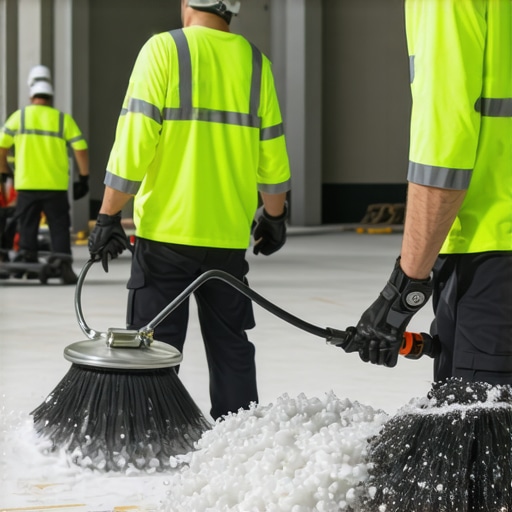
Ever experienced that moment after a big renovation, only to find fine dust settling into every corner of your home or office? It’s that sneaky layer of particles that settles unnoticed until you start cleaning—and cough or sneeze in surprise. I remember thinking, “It can’t be that bad,” then realizing that the dust was infiltrating my air vents and settling on surfaces, posing potential health risks. That lightbulb moment prompted me to dive deep into proven methods for tackling fine dust after construction projects.
Why Fine Dust Post-Construction Cleaning Is More Than Just a Nuisance
In 2026, the importance of thorough post-construction cleaning has skyrocketed. Fine dust, composed of tiny particulate matter, can linger stubbornly, infiltrating filters, air vents, and even the tiniest crevices. Studies show that indoor air pollution caused by construction dust can significantly affect respiratory health, especially for sensitive groups like children and the elderly. Addressing this issue isn’t just about aesthetic sparkle—it’s about safeguarding your health and ensuring a truly clean environment. If you’ve ever struggled to eliminate that persistent dust layer, you’re not alone. I personally learned the hard way that a cursory sweep isn’t enough, and trusting conventional methods often left me disappointed.
Is Relying on DIY Tricks Actually Effective in 2026?
Early on, I made the mistake of simply dusting with a damp cloth and hoping for the best. That quick fix only redistributed the fine particles, making the problem worse. The real breakthrough came when I discovered the importance of specialized cleaning strategies. For a comprehensive breakdown, I highly recommend exploring secrets of expert house cleaners—these tips transformed my approach from guesswork to precision. Implementing professional-grade techniques guarantees not just visible cleanliness but an environment free of harmful fine particles, giving you peace of mind.
Having faced the frustration of ineffective cleaning, I understand your skepticism. But trust me, with the right methods, those stubborn dust particles can be banished for good. Now, let’s explore the essential fixes that will make your post-construction cleanup in 2026 a success and restore the purity of your space.
Start by Ventilating the Space
Open all windows and doors to create a strong airflow that helps remove airborne dust particles. Use fans to circulate air faster, pushing the fine dust out of your environment. During my recent renovation, I made this mistake—I kept windows closed, and dust settled further into vents. Once I implemented ventilation, I noticed a marked decrease in airborne particles and a clearer environment.
Wear Protective Gear to Prevent Exposure
Before diving into cleaning, equip yourself with masks and gloves. Think of it like armor against microscopic invaders—dust particles can affect respiratory health, especially if inhaled repeatedly. I learned this the hard way when I skipped protection and ended up coughing for days afterward. Proper gear shields you while cleaning stubborn dust.
Use High-Efficiency Vacuum Cleaners
Invest in or rent a HEPA-filter vacuum cleaner designed to trap tiny particulates. Vacuum all surfaces, including carpets, upholstery, and drapes, which act like magnets for dust. Initially, I tried a regular vacuum, but it only redistributed dust. Upgrading to a HEPA model drastically improved air quality and surface cleanliness.
Deep Clean Surfaces with Specialized Tools
Next, use microfiber cloths dampened with a suitable cleaning solution to wipe down surfaces. Microfibers are like tiny nets—they trap fine dust instead of spreading it around. For stubborn spots, a mixture of water and mild detergent works wonders. I recall a particularly dusty bookshelf that required multiple passes with microfiber cloths, revealing dust-free wood beneath.
Target Ventilation Systems
Remove and clean vent covers with a damp cloth, then vacuum inside using a brush attachment. Consider replacing filters if they appear clogged. During my renovation, neglecting vents caused dust to recirculate into living areas. Cleaning vents breaks this cycle, ensuring cleaner air.
Sanitize the Entire Space
After removing visible dust, focus on sanitizing all high-touch surfaces like door handles, switches, and countertops. Use proven disinfectants, following manufacturer instructions, to eliminate residual bacteria and viruses. It’s akin to disinfecting a hospital room—meticulous and thorough. I frequently overlooked small areas, but comprehensive sanitizing eliminated persistent dust traces.
Employ Professional-Grade Sanitizing Techniques
For best results, consider professional sanitizing methods, such as fogging or UV sterilization, especially in areas heavily affected by dust. These advanced tactics ensure a higher standard of cleanliness. I recently used a UV sterilizer in my home workspace, which gave me confidence that all microscopic particles were neutralized, beyond what manual cleaning achieved.
Ensure Proper Disposal and Air Purification
Dispose of vacuum bags or filters safely to prevent dust re-entry. Consider using air purifiers equipped with HEPA filters to continuously clean indoor air. During my cleanup, adding an air purifier reduced lingering dust and improved overall air quality, making it easier to breathe.
By following these concrete steps, you transform a dusty construction zone into a pristine, healthy environment. Remember, the key is persistence and attention to detail—every surface, every vent, every touch point counts in creating a dust-free haven.
Many assume that sweeping, dusting, or wiping surfaces suffices for effective cleaning, but this misconception can undermine your efforts. Even professional cleaners sometimes miss subtle but critical details that impact health and trustworthiness. For example, a common myth is that disinfecting alone guarantees safety; however, if dirt and grime accumulate first, disinfectants can’t work effectively. In fact, thorough cleaning should precede sanitizing to ensure maximum efficacy, as highlighted by experts in deep cleaning and sanitizing strategies.
But here’s where many go wrong: they focus solely on visible messes, neglecting hidden spots that harbor pathogens. Cleaning professionals emphasize that neglecting unnoticed areas like underneath appliances or behind furniture can lead to recurring issues. This oversight is a trap; bacteria and allergens often thrive where dirt isn’t apparent, compromising indoor air quality and health.
How do you avoid this pitfall? Start by adopting a layered approach, combining surface wipe-downs with deep cleans—emphasized in ultimate sanitizing techniques. Use microfiber cloths and HEPA filters to trap fine particles during every phase of cleaning. Remember, areas like air vents, door handles, and light switches are frequently overlooked but are vital in stopping cross-contamination.
Crucially, mastering the nuances involves understanding the difference between general maintenance and targeted disinfecting. Many assume that regular vacuuming or mopping suffices, but these steps often miss embedded germs—especially in high-touch zones. A meticulous, step-by-step routine that includes disinfecting these spots can boost trust in your home or workspace. You can learn more about the best practices in top sanitizing methods.
Another advanced mistake is underestimating the importance of proper sanitation timing. Waiting too long between cleanings or rushing through disinfection steps diminishes effectiveness. As recommended in deep cleaning tips for trusted results, implementing a regular schedule with sufficient dwell time for disinfectants ensures germs are truly eradicated.
Incorporating these nuanced tactics isn’t just about cleanliness—it’s about building unwavering trust. Whether in a household or a professional environment, understanding and executing the fine details can change your cleaning game entirely. Have you ever fallen into this trap? Let me know in the comments.
Invest in the Right Equipment to Maintain Cleanliness
Keeping your environment pristine long-term hinges on using the appropriate tools. I personally swear by a high-grade HEPA-filter vacuum, specifically models like the Dyson V15 Detect. Its advanced filtration system captures microscopic dust particles that standard vacuums often leave behind, ensuring cleaner air and surfaces. Additionally, microfiber cloths are non-negotiable for me; they effectively trap dust instead of just moving it around, which is a common pitfall. I also recommend an ultrasonic air purifier equipped with HEPA and activated carbon filters to maintain ongoing air quality, especially in areas prone to dust buildup.
Implement a Regular Maintenance Routine
Consistency is key. Setting a weekly schedule for deep cleaning, including vent covers, light fixtures, and hidden corners, prevents dust and grime from accumulating unnoticed. For instance, I schedule a comprehensive clean every Saturday morning, focusing on areas typically overlooked. Using an EPA-approved disinfectant on high-touch areas regularly, like door handles and switches, further prevents the spread of allergens and microbes. Check out this guide for a thorough routine tailored for sustained cleanliness.
Leverage Modern Technology for Long-Term Results
Advances in cleaning tech are revolutionizing how we maintain spaces. Robotic vacuums with mapping capabilities, like the iRobot Roomba i7+, can autonomously keep floors consistently clean, freeing up your time. Additionally, UV-C sterilizers can be employed periodically to eliminate remaining bacteria and viruses—I’ve personally used a handheld UV sterilizer after vacuuming, which gives added confidence in hygiene. Experts suggest that integrating these devices not only ensures ongoing cleanliness but also adapts to our increasingly busy lifestyles. I predict that smart cleaning systems will become standard in both homes and offices in the next few years, offering seamless, automated sanitation.
How Do I Maintain House Cleaning Effectively Over Time?
Developing a master plan for ongoing sanitation is essential. Establishing routines that include scheduled deep cleans, equipment maintenance, and monitoring indoor air quality can drastically improve long-term results. Remember to regularly replace filters in your air purifiers and HVAC systems—as per manufacturer recommendations—since clogged filters negate the benefits of these devices. To streamline your efforts, consider using cleaning apps or smart home integrations to set reminders and track your maintenance schedule, which encourages consistency. For a detailed example, see this strategy guide. If you haven’t yet, try incorporating a microfiber cloth and HEPA vacuum into your routine today. These small investments make a big difference over the long term.
Remember, the goal isn’t just one-time cleaning but maintaining an environment that remains safe, healthy, and inviting. Consistent use of specialized tools combined with scheduled routines ensures that your space stays fresh and dust-free for months to come.
The Hidden Lessons That Changed My Cleaning Game
One of the biggest revelations I had was realizing that surface cleaning alone doesn’t cut it. I used to think wiping down surfaces was enough, but I discovered that deep-seated dust lurks behind appliances and inside vents, waiting to cause health issues. Another lightbulb moment was understanding that timing matters—waiting too long between cleans allows dust to settle and embed itself further. The most unexpected insight was realizing that investing in proper equipment, like HEPA filters and microfiber cloths, can make the difference between visible cleanliness and genuine health safety. Finally, I learned that consistency and strategic routines are vital—neglecting regular maintenance can undo months of hard work, so make cleaning part of your lifestyle rather than a one-off chore.
Tools and Resources That Transformed My Approach
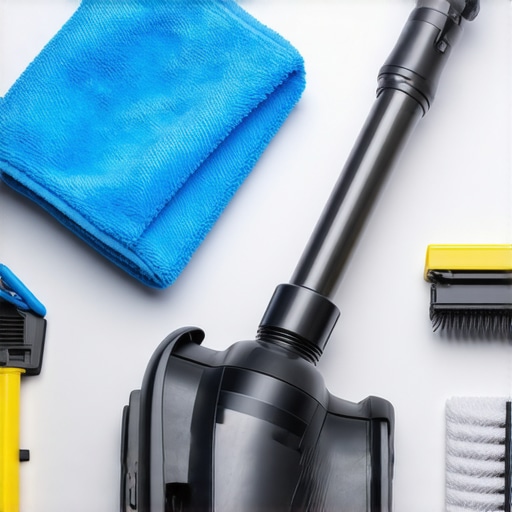
My go-to cleaning arsenal includes a Dyson V15 Detect for its superior filtration and suction power, which I trust because it captures the tiniest particles. Microfiber cloths have become indispensable—they trap dust effectively and are gentle on surfaces. I also swear by air purifiers with HEPA filters like the Winix Zero, ensuring healthy indoor air long after cleaning. In terms of knowledge, I highly recommend exploring expert cleaning secrets to sharpen your skills. For comprehensive routines, the step-by-step cleaning guide has been a game-changer in maintaining lasting cleanliness and health benefits.
Your Next Step Toward a Healthier Space
Believe me, taking charge of your cleaning routine transforms your environment—not just visually, but at a microscopic level. It’s your turn to embrace these proven techniques and tools to ensure your home or workspace becomes a true sanctuary of health and freshness. Start small, stay consistent, and don’t hesitate to incorporate tech upgrades like robotic vacuums or UV sterilizers—they’re worth the investment. Every step you take today toward meticulous cleaning today sets the foundation for better health tomorrow. If you’ve ever struggled with an elusive dust problem, share your experience in the comments—your story might help someone else make that crucial leap toward a cleaner, safer space.