Ever felt that sinking frustration after a deep cleaning session where your home still smells off, or the surfaces don’t quite feel pathogen-free? I used to spend hours scrubbing, only to realize I was unknowingly adding more toxins to our living space. That lightbulb moment hit hard—cleaning wasn’t just about sparkling surfaces; it was about what I was leaving behind.
The Wake-Up Call You Can’t Ignore
Is Eco-Friendly Cleaning Really Enough to Protect My Family?
Early on, I made a costly mistake—believing that all natural cleaners were automatically safe and effective. Turns out, some green products simply don’t cut it when it comes to truly disinfecting or eliminating allergens. Recent studies show that certain seemingly harmless ingredients can still cause respiratory issues or skin irritations, especially for sensitive individuals. For example, some products labeled ‘green’ rely on fragrances that may be more irritating than conventional cleaners. Recognizing these pitfalls is crucial, and I want to help you avoid the same missteps. If you’ve ever struggled to find safe yet powerful cleaning solutions, you’re not alone.
Today, we’re going to explore five proven, eco-friendly fixes that will revolutionize your cleaning routine in 2026, ensuring your home is healthier without sacrificing safety or efficacy. And trust me, these aren’t just trends—they’re strategies I’ve tested and swear by. Want to make your home a sanctuary rather than a chemical battleground? Let’s dive in.
Set a Clear Cleaning Goal
Identify the areas that need the most attention, like high-touch surfaces or neglected corners. During a recent weekend, I started by focusing solely on the kitchen counters and doorknobs, knowing these are hotspots for germs. This focus allowed me to allocate my effort efficiently and see immediate results, motivating me to tackle other zones systematically.
Choose Your Eco-Friendly Tools and Products Wisely
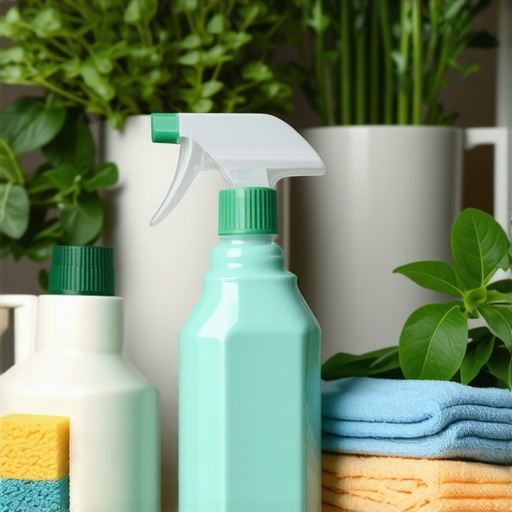
Opt for natural, proven-effective cleaners. I recommend using vinegar, baking soda, and eco-certified solutions that target bacteria without harmful chemicals. When I first experimented, I combined vinegar and water in a spray bottle, testing on various surfaces. The trick is to select products that are both safe and powerful—sometimes, nature’s remedies outperform chemical cleaners without the risks.
Master Proper Surface Preparation
Pre-clean surfaces to remove dust and debris. Use a microfiber cloth or a vacuum with HEPA filters to clear loose dirt, making sanitizing more effective. In my own experience, vacuuming first prevented spreading dust around during wiping, much like preparing a canvas before painting ensures better adhesion and clarity.
Apply Correct Sanitizing Techniques
Use the right tools—microfiber cloths or sponge scrubbers—and follow directions for effective contact time. For example, I applied a vinegar solution to bathroom tiles, letting it sit for 10 minutes before scrubbing. This technique is akin to steeping tea—allowing the solution to penetrate surfaces ensures maximum disinfectant action. Avoid rushing—proper dwell time is essential for breaking down germs and allergens.
Focus on High-Touch Zones
Prioritize cleaning areas touched frequently, like light switches, handles, and electronic buttons. I kept a small spray bottle and microfiber cloth in my cleaning kit, so I could quickly disinfect these spots during daily routines. This targeted approach greatly reduces pathogen spread, similar to strategic security checks in a busy airport, where focusing on key points prevents breaches.
Implement a Routine Schedule
Consistency is key. Establish daily, weekly, and monthly cleaning routines. I set reminders on my phone to sanitize high-touch items daily and do thorough deep cleans bi-weekly. Following a structured schedule transforms cleaning from a daunting chore into a manageable habit, much like a well-planned workout routine enhances overall fitness without burnout.
Deep Clean for Persistent Problems
Address stubborn dirt or allergen build-up with intensive techniques. I once tackled hidden mold behind bathroom tiles by applying a mixture of baking soda and vinegar, letting it sit for 15 minutes, then scrubbing vigorously. Using the deep clean routine, you can reach stubborn spots that regular cleaning misses, restoring health and freshness to your environment.
Ventilate and Maintain Airflow
Open windows, use HEPA purifiers, and improve ventilation after cleaning. I noticed that after airing out my home, any residual odors from natural cleaners dissipated quickly, and indoor air quality improved. Proper airflow prevents toxin accumulation, much like mixing fresh air in a sealed room refreshes the atmosphere.
Track Your Progress and Adjust
Keep a cleaning journal or checklist. After each session, note what worked and what didn’t. I realized that spraying and wiping in a single pass wasn’t as effective as allowing disinfectants to dwell. Review your methods periodically, refining your routine for maximum safety and efficiency. This ongoing process ensures your cleaning practices evolve with your home’s needs, similar to how athletes adjust their training for better results.
Many assume that the path to a spotless, germ-free home or office is straightforward—scrub, disinfect, repeat. However, even seasoned cleanliness enthusiasts often fall prey to misconceptions that can undermine their efforts and impact health. Let’s dig deeper into some nuanced pitfalls and misconceptions that many overlook, so you can elevate your cleaning routine beyond the basics.
One pervasive myth is that traditional disinfectants are always safe and effective. While disinfectants can eliminate pathogens, they often contain chemicals that may pose health risks with overuse, especially in sensitive environments. For example, bleach and quaternary ammonium compounds are highly effective but can cause respiratory issues or skin irritations if not used properly. Experts warn that prolonged exposure or improper ventilation amplifies these risks. Instead, consider using EPA-registered natural alternatives that are tailored for effective antimicrobial action without toxicity.
A common trap is the overemphasis on cleaning visible dirt rather than focusing on high-touch, germ-prone areas. People might spend extra time on decorative surfaces while neglecting handles, switches, or electronic devices. High-touch zones are where germs and allergens accumulate disproportionately, making targeted cleaning essential. This nuanced focus dramatically improves health safety, as highlighted by the CDC’s guidelines.
Now, you might wonder: what about the frequency of deep cleaning? Many think weekly cleans suffice, but bacteria and mold can develop in hidden nooks much faster, especially in humid environments. Overlooking this can lead to the buildup of allergens and pathogens over time. To get ahead, implement a tailored deep cleaning schedule based on your environment’s specific needs, and consult expert routines like those outlined in deep cleaning secrets for a germ-free home.
One sophisticated mistake is assuming that all cleaning products work equally across surfaces. Many chemical cleaners are not suitable for every material or surface, risking damage and uneven cleaning results. For instance, acidic solutions like vinegar, while natural, can harm natural stone countertops if used excessively. Knowing the right product for the right surface is crucial. A helpful tip is to consult manufacturer recommendations or expert guides to prevent costly mistakes.
Let’s not forget the importance of airflow during and after cleaning—an often-overlooked step. Proper ventilation is vital for removing airborne chemicals and residual allergens. Closing windows immediately after cleaning traps fumes indoors, which can affect respiratory health. Opening windows or using HEPA purifiers, as discussed in airflow strategies, ensures better indoor air quality.
Finally, a key advanced nuance is understanding that sanitation isn’t just a one-time effort but an ongoing process. Neglecting routine maintenance allows microorganisms to re-establish quickly. Regular assessment of your cleaning effectiveness, perhaps through testing allergen levels or surface swabs, can help refine your practices over time. Consider integrating these steps into your schedule; consistency is the backbone of lasting trust in your environment.
Have you ever fallen into this trap? Let me know in the comments. Recognizing and correcting these hidden pitfalls can transform your cleaning from routine chore to a truly health-promoting practice.
Maintaining a clean and sanitized environment requires more than just selecting the right products; it hinges on employing effective tools and routine techniques that ensure durability and efficiency. As someone who has experimented extensively with various equipment, I can confidently say that investing in quality tools yields dividends over time, saving you effort and enhancing results.
Choosing the Right Equipment for Consistent Results
My go-to is a high-quality microfiber mop with replaceable heads. The microfibers trap dust and microbes better than traditional cloths, and the ability to swap out heads minimizes cross-contamination. For surfaces like bathroom tiles or kitchen counters, I rely on a handheld steam cleaner. It disinfects without chemical cleaners, saving money and reducing chemical exposure, especially important with ongoing health trends leaning towards natural solutions. Deep cleaning routines commonly incorporate steam because it ensures thorough sanitation without residue.
How do I maintain my cleaning tools over time?
Proper maintenance extends the lifespan and effectiveness of your equipment. For microfiber cloths and mop heads, I wash them after each use with hot water and natural detergent, avoiding fabric softeners which diminish cleaning ability. Steam cleaner accessories should be regularly descaled using descaling agents recommended by manufacturers, like citric acid solutions. Regularly inspecting and replacing worn mop heads or brush attachments prevents bacteria buildup, maintaining Hygiene standards. Using these strategies prolongs tool life and guarantees consistency in cleaning performance.
Leveraging Technology for Long-Term Results
Automation is evolving swiftly in the cleaning domain. I’ve integrated robotic vacuum cleaners with UV sterilization features into my routine. These devices automatically clear dust and allergens from floors daily, while their UV lamps eliminate lingering microbes. The predictive scheduling app I utilize adjusts cleaning times based on activity levels, preventing buildup and ensuring steady hygiene. Predictive technology paves the way toward smarter, less labor-intensive maintenance, and I foresee further integration of AI-driven sanitation systems in both homes and offices.
Future Trends: Smarter Cleaning Solutions
The industry is moving toward comprehensive, app-controlled cleaning environments that monitor air quality and surface microbes continuously. From smart air purifiers to connected cleaning robots, the goal is to create a self-sustaining cleanliness ecosystem. Staying ahead involves investing in these innovations now, particularly in spaces where health is paramount. As experts agree, adopting such tools early on can significantly enhance the longevity of your sanitation efforts, making them more reliable and less time-consuming. For example, effective sanitizing hacks suggest that integrating multiple smart devices can multiply cleaning efficacy.
Strategies to Keep Your Cleaning Routine Effective
Once you select the right equipment, consistency is key. Schedule weekly deep cleans using your favorite tools, like my steam cleaner and microfiber mops, to tackle persistent grime and allergens. Regularly updating your toolkit, replacing worn parts, and embracing new technologies ensures sustainable results. Remember, the goal isn’t just a spotless appearance but a healthier environment that maintains its integrity over time. Testing your environment periodically with microbial surface testing kits can provide feedback on your routine’s effectiveness, guiding adjustments as needed.
I encourage you to try out a high-quality microfiber mop combined with a steam cleaner for your next deep clean. The synergy of these tools, used with proper maintenance, can dramatically improve your long-term sanitation results. Keep your equipment in top shape, stay updated with emerging tech, and your environment will remain safer and healthier. If you want more detailed guidance on optimizing your routines, check out the article on deep cleaning strategies or consult professional tips shared by leading experts in professional cleaning secrets.”}]}+0) }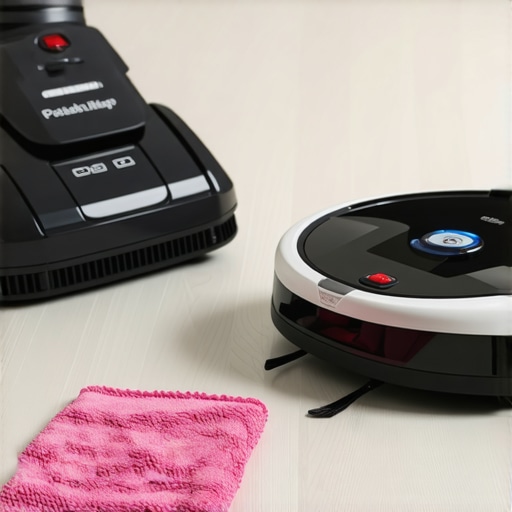 }##The ideal cleaning tools combine durability, efficiency, and ease of maintenance. Investing in quality microfiber cloths, steam cleaners, and smart automation devices ensures your routine remains effective over time, reducing effort and boosting trust in your environment’s safety. Remember, routine maintenance of these tools, like regular washing and descaling, is crucial to sustain their performance and longevity.
Lessons No One Tells You About Deep Cleaning
One of the biggest breakthroughs in my cleaning journey was realizing that surface appearance can be deceptive. A surface might look spotless but still harbor invisible germs if you neglect proper contact time or high-touch zones. I learned this the hard way after a bout of stubborn allergies that persisted despite regular cleaning—the hidden allergens were lurking in overlooked spots. This taught me to focus on areas that truly matter, like under appliances and behind furniture.
Another lightbulb moment was understanding the importance of smart scheduling. I used to clean sporadically, which led to inconsistent results. Now, establishing a disciplined routine with deep cleans and quick daily disinfecting keeps microbes at bay and creates a safer environment. It’s not about spending hours but about making smart, consistent choices that reinforce health without overwhelm.
Finally, I discovered that trusting only the latest trendy products isn’t enough. Sometimes, traditional tools like microfiber cloths and natural solutions outperform complex gadgets—if used correctly. Investing in quality tools and mastering their maintenance can transform your cleaning results, making your environment more trustworthy and safer for everyone.
My Go-To Resources for Mastering Sanitation
I’ve found that understanding the science behind cleansing methods is empowering. For in-depth insights, Deep Cleaning Secrets for a Germ-Free Home in 2025 offers proven strategies that I use regularly. It breaks down routines into manageable steps suitable for busy schedules, ensuring thorough sanitation without stress.
For specific tools, I rely on recommendations from essential house cleaning tips. Their reviews on microfiber cloths, steam cleaners, and air purifiers help me select reliable equipment that lasts and performs. These tools have become indispensable parts of my routine.
Learning from professional insights keeps me motivated. I stay updated with secrets of expert house cleaners—tips that elevate everyday cleaning and help me maintain a pristine environment effortlessly.
Take Action and Keep Moving Forward
The journey to a healthier home and office is ongoing. Implementing these insights makes a real difference, but consistency and curiosity matter most. Keep experimenting, stay informed, and don’t be discouraged by initial setbacks. Your environment’s safety depends on your commitment to mastering the subtle, often-overlooked aspects of sanitizing. Remember, every small step accumulates into a significant victory for your health.
What’s one cleaning habit you’ve been meaning to improve? Share your thoughts in the comments—your story might inspire someone else to take that essential step toward a healthier space.
http://Sophia%20Bennett
Reading through this comprehensive guide really resonated with me—especially the emphasis on proper surface preparation and high-touch zones. I used to focus mainly on visible dirt, but after experiencing recurring allergies, I realized that hidden allergens often lurk in overlooked spots like behind furniture or under appliances. The tip about maintaining airflow during and after cleaning was a game-changer for me; I started opening windows immediately after deep cleans, and I noticed a marked improvement in indoor air quality. I’m curious, has anyone tried integrating smart technology, like UV sterilizing vacuums or app-controlled air purifiers, into their routine? I’m considering upgrading my cleaning tools, but I’d love to hear about real-world experiences with these devices. Also, what’s been the most effective way for others to stay consistent with routine schedules without feeling overwhelmed? Looking forward to hearing everyone’s strategies–sometimes, a little community sharing makes all the difference in staying committed to healthier habits.
http://Madeline%20Cooper
This post really hits home for me, especially the part about choosing the right tools. I used to rely solely on chemical cleaners and found that my allergies never quite improved, despite regular cleaning. Switching to natural solutions like vinegar and baking soda made a noticeable difference, but I also invested in a good microfiber mop and steam cleaner, which really elevated my cleaning game. I’ve noticed that maintaining airflow during and after cleaning not only helps with odors but also reduces airborne allergens, which is an added benefit. One challenge I face is staying consistent with my routine, especially on busy weeks. Do others have tips for integrating quick, effective cleaning habits into a hectic schedule without feeling overwhelmed? Also, I’m curious about incorporating smart tech—has anyone had success with robotic vacuums or air purifiers that you can control via app? Your insights could really help me refine my approach and make my home safer and healthier for my family.
http://James%20Morgan
I really appreciate this detailed post on eco-friendly cleaning in 2026. As someone who’s always been cautious about chemical exposure, I’ve switched to vinegar and baking soda for most of my cleaning needs. The section about choosing tools wisely resonated with me because I recently invested in a steam cleaner, and it has made a noticeable difference, especially in disinfecting without additional chemicals. I find that maintaining airflow is often overlooked but crucial—I’ve started opening windows and using air purifiers after cleaning, which has helped reduce lingering odors and airborne allergens. A question I have: have others found success with integrating smart technology, like automatic UV sterilizers or app-controlled air purifiers, into their routine? Do these devices genuinely keep their environment healthier and reduce effort? I’d love to hear real-world experiences on this. Also, maintaining a consistent schedule can be tough with a busy household—any tips on staying motivated and organized? Thanks again for sharing these practical strategies!
http://Olivia%20Jenkins
I really enjoyed reading this comprehensive post and appreciate the emphasis on smart, targeted cleaning approaches. Personally, I’ve found that investing in a good microfiber mop and ultrasonic air purifier has changed how effectively I maintain my home. I also started implementing a cleaning schedule that focuses on high-touch zones daily, which has made a noticeable difference in reducing allergen buildup. One thing I wonder about is the long-term durability of smart cleaning devices—how well do they hold up with regular use, and do they truly save time in the long run? I’ve seen some robotic vacuums with UV sterilization features, but I’m curious if others have had real success integrating these into their routines and if they’ve noticed tangible health benefits. Also, I’d love to hear tips from the community about balancing routine deep cleaning with daily maintenance, especially in busy households. Sometimes, I feel overwhelmed trying to keep everything consistently sanitized, so any advice on staying motivated would be much appreciated.