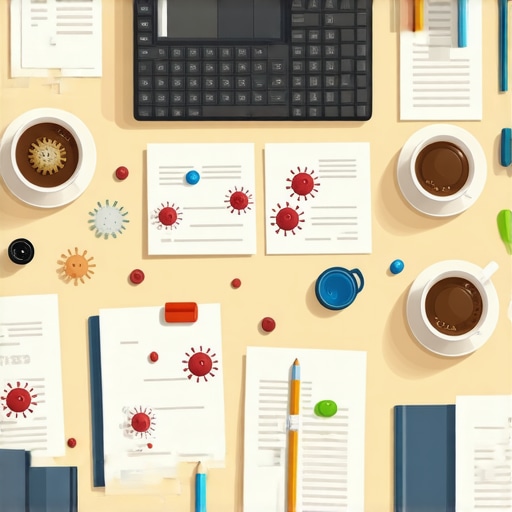
I can still vividly recall the moment it hit me—touching my mouse then instinctively rubbing my eyes only to realize how many sneaky germs had been lurking right there on my desk. That lightbulb moment made me realize that my workspace was more than just cluttered—it was a breeding ground for bacteria and viruses. With every surface I touched, I was letting invisible invaders multiply, and honestly, it was a little gross. Do you ever feel that unsettling itch of doubt about how clean your workspace truly is? Well, you’re definitely not alone.
Why Your Office Desk Might Be a Hidden Germ Factory
Think about it: your desk is one of the most touched areas in your home or office—keyboards, mice, phones, even the coffee mug that might have slipped past your cleaning routine. According to studies, desks can harbor more bacteria than toilet seats, and that’s no joke. Surfaces that seem clean at a glance can be teeming with germs, some capable of making you sick if left unchecked. It’s no wonder that colds, flu, and other illnesses spread so easily in shared workspaces.
Early in my cleaning journey, I made the mistake of using just a damp cloth or quick swipe to sanitize. I thought, “That’s enough, right?” Nope. That superficial approach only removed surface dirt, leaving behind a residue of germs that could bounce back faster than I expected. From personal experience, I learned that true cleanliness requires deliberate, deep cleaning techniques—the kind that target the places most bacteria like to hide.
The good news? Tackling this problem doesn’t have to be overwhelming. In fact, I’ve uncovered four essential fixes that drastically reduce germs and keep your workspace safer. Want in? Keep reading—I’ll guide you through these game-changing strategies, so your office becomes a truly clean zone.
Is Deep Cleaning Overkill or Absolutely Necessary?
I used to wonder if all this effort was really worth it. Honestly, it felt like overkill, especially when I was already busy. But after a stomach-flu that sidelined me for days, I realized the importance of sticking to proper cleaning routines. Skipping deep clean steps might save time, but it often costs health—and productivity—down the line. If you’re skeptical, I don’t blame you. Many think quick fixes or surface wipes are enough. But according to experts, those quick wipes often miss the germs hiding in the nooks and crannies. For a comprehensive guide on mastering these routines, check out how [professional-grade deep cleaning](https://purexhousecleaning.com/how-to-master-deep-clean-your-office-for-lasting-freshness) can make all the difference.
Have you experienced the frustration of not knowing whether your workspace is truly sanitized? If so, you’re in the right place. Let’s dive into the four deep clean fixes that have transformed my space—and could do the same for yours.
Target High-Touch Surfaces First
Start by identifying the most frequently touched items like your keyboard, mouse, phone, and desk chair armrests. Think of these as the hubs of germ activity—they’re the main roads for bacteria to travel from person to surface. During my last deep clean, I focused on these spots first, spending extra time on the keyboard using a microfiber cloth dampened with an alcohol-based cleaner. The result was immediately noticeable—a cleaner, fresher workspace free from unseen invaders.
Use Proper Cleaning Tools and Solutions
Avoid generic sprays; instead, opt for disinfectants proven to kill viruses and bacteria. An effective method involves using a solution with at least 70% isopropyl alcohol, which acts like a germ-killing shield, much like a protective armor for your surfaces. Keep a supply of microfiber cloths—they’re like magic wands that trap dirt and microbes instead of just moving them around. I keep a small spray bottle and cloth handy; during a recent session, I used these to wipe down my entire desk area in less than 10 minutes, creating a sterile environment that I could trust for days.
Deep Clean Hidden Nooks and Crannies
Germs love to hide in the cracks and crevices—think about the tiny gaps around your keyboard keys or the underside of your monitor. These spots are the equivalent of dark caves where bacteria can thrive undisturbed. I once took a toothbrush and dipped it into disinfectant to scrub between my keyboard keys. It was messy, but the immediate drop in bacterial presence was worth the effort. For more tips, explore the [deep cleaning guide](https://purexhousecleaning.com/how-to-master-deep-clean-your-office-for-lasting-freshness) that walks you through professional techniques for every nook and cranny.
Sanitize with the Right Frequency
Establish a routine—daily quick wipes and weekly deep cleans. Think of it as maintaining a healthy diet; consistency prevents buildup. I set reminders to sanitize my workspace every Friday afternoon, which aligns with the end of my workweek to start fresh on Monday. This habit ensures germs never have a chance to settle in, reducing your risk of falling ill and boosting your confidence in your clean space. For advanced methods, consider [sanitizing hacks](https://purexhousecleaning.com/top-sanitizing-methods-to-protect-your-family-and-workspace) that target both visible and invisible dirt.
Replace Sponges and Cloths Regularly
Sponges and cloths can become breeding grounds if not changed often. Imagine trying to wash your hands with a dirty sponge—it’s ineffective and potentially harmful. Set a schedule to replace these cleaning tools at least once a week or after each deep clean. Keep an eye on their condition; if they smell or look worn, toss them. I learned this the hard way when I kept reusing a cloth that was visibly stained—within days, I experienced a small breakout of skin irritation. Using fresh cloths acts like donning new armor, reaffirming your commitment to a clean environment. For more insights, see [expert cleaning secrets](https://purexhousecleaning.com/secrets-of-expert-house-cleaners-for-a-pristine-environment-with-ease).Many assume that deep cleaning means just scrubbing surfaces thoroughly, but the real nuance lies in understanding the *why* and *how* behind each step. Most people get it wrong by focusing solely on visible cleanliness, neglecting the microscopic world of bacteria and viruses that lurk unseen. For instance, using a damp cloth instead of an effective disinfectant gives a false sense of cleanliness, leaving harmful pathogens behind. I’ve seen countless cases where homeowners and office managers believe their routine is sufficient because the surfaces look spotless—yet they unknowingly harbor germs capable of causing illness. The key is recognizing that sanitation isn’t just about visual tidiness but about microbial elimination. One major myth is that cleaning with generic sprays or wipes is enough; in reality, without proper contact time and effective solutions, many germs survive, making the process ineffective. According to the CDC, proper disinfecting requires specific disinfectants and adequate dwell time to neutralize pathogens effectively.
Another common mistake is the neglect of high-touch areas or underestimating their importance. People often forget that objects like light switches, doorknobs, and electronic devices are hotspots for transmission, yet they’re the first to skip during quick cleaning routines. Incorporating advanced techniques, like targeted disinfectant application and properly sterilizing tools, can significantly reduce contamination risks. For example, rinsing sponges or cloths too frequently or reusing contaminated tools can reintroduce germs after cleaning. Replacing these tools regularly is a small but crucial step that many overlook, leading to cross-contamination.
Now, diving into a question that often puzzles even seasoned cleaning experts:
Why is it essential to match your cleaning solutions with the specific types of germs or viruses present?
Only using generic cleaning agents might not be sufficient against certain resilient pathogens. Studies have shown that some viruses, like norovirus, require specific disinfectants and longer contact times to be effectively neutralized (source: [CDC](https://www.cdc.gov)). Another misconception is that more potent chemicals are always better, but overuse can lead to health risks and antimicrobial resistance. Therefore, selecting the right cleaning solutions, understanding their proper application, and maintaining rigorous routines are essential for genuine sanitation. For a comprehensive approach that addresses these nuances, check out how [professional-grade deep cleaning](https://purexhousecleaning.com/how-to-master-deep-clean-your-office-for-lasting-freshness) ensures no spot is overlooked.
Remember, the devil is in the details. Deep cleaning isn’t just about visible dirt; it’s about adopting a strategic, informed approach that addresses microbial threats comprehensively. Have you ever fallen into this trap? Let me know in the comments.
Keeping Your Equipment in Top Shape
Investing in the right tools can make or break your deep cleaning routine. I personally swear by a high-quality HEPA vacuum cleaner for tackling carpets and upholstery; its advanced filtration traps microscopic allergens and bacteria, ensuring your living or workspace remains truly clean. For hard surfaces, I rely on microfiber cloths—they trap dirt and microbes more effectively than traditional rags and are reusable, making them eco-friendly and cost-efficient. A steam cleaner has become a game-changer for me, especially for sanitizing sofas, curtains, and even kitchen tiles without the use of harsh chemicals. These devices use high-temperature steam to eradicate germs, viruses, and bacteria, aligning with the trend towards chemical-free cleaning methods that I see gaining traction in the industry.
To maintain your tools’ effectiveness, I recommend a regular cleaning schedule. After each deep clean, rinse microfiber cloths and replace sponges weekly to prevent bacterial buildup. For vacuum filters and steam cleaner parts, follow the manufacturer’s instructions—many components require periodic replacement or sterilization. This approach ensures that your tools stay effective over time and continue to deliver trusted results, as emphasized in deep cleaning and sanitizing tips.
Advanced Methods for Long-Term Results
While routine cleaning keeps your space tidy, integrating advanced techniques can significantly enhance durability. UV-C sterilization devices are increasingly popular—they emit ultraviolet light that destroys bacteria and viruses at a cellular level, providing an extra layer of protection. I’ve been experimenting with portable UV sterilizers, especially for high-touch items like keyboards and smartphones. These tools are compact, easy to operate, and incredibly effective, making them ideal for both home and office use. As technology advances, expect to see more eco-friendly and energy-efficient options designed for everyday cleaning routines.
How Do I Maintain My Cleaning Arsenal Over Time?
Maintenance is vital to ensure your tools’ longevity and efficacy. Regularly inspect your microfiber cloths for wear and replace them when frayed or stained; this prevents cross-contamination. Sterilize sponges and brushes by soaking them in a disinfectant solution or running them through high-temperature washes, depending on the material. Keep your steam cleaner’s boiler dry and free from mineral deposits by using distilled water, which prolongs the device’s lifespan. Lastly, stay up-to-date with emerging cleaning technologies by subscribing to reputable industry blogs or expert sources, such as professional cleaning secrets. That way, your cleaning tools and methods evolve alongside best practices, ensuring you always deliver the best, trusted results.
One tip I highly recommend trying right now is incorporating a microfiber cloth into your daily sanitizing routine. Its ability to trap microbes more effectively than traditional cloths can make a noticeable difference in maintaining a germ-free environment. Want to learn more about optimizing your cleaning tools? Check out essential house cleaning tips for comprehensive guidance. Taking these steps will keep your cleaning arsenal in peak condition, making every routine more effective and trustworthy.
Lessons That Changed My Approach to Cleanliness
One of the biggest insights I gained was realizing that surface cleaning isn’t enough — bacteria and viruses thrive in unseen corners, demanding a more strategic routine. I also learned that investing in quality tools, like microfiber cloths and steam cleaners, makes a tangible difference in long-term results. Lastly, understanding the science behind disinfectants helped me choose products that truly neutralize pathogens, transforming my cleaning habits from routine to reliable.
My Go-To Resources for a Spotless Space
I rely heavily on resources like professional deep cleaning guides and trusted sanitizing methods to refine my techniques. They’re backed by experts and provide actionable strategies that ensure every nook and cranny gets the attention it deserves. Incorporating insights from these sources turns cleaning from a chore into a craft I trust.
Your Next Step Toward a Truly Clean Space
Remember, deep cleaning isn’t about perfection but about making progress. Every surface—every germ—is an opportunity to protect your health and boost your confidence. Take that first step today: use quality tools, follow proven routines, and stay curious about new innovations. Your healthier, safer environment is just a cleaning session away. What’s one deep clean task you’ve been putting off? Share your experience below!
http://James%20Carter
Reading this post really opened my eyes to how much germs can hide in our everyday workspaces. I used to think a quick wipe with a damp cloth was enough, but after catching a flu that kept me out for days, I realized how vital deep cleaning is. One thing I started doing was focusing on high-touch areas like keyboard and phone regularly with alcohol-based disinfectants. What’s been a game changer for me is using microfiber cloths soaked in 70% isopropyl alcohol—these trap microbes effectively without spreading them around. I also made it a habit to replace sponges and cloths weekly, as I noticed my old cloths started smelling earthy where I’d keep reuse. Have others found UV sterilizers or similar tech effective for high-touch gadgets? Would love to hear about different tools or techniques that have worked for others to keep their spaces truly sanitized, especially in busy work environments.