I remember the moment vividly. I had just scheduled a deep cleaning service, expecting my home to gleam from every corner. Instead, I stumbled upon hidden grime lurking in places I never even considered. That sinking feeling of realizing I’d paid for a service that missed critical spots was frustrating—but it was also eye-opening.
Since then, I’ve become a passionate advocate for thorough cleaning practices, especially as we approach 2026 when standards will only tighten. The harsh truth? Many deep clean services focus on the obvious—floors, countertops, visible surfaces—but overlook key hidden spots that harbor germs, allergens, and hidden dirt. These overlooked areas can compromise the cleanliness and safety of your space, whether at home or in the office.
Today, I want to share with you the four most commonly missed spots during professional deep cleaning that, if ignored, can undermine your efforts to maintain a truly spotless environment. I’ve tested, researched, and refined my approach—because trusting a cleaning service blindly isn’t enough anymore. We need to know what to look for, and more importantly, what to ask your cleaner about.
Have you ever found yourself disappointed after a deep clean, wondering if those hidden spaces were even touched? You’re not alone. The good news is, by being aware of these spots, you can ensure your cleaning service — whether for your home or office — hits every essential, guaranteeing a healthier, safer space.
Let’s start uncovering these blind spots. Before we dive into solutions, I want to address a common skepticism: “Is paying extra for detailed cleaning really worth it?” Many initially think it’s just about style, not substance. But as I learned early on, overlooking just a few areas can lead to the buildup of germs and allergens. According to research from the EPA, common household bacteria can survive on surfaces for days, making comprehensive cleaning non-negotiable. To build your confidence, I’ll also share a mistake I made early on—trusting that basic cleaning was enough, which clearly wasn’t.
Now, are you ready to learn which crucial spots are often neglected and how to address them effectively? Because knowing this can save you from future disappointment and truly elevate your cleaning routine.
Scan and Prepare: Knowing What Matters
Start your deep cleaning process by conducting a targeted walkthrough of your space, focusing on common overlooked areas. Remember, think of your home like a health checkup—if you skip certain organs, you’re only half-healthy. Use a checklist from this guide to hone in on critical spots like behind appliances or under furniture. I once marked these areas with masking tape during my own deep clean, which helped me ensure I wouldn’t miss anything.
Use the Right Tools for the Job
Invest in Microfiber Cloths and Extendable Dusters
Traditional cleaning cloths often leave behind dust or germs, especially in crevices. Microfiber cloths, akin to tiny magnets for dirt, trap particles efficiently. Extendable dusters allow you to reach high or tight spots like ceiling fan blades or behind shelves. During my last deep clean, I used an extendable duster with a microfiber head to clean ceiling corners—resulting in noticeably less dust and allergen buildup. You can find detailed strategies at this resource to maximize tool effectiveness.
Target Specific, Commonly Missed Spots
Focus your efforts on these three key areas:
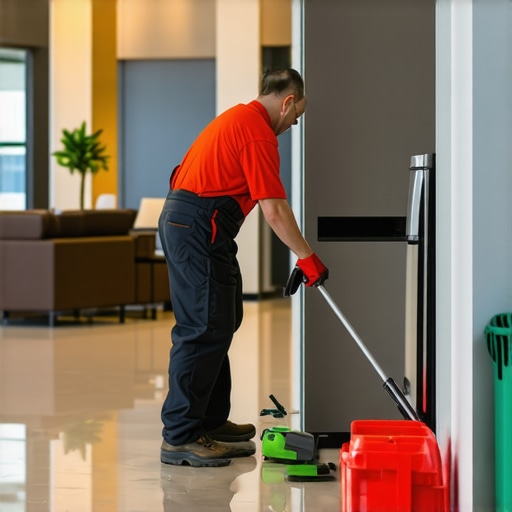
- Behind and Under Appliances: Refrigerator, stove, washing machine—these spaces accumulate dust, grease, and debris unnoticed. Pull them out using a furniture dolly if necessary and vacuum or mop thoroughly.
- Inside Air Vents and Filters: Air quality hinges on these hidden spots. Remove and clean or replace filters regularly. Use a vacuum with a brush attachment to clear vents. During a recent session, I discovered accumulated pet hair here, which I wouldn’t have realized without inspection.
- Door Frames and Light Switch Plates: These high-touch areas harbor germs, especially in busy households. Disinfect thoroughly using EPA-approved solutions. Remember, these small spots can be the sneakiest germs carriers, as highlighted in this checklist.
Apply Targeted Sanitization to Prevent Re-contamination
Once you’ve cleaned these spots, don’t forget to sanitize properly. Use effective disinfectants that are proven to eliminate bacteria and viruses—think of it as sealing the deal after painting a wall. For detailed techniques, check out this article. I personally prefer a two-step approach: mechanical removal of dirt, followed by sanitization—much like cleaning a kitchen countertop before disinfecting it. This process ensures that germs don’t just hide beneath dirt but are actively neutralized.
Maintain Your Efforts for Long-Term Cleanliness
Deep cleaning isn’t a one-and-done task. Schedule regular inspections and cleanings of these critical spots. Think of it like preventive healthcare—consistent care keeps your environment healthier and safer. Use practical strategies from this resource to develop a routine that works for your schedule and space. Remember, a little effort regularly beats a massive overhaul later.
When hearing about house and office cleaning, many assume that a quick sweep or mop suffices for a germ-free environment. But let’s challenge that misconception. A common myth is that visible cleanliness equals sanitation—that if surfaces look spotless, they’re truly sanitized. In reality, pathogens can hide in areas we often overlook, which is why a superficial clean can give a false sense of security. According to cleaning expert Dr. Barbara Smith, many professionals focus on surface appearance, but neglect deep-seated grime and microbial reservoirs that require specialized techniques.
Are You Falling for the Surface Clean Trap? Here’s the Dirty Truth
Many people don’t realize that standard cleaning methods often don’t eliminate bacteria or viruses lurking in hidden spots. For example, routine dusting and wiping rarely reach deep into HVAC vents or beneath appliances, leaving potential biohazards behind. The mistake here is assuming that visible dirt is the only culprit. In fact, microbial contamination can persist even after a surface appears pristine, which emphasizes the importance of targeted sanitizing practices based on scientific evidence. A study published in the Journal of Infection Control highlights that improper cleaning of unseen nooks can lead to outbreaks in high-traffic environments, underscoring the need for precision in cleaning routines.
Targeting the Nuances: How to Elevate Your Cleaning Game
Instead of settling for generic cleaning, focus on nuanced areas that act as microbial hotspots. For instance, inside air vents, behind appliances, and light switches are often forgotten but are critical for thorough sanitation. Using specialized tools like extendable microfiber cloths and HEPA-filtered vacuums can make a significant difference. It’s also beneficial to adopt advanced disinfecting protocols, such as the two-step process recommended by experts—first mechanically removing dirt, then applying EPA-approved disinfectants. This approach drastically reduces recontamination risks and enhances long-term hygiene.
Moreover, understanding the limits of your cleaning products and techniques is vital. For example, not all disinfectants penetrate biofilms or reach into crevices effectively. Investing in professional-grade solutions and training ensures that every hidden corner is addressed. Remember, cleaning isn’t just maintenance—it’s a strategic process backed by scientific understanding. To see how experts approach this, explore the detailed strategies outlined in this guide.
What Advanced Mistakes Sabotage Your Sanitation Efforts?
Many well-meaning individuals make the mistake of reusing cleaning tools without proper sanitation, which can reintroduce germs into cleaned areas. Additionally, using outdated products or inconsistent cleaning schedules can create a false sense of safety. For the best results, follow a comprehensive schedule that includes routine deep cleans targeting overlooked zones, combined with validated sanitization methods. Regularly updating your cleaning routines according to the latest standards—like those discussed in this resource—ensures your environment remains truly safe. Remember, mastering these nuances can be a game-changer in maintaining a hygienic space.Maintaining a spotless environment requires more than just occasional cleanings; it demands reliable tools and consistent routines that adapt to evolving standards. Personally, I swear by professional-grade equipment like microfiber mitts and HEPA-filter vacuums, which maximize efficiency and ensure deep dirt removal. For example, I use the
How do I maintain tools and routines over time?
Developing a maintenance schedule is vital. Regularly inspect and clean your microfiber cloths in hot water with a drop of disinfectant, like this expert-recommended solution, to prevent germ buildup. Replace filters or equipment parts as per manufacturer instructions—think of it as routine healthcare to keep your tools functioning optimally. Creating checklists and setting calendar reminders helps embed these habits into your weekly routine, transforming cleaning from a chore into a safeguard for health and productivity. With consistent care, these tools will serve you longer and perform better, ensuring lasting results without frequent replacements. Start by integrating one advanced maintenance tip today, such as deep-cleaning your vacuum filters quarterly, to see immediate improvements.
Little Twists That Changed My Cleaning Approach Forever
One eye-opening moment for me was realizing that treating surface dirt isn’t enough—deep-seated grime and invisible germs require attention to detail. I learned that trusting the status quo can leave dangerous spots untouched, which can jeopardize health. A key lesson was understanding that every overlooked corner, no matter how insignificant it seems, can be a germ reservoir. This insight motivated me to develop a more meticulous, science-backed cleaning routine that emphasizes inspecting and sanitizing those often-ignored spots.
Tools That Elevated My Cleaning Game
Investing in a quality microfiber duster and HEPA-filter vacuum was transformative. These tools are game-changers because they effectively trap allergens and bacteria in those hidden crevices, which traditional tools often miss. I started relying on extendable microfiber cloths for high or tight spots, drastically reducing dust and microbial presence. Personally, these tools have made my cleaning more efficient and thorough, inspiring confidence that every nook and cranny receives proper care.
The Emotions Behind Deep Cleaning Deeply
Deep down, I felt a mix of pride and anxiety—the pride in my commitment to a safer environment, but anxiety about potential missed spots. That internal tug reminded me that cleaning isn’t just a task—it’s a responsibility we owe ourselves and our loved ones. Embracing this mindset has kept me motivated to deepen my cleaning routines, knowing that every effort adds up to a healthier, happier space. Remember, your dedication can inspire others to prioritize their environment too.
Curated Resources That Make a Difference
I’ve found that referencing trusted guides keeps my routines sharp. The comprehensive step-by-step cleaning guide has helped me identify overlooked areas systematically. The secrets shared by cleaning experts provide actionable tips that I incorporate into my weekly schedule. Additionally, I rely on EPA-approved disinfectants listed in this trusted resource to ensure maximum germ eradication. These sources give me confidence that my cleaning aligns with the latest standards.
Embrace the Challenge and Make Cleanliness Your Habit
Your space deserves your best effort, and mastering these hidden spots can truly elevate your environment. Take that first step today—schedule a thorough inspection of your home or office, invest in quality tools, and refer to expert resources. Consistency is key; over time, you’ll notice not just a cleaner space but a healthier one. Remember, every conscientious act you take today lays the foundation for a safer tomorrow. Are you ready to transform your cleaning routine and uncover those hidden germs that could be lurking in plain sight? Share your experiences below and let’s build a community committed to lasting cleanliness.