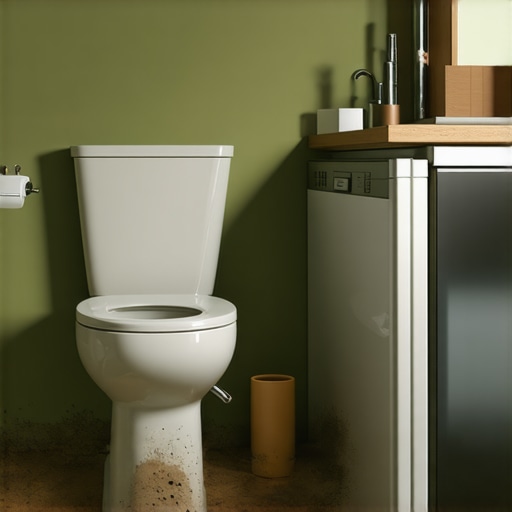
It hit me last weekend during my deep clean session—my house was spotless, or so I thought. As I meticulously scrubbed the bathrooms and dusted the shelves, a sudden realization struck me: there are areas we often overlook, even during a thorough clean. I’ve been guilty of skipping these spots for years, assuming they were clean enough, only to discover hidden grime lurking where I least expected.
Every time I dive into my annual deep clean, I aim for perfection. I scrub, sanitize, and organize, but somehow, I always miss a few crucial spots that can compromise my home’s cleanliness and health. Sound familiar? If you’ve ever felt like no matter how much you clean, some stubborn dirt just refuses to go away, then you’re not alone. The truth is, even the most dedicated cleaners often forget about these tricky zones.
Today, I want to share with you the three dirty spots most people forget in a 2026 deep clean—and how paying attention to these can transform your space. After all, the goal isn’t just to have a tidy house, but a truly clean and safe environment. Trust me, knowing these hidden areas made a significant difference in my own cleaning routine, and I’m confident it will do the same for you.
Why Missing These Spots Could Be Putting Your Home at Risk
One mistake I made early in my cleaning journey was ignoring the nooks and crannies of my home, thinking surface cleaning was enough. But studies show that dust, mold, bacteria, and allergens often hide in these unseen places, potentially impacting indoor air quality and health. According to the Environmental Protection Agency, indoor pollutants can be up to five times higher than outdoor levels—mainly due to overlooked areas that trap dirt and microbes. Recognizing this is the first step toward a truly deep clean.
Are you tired of feeling like your home isn’t as sanitary as it should be, despite all your efforts? If so, you’re in good company. Keep reading as I unveil the lesser-known spots that most people forget—and how to tackle them effectively. And if you want a comprehensive routine that covers every inch of your space, I recommend checking out the [ultimate deep clean routine for busy households](https://purexhousecleaning.com/the-ultimate-deep-clean-routine-for-busy-households).
Don’t worry—once you know where these areas are, your cleaning game will reach a whole new level. Let’s get started.
Target These Hidden Clues During Your Deep Clean
Think of cleaning as navigating a maze—we often focus on the main paths but forget about the quiet corners where dirt hides. One effective way to uncover these overlooked zones is to approach cleaning with a methodical step-by-step plan. I remember the time I decided to tackle my bathroom grout lines, which I’d ignored for years. Using a mixture of baking soda and vinegar, I scrubbed the grout with a narrow brush, which made a visible difference. This simple step revealed how much grime had accumulated in tight spaces and prevented mold growth.
Use the Right Tools and Techniques
Imagine trying to clean a window with a sock—it just doesn’t work well. The same goes for your house. For tight spots like vents, air filters, or behind appliances, grab small brushes or tools designed for detail cleaning. A microfiber cloth attached to a long-handled duster can reach high ceilings or ceiling fans effortlessly. When cleaning showerheads, remove and soak them in vinegar to dissolve mineral deposits. This targeted approach, similar to how an expert cleaner would operate, ensures no space is left untreated.
Sanitize with Purpose, Not Just Mop
Think of sanitizing as giving your home a immune boost. Regular surface cleaning isn’t enough when hidden microbes lurk in less visible areas. Disinfect handles, switches, and appliance knobs using a cloth soaked in an effective disinfectant like hydrogen peroxide or alcohol-based solutions. For example, I use disinfectant wipes on my refrigerator door handles weekly—they’re germ hotspots. For areas like bathroom grout or tile seams, applying a professional-grade sanitizer can be a game changer, safeguarding health without the need for constant re-cleaning.
Plan a Schedule for These Critical Spots
Set reminders or create a cleaning calendar that includes these tricky zones. Think of it as routine maintenance for your vehicle—neglect it, and small problems turn into costly repairs. Every month, dedicate time to clean behind furniture, clear out vents, and wash under appliances. I personally schedule these tasks on the first Saturday of each month. This regular cadence prevents grime buildup and keeps your entire home—and your family—protected.
Leverage Expert Insights for Better Results
Don’t hesitate to explore professional secrets, like using steam cleaners for stubborn stains or specialized cleaning solutions for mold prevention. Many cleaning experts emphasize that proper technique influences outcomes. For instance, I watched a tutorial on expert cleaning secrets and incorporated their tips into my routine, drastically reducing dust in hard-to-reach spots. Implementing these core concepts allows you to mimic expert-level cleanliness at home.
Seal and Protect Your Clean Spaces
Once you’ve uncovered and cleaned these hidden areas, consider applying protective coatings—like sealants on grout lines—to inhibit future dirt accumulation. Think of it as giving your home an invisible shield. This proactive step reduces the frequency of deep cleans and maintains a healthier environment longer. Regular upkeep, combined with strategic cleaning, refines your skills and transforms your space into a truly sanitized haven.
Many believe that a quick sweep and mop are enough to keep a home or office spotless, but this is a misconception that can lead to overlooked hazards. For example, popular advice often emphasizes surface cleaning, but neglects to address hidden microbes lurking in less obvious areas. In my experience, relying solely on superficial cleaning breeds a false sense of security, leaving allergens, bacteria, and mold intact where it counts most. It’s crucial to understand that effective deep cleaning requires nuanced techniques and attention to detail, beyond what most DIY routines cover. For instance, many assume disinfectants are a one-size-fits-all solution, but different pathogens demand specific sanitizing methods. Using the wrong approach not only fails to eliminate microbes but can also contribute to antimicrobial resistance. As highlighted by microbiologists, proper sanitization involves selecting the right disinfectant and applying it effectively, which isn’t always intuitive. One common myth I want to dispel is that long cleaning sessions automatically mean better results; in reality, improper technique or neglecting critical zones can undermine hours of effort. For example, disinfecting high-touch surfaces without thoroughly cleaning the grime before can trap dirt beneath, reducing efficacy. For those seeking a deeper understanding, I recommend exploring expert insights on strategies that go beyond surface-level techniques. You can find comprehensive guidance in resources like the secrets of professional house cleaners. By acknowledging these nuances, you can avoid common pitfalls and elevate your deep cleaning routine. This approach not only improves hygiene but also extends the lifespan of your furnishings and protects your health. Remember, superficial cleaning might look impressive but often misses the critical bacteria, viruses, and molds that compromise indoor environments. Want to refine your skills further? Check out the ultimate deep clean routine for practical tips on covering all necessary areas. Have you ever fallen into this trap? Let me know in the comments.Maintaining a spotless home or office goes beyond just the initial deep clean; it requires reliable tools and smart routines that stand the test of time. From high-quality equipment to proven methods, choosing the right tools can significantly extend the benefits of your cleaning efforts. Personally, I rely on professional-grade microfiber mops and high-efficiency vacuum cleaners, like the Dyson V15 Detect, because their superior suction and HEPA filters trap microscopic allergens and dust particles more effectively than standard models. The microfiber mop’s ability to trap dust at a microscopic level reduces the frequency of deep cleans needed and ensures that surfaces stay cleaner longer.
How do I keep my cleaning tools in top shape?
Regular maintenance is key. I suggest washing microfiber cloths after each use and replacing vacuum filters every three to six months, depending on usage. This not only preserves their efficacy but also prevents the spread of bacteria. Additionally, storing tools in a dry, dust-free environment ensures they remain effective and ready for your next cleaning session. For equipment like steam cleaners, descale them monthly with white vinegar to prevent mineral buildup, ensuring consistent steam pressure and sanitization power. Implementing such maintenance routines prolongs the lifespan of your tools and maintains their performance, making each cleaning more effective.
Future of Cleaning Equipment
Advancements in cleaning technology, like robotic vacuums integrated with AI mapping, are on the rise, promising more automated and thorough cleaning routines. These innovations can free up your time while ensuring consistent sanitation, especially in large or busy spaces. According to industry leaders, the integration of smart sensors and machine learning will make future cleaning tools more intuitive, customizable, and efficient.
What’s the most effective way to sustain your cleaning momentum?
Adopt a scheduled maintenance routine—ideally weekly for small tasks and biweekly for deep sanitation. Incorporate regular checks and sanitization of your tools; for example, inspect microfiber cloths for wear and replace them quarterly. This proactive approach minimizes the buildup of dirt and microbes, preventing the need for extensive future cleaning efforts. To keep your equipment functioning at peak, consider using specialized cleaning solutions designed for your tools, such as microbial disinfectant sprays for brushes and nozzles. These practices ensure your tools serve you well over the long term, providing trustworthy results every time.
Use targeted sanitizing hacks to maximize tool effectiveness
One method I swear by is soaking microfiber cloths in a solution of hydrogen peroxide before use—they become more effective at bacteria removal. Incorporating such simple yet effective techniques into your routine can elevate your cleaning to professional standards. Want to learn a more comprehensive approach? Check out the [ultimate deep clean routine for busy households](https://purexhousecleaning.com/the-ultimate-deep-clean-routine-for-busy-households). Try applying these maintenance tips with your equipment today and experience the difference a well-kept tool can make. Proper tool care not only prolongs your investment but also ensures every cleaning session delivers the lasting freshness and sanitation you desire.
The Hardest Lesson I Learned About Deep Cleaning
One of my most profound realizations was that even meticulous cleanings can overlook critical spots, leading to persistent grime and unseen germs. I once believed scrubbing visible surfaces was enough, but uncovering neglected areas taught me the importance of attention to unseen nooks.
Why Ignoring Tiny Corners Can Cost You
Initially, I underestimated the significance of tight spaces like grout lines or behind appliances. Discovering mold and bacteria lurking there emphasized that comprehensive sanitation extends beyond surface appearances and requirements detailed attention, which most overlook in routine cleaning.
Secrets the Pros Won’t Tell You About Cleaning
From my experience, professionals focus on tools like steam cleaners and specialized disinfectants, understanding that improper technique can compromise results. Incorporating expert tips, such as soaking microfiber cloths in hydrogen peroxide, elevated my cleaning game exponentially.
Ideas for Keeping Your Routine on Track
Creating a schedule and using reminders transformed my approach. Just like regular maintenance checks on a car, consistent cleaning of hidden zones prevents grime buildup and ensures a safer, healthier environment overall.
Tools That Truly Make a Difference
Investing in quality microfiber mops and HEPA-filter vacuums like the Dyson V15 Detect has been a game changer. Regular upkeep of these tools, including washing cloths after every use and replacing filters periodically, maximizes their efficiency and extends their lifespan.
The Future of Office and Home Sanitation
Emerging technologies like AI-powered robotic vacuums promise even more thorough and effortless cleaning routines. Staying updated with such innovations can help maintain trust in your sanitation efforts and ensure ongoing safety.
Feeling Inspired to Deepen Your Cleaning Routine?
The key is embracing curiosity and commitment. Paying attention to overlooked spots and using the right strategies can elevate your cleaning from basic to professional-grade. Start small, stay consistent, and watch your space transform into a truly sanitized haven.
My Essential Resources for Deep Cleaning Mastery
- Ultimate Deep Clean Routine for Busy Households: A comprehensive guide that fits into even the busiest schedules, ensuring no spot is missed.
- Secrets of Expert House Cleaners: Offers insider techniques that can elevate your cleaning skills with minimal effort.
- Effective Sanitizing Hacks: Shortcuts for eliminating allergens and microbes with everyday items like vinegar and hydrogen peroxide.
- Innovative Office Cleaning Tech: Explore future-ready tools that can streamline your sanitation processes and boost confidence in results.
Your Turn to Take Charge of Cleanliness
Imagine walking into a space that truly feels fresh and safe—powered by knowledge and consistent effort. Remember, mastering the art of deep cleaning involves embracing the little details that make all the difference. Are you ready to uncover those hidden spots and transform your cleaning routine? Let’s talk about your experiences and questions below!
http://Jamie%20Carter
This post really resonated with me because I used to think that spot cleaning was enough until I started noticing mold behind my washing machine and buildup in grout lines in the bathroom. It made me realize how much dirt and bacteria can hide in those tiny, overlooked areas, especially in high-moisture zones. Your tip about scheduling regular cleanings for these spots definitely changed my routine—I now set monthly reminders to focus on behind appliances and inside vents. It’s amazing how much healthier my home feels now. I’d love to hear, has anyone found an effective way to reach even tighter spots like inside dryer vents or underneath heavy furniture? I think investing in some small, flexible tools might be worth exploring to improve those hard-to-reach places, but I’d like some personal recommendations. Overall, this was such an eye-opener and a reminder that thoroughness really is key for a truly clean and safe home environment.