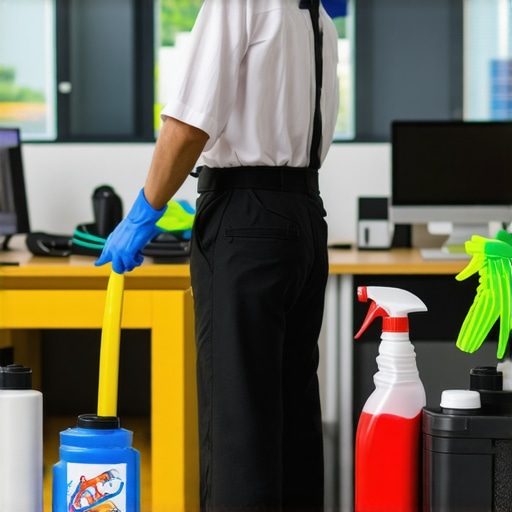
Have you ever watched a cleaning crew leave your office space looking spotless, only to wonder later if they charged you a fair price? I remember a job I oversaw last year, where what seemed like a thorough cleaning suddenly turned into a suspicion that I might have been overcharged. That lightbulb moment made me realize something: vetting office cleaning services isn’t just about what they promise—it’s about knowing how to ask the right questions and spot the real value.
The Real Cost of Skimping on Office Cleaning
Is Quality Cleaning Worth the Extra Cost?
I used to believe that choosing the cheapest service would save me money in the long run. Boy, was I wrong. Quality matters—not just for appearance, but for health, employee wellbeing, and trust. Skimping can lead to lingering germs and allergens that put everyone at risk, costing more in sick days and lowered productivity. When I started digging deeper, I learned to compare providers on more than just prices. For instance, inspecting their cleaning protocols and asking for testimonials can save headaches down the line. For in-depth insights, this ultimate guide to office cleaning and sanitizing was a game-changer for me.
But how do you truly know if a service is worth their price? That’s the tricky part. In my early days, I made the mistake of assuming all cleaning companies are the same—big mistake. As I realized, many unscrupulous providers cut corners, and you only find out when it’s too late. Trust me, a little extra research goes a long way in avoiding the pitfalls.
How to Ensure You Don’t Overpay and Get Real Value
That’s why today, I want to share some honest tips, outlining exactly how to vet cleaning services in 2026—so you don’t get duped. We’ll cover what questions to ask, what signs point to quality, and how to avoid common traps. Because, at the end of the day, effective cleaning is an investment in your workspace—and it’s worth doing right without emptying your wallet.
Ask Precise Questions to Uncover True Service Quality
When vetting a cleaning company, start by asking about their cleaning protocols. Request specifics on disinfectants used, equipment, and staff training. For example, I once inquired about their sanitization methods and learned they utilized hospital-grade disinfectants, which significantly boosted my confidence. This clarity helps distinguish between surface-level promises and genuine expertise. Dive deeper by asking for testimonials or references, and follow up on any inconsistent or vague answers. A transparent company will readily share details or connect you with satisfied clients, ensuring you’re not just paying for appearance but for thorough cleaning.
Evaluate Equipment and Cleaning Techniques
Look for Modern Tools and Proven Methods
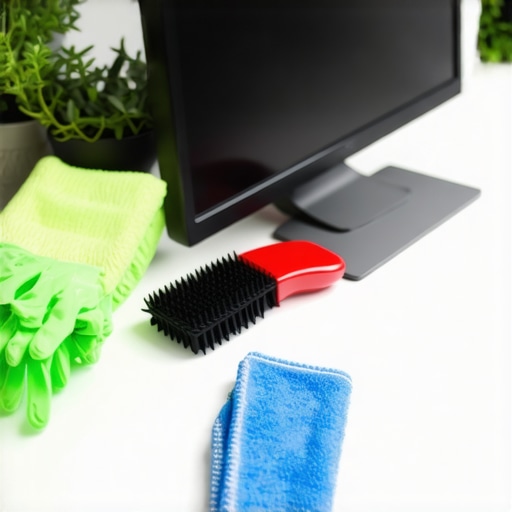
Think of cleaning like waxing a car; the right tools make or break the result. In my experience, observing the equipment used—HEPA-filter vacuums, microfiber cloths, steam cleaners—revealed a lot. Ask if they employ eco-friendly and effective tools, and verify their procedures align with recognized standards. For comprehensive insights, review this guide to expert cleaning techniques. Companies that invest in up-to-date equipment and techniques can better ensure a germ-free environment, saving money long-term by reducing repeat visits.
Assess Staff Training and Certification
Just as a chef needs proper training, cleaning staff should be educated and certified. Ask about their training programs, certification processes, and ongoing education. I found that providers who encourage staff certifications demonstrated higher professionalism and consistency. Request proof of certifications or ask how staff stay updated on best practices. This step filters out underqualified operators and ensures you hire a team committed to quality, not just speed.
Implement a Trial Period Before Full Engagement
Before committing long-term, schedule a trial cleaning. Overshoot the initial service by requesting a deep clean—this allows you to evaluate attention to detail. During my trial, I paid close attention to areas usually missed—behind radiators, light fixtures, and vents. Assess the cleanliness before and after, and communicate feedback clearly. This hands-on approach filters out dishonest or negligent providers and helps you gauge if their standards match yours.
Verify Sanitation and Safety Practices
Sanitation isn’t just about looks—it’s about health. Ask about their disinfection routines, especially if dealing with sensitive environments. Confirm whether they follow industry standards, such as office sanitizing strategies, and inquire about their use of personal protective equipment. Observing their adherence during the trial phase provides additional assurance that safety protocols are prioritized and effectively implemented.
Inspect Licensing and Insurance Details
Don’t overlook legal safeguards. Verify that the cleaning company holds appropriate licenses and liability insurance. During my vetting process, I requested proof of these documents, which protected me from potential liabilities if accidents or damages occurred during cleaning. This step filters out fly-by-night operators, ensuring you’re working with reputable, accountable professionals.
Monitor and Document Results Regularly
Once engaged, keep a routine check—use a checklist or even photos—to monitor ongoing performance. Consistent documentation helps track whether the company maintains standards over time. In my case, periodic reviews coupled with clear feedback kept the service aligned with my expectations, preventing complacency and ensuring continued value.
By following these concrete steps—asking targeted questions, evaluating tools and staff, conducting trial runs, verifying credentials, and ongoing monitoring—you can confidently select cleaning services that deliver real value and ensure a genuinely clean, safe workspace.
Many assume that a quick wipe-down or a basic deep clean is enough to keep homes and workplaces safe and hygienic, but this mindset often leads to overlooked complexities. One common misconception is that all cleaning agents and methods are created equal—yet, experts emphasize that the choice of disinfectants and techniques significantly impacts sanitation effectiveness. For example, relying solely on surface cleaning without understanding the importance of proper contact time and product formulation can give a false sense of security, as highlighted by studies from the CDC on effective disinfection protocols. Moreover, many underestimate the significance of cleaning frequency and neglect specialized tasks like air duct or beneath-appliance cleaning, which are hidden sources of allergens and bacteria. Navigating these nuances requires a strategic approach; for instance, learning to differentiate between surface-level maintenance and microbiological sterilization ensures you’re truly eliminating germs, not just rearranging dirt. Have you ever fallen into this trap? Let me know in the comments. Additionally, advanced cleaning isn’t just about tools—it’s about understanding the science behind disinfection. For example, using steam cleaning at the right temperature and duration can achieve sterilization levels comparable to chemical disinfectants without harsh residues. This approach is especially relevant in environments needing rigorous sanitation, such as healthcare or food prep areas. Experts recommend consulting detailed guides like the deep cleaning secrets for a germ-free home to grasp these nuances better. Another overlooked point is training; a cleaning crew well-versed in microbiology will prioritize high-touch surfaces and understand the importance of cross-contamination prevention. Remember, effective sanitizing isn’t just about cleaning—it’s about strategic, informed interventions that many overlook. Don’t be fooled by superficial cleaning efforts. Take the time to understand these hidden aspects, and your environment will truly reflect cleanliness and safety. Whether for your home or office, mastering these subtle details can make all the difference in health and hygiene—so invest in knowledge alongside tools for guaranteed results.
How do I maintain a spotless environment over time?
Consistency and the right tools are key. I personally swear by using a HEPA-filter vacuum like the Dyson V11—its powerful filtration traps tiny allergens and particles, making it perfect for long-term air quality. For surface cleaning, microfiber cloths paired with eco-friendly disinfectants not only improve hygiene but also reduce chemical waste. Microfiber’s electrostatic properties attract dust and microbes more effectively than traditional cloths, ensuring thorough sanitation with fewer passes, saving me time and effort. For deep cleaning tasks, I rely on steam cleaners like the Dupray Neat Steam Cleaner. They use high-temperature steam to sterilize surfaces without chemicals, which I find invaluable for areas that require disinfecting, such as kitchens and bathrooms. These tools have become indispensable parts of my maintenance routine, ensuring health and cleanliness are sustained effortlessly. Looking ahead, I believe the integration of automation and smart devices into cleaning routines will become even more prevalent. Robotic vacuums with AI capabilities, for instance, are evolving rapidly and can maintain floors seamlessly between professional deep cleans. To stay ahead, I plan to experiment with models like the Roborock S7 MaxV, which features intelligent mapping and obstacle avoidance, making regular upkeep smarter—a move I highly recommend for anyone committed to long-term cleanliness.
What are the best practices to keep your cleaning tools effective?
Regular maintenance of your equipment is crucial. For microfiber cloths, I always wash them separately and avoid fabric softeners, which can clog their fibers and reduce effectiveness. Steam cleaners benefit from frequent descaling; I use descaling solutions recommended by the manufacturer to prevent mineral buildup that can impair steam output. Vacuum filters and HEPA cartridges should be replaced or cleaned according to the manufacturer’s instructions—typically every three months or after a certain number of uses. I also keep a maintenance schedule, marking down when a tool was last serviced, so I never overlook routine upkeep. When it comes to software used to schedule and monitor cleaning routines—such as task management apps—regular updates and data backups help sustain seamless operations. This approach ensures your tools remain reliable, boosting efficiency and trust in your cleaning system. As technology advances, expect more intelligent accessories, like app-controlled steam cleaners or AI-enabled vacuums, which can adapt to your environment and optimize performance. Embracing these innovations now will position you for effortless, trustworthy results well into the future. For detailed insights into maintaining your cleaning arsenal, this expert guide is an excellent resource. I urge you to try implementing a weekly equipment check and maintenance routine—it will make a noticeable difference in your cleaning consistency and confidence.
Lessons That Changed How I Clean for Good
One of the most surprising realizations I had was that cleaning isn’t just about the tools or products—it’s about consistency and attention to the science behind sanitation. I used to believe that a quick scrub was enough, but I discovered that understanding contact times, disinfectant formulations, and high-touch surface prioritization makes all the difference in truly eliminating germs. This lightbulb moment prompted me to adopt a more strategic approach, which has dramatically improved the cleanliness and safety of my workspace.
Another insight was the importance of staff training. Trust me, even the best equipment is useless if the team isn’t trained in proper techniques or unaware of the latest sanitation standards. Investing in certified staff and ongoing education has been pivotal in maintaining high standards and gaining peace of mind that my office space remains genuinely clean.
Finally, I learned that real value isn’t always the cheapest option. Sometimes, paying a little extra for quality, modern equipment, and proven cleaning protocols prevents costly health issues and repeated services. Asking the right questions and requesting detailed protocols turned out to be the most reliable way to ensure I was getting my money’s worth.
Tools and Resources That Keep My Office Fresh
My secret weapon is the expert guide on cleaning techniques, which helped me understand the nuances of effective sanitation. I also rely on a step-by-step professional cleaning routine to keep my office in top shape, ensuring every nook and cranny is addressed systematically. For tools, I Trust high-quality HEPA-filter vacuums and microfiber cloths, which significantly improve cleaning efficacy and air quality.
Additionally, I’ve incorporated advanced equipment like steam cleaners and robotic vacuums, inspired by the latest sanitizing strategies. Keeping myself updated with these resources ensures my workspace remains safe, sanitized, and inviting for everyone.
Take Action and Reimagine Cleanliness
Implementing these lessons and tools isn’t just about maintaining appearances; it’s about fostering a healthier, more productive environment. The future of cleaning is in informed choices, continuous learning, and smart technology—that’s where your efforts will truly pay off. Start small, ask the right questions, and prioritize ongoing education to build confidence in your cleaning routine. Remember, a genuinely clean workspace is an investment in your well-being—don’t settle for less.
Let me know—what’s one cleaning habit you’re planning to improve this week? Share your thoughts below and start making smarter sanitation choices today!
,
http://Mark%20Reynolds
This post hits on a really important aspect of office cleaning that often gets overlooked—asking the right questions before hiring a service. I remember when I first hired a cleaning company for my workplace, I went for the lowest bid without digging into their protocols or staff certifications. The end result was subpar cleaning, and I realized I had overlooked the significance of proper staff training and equipment. Since then, I’ve always requested detailed protocols, certifications, and even scheduled trial cleanings to ensure quality.
One thing I’ve found particularly helpful is asking about their disinfection methods, especially in the wake of recent health concerns. Has anyone tried incorporating environmental friendly disinfectants that are equally effective? I’d love to hear recommendations or experiences on balancing eco-friendliness with high cleaning standards. Ultimately, investing in quality pays off in healthier, happier workspaces—does anyone have tips on how to effectively monitor ongoing cleaning performance without micromanaging?