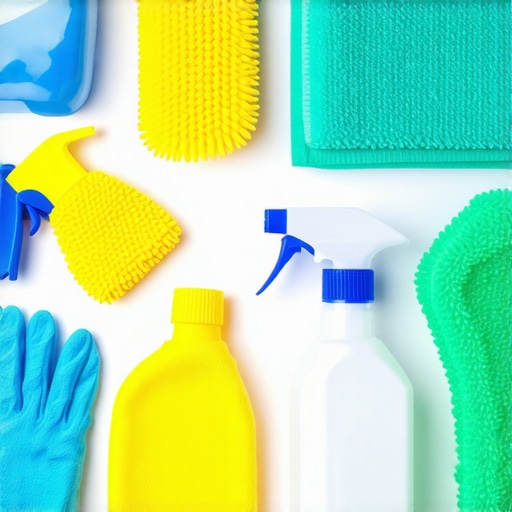
I’ll never forget the moment I realized my home wasn’t as clean as I desperately wanted it to be. Despite sprucing up here and there, I kept feeling that lingering itch—was I really removing the germs and allergens that sneak into every corner? That lightbulb moment hit hard: cleanliness isn’t just about appearances; it’s about trusting your environment to be genuinely safe. And with 2024 bringing new expectations for hygiene, I knew I had to step up my deep cleaning game.
Why Trustworthy Deep Clean & Sanitizing Matter More Than Ever
In recent years, our understanding of germs and allergens has evolved dramatically. It’s no longer enough to wipe down surfaces superficially. Today, we need deep, effective cleaning strategies that eliminate bacteria, viruses, and hidden irritants that regular routines often miss. Why? Because the health of our families and colleagues depends on it. Did you know that improper sanitizing can leave harmful microbes behind, contributing to illnesses and allergic reactions? According to a study by the CDC, thorough sanitizing significantly reduces the risk of disease transmission in shared spaces. This is why mastering reliable deep cleaning and sanitizing techniques is crucial in 2024.
Is All Sanitizing Really Worth the Hype?
Let me be honest: I once believed that quick disinfectant wipes were enough. I thought, “It’s just surface cleaning; what’s the big deal?” That was a costly mistake. I overlooked the importance of proper protocols like using the right cleaning agents and following a systematic routine. Little did I know, these oversights could leave rooms feeling clean but still harbor bacteria lurking beneath the surface. Proper techniques and trusted tips—like those shared by expert house cleaners—are your best allies for a genuinely safe space. Curious how to avoid common pitfalls? You’ll find plenty of effective methods [here](https://purexhousecleaning.com/effective-sanitizing-hacks-to-eliminate-allergens-at-home). Now, let’s dive into what makes a deep clean in 2024 truly trustworthy.
Start with a Clear Plan of Attack
Before lifting a single cloth or spray, map out your cleaning zones. Break your space into manageable sections—living room, kitchen, bathroom—so you can systematically cover every surface. I remember when I tackled my cluttered home; creating a detailed checklist transformed a daunting task into an achievable routine, ensuring no corner was overlooked. For detailed strategies, check the comprehensive deep clean routine.
Gather the Right Tools and Supplies
Think of cleaning tools as your arsenal against germs. Use microfiber cloths instead of traditional rags—they trap dirt and microbes effectively. Invest in a high-quality vacuum with HEPA filters to remove allergens from carpets and upholstery. For disinfecting, choose EPA-approved solutions like bleach or quaternary ammonium compounds, ensuring compatibility with surfaces. Starting with the right gear sped up my process and boosted the effectiveness of my cleaning sessions.
Remove Clutter to Clarify Your Cleaning Path
Clear surfaces and floors before deep cleaning. I once paused to pick up scattered papers and toys, which allowed me to thoroughly sanitize every inch of the space afterward. Clutter can shield dirt and microbes from your cleaning efforts, so eliminating it ensures that your disinfectants reach their targets. For a streamlined approach, explore essential tips for a spotless space.
Pre-Clean to Maximize Microbe Removal
Start by sweeping or vacuuming to pick up surface debris. Follow this with dusting with a microfiber cloth to trap and remove dust and allergens. Remember, dust can harbor germs and irritants, so don’t skip this step. I once missed this pre-cleaning, and my disinfectant didn’t penetrate as effectively. Think of it like preparing a wound: cleaning debris first ensures your disinfectants can do their job. Use trusted cleaning tips for more detailed guidance.
Deep Clean with Purpose and Precision
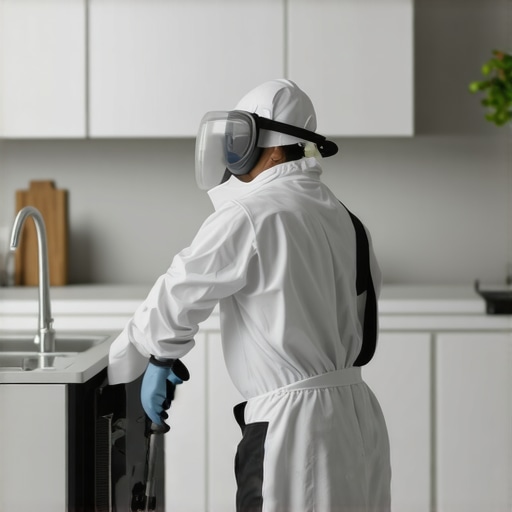
This is where the magic happens. Use appropriate cleaning agents on different surfaces: mild soap solutions for wood, vinegar or specialized cleaners for glass. For stubborn grime, apply a concentrated disinfectant. Don’t forget high-touch areas: doorknobs, light switches, remote controls. I once used a brush to scrub grout lines in my bathroom, which significantly improved sanitation and appearance. Think of deep cleaning like performing surgery—precision counts. For expert techniques, review secrets from professional cleaners.
Sanitize Effectively to Eliminate Persistent Germs
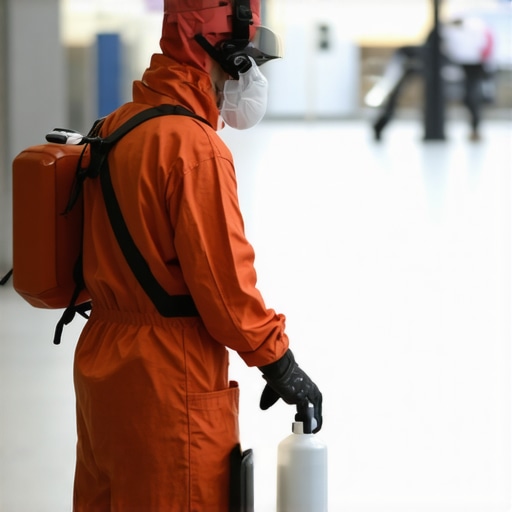
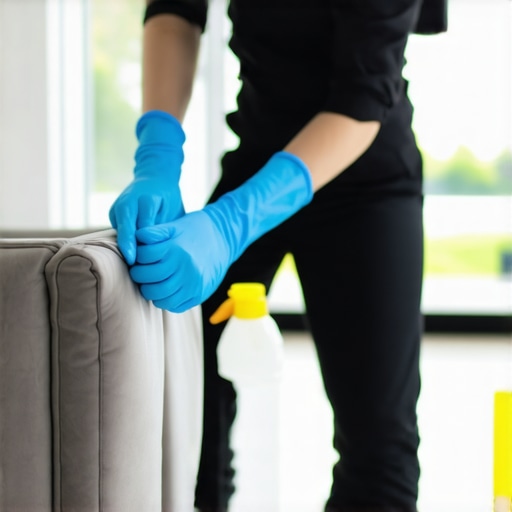
Apply sanitizers generously to high-touch surfaces, following product instructions. Use disposable gloves to avoid contamination. Let the solution sit for the recommended contact time—this ensures maximum kill rate. Personally, I leave disinfectants dwell for at least 10 minutes, which makes a noticeable difference. Think of sanitizing as giving your space a forceful wipe of protection, akin to armor. For specific strategies, see top sanitizing methods.
Focus on Air Quality for a Truly Clean Space
Don’t forget that germs aren’t just on surfaces—they’re airborne too. Use HEPA filters and air purifiers to reduce allergens and microbes floating around. Open windows when possible to circulate fresh air, diluting lingering contaminants. I once ran my air purifier for 24 hours after deep cleaning, which dramatically improved my indoor air quality. Think of air purification as your space’s invisible shield, complementing surface sanitation. For expert insights, explore office sanitizing strategies.
Many homeowners and even cleaning professionals often fall prey to misconceptions that can undermine effective sanitation routines. One prevalent myth is that using harsh chemicals always guarantees a germ-free surface, but in reality, over-reliance on these can leave harmful residues and damage surfaces. Instead, understanding the nuances of cleaning agents and their proper application ensures safer, more effective results. Another misconception is that quick wipe-downs are sufficient for daily sanitation; however, deep cleaning—such as disinfecting high-touch areas with trusted protocols—is essential for truly eliminating bacteria and viruses.
A common trap is overlooking the importance of correct contact time for disinfectants. Many forget to let the solution sit for the recommended duration, reducing its effectiveness against germs. Properly applying disinfectants and allowing them to dwell helps ensure maximum microbial kill rates, as supported by CDC guidelines.
For those aiming for a truly thorough cleaning, it’s vital to recognize that surface cleanliness does not equate to air purity. Many assume air quality isn’t directly connected to cleaning routines, but airborne microbes can significantly impact overall health. Using HEPA filters and air purifiers can complement surface sanitation efforts, creating a comprehensive microbial barrier.
A sophisticated question worth considering is: How does the choice of cleaning tools influence the effectiveness of sanitization? Using microfiber cloths instead of traditional rags can trap microbes more effectively, reducing cross-contamination. Studies indicate that microfiber materials can remove more dirt and microbes compared to standard cloths, which underscores the importance of investing in quality cleaning supplies. Explore more about this at [trusted tips for daily cleaning](https://purexhousecleaning.com/effective-sanitizing-hacks-to-eliminate-allergens-at-home).
It’s also a mistake to underestimate the role of routine maintenance and planning. Without a structured schedule, areas prone to contamination might be neglected, allowing bacteria to thrive. Regularly updating your cleaning routines ensures ongoing protection and reduces the risk of harmful buildup.
Remember, effective cleaning involves understanding for nuanced differences—like the proper application of disinfectants, the significance of air quality, and the selection of tools. By debunking these myths, you can elevate your sanitation practices and create a genuinely safe environment. Want to master best practices? Check comprehensive guides like [deep cleaning secrets for a germ-free home in 2025](https://purexhousecleaning.com/deep-cleaning-secrets-for-a-germ-free-home-in-2025). Have you ever fallen into this trap? Let me know in the comments.
Investing in Reliable Equipment Makes a Difference
My go-to tool for maintaining a clean and safe environment is a high-quality HEPA-filter vacuum. It may seem like a significant investment upfront, but the ability to trap fine allergens and microbes in carpets and upholstery greatly reduces airborne irritants over time. Personally, I prefer models with sealed systems and certifications from the Asthma and Allergy Foundation, as they ensure optimal performance. Using such specialized equipment ensures my cleaning sessions are both efficient and thorough, which aligns with long-term health benefits.
Why I Swear by Microfiber Cloths
Traditional rags often spread microbes instead of removing them. I exclusively use microfiber cloths because their fine fibers can trap bacteria, dust, and allergens effectively, which improves my sanitation results. I also wash them at high temperatures regularly to eliminate any residual microbes, maintaining their efficacy. This small but vital switch has noticeably improved the cleanliness of surfaces and helped prevent recontamination post-cleaning. Ready to upgrade your cleaning toolkit? Try microfiber cloths on high-touch areas for a game-changing boost in sanitation.
Using Software to Track Maintenance Schedules
Staying consistent is crucial for hygiene, especially in busy households or offices. I recommend using digital planners or dedicated cleaning apps that send reminders for routine deep cleans and sanitization, reducing the risk of oversight. Some apps even log completed sessions, which helps in identifying dust-prone zones that need more attention. This systematic approach ensures sanitation becomes part of your long-term routine rather than a one-off effort. Want to make it even easier? Set recurring notifications aligned with your most used spaces, and you’ll notice a sustained level of cleanliness.
Choosing the Right Disinfectants for Lasting Results
Not all disinfectants are created equal. I opt for EPA-approved solutions with proven efficacy against viruses and bacteria, particularly quaternary ammonium compounds. These work well on diverse surfaces and remain effective when used correctly—following the recommended contact time, which CDC guidelines emphasize. For instance, applying disinfectants with a cloth and letting them sit for at least 10 minutes ensures optimal microbial kill. This precise method minimizes the chance of microbial survivability, creating a safer environment. Curious how to select the best disinfectant for your needs? Review trusted tips [here](https://purexhousecleaning.com/effective-sanitizing-hacks-to-eliminate-allergens-at-home).
Prepare for the Future of Hygiene
As technology advances, I foresee innovations like UV-C sanitation devices and IoT-integrated cleaning systems becoming more mainstream. These tools can automate disinfecting, ensuring consistent sanitation with minimal effort. Already, some high-end air purifiers now incorporate UV sterilization, providing an extra layer of protection against airborne microbes. Embracing these emerging tools now prepares your space for a healthier future. If you’re interested in staying ahead, explore the latest proven strategies listed [here](https://purexhousecleaning.com/deep-cleaning-secrets-for-a-germ-free-home-in-2025).
How do I maintain my cleaning tools and routines over time?
Regular maintenance extends the life and effectiveness of your equipment. For example, replace filters in your vacuum every six months or as recommended by the manufacturer, and wash microfiber cloths after each use. Scheduling periodic inspections of your disinfectant solutions ensures they haven’t expired or lost potency. Additionally, reviewing your cleaning routine every few months helps adapt to changing needs or new health guidelines. Proper upkeep of both tools and routines keeps sanitation effective year-round, reinforcing your space’s safety. Want to master this? Implement a quarterly review schedule for your cleaning tools and procedures—your environment will thank you for it.
The Lessons Your Cleaning Routine Might Be Missing
One of the most eye-opening realizations I had was that superficial wiping can give a false sense of security. Learning that proper contact time for disinfectants isn’t just a suggestion, but a necessity, transformed my approach entirely. I discovered that clutter isn’t just visual chaos—it’s a barrier to effective cleaning, hiding germs that can linger beneath the surface. Finally, understanding that air quality plays as vital a role as surface sanitation made me rethink my entire hygiene strategy, leading to healthier environments for my family and colleagues.
Tools and Wisdom That Changed My Approach
I swear by microfiber cloths—they’re game-changers for trapping microbes without spreading them around. Investing in a HEPA-filter vacuum dusts and removes allergens efficiently, improving air quality over time. Trusted sources like expert house cleaners’ guides and EPA-approved disinfectants ensure I’m confident in my routines. For a comprehensive boost, I rely on resources like effective sanitizing hacks and deep cleaning secrets that empower me to keep spaces safe and spotless.
Take Action and Breathe Easier Today
Now is the perfect moment to elevate your cleaning game. Embrace the tools, techniques, and knowledge that guarantee a space truly free of germs and allergens. Commit to consistency—your health and peace of mind depend on it. Are you ready to turn your cleaning routine into a trustworthy fortress of hygiene and trust? Share your biggest cleaning hurdle below, and let’s conquer it together!
http://Emily%20Johnson
I completely relate to the realization that surface cleaning isn’t enough. Since dedicating more time to systematic deep cleaning, I’ve noticed a real difference in how clean and fresh my home feels, especially after addressing hidden spots like grout lines and behind appliances. I also started using microfiber cloths and HEPA filters, which seem to trap more allergens and microbes effectively. It’s amazing how these small changes can have such a big impact on indoor air quality and overall hygiene. What tools or techniques have others found most effective for reaching those tricky hidden areas? I’d love some additional tips to elevate my cleaning routine even further.