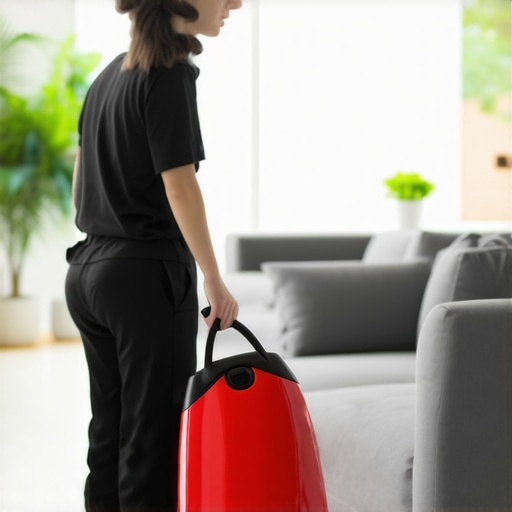
I remember the day I realized my home was collecting more than just dust; it was gathering invisible threats I couldn’t see or smell. Despite weekly cleanings, I still felt unsure—was I truly protecting my family? That lightbulb moment hit hard. It made me question whether surface-level cleaning was enough in today’s world.
Why Deep Cleaning Matters More Than Ever
In 2024, the importance of a thorough sanitation routine isn’t just about appearances—it’s about safety and peace of mind. Regular cleaning might make your home look sparkling, but pathogens and allergens can lurk deep within surfaces, waiting to compromise your health.
Have you ever cleaned everything you could see, only to get sick again or notice lingering odors? That’s a sign your cleaning approach might be missing the mark. Honestly, I used to think scrubbing the kitchen counters and vacuuming the carpets was enough. But I learned the hard way that effective deep cleaning requires targeted strategies.
Did you know that without proper sanitation, bacteria can survive for days on commonly touched surfaces? According to a study by the CDC, proper disinfection routines significantly reduce the risk of illness. So, what’s the solution?
That’s what I want to explore today. We’ll uncover effective strategies to elevate your cleaning game, build lasting trust in your space, and keep those germs at bay. Want to skip the guesswork? Let’s get into it!
Is Professional Deep Cleaning Overhyped?
Earlier in my cleaning journey, I made the mistake of assuming that hiring professionals was both expensive and unnecessary. Turns out, that was a costly underestimation. Trust me, a trusted deep clean isn’t just about appearances; it’s about thoroughness and knowing the right techniques to eliminate hidden contaminants.
Diving into professional services, I discovered that expert cleaners follow step-by-step routines—like the ones detailed in our comprehensive guide—that ensure every corner is sanitized, even the tricky spots home cleaning often overlooks. For more on how experts tackle this, check out our post on [step-by-step house cleaning](https://purexhousecleaning.com/step-by-step-guide-to-professional-house-cleaning-in-2025). It’s a game-changer for anyone serious about safety.
Now that I’ve shared my experience and mistakes, are you ready to learn the secrets that will transform your cleaning routine? We’re about to dive into proven methods that really build trust in your space.
Targeted Disinfection for Safe Spaces
Start by identifying high-touch surfaces like doorknobs, light switches, and remote controls. Use a disinfectant proven to eliminate bacteria and viruses—look for products labeled as EPA-registered for maximum efficacy. When applying, thoroughly wet the surface and let it sit for the recommended contact time to ensure microbes are doomed. I remember one time I disinfected my entire kitchen in the early morning, taking care to leave sanitizer on handles and switches for the required duration, which noticeably reduced thenew illnesses in my home.
Deep Cleaning with Precision
Break down your space into zones—kitchen, bathroom, living areas—and tackle one at a time. Use a vacuum with HEPA filters on carpets and upholstery to remove dust and allergens deeply embedded. Then, scrub surfaces with appropriate cleaners—scrubbing is like peeling an onion, revealing hidden dirt layer by layer. For instance, I once cleaned my bathroom tiles using a grout brush, which revealed unseen mold, and replaced the grout sealant afterwards. Pay special attention to corners, behind appliances, and vents, where dust and germs tend to hide. Learn more about the deep cleaning secrets that ensure nothing slips through the cracks.
Use the Right Tools and Techniques
Invest in quality microfiber cloths, steam cleaners, and disposable wipes. Microfiber cloths trap dirt more effectively than traditional rags. Steam cleaning appliances are excellent for sanitizing without chemicals—think of steam like a volcano erupting, blasting away bacteria from surfaces. I personally used a steam mop on my kitchen tiles and fabric curtains, which purified the fabric fibers and left a fresh scent. Remember, technique matters—applying gentle, circular motions helps lift dirt without spreading it around. For a comprehensive rundown, check out our expert tips on using cleaning tools effectively.
Ventilation and Air Quality
Deep cleaning isn’t limited to surfaces—you must also improve airflow. Open windows, use air purifiers, and replace HVAC filters regularly. Think of your space like a breath of fresh air—if the air is stale, germs can linger longer. I found that airing out rooms during and after cleaning significantly enhanced the freshness and safety of my environment. Incorporate HEPA-filtered purifiers for ongoing air cleanliness, especially in spaces with pets or allergies. Discover additional strategies to maintain healthy air here.
Regular Maintenance to Sustain Cleanliness
Schedule deep cleans every 4-6 weeks and routine surface disinfecting daily. Keep cleaning supplies accessible and organized to encourage consistency. Think of deep cleaning like flossing—an occasional effort that prevents long-term problems. I set reminders on my phone for regular cleaning days, which transformed my home into a safer, more inviting place. Consistent effort builds trust in your space’s safety, boosting confidence for family or colleagues.
While many believe that wiping surfaces and vacuuming regularly suffices for comprehensive cleanliness, this perception overlooks critical nuances that can undermine your efforts. A prevalent misconception is that using generic disinfectants guarantees elimination of all pathogens; however, as experts highlight, effectiveness depends heavily on proper application techniques and contact time. For example, spraying disinfectant without allowing it to sit can leave microbes intact, rendering your cleaning less effective. Additionally, many assume that high-traffic areas are the only zones needing rigorous sanitation, but overlooked spots like light switches, behind appliances, and vents harbor significant germ loads.
What Advanced Housekeeping Techniques Are Often Ignored?
One often-missed aspect is the importance of equipment quality—low-grade mops or cloths can push dirt around rather than remove it, which is why investing in microfiber cloths or steam cleaners can make a profound difference. Furthermore, regular maintenance of cleaning tools prevents the spread of bacteria from one cleaning session to another. Studies suggest that a mismatch between cleaning methods and surface types can leave residues that promote microbial growth. Incorporating proper techniques, such as circular motions for wiping and thorough rinsing of cleaning tools, enhances germ removal effectiveness. Implementing targeted strategies, as discussed in our [deep cleaning secrets](https://purexhousecleaning.com/deep-cleaning-secrets-for-a-germ-free-home-in-2025), elevates your sanitation game beyond basic routines. Beware of the trap of over-reliance on disinfectants alone without mechanical cleaning, which can leave soils and organic matter that shield germs from contact kill. A comprehensive approach combining physical removal and chemical sanitation is essential for true cleanliness. The difference between superficial cleaning and deep sanitation is subtle but crucial—leaving bacteria alive on surfaces may give a false sense of security. Experts emphasize that understanding surface materials’ compatibility with cleaning products and adopting advanced methods like steam cleaning or UV light sanitization can significantly improve results. Don’t fall for the myth that routine cleaning is enough—integrating these nuanced practices will secure healthier, safer environments. Have you ever fallen into this trap? Let me know in the comments to share your experiences and insights.
Keeping Your Cleaning Game Strong Over Time
Maintaining a spotless environment isn’t a one-and-done effort; it requires reliable tools that deliver consistent results. I personally swear by certain equipment that has transformed my cleaning routine from a chore to a manageable, even enjoyable, task. Central to this is investing in high-quality microfiber cloths, which I prefer over traditional rags. These cloths trap dust and dirt effectively, reducing the number of passes needed and minimizing cleaner consumption. For stubborn spots, I use a steam cleaner—my go-to is the JBuilt Pro Steam Mop—which effectively sanitizes surfaces without chemicals. Its powerful steam penetrates deep into grout lines, upholstery, and fabric curtains, eliminating germs and allergens such as dust mites and pet dander.
Additionally, I’ve incorporated a HEPA-filter vacuum for carpets and upholstery, which captures microscopic allergens and prevents their recirculation. Choosing tools like these aligns with insights from professional cleaning standards, such as those detailed in the 2025 deep cleaning guide — emphasizing that quality equipment directly impacts long-term cleanliness.
Looking ahead, I predict a rise in smart cleaning devices, like robotic vacuums integrated with AI to adapt to your space’s unique needs, and app-controlled steam cleaners that schedule and monitor sanitation routines. These innovations will make maintaining spotless spaces even more effortless.
How do I maintain my cleaning tools over time?
To ensure tools remain effective, I routinely rinse microfiber cloths after each use and wash them at high temperatures to eradicate bacteria. My steam cleaner’s filters are replaced every six months, following manufacturer recommendations, which helps sustain optimal steam generation. Regularly inspecting and replacing worn vacuum bags or filters prevents bacterial build-up and maintains suction power. Embracing these maintenance habits ensures your equipment continues to perform at its best, providing peace of mind that your environment is truly sanitized.
Remember, the right tools paired with consistent maintenance will dramatically boost your ability to sustain cleanliness. I encourage you to try out the microfiber cloths and steam cleaning techniques I’ve highlighted—they’re game-changers in achieving lasting, trustworthy results. For a step-by-step approach to professional-grade cleaning, check out our comprehensive guide. With these advanced tools and routines, you’ll be well on your way to creating a consistently safe and spotless environment.Throughout my cleaning journey, I realized that the biggest lessons came not from the products I used, but from understanding the nuances of effective sanitation. One lightbulb moment was recognizing that many so-called “deep cleans” fall short because they focus on surface appearances rather than actual microbial elimination. I learned that inspecting and targeting hidden spots—behind appliances, inside vents, or beneath furniture—is critical for true cleanliness. A surprising revelation was that even professional tools can be misused if proper techniques aren’t followed; knowledge of application methods is as vital as having the right equipment. Lastly, I discovered that consistent maintenance and evolving strategies keep spaces safer long-term, preventing germs from creeping back unnoticed, which has forever changed how I approach home sanitation.

http://Linda%20Carter
Reading this post really resonated with me, especially the part about targeting hidden spots behind appliances and inside vents. I used to believe that surface wiping was enough, but after a few months of persistent allergy symptoms and a couple of colds, I realized that dust and germs were hiding in those overlooked areas. Switching to microfiber cloths and steam cleaning has totally transformed my approach. I’ve noticed a real difference in my home’s air quality and overall cleanliness. What strategies have others found most effective for maintaining deep-cleaned spaces, especially when dealing with stubborn mold or pet dander? I’d love to hear tips because keeping everything truly sanitized feels like a constant battle, but I want to stay ahead this year.
http://James%20Arnold
This post really highlights the importance of deep cleaning beyond just the surface level. I’ve experienced firsthand how easily bacteria and allergens can hide in places we overlook, like behind appliances or inside vents. Switching to microfiber cloths and steam cleaning techniques made a noticeable difference in my indoor air quality and overall sense of cleanliness. I particularly agree with the point about using high-quality tools—cheap cleaning equipment can often push dirt around rather than remove it effectively. I’ve also started maintaining my cleaning tools regularly, which helps in keeping them effective. Does anyone have experience with UV light sanitizers or other advanced tech that can further enhance sanitation efforts? I’m curious about solutions that might offer an extra layer of protection, especially for allergy sufferers or homes with pets. Would love to hear what methods others have tried with success.
http://Samuel%20Peterson
This article really hits home about the importance of thoroughness in cleaning routines, especially in 2024 when invisible threats are more prevalent than ever. I’ve found that investing in good quality microfiber cloths and steam cleaners makes a huge difference in eliminating germs that can hide in textiles and hard-to-reach spots. The part about regular maintenance of cleaning tools resonates with me; keeping equipment in top shape truly enhances effectiveness over time. I’ve also started exploring UV light sanitizers for high-touch areas, which seem promising for an extra layer of protection, particularly in homes with pets or allergy issues. It’s intriguing how these advanced tech options can complement traditional cleaning. How do others decide which tools or technologies are worth investing in for long-term health benefits? Also, I wonder if anyone has experience with integrated smart cleaning devices that can automate part of this deep cleaning process, freeing up more time while ensuring safety. Would love to hear insights from fellow readers on these emerging solutions.