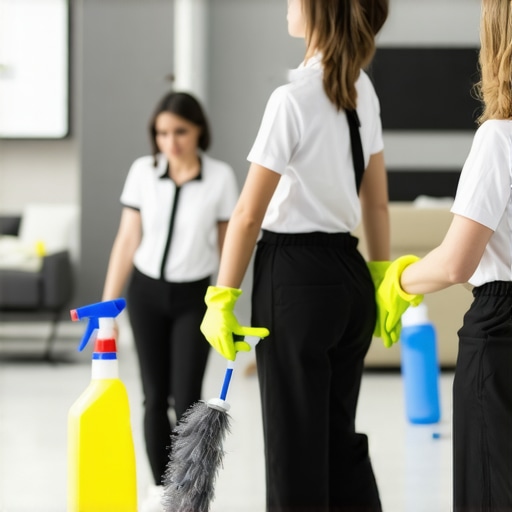
I vividly remember the moment it hit me— during a rushed weekend cleaning spree, I noticed how easily dust and grime crept back into my home and office spaces. No matter how much effort I put in, it seemed like I was fighting a losing battle against germs and lingering odors. That lightbulb moment made me realize that quick fixes weren’t enough; I needed a smarter, more effective approach to sanitizing and cleaning, one that builds lasting trust in my environment.
Understanding the Importance of Effective Sanitizing Strategies
In today’s world, where cleanliness has taken center stage, it’s crucial not just to clean, but to do so in a way that truly eliminates bacteria, viruses, and allergens. Proper sanitizing isn’t just about appearances—it’s about safeguarding health and peace of mind. A well-executed deep clean can significantly reduce the risk of illness, improve air quality, and create an environment where everyone feels safe and comfortable. According to recent studies, bacteria can survive on surfaces for days, making effective sanitation an ongoing necessity rather than a one-time effort.
Yet, many of us fall into common traps—using the wrong cleaning agents, neglecting hard-to-reach areas, or assuming that surface appearance means surface health. I made that mistake early on; I believed wiping down visible surfaces was enough. It wasn’t until I learned about scientifically proven disinfecting techniques that I truly started seeing the difference. For more comprehensive guidance, I recommend checking out deep cleaning secrets for a germ-free home which shed light on effective methods that go beyond superficial cleaning.
Now, I make sure my cleaning routines are backed by proven practices, which not only clear out germs but also foster trust with my family and clients. The goal is a space that’s not just clean to the eye but sanitized to the core—lasting trust comes from consistent, effective sanitation that’s built into daily routines.
If you’ve ever faced the frustration of cleaning only to find grime and germs cropping up again in a matter of days, you’re not alone. Let’s delve into the strategies that will change the way you see and perform cleaning—making it smarter, safer, and more reliable than ever before.
Start with a Clear Plan
Before diving into cleaning, sketch out a detailed plan that covers all areas needing attention. Think of it as mapping a route—know which rooms, surfaces, and tools you’ll use. For example, during a recent weekend, I set aside a morning to tackle my home’s kitchen and bathroom, prioritizing high-touch surfaces like doorknobs and light switches. This approach ensures no spot is overlooked and makes the process efficient.
Gather Reliable Supplies
Quality matters more than quantity. Use disinfectants proven to eliminate germs—look for EPA-registered products with broad-spectrum efficacy, such as diluted bleach solutions or commercial disinfectants like those recommended in top sanitizing methods. Equip yourself with microfiber cloths, gloves, and masks to maximize safety and effectiveness. In my experience, having the right tools ready prevents unnecessary trips and interruptions, keeping your focus sharp and your method consistent.
Clean Surfaces Systematically
Adopt a methodical approach—tackle from top to bottom, left to right. For example, I start with ceiling fans and light fixtures, then proceed to countertops and appliances. When cleaning hard surfaces, use a microfiber cloth soaked in your disinfectant. This technique traps germs effectively, similar to how a magnet pulls in metal shavings, ensuring no residue remains. Regularly change or rinse cloths to prevent cross-contamination.
Use Proper Sanitizing Techniques
Applying a sufficient contact time—usually a few minutes—ensures disinfectants work their magic. For instance, I once hastily wiped down kitchen counters and moved on; the next day, I noticed lingering odors and bacteria. After reading deep cleaning secrets, I learned to leave disinfectants undisturbed for the recommended duration. Think of it as letting a marinade sit—time enhances the effect.
Address Hard-to-Reach Areas
Mistakes often happen here. Use extendable tools or microfiber cloths attached to poles to reach behind toilets, under appliances, or atop high shelves. During my last project, I used an extendable duster when cleaning ceiling fans—saving effort and avoiding strain. Target these spots regularly; bacteria love hiding in overlooked nooks.
Diffuse Air and Reduce Moisture
Germs thrive in damp environments. Use fans and open windows to circulate air during and after cleaning. I noticed that rooms felt fresher and stayed cleaner longer after ventilating properly. For stubborn odors or molds, consider using air purifiers or dehumidifiers, which trap airborne pathogens and keep moisture levels in check.
Implement a Routine
Consistency is key. Schedule deep cleans weekly or bi-weekly, depending on usage. For my household, a Saturday morning routine works best. This habitual approach prevents grime accumulation and keeps trust in cleanliness intact. Remember, antiseptics lose potency if surfaces aren’t cleaned beforehand; dirt and grime need to be removed first to maximize disinfectant efficacy. For detailed routines, explore ultimate deep cleaning routines.
double-check and Reassess
Finish your process by reviewing each area. Use a UV light or surface test kit, if available, to verify cleanliness. I once missed a hidden corner under the sink, which contributed to persistent odors. Reassessing ensures thoroughness, boosting confidence and trust in your sanitation efforts.
While many believe that thorough scrubbing and the right cleaning supplies are enough for a genuinely clean space, the truth is that there’s a critical nuance often overlooked — the importance of understanding how different contaminants behave and react during cleaning processes. Many assume that if a surface looks spotless, it’s free of germs; however, bacteria and viruses can be hidden in microscopic crevices, biofilms, or embedded within porous materials, making superficial cleaning insufficient. For example, biofilms—complex communities of microorganisms attached to surfaces—can survive standard disinfectants, requiring specialized strategies to eradicate effectively.
Another common myth is that using more disinfectant equals better sanitation. In reality, over-application can lead to chemical resistance in microbes and potentially harmful residues, especially when cleaning hard-to-reach areas or porous surfaces. Advanced cleaning involves not just the right agents but also understanding their limitations, proper contact times, and surface compatibility. Exploring scientific studies, like the one published in the Journal of Hospital Infection, confirms that pathogens can survive on surfaces longer than we assume, emphasizing the need for targeted, informed cleaning protocols that go beyond generic methods.
How do biofilms affect sanitation efforts, and what strategies can break them down effectively?
Implementing tactics such as mechanical agitation, using enzymatic cleaners, or employing certain surfactants can disrupt biofilms and improve overall sanitation. It’s also essential to recognize that the order in which cleaning steps are performed impacts effectiveness—starting with removing visible grime before applying disinfectants ensures better contact and results, as highlighted in expert cleaning guides. Cutting corners or neglecting these nuances risks rendering your cleaning efforts ineffective, especially in high-traffic or sensitive environments. To elevate your cleaning game, embrace a mindset of continuous learning and adapt your routines based on scientific insights. If you want to master these advanced techniques, check out deep cleaning secrets for trusted results and ensure you’re not missing these hidden factors. Remember, trust in sanitization is built on more than just surface appearance; it’s rooted in understanding the hidden layers of microbial behavior and addressing them intentionally. Have you ever fallen into this trap? Let me know in the comments.
Keep It Working: Tools I Recommend for Effective Cleaning
Maintaining a pristine environment requires not just technique but also reliable, high-quality equipment. Over the years, I’ve refined my toolkit to include tools that deliver consistent results and streamline the cleaning process. One of my top recommendations is the use of microfiber mop heads and cloths—these are game-changers because their electrostatic properties trap dust and microbes more effectively than traditional cotton rags. Plus, they are reusable and eco-friendly, aligning with sustainable cleaning practices.  this comprehensive guide to professional-maintenance routines. Make a habit of inspecting your tools monthly; it’s a small step that safeguards against long-term performance issues. Incorporate these practices into your regular cleaning schedule, and your equipment will reliably serve you for years to come, ensuring lasting trust in your environment’s cleanliness.
The Hardest Lesson I Learned About Deep Cleaning
One of my biggest lightbulb moments came when I realized that superficial cleaning gives a false sense of security. I used to focus only on visible grime, unaware that microscopic threats like biofilms and embedded germs could still thrive. That lesson taught me patience and to dig deeper—literally—when sanitizing. Now, I know that effective cleaning involves understanding microbial behavior and applying targeted strategies, such as enzymatic cleaners and mechanical agitation, to truly trust the environment I create.
What No One Tells You About Disinfectants and Surface Trust
I used to believe that more disinfectant meant better results, but I learned the hard way that overapplication can breed resistance and leave residues. Proper contact time and surface compatibility are what truly matter. My breakthrough came from studying scientific research, which emphasized that pathogen survival is complex, and our cleaning routines need to evolve accordingly. Incorporating tools like UV testing kits has been invaluable for verifying the cleanliness and building real trust in my sanitation efforts.
The Power of Maintenance and Mindful Tool Care
Initially, I overlooked the importance of caring for my cleaning tools, assuming they would last forever. However, I discovered that regular proper maintenance—like cleaning microfiber cloths, replacing vacuum filters, and descaling steamers—directly impacts the effectiveness of my sanitation process. Investing in high-quality tools and giving them routine TLC has changed my approach from reactive to proactive, ensuring consistent trustworthiness every time I clean.
Let Your Environment Remind You of What Matters
There’s a certain satisfaction in knowing that your environment is genuinely safe—not just looking clean. This journey has taught me that deep trust in sanitation isn’t instant but built through continuous learning, attention to microbial nuances, and embracing advanced techniques. I encourage you to reflect on your routines, keep learning, and never settle for surface-level solutions—your space, health, and peace of mind depend on it.
Curated Tools to Elevate Your Cleaning Routine
- Microfiber Cloths and Mop Heads: Their electrostatic properties trap microbes more effectively, and they’re reusable, making them eco-friendly. I trust them because they’ve transformed my cleaning outcomes.
- Dyson V11 Torque Drive: Its powerful suction and filtration constantly impress me, especially in high-traffic areas. Reliability is key, and this vacuum delivers.
- McCulloch MC1275 Steam Cleaner: Steam sanitizes without chemicals. I rely on it heavily for deep cleaning stubborn stains and soft surfaces that need extra care.
- Surface Test Kits: Verifying cleanliness using UV light or microbial testing gives tangible proof, strengthening my confidence in every clean. Check out these trusted methods to enhance your routines.
Your Next Step Toward Lasting Confidence
Building trust in your cleaning efforts is an ongoing journey, one that combines education, proper tool maintenance, and strategic techniques. Innovation in cleaning technology is rapidly advancing, so staying curious and adaptable—like exploring smart devices or advanced disinfectants—will keep your environment secure. Remember, real trust isn’t achieved with quick fixes but through continuous commitment to understanding what lurks beneath the surface. Ready to elevate your cleaning game? Begin today, and let your environment reflect the care you invest in it.
http://Emily%20Johnson
This post truly resonates with me because I’ve also struggled with frequent re-contamination despite regular cleaning routines. I’ve started implementing deep cleaning sessions that focus on high-touch areas and incorporate enzymatic cleaners to disrupt biofilms, which seem responsible for persistent bacteria that standard disinfectants miss. I appreciate the emphasis on understanding microbial behavior—sometimes, I think we overlook the microscopic battles happening on our surfaces. One tricky part for me is managing the contact time of disinfectants, especially in busy household environments. I’ve begun using timers to ensure disinfectants sit for the recommended duration, which has made a noticeable difference in sanitation levels. Have others experienced challenges with balancing thorough cleaning and quick turnaround times? I’d love to hear more about efficient routines that don’t compromise on effectiveness.