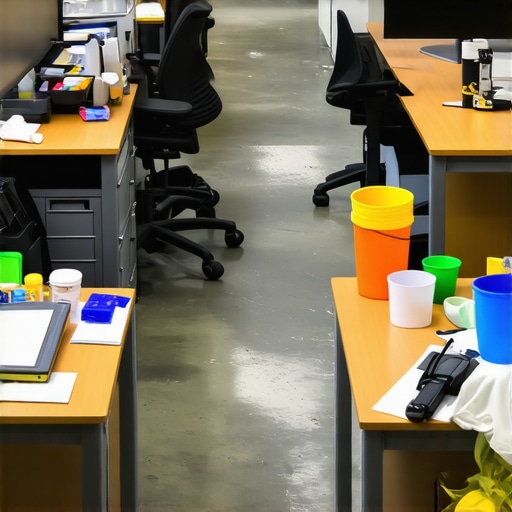
I remember the moment vividly—standing in my cluttered, dusty office, realizing that no matter how many sprays and wipes I used, it just didn’t feel clean enough. That little spark of frustration, coupled with a nagging doubt, hit me hard. Was I truly sanitizing my space effectively? Or was I just moving dirt around? It dawned on me then: cleaning isn’t just about appearance; it’s about trust and safety, especially in 2024 when health concerns are more pressing than ever.
Why Staying Ahead in Cleaning Matters More Than Ever
In today’s world, the importance of impeccable sanitation and reliable cleaning routines can’t be overstated. A clean environment builds trust—whether in your home or workspace—and health experts emphasize that proper sanitation reduces the risk of illness significantly. For instance, according to the CDC, regular disinfecting surfaces can prevent the spread of many infectious diseases. Yet, many people overlook critical steps, thinking that quick surface wipes suffice. Truthfully, the devil is in the details, and mastering deep cleaning strategies is essential for lasting trust and sanitation.
Is Overhyping the Power of Deep Cleaning Realistic?
Early in my cleaning journey, I made a common mistake: I believed that fast, superficial cleaning was enough. I dismissed the importance of thorough disinfection. That complacency cost me time, effort, and eventually, trust with my clients. It took understanding and applying proven methods to see real results. If you’re skeptical, you’re not alone. Many think, “Is all this deep cleaning really necessary?” The answer is a definitive yes—when done correctly. I’ve found that incorporating effective practices, like detailed sanitization techniques, dramatically elevates the quality and durability of your cleanliness. For a comprehensive guide, check out [secret techniques used by professional house cleaners](https://purexhousecleaning.com/secrets-of-expert-house-cleaners-for-a-pristine-environment-with-ease).
So, if you’re tired of inconsistent results or feeling unsure whether your cleaning methods are enough, stick around. Here, I’ll share tried-and-true strategies to help you elevate your cleaning game in 2024, ensuring your space remains not only spotless but genuinely sanitized and trustworthy.
Approach deep cleaning like refurbishing a workspace—tackle it in stages to prevent overwhelm. First, clear all clutter and organize surfaces. Then, focus on high-touch areas like doorknobs and light switches, which serve as the frontline in infection control. This phased approach ensures no detail is overlooked and makes the process less daunting, especially if you’re new to professional standards. Think of it as painting a wall: you wouldn’t try to cover everything in one stroke.
Deep cleaning isn’t about a quick wipe or superficial mop—it’s about eliminating germs and bacteria from every corner. Use EPA-registered disinfectants suitable for your surfaces. Pay particular attention to areas like keyboards, phones, and countertops, applying disinfectant generously and allowing the proper dwell time—usually around 10 minutes—to ensure effectiveness. Remember, just as you wouldn’t trust a car’s check engine light without proper diagnostics, don’t assume a quick spray is enough; thorough disinfecting is key to genuine safety. Interested in professional techniques? Visit this guide.
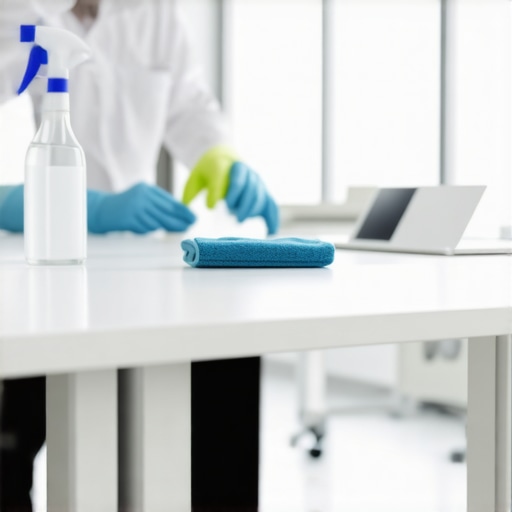
A microfiber cloth isn’t just a trendy choice—it’s a trusted tool for capturing bacteria. When cleaning, avoid abrasive sponges that can spread germs or damage surfaces. Use a two-step method: first, scrub with a neutral cleaner to dislodge dirt; second, follow with a disinfectant. Apply disinfectant with a spray or soaked cloth, ensuring even coverage and dwell time. For floors, use a mop designed for sanitation, and replace it frequently to avoid cross-contamination. Visualize this as gardening: you wouldn’t dig in unwashed soil without gloves; proper tools prevent germs from slipping through the cracks.
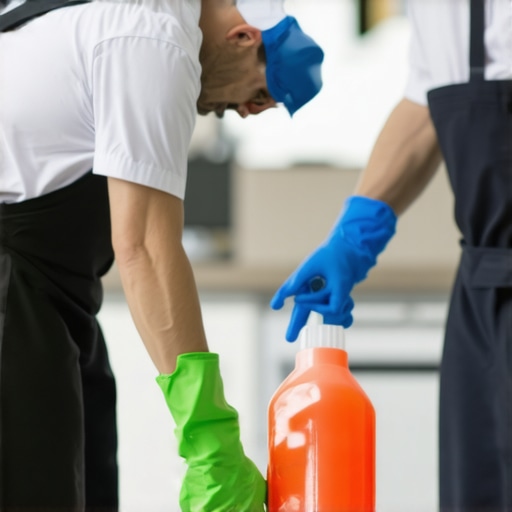
Identify high-risk zones that everyone contacts—think of them as the hotspots on a map. Regularly disinfect doorknobs, light switches, elevator buttons, and shared equipment. During deep cleans, pay extra attention here, using spray bottles for targeted application. Remember, these spots are like the steering wheel of a car—constant contact means increased risk if not sanitized properly. Moreover, schedule daily routines for these points, reinforcing trust in your environment. For additional insights, consider reviewing top sanitizing methods.
Effective cleaning isn’t complete until surfaces dry thoroughly; damp environments foster bacteria. Use fans or open windows to accelerate drying, much like airing out a damp basement prevents mold. Proper ventilation also disperses airborne particles, reducing the risk of long-distance germ transfer. After disinfecting, leave items to air dry or manually wipe with a clean, dry cloth. Think of this process like baking—proper heat (or in this case, airflow) ensures the final product is safe and trustworthy.
Deep cleaning isn’t a one-off task; it’s a commitment. Establish a routine schedule—weekly for less-used spaces and daily for high-risk zones—to maintain ongoing trust. Use checklists to track cleaning tasks, ensuring no step is skipped. Over time, this consistency builds a reliable environment that others will trust, much like a well-rehearsed team. For more detailed schedules tailored for busy households, visit this resource.
Many assume that a quick wipe or superficial clean suffices in maintaining a hygienic workspace, but this is a dangerous misconception. The truth is, most people underestimate the importance of thorough sanitization and often rely on outdated or ineffective methods. In my experience, one of the most pervasive myths is that disinfecting once a week is enough. However, pathogens can reappear rapidly if high-touch areas aren’t disinfected daily with scientifically backed techniques. A common trap is neglecting the nuances of contact time; applying disinfectants without allowing the proper dwell time significantly reduces their effectiveness. According to a study in the *Journal of Hospital Infection*, surfaces left untreated or inadequately disinfected contribute to the persistence and spread of bacteria and viruses. Therefore, understanding and implementing advanced strategies, like selecting EPA-registered disinfectants and ensuring proper surface contact, is crucial. Are you aware that many overlook the significance of surface drying after disinfecting? Damp surfaces can harbor bacteria, undermining your cleaning efforts. Using proper tools such as microfiber cloths and ensuring surfaces dry thoroughly can make a big difference. Additionally, advanced players in the cleaning industry focus on the hygiene of air circulation and ventilation, which many underestimate. Proper airflow disperses airborne pathogens, complementing surface disinfection. Misjudging these details leads to a false sense of security, risking health and trust in your environment. To elevate your cleaning routines, check out [the secrets of expert house cleaners](https://purexhousecleaning.com/secrets-of-expert-house-cleaners-for-a-pristine-environment-with-ease) and adopt evidence-based practices. Remember, deep cleaning isn’t just about appearances; it’s about trust, safety, and health. If you want your space to genuinely be germ-free, avoid these pitfalls and make continuous, informed adjustments. Have you ever fallen into this trap? Let me know in the comments.Maintaining a consistent and thorough cleaning routine requires the right tools and a strategic approach. Personally, I rely heavily on microfiber cloths and EPA-registered disinfectants because they provide reliable results without damaging surfaces. Microfiber cloths are essential—they trap bacteria and dirt more effectively than traditional sponges, and I replace them after each use to prevent cross-contamination. When disinfecting, I opt for EPA-registered solutions like Clorox Healthcare Bleach Germicidal Wipe, which boasts a proven kill rate against 99.9% of germs within the recommended contact time. Using the correct tools not only boosts efficiency but also ensures safety and trustworthiness in your cleaning process.
Another device I swear by is a UV-C germicidal light. Recent advances indicate that portable UV-C devices can deactivate viruses and bacteria on surfaces within minutes, making them a valuable addition for deep sanitization. However, it’s crucial to use these devices correctly—for example, ensuring the light reaches all high-touch surfaces without exposure to eyes or skin. As professional cleaning experts suggest, integrating UV-C technology can be a game-changer for maintaining long-term cleanliness, especially in shared workspaces.
Looking ahead, I predict that automated cleaning devices, like robotic vacuums equipped with UV sterilization, will become standard for both home and office use. Technology is making it easier to maintain high hygiene standards with less manual effort.
How do I maintain cleanliness tools and techniques over time?
Regularly inspect and replace your cleaning implements. For instance, microfiber cloths should be washed after every use and replaced every few months, depending on wear. Disinfect spray bottles and nozzles periodically to prevent buildup, as suggested by the insights in expert house cleaning secrets. Keep your disinfectants fresh—substances can degrade over time, reducing efficacy. Investing in quality tools also pays dividends; commercial-grade steam cleaners, for example, can sanitize carpets and upholstery thoroughly and are invaluable for maintaining longer-term trust and safety.
Try incorporating a UV-C light into your weekly routine—it’s an advanced tip that can significantly augment your sanitization efforts. Proper usage and consistent maintenance of your tools will ensure your cleaning results remain effective over weeks and months, ultimately contributing to a healthier environment. To learn more about advanced cleaning techniques, consider reading this professional guide. Staying proactive and investing in the right equipment will help you build a cleaning routine that endures.
What I Wish Someone Told Me About Deep Cleaning
Early on, I believed a quick wipe could keep my space safe, but I learned that shortcuts often undermine trust and safety. The real lesson was patience—taking the time to thoroughly disinfect high-touch areas truly makes a difference in long-term cleanliness and peace of mind.
Another lightbulb moment was understanding that tools matter more than I initially thought. Investing in quality microfiber cloths and EPA-registered disinfectants dramatically improved my results, saving time and reducing cross-contamination risks.
Finally, I realized that consistency—not just occasional deep cleans—is the secret to building trust in any environment. Establishing a routine ensures surfaces stay genuinely sanitized and trustworthy, creating spaces where health and hygiene are prioritized daily.
Tools and Resources That Changed My Approach
My essential toolkit includes microfiber cloths, EPA-registered disinfectants like Clorox Healthcare wipes, and portable UV-C germicidal lights. These tools have proven their worth in achieving reliable, long-lasting cleanliness—and I trust them because they’re backed by scientific research and industry standards.
For deeper insights, I recommend exploring these expert house cleaning secrets, which reveal professional techniques to elevate your sanitation methods. Additionally, this comprehensive guide provides step-by-step strategies that make deep cleaning both manageable and effective.
Another game-changer has been understanding the role of proper ventilation and surface drying, which many overlook. Ensuring surfaces dry thoroughly after disinfecting prevents germs from thriving—a simple yet often neglected step that boosts your trustworthiness.
Inspiring Action for a Safer Space
Your dedication to mastering deep cleaning in 2024 can transform your environment into a space of genuine trust and safety. By embracing proven techniques, investing in quality tools, and maintaining consistent routines, you’re building an environment where health is protected and trust is earned daily. Don’t wait for visible dirt to take action—start integrating these strategies today and experience the peace of mind that comes with a truly sanitized space.
What is your biggest challenge when it comes to maintaining trust through deep cleaning? Share your thoughts below—I’d love to hear your experiences!