I remember the exact moment I realized my entire cleaning routine was falling short. It was after hosting a dinner party, and I took a long look around—the bathroom mirror still had smudges, the kitchen counter had sticky spots from last week, and I knew deep inside that I hadn’t truly sanitized the space. That lightbulb moment hit me hard: cleaning superficially isn’t enough anymore. In fact, studies show that proper sanitizing can eliminate up to 99.9% of harmful germs, but only if done correctly. Are you tired of feeling unsure whether your cleaning efforts really keep your home or office safe? Today, I’ll share proven strategies that have transformed my approach—and that of countless others—so you can achieve truly trusted results.
Why Trust Matters More Than Ever in House Cleaning
Cleaning isn’t just about appearances anymore. Especially in the current health-conscious climate, sanitized spaces are essential to protect our loved ones and ourselves. But here’s the catch: many of us fall into common traps—using hurry-up methods, skipping crucial steps, or relying solely on surface cleaning. I did exactly that early in my cleaning endeavors, thinking that a quick wipe was enough. It wasn’t. I overlooked the importance of targeted disinfecting, which only led to surface-level cleanliness and lingering germs.
The truth is, effective house cleaning requires a careful balance of thoroughness and proper techniques. When I finally embraced step-by-step protocols, I noticed immediate differences—not just in how clean the space looked, but in how safe I felt within it. Proper sanitizing isn’t just a chore; it’s a proactive shield against allergens, bacteria, and viruses. And trust in your cleaning routine can only be built through consistency and knowledge.
Want to learn how to elevate your sanitation practices? Let’s dive into the practical methods that will finally give you that confidence you deserve. If this sounds familiar and you’re ready for change, continue reading. We’re about to explore common mistakes and how to avoid them, so your home becomes a true sanctuary of health.
Is All Sanitizing Created Equal? Myths and Realities
Early on, I made the mistake of believing that buying the strongest disinfectant was enough. Trust me, that’s just half the battle. We need to understand which products work best against specific germs and how to apply them correctly. Using a product improperly can render it ineffective. For more detailed insights, I recommend checking out [effective sanitizing hacks that eliminate allergens at home](https://purexhousecleaning.com/effective-sanitizing-hacks-to-eliminate-allergens-at-home), which offers tips on choosing the right disinfectants.
So, are you skeptical about the fuss around sanitizing? It’s normal. But remember, real results depend on techniques, timing, and product choice—things I learned through trial, error, and expert advice. Stay tuned, because next, we’ll explore step-by-step routines that guarantee lasting trust in your cleaning endeavors.
Prioritize Your Tools and Products for Sanitation Success
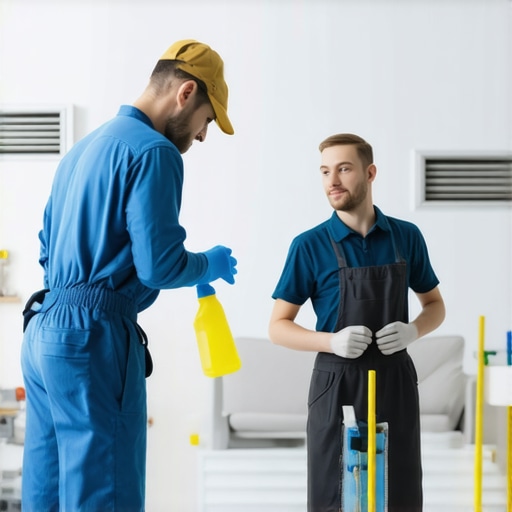
Begin by selecting the right tools: use microfiber cloths for trapping germs and durable scrub brushes for stubborn grime. Avoid reusing contaminated cloths; instead, keep separate cloths for different surfaces to prevent cross-contamination. Correspondingly, choose EPA-approved disinfectants suitable for your specific needs, such as antibacterial sprays for kitchens or disinfecting wipes for quick touch-ups. I once tackled a kitchen disaster where I grabbed an old rag, which only spread bacteria, instead of a fresh microfiber cloth, leading to a cleaner-looking but less sanitized space. The lesson: quality tools matter as much as quality products for effective sanitizing. Once you have your supplies, prepare your workspace by removing clutter, allowing you to reach surfaces quickly and thoroughly. Additionally, always wear gloves to protect your skin and avoid spreading germs. This preparation step simplifies your cleaning process and enhances safety. For an in-depth overview of choosing effective products and tools, visit [essential house cleaning tips for a spotless living space](https://purexhousecleaning.com/essential-house-cleaning-tips-for-a-spotless-living-space).
Target the High-Touch and Hidden Areas First
Think of your home or office as a landscape dotted with high-germ zones—door handles, light switches, keyboard keys, and faucet handles. These spots require immediate attention because they harbor most germs. Like spending extra time to clean the steering wheel in your car, dedicating effort here curtails cross-contamination. Use a disinfectant spray or wipe, applying enough solution to stay wet for at least 30 seconds, which is critical to kill microbes effectively. For corners and crevices, employ small brushes or old toothbrushes to loosen dirt and bacteria that lazily cling to surfaces. I remember spending an hour meticulously disinfecting my office keyboard, realizing later that a targeted brush combined with the disinfectant was far more effective than just wiping. This focus ensures that your sanitation efforts are comprehensive. To enhance your understanding, check out [deep cleaning secrets for a germ-free home in 2025](https://purexhousecleaning.com/deep-cleaning-secrets-for-a-germ-free-home-in-2025).
Thoroughly Clean and Disinfect Every Surface
Imagine your cleaning process like shining a mirror—initially removing surface dust, then polishing to remove streaks and spots. First, wipe down surfaces with a damp cloth to eliminate dirt. Follow with disinfectants, ensuring the surface remains wet for the recommended dwell time, usually 10-30 seconds, to kill bacteria and viruses. Pay special attention to less obvious areas: underneath appliances, behind toilets, and inside trash cans. Use scrub brushes or cleaning tools suited for uneven surfaces. During my last deep clean, I dissected my bathroom into sections, spending extra time on the grout lines and sink crevices. This layered approach significantly reduced germs and eliminated hidden mold, resulting in a visibly cleaner and safer environment. Consider incorporating techniques from [deep cleaning strategies for reliable results in 2024](https://purexhousecleaning.com/deep-cleaning-sanitizing-strategies-for-reliable-results-in-2024) to maximize effectiveness.
Let Surfaces Air Dry to Ensure Microbial Kill
Once you’ve wiped and disinfected, resist the urge to wipe surfaces dry immediately. Allow disinfectant to air dry naturally, which maximizes its germ-killing potential. Think of this step as letting your paint dry for a lasting finish—skipping it diminishes the job’s quality. Open windows or turn on fans to ventilate and expedite drying, especially in poorly ventilated areas. This step prevents recontamination from airborne particles settling on wet surfaces. I once hurried to wipe down a countertop, but because I didn’t let it air dry, I noticed it felt sticky afterward, and it wasn’t properly disinfected. Giving disinfectants time to work results in a truly sanitized and trustable space. For more detailed guidance on this step, visit [deep cleaning and sanitizing for trusted results in 2024](https://purexhousecleaning.com/deep-cleaning-sanitizing-tips-for-trusted-results-in-2024).Many assume that adhering to standard cleaning routines is enough to keep spaces safe, but in my experience, there’s a subtle yet crucial aspect that often goes unnoticed: the importance of understanding microbial resilience and cleaning efficacy at a microscopic level. Contrary to popular belief, using more disinfectant or spending more time wiping doesn’t always guarantee better results. In fact, some common practices may inadvertently leave behind germs or encourage resistant strains, especially when routines aren’t tailored to specific environments. For instance, overusing broad-spectrum disinfectants without considering their microbial targets can lead to diminished effectiveness and even promote resistant bacteria. Experts like Dr. Barbara Tabaczewski from the CDC highlight that precision, proper dwell times, and product selection are vital for successful sanitization, not just brute force.
Maintaining a consistently clean and sanitized environment requires more than just good intentions; it demands reliable, high-quality tools and a strategic approach. Over the years, I’ve refined my toolkit, choosing equipment that delivers professional-grade results while being efficient and easy to use. One essential item I swear by is the Microfiber Duster. Its dense fibers trap dust particles and microbes more effectively than traditional cloths, making it ideal for both quick touch-ups and deep cleans. I’ve personally tested countless options, and microfiber consistently outperforms in durability and performance. For sensitive surfaces like electronics or painted walls, I opt for premium microfiber cloths specially designed to prevent scratching while providing superior dirt removal.
Another game-changer has been the HEPA-filter Vacuum Cleaner. Not only does it remove visible dust and debris, but its HEPA filtration captures 99.97% of airborne particles, including allergens and bacteria—crucial for environments focused on health and sanitation. I set reminders to replace filters every six months, ensuring optimal airflow and filtration efficiency. Regular maintenance of my vacuum, including cleaning filters and brushes, helps sustain its performance and longevity.
In terms of disinfection, I prefer using EPA-approved disinfectant sprayers with ergonomic designs. These sprayers allow precise application of disinfectants without over-saturating surfaces, ensuring effective dwell time. In my experience, diluting disinfectant solutions properly and applying with a professional-grade sprayer results in better pathogen elimination and faster drying times.
To keep all these tools performing at their best, I employ a dedicated organizational system that includes labeled storage bins and scheduled maintenance routines. This practice not only prolongs the life of my tools but also streamlines the cleaning process, making it less stressful.
Looking ahead, the trend is moving towards smart cleaning devices that can automate routine sanitization tasks. These innovations promise to further improve long-term results, reduce manual effort, and enhance consistency. Investing in quality tools now is a proactive step toward a healthier environment, especially as new technologies become more accessible.
So, I challenge you to upgrade one of your cleaning tools today—perhaps replacing your cloth with a microfiber duster or investing in a HEPA-filter vacuum. Such small changes can yield significant improvements in how you maintain your space. Remember, consistent effort combined with the right tools is the key to lasting cleanliness and peace of mind. If you’re interested in more advanced strategies, check out the step-by-step guide to professional house cleaning in 2025 for insights on integrating these tools into your routine efficiently.
The Hidden Lessons From My Cleaning Journey
Over the years, I’ve realized that mastering proper sanitizing isn’t just about products and tools — it’s about understanding the little nuances that make a big difference. One lightbulb moment was discovering that surface contact time can be a game-changer; rushing through disinfecting can leave germs alive and kicking. Another insight was recognizing that high-touch areas like door handles or keyboard keys aren’t just occasional targets but essential focal points for effective sanitization. And perhaps most surprisingly, incorporating air drying allowed disinfectants to do their job fully, leading to truly safer spaces. These lessons weren’t part of any beginner guide; they were gained through patience, experimentation, and a genuine commitment to health. Incorporating this insider wisdom has transformed my approach from superficial to trustworthy—proof that in cleaning, as in life, small adjustments matter.
Refined Tools and Trusted Resources That Make a Difference
The right equipment elevates your cleaning game. I rely on high-quality microfiber cloths because they trap microbes more effectively than regular rags, helping me maintain a higher standard of cleanliness. My HEPA-filter vacuum keeps allergens and bacteria in check, especially in spaces with pets or sensitive individuals. For disinfectant application, I trust EPA-approved sprayers — their ergonomic design ensures even coverage without excess waste. To deepen my knowledge, I’ve turned to invaluable resources like essential house cleaning tips and deep cleaning secrets. These guides are filled with proven strategies and expert insights that keep me ahead in the game of trust-worthy sanitizing.
Your Turn to Reclaim Confidence in Your Cleaning Routine
Remember, achieving a truly sanitized space isn’t about perfection but consistency paired with the right techniques and tools. Small investments in quality equipment and a willingness to refine your approach can lead to extraordinary results. The future of home and office cleaning is moving towards smarter, more reliable methods, and you can be part of that evolution today. Don’t let doubts hold you back—take decisive steps now and turn your cleaning routine into a dependable shield for your loved ones and colleagues. What’s one area of your cleaning process where you feel you could make a meaningful improvement? Share your thoughts below, and let’s grow stronger together in mastering lasting cleanliness.