I still remember the moment I realized my cleaning efforts were falling flat. It wasn’t a grand disaster—no spills or accidents—but rather a creeping suspicion that my home and office weren’t as spotless or sanitized as I thought. That gnawing feeling grew until I caught a whiff of something off in the bathroom, and suddenly, I questioned everything. It was a lightbulb moment that made me rethink my approach to cleaning—not just about appearance, but about trust and safety.
The Power of Cleanliness in Building Lasting Trust
Is Your Cleaning Routine Truly Enough to Protect What Matters?
In 2024, more than ever, the way we clean our spaces speaks volumes about our commitment to health and trustworthiness. Whether you’re maintaining a busy household or managing an office environment, your cleaning strategy influences not only hygiene but also the confidence others have in your space. From shared kitchens to meeting rooms, the importance of effective and trustworthy cleaning techniques cannot be overstated. Did you know that improper cleaning methods can actually spread germs rather than eliminate them? According to experts, common mistakes like using the wrong disinfectant or neglecting high-touch surfaces can compromise safety and trust, making your efforts less effective and more prone to failure. Early in my journey, I made the mistake of thinking a quick wipe was sufficient, only to realize later that comprehensive sanitizing is key to building confidence in your environment. This awareness prompted me to dig deeper into proven strategies—like those detailed in the comprehensive guides on deep cleaning routines and housekeeping tips—to upgrade my approach.
So, how do you ensure that your cleaning efforts truly garner trust? The key lies in adopting a systematic, trustworthy approach that combines effective techniques with consistent execution. Over the next sections, we’ll explore step-by-step strategies to enhance your cleaning routines, ensuring they are not only surface-deep but also germ-free and reliable. Ready to take your sanitation game to the next level? Let’s dive into proven methods to build lasting confidence in your home and workspace.
Tackle High-Traffic Areas First
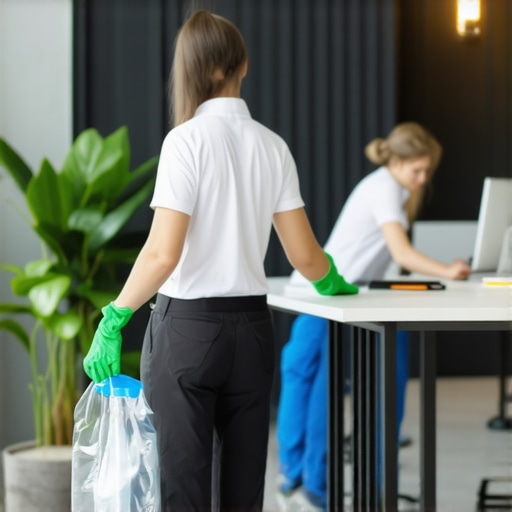
Start by focusing on commonly touched surfaces like door handles, light switches, and electronic devices. Think of these spots as the front line in your cleaning battle—neglecting them is like leaving the gates open in a castle defense. First, wear gloves and disinfect these surfaces with an EPA-approved sanitizer, ensuring you cover all angles. I learned this lesson early when I skipped this step and realized a week later that germs had settled in unnoticed, undermining my efforts. Moving systematically makes a real difference.
Use the Right Tools and Products
Choosing the proper cleaning supplies is akin to picking the right weapon for a task; it determines your success. Microfiber cloths trap dust better than traditional rags, while EPA-approved disinfectants are essential for effective germ elimination. Remember, mixing incorrect cleaners can lessen their effectiveness or cause harmful fumes, so always read labels. In my messy first attempt, I used household bleach to disinfect a kitchen counter, which was effective but harsh; switching to a proven disinfectant list from trusted sources improved my safety and results.
Deep Clean to Remove Hidden Dirt and Germs
Deep cleaning involves more than surface wiping; it digs into the crevices where dirt and microbes hide, much like excavating a buried treasure. Vacuum carpets thoroughly, then mop floors with a germ-killing solution. Don’t forget behind appliances and inside air vents, areas that often harbor unseen grime. I once moved a fridge and discovered a mound of grime underneath—an eye-opener that prompted me to schedule regular deep cleans, following guidelines from professional cleaning steps. Using tools like grout brushes or steam cleaners can boost this process, breaking down stubborn dirt.
Sanitize all Surfaces Carefully
Sanitizing isn’t just about cleanliness; it’s about assurance that your space is safe for everyone. After cleaning, apply a sanitizer to all high-touch and frequently used surfaces. Follow the product instructions meticulously—over- or under-application reduces efficacy, much like overloading a washing machine ruins clothes. A practical tip I adopted was setting a weekly schedule for sanitizing high-risk zones, ensuring no corner gets neglected. For comprehensive strategies, check out deep cleaning routines that emphasize this crucial step.
Maintain Consistency for Trustworthiness
The key to lasting trust is consistency. Establish a cleaning schedule; daily quick wipes for high-touch surfaces, weekly deep cleans, and monthly sanitation reviews. Visualize your cleaning routine as maintaining a garden—regular watering, pruning, and fertilizing keep it lush and healthy. Skipping steps here can lead to buildup of germs and dirt, eroding confidence in your space. Once, I tried to cut corners by cleaning only monthly, but within weeks, visible dust and a musty smell crept back, signaling my efforts were insufficient. Now, I follow the trusted cleaning schedules to sustain a pristine environment. Keeping a checklist or calendar helps track progress and ensures nothing is overlooked.
Educate and Equip Yourself Regularly
Ongoing learning about new cleaning techniques and products enhances your ability to keep spaces safe. Subscribe to updates from trusted advice sites like expert house cleaning secrets. Attend workshops or online tutorials to see professionals in action—think of it as upgrading your cleaning arsenal. Once, I watched a video demonstrating effective sanitizing sprays, which helped me rotate my products for better results and efficiency. Remember, knowledge evolves, and so should your methods. Incorporate feedback from trusted sources to adapt your routines, making them more effective over time. This commitment to continuous improvement demonstrates trustworthiness in your environment and peace of mind for everyone who enters.Even among seasoned cleaners, there’s a misconception that wiping surfaces with any disinfectant is sufficient for safety. However, in my experience, the effectiveness of cleaning deeply depends on understanding the specific properties of disinfectants and their proper application. Many assume that all cleaning products work equally well, but this isn’t true. Certain disinfectants require a specific contact time to kill germs effectively, and neglecting this detail can give a false sense of security. For example, a study published in the Journal of Environmental Health highlighted that many household disinfectants are ineffective against certain pathogens if not used properly, underscoring the importance of following product instructions carefully. This leads us to a common trap: treating **surface cleaning** as a one-step process rather than a strategic sequence involving cleaning, disinfecting, and sanitizing. Overlooking this sequence can allow microbes to survive, particularly on high-touch areas such as door handles, light switches, and electronic devices, which are often neglected or disinfected improperly.
Are You Overlooking the Significance of Cleaning Timing and Frequency?
Many believe that cleaning once a week suffices, but this oversimplification misses the *nuance* of maintaining a truly hygienic environment. For spaces with high foot traffic, such as offices or kitchens, the frequency of cleaning directly impacts safety and trust. Implementing a schedule that adapts to usage intensity is key; for example, increasing disinfecting frequency in flu season or during outbreaks can prevent germ spread effectively. Failing to recognize this can lead to overlooked germ hotspots and diminished confidence among occupants. Furthermore, the difference between superficial cleaning and deep sanitation can be substantial. Deep cleaning not only removes visible dirt but also targets hidden microbes, dust mites, and allergens, which often cause allergic reactions or illness. Adopting advanced techniques, like steam cleaning or using EPA-approved disinfectants properly, enhances this process. For comprehensive guidance on elevating your cleaning routine, visiting in-depth resources like the deep cleaning strategies can be transformative.
Implementing these nuanced insights can significantly elevate your cleaning efficacy, ensuring spaces are truly safe and trustworthy. Remember, the devil is in the details—choosing the right products, applying them correctly, and adjusting your schedule based on actual needs make all the difference in building lasting confidence. Have you ever fallen into this trap? Let me know in the comments.
Keep It Working: Essential Tools for Long-Term Cleaning Success
Achieving and maintaining a pristine environment isn’t just about initial effort; it requires reliable equipment and smart methods that stand the test of time. I personally rely on specific tools that streamline my process, ensure safety, and deliver consistent results. A top choice is a high-quality microfiber mop equipped with replaceable heads, which allows me to deep clean floors without cross-contaminating surfaces. Unlike traditional mops, microfiber picks up dust and microbes more effectively, making routine sanitizing more efficient. Additionally, I swear by a steam cleaner for deep sanitization, particularly in kitchens and bathrooms, because heat kills germs without chemical residues. For delicate electronics and high-touch areas, I prefer EPA-approved disinfectant sprays applied with microfiber cloths—these require proper contact time, as noted in the EPA guidelines. My secret weapon is a cordless, rechargeable handheld vacuum with Hepa filtration, perfect for quick touches on upholstery or hard-to-reach spots, minimizing dust buildup that can compromise air quality over time. These tools contribute to sustained trustworthiness by making sanitation effortless and thorough. Looking ahead, I believe the future of cleaning tools will lean heavily into automation and smart sensors that monitor surface cleanliness, ensuring consistent sanitation levels effortlessly. To keep your tools in peak condition, regularly check for wear and replace parts as needed, much like you would with professional-grade equipment. This proactive maintenance prevents unexpected breakdowns and guarantees dependable performance.
How do I maintain my cleaning tools over time?
Proper maintenance of your cleaning equipment is crucial for long-term effectiveness. Regularly wash microfiber cloths and replace heads to prevent microbial buildup. For steam cleaners, descale tanks periodically to prevent mineral deposits that reduce heat efficiency. Battery-powered tools should be recharged properly and stored in a dry place to extend their lifespan. Cleaning and inspecting cords for damage is essential to prevent safety hazards. Additionally, calibrate your disinfectant sprayers following manufacturer instructions to ensure accurate application. Investing a few minutes weekly to care for your tools prolongs their lifespan and sustains the quality of your cleaning results, fostering trust and safety in your environment. For more insights on professional maintenance practices, consider reviewing this comprehensive guide. Regular upkeep of your cleaning arsenal saves time and money, allowing you to consistently deliver trustworthy, germ-free spaces. Don’t forget, upgrading your tools as technology advances can significantly boost your cleaning effectiveness—stay curious and proactive. Start by inspecting your current equipment today and plan a maintenance schedule that keeps everything in prime condition.
Six Surprising Insights That Changed My Cleaning Approach Forever
- Sometimes, the tiniest overlooked detail can undermine your entire effort. I once thought a quick wipe was enough, but it wasn’t until I realized high-touch areas needed dedicated disinfecting that I truly understood the importance of attention to detail in building trust.
- Relying solely on trendy cleaning products isn’t enough—understanding the science behind disinfectants makes all the difference. My experience with improperly applied disinfectants taught me that knowing contact times and proper dilution is key to effective sanitation.
- Consistency beats sporadic efforts every time. A haphazard cleaning schedule fosters bacteria and erodes confidence; establishing routine protocols created a safer, more trustworthy environment for my family and colleagues.
- Investing in quality tools isn’t a luxury, it’s a necessity. Upgrading from basic rags to microfiber cloths and steam cleaners transformed my results and boosted my confidence in cleanliness.
- Ongoing education keeps your methods sharp and aligned with best practices. Regularly reviewing authoritative resources like professional cleaning guides has saved me from common pitfalls and introduced me to innovative techniques.
- Trust is built when your cleaning habits adapt to changing circumstances. During flu season or after hosting guests, increasing disinfecting frequency and deep cleaning efforts proved to me that flexibility is vital to maintaining a trustworthy space.
My Arsenal for House Cleaning Success
Over the years, I’ve curated a set of tools that consistently deliver results. A few I swear by include a high-quality microfiber mop, an EPA-approved disinfectant spray, a steam cleaner for stubborn grime, and a cordless vacuum for quick touch-ups. These tools not only streamline my routine but also ensure thorough sanitation. For deeper insights into effective cleaning strategies, exploring deeper cleaning techniques has been instrumental in elevating my environment. Remember, maintaining your tools—like regular descaling of steam cleaners and washing microfiber cloths—extends their lifespan and keeps your cleaning trustworthy.