It was a typical Sunday afternoon when I finally looked around my home and realized something was off. A faint smell lingering in the air, surfaces that didn’t quite feel fresh anymore, and a latent sense that I’d been neglecting the deep cleaning my space truly deserved. Suddenly, I had that lightbulb moment—cleaning isn’t just about appearances; it’s about creating a safe environment for everyone. That realization sparked my journey into mastering effective sanitizing strategies, and let me tell you, the difference it made was eye-opening.
Why Prioritizing Deep Cleaning Matters More Than Ever
In today’s world, the importance of thorough cleaning and sanitizing cannot be overstated. With the ongoing awareness of airborne allergens, pathogens, and everyday grime, a surface that looks clean isn’t necessarily safe. I used to think quick surface wipes were enough—until I learned that many common cleaning routines miss hidden nooks and microscopic spores that can threaten our health.
Research from the Centers for Disease Control and Prevention emphasizes that proper deep cleaning reduces the risk of illness by eliminating bacteria, viruses, and allergens lurking in the crevices of our homes and offices. I found that without a strategic approach, even seemingly clean spaces can harbor harmful contaminants.
In my early days, I made the mistake of using generic cleaning products without considering their effectiveness or the areas they overlooked. This oversight not only wasted my time but gave me a false sense of security. Since then, I’ve adopted proven deep cleaning and sanitizing techniques that truly make a difference—and I want to share these insights with you.
Are you tired of feeling uncertain whether your cleaning efforts are actually protecting your loved ones or colleagues? If so, you’re in the right place. Together, we’ll explore step-by-step methods to elevate your cleaning routines, ensuring your space is genuinely safe and trustworthy.
Does Deep Cleaning Really Make a Difference?
Many skeptics worry that investing time and effort into deep cleaning isn’t worth the fuss. I used to think so myself—until I realized that shallow cleaning barely scratches the surface. Deep cleaning isn’t just about aesthetics; it’s about health and peace of mind. (Trust me, once I started targeting hidden areas, I noticed a remarkable drop in allergy symptoms and overall freshness.)
If you’ve ever felt overwhelmed or unsure about where to start, don’t worry. There are simple yet effective strategies you can implement right now. From tackling overlooked spots to using the best sanitizing hacks, I’ll walk you through everything, so your space becomes a safe haven you can trust.
Start with Decluttering for Better Access
Before diving into cleaning, clear the space of clutter. Remove items from countertops, floors, and surfaces to expose hidden dirt and allow thorough cleaning. I once spent an hour organizing my cluttered living room before deep cleaning, which revealed dusty corners I had ignored—lighting up hidden grime and making my cleaning more effective.
Use the Right Tools and Products
Equip yourself with microfiber cloths, scrub brushes, and appropriate cleaning solutions. For sanitizing, opt for EPA-registered disinfectants or those detailed in these top sanitizing methods. I recall a time I used an all-purpose cleaner that didn’t cut grease well, forcing me to re-clean. Switching to a dedicated disinfectant improved both efficiency and results.
Focus on Hidden and Overlooked Areas
Target corners, vents, behind appliances, and baseboards, which often harbor accumulated dust, allergens, and microbes. I remember relocating my refrigerator to clean behind it—finding a thick layer of dust and food particles. Use an extendable duster or vacuum with attachments to reach these spots effectively. This step is crucial to prevent the buildup of allergens, especially if respiratory issues are a concern.
Deep Clean Surfaces Methodically
Start from high surfaces like ceiling fans and lights, moving downward to countertops, floors, and rugs. For example, I once cleaned my ceiling fan blades with a microfiber cloth soaked in a mild cleaner, which immediately reduced airborne dust—improving air quality noticeably. Mechanical agitation with brushes can help break stubborn grime on tile grout and textured surfaces.
Disinfect with Precision and Care
After cleaning, apply disinfectants to kill lingering pathogens. Follow the manufacturer’s instructions for contact time, especially on frequently touched areas like door handles, switches, and your keyboard. I learned that rushing through this step meant some areas weren’t effectively sanitized, defeating the purpose. Using a spray bottle and a clean cloth ensures even coverage and proper contact time.
Ventilate and Dry Thoroughly
Proper drying and airing out are vital. Open windows, turn on fans, and leave disinfectants to sit for recommended durations. I once skipped this, and the lingering moisture caused a musty smell that lingered days after cleaning. Proper ventilation prevents mold growth and ensures surfaces are safe to touch again.
Maintain the Routine with Regular Checks
Set a schedule for weekly or bi-weekly deep cleans, focusing on the most neglected areas. Keep a checklist to track progress. I found that weekly maintenance prevents build-up, making each deep cleaning less daunting and more predictable. Consistency safeguards your space, keeping allergens and germs at bay effectively.
Many believe that a quick wipe-down or superficial cleaning suffices to keep an office safe and hygienic, but in my experience, this is a common misconception that can lead to serious health risks. Superficial cleaning often masks underlying issues like microbial buildup in seldom-touched areas. For example, relying solely on surface disinfectants without thoroughly cleaning dirt, grease, or grime can leave pathogens intact, diminishing the effectiveness of the sanitization. According to experts, effective sanitizing requires a two-step approach: deep cleaning to remove organic matter, followed by disinfection to eliminate microorganisms. Still, many overlook this nuance, risking incomplete sanitation.
Are All Sanitizers Created Equal?
Another misleading myth is that all disinfectants are equally effective. The truth is, not all disinfectants are EPA-registered or suitable for every surface. Some products merely mask germs without killing them, providing a false sense of security. Advanced users know to select EPA-registered disinfectants and to follow the manufacturer’s instructions meticulously for optimal results. Using improper products on sensitive equipment can also damage surfaces or become counterproductive.
In my journey, I found that improving my sanitizing strategies involved understanding product chemistry and application techniques. For instance, disinfectants are most effective when surfaces are free of dust and grime, which is why proper deep cleaning is critical before sanitizing. This small but crucial step makes all the difference in ensuring long-lasting health benefits.
Handling Advanced Cleaning Challenges
For those seeking a more sophisticated approach, there’s a common pitfall: using the wrong tools for specific tasks. For example, applying disinfectant with a dry cloth or neglecting to allow sufficient contact time diminishes effectiveness, potentially leaving microbes alive. Professional-grade strategies include using microfiber cloths for better particle pickup, employing automatic sprayers for even coverage, and adhering to contact time guidelines, which are often overlooked. Mastering these nuances separates average cleaners from true experts in maintaining safe environments.
Finally, let’s talk about common mistakes during routine maintenance. Many overlook the importance of regularly replacing cleaning tools like brushes and microfiber cloths which can harbor bacteria themselves if reused excessively. Ensuring proper technique, using the right products, and maintaining equipment are vital for sustained safety.
So, next time you think your cleaning routine is comprehensive, ask yourself: am I missing these critical nuances? Incorporate advanced techniques and avoid these traps, and you’ll create a healthier, more trustworthy space. Want to dive even deeper into optimized cleaning strategies? Visit this resource for expert insights. Have you ever fallen into this trap? Let me know in the comments!
Keeping It Working: Essential Equipment and Practices
Maintaining a pristine and sanitized environment requires not just diligence but the right tools that ensure consistency and effectiveness. Personally, I swear by high-quality microfiber cloths—they are my go-to for trapping dust and microbes without spreading them around. Unlike cheap alternatives, these cloths can be washed and reused multiple times, saving money and reducing waste, while providing superior cleaning results.
For tackling overlooked and hard-to-reach areas, I rely on extendable dusters with microfiber heads. They allow me to reach behind appliances or up to ceiling corners, making sure no spot is left untouched. Using a gentle but firm scrubbing brush with stiff bristles helps me dislodge stubborn grime in grout lines and textured surfaces, which often harbor hidden pathogens.
In terms of sanitization, I prefer EPA-registered disinfectants that are proven effective against a broad spectrum of microbes. My current favorite is a disinfectant spray with a contact time of at least five minutes, ensuring pathogen destruction. Applying these with a reusable spray bottle allows me to control coverage precisely, avoiding waste and ensuring even application. Remember, using high-quality, well-maintained equipment makes a significant difference in maintaining long-term cleanliness and trust in your environment.
What tools do I recommend for long-term results? Learn more about effective sanitizing methods to keep your space safe and hygienic over time. Investing in durable equipment and learning proper application techniques can prevent the buildup of germs and allergens, ultimately extending the freshness of your environment.
Predicting future trends, I believe that automation and smart cleaning devices will become indispensable. From robotic vacuums that coordinate with UV sterilizers to app-controlled disinfection systems, technology will make maintenance effortless and more reliable. Staying informed about these innovations will help you keep your space not just clean, but genuinely healthy in the long run.
How do I maintain cleaning tools over time?
Proper care of your cleaning equipment is vital. Wash microfiber cloths regularly—preferably at high temperatures—to eliminate residual germs, and replace them every few months to prevent bacterial buildup. Extendable dusters and brushes should be cleaned after each use and stored properly to avoid dust accumulation. Disinfect spray bottles periodically to prevent mold or bacteria from thriving inside. By nurturing your tools, you ensure they’ll perform optimally and continue providing trustworthy results. Would you like to see an in-depth guide on maintaining your cleaning arsenal? Explore comprehensive strategies here and take your cleaning routine to the next level!”}]}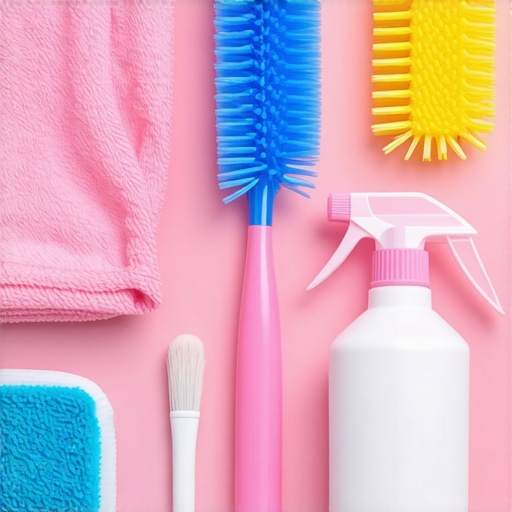 |{
|{
Throughout my cleaning journey, I discovered that the most valuable lessons often come from unexpected moments of insight. One of the hardest lessons I learned about deep cleaning and sanitizing is that superficial efforts can give a false sense of security, leading me to overlook the hidden dangers lurking beneath the surface. Another revelation was that using the wrong tools or products can undermine even the most well-intentioned routines, wasting time and resources. Perhaps most surprisingly, I realized that consistency and attention to detail are the true game-changers in maintaining a trustworthy, healthy environment. These insights transformed my approach, turning cleaning from a task into a commitment to safety, and I hope they inspire you to elevate your routines as well.