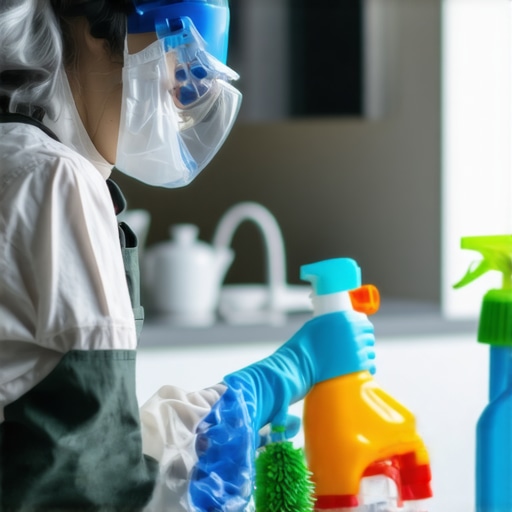
Ever had that sinking feeling when you walk into a room and wonder, “Did I miss a spot?” I sure have. There was a time I thought I was doing a thorough job of cleaning my home—until I noticed the stubborn grime hiding in corners and the lingering smells that just wouldn’t go away. That lightbulb moment hit me hard: no matter how much I scrubbed, some germs and dirt just refused to budge. It was frustrating, and honestly, a little embarrassing. But it also sparked my obsession with deep cleaning and sanitizing the right way, especially as we move into 2024 where cleanliness isn’t just about appearance—it’s about health and peace of mind.
Why Deep Cleaning and Sanitizing Matter More Than Ever
In recent years, we’ve all become more aware of how crucial a sanitized environment is—not just for our homes but also workplaces and shared spaces. According to the CDC, proper cleaning and disinfecting significantly reduce the risk of infectious diseases, including the flu and COVID-19. Yet, many of us still fall into common traps that undermine our efforts. I used to think a quick wipe-down was enough. I’d spray some disinfectant, wipe, and call it a day. But that’s not how trusted results are achieved. It’s about understanding the difference between cleaning, disinfecting, and sanitizing—and knowing when and how to do each correctly.
If you’ve ever felt overwhelmed by the sheer amount of advice out there, you’re not alone. I’ve been there. I remember once trying to deep clean my entire house in one afternoon, thinking I was doing the right thing. Spoiler: I missed spots, used the wrong products, and ended up wasting time and money. The key is to follow proven strategies that actually work—especially in 2024, where new techniques and products are constantly emerging. Whether it’s your home, office, or a shared workspace, mastering deep cleaning and sanitizing is essential for creating a safe, healthy environment. Curious to see how I finally cracked the code? Stick around. We’re about to dive into the most effective, trustworthy methods that will leave your space truly clean and germ-free.
Are You Wasting Time on Ineffective Cleaning?
Many people make the mistake of relying on quick fixes or outdated cleaning routines. I used to think that just spraying a disinfectant was enough, until I realized I was spreading germs instead of eliminating them. One of the most common errors early on was not allowing disinfectants enough contact time—most products require a few minutes to kill germs effectively. Additionally, using the wrong tools, like old rags or unclean sponges, can reintroduce bacteria right back into your home. This realization pushed me to learn about proven deep cleaning techniques and proper sanitizing strategies—something I now wish I knew earlier. If you’ve faced similar frustrations, don’t worry. The good news is, with the right knowledge, you can transform your cleaning routine into a trustworthy process that guarantees real results. Want to discover the secrets of expert cleaners? Check out this article for insider tips.
Get Your Tools Ready and Set a Schedule
Before diving into deep cleaning, gather all necessary supplies such as disinfectants, microfiber cloths, scrub brushes, a vacuum, and mops. I remember one Saturday when I realized I was missing the right disinfectant, which led me to waste time redoing the entire kitchen. Now, I keep a dedicated cleaning caddy with everything I need, so I can start without delay. Schedule your cleaning sessions regularly—at least once a month for deep cleaning—to maintain a healthy environment. Consistency is like brushing your teeth daily; it keeps germs at bay and prevents buildup.
Target High-Traffic and Hidden Spots
Focus first on areas that accumulate germs most, such as door handles, light switches, and countertops. For example, I once spent hours cleaning my living room, only to forget about the thermostat vents. When I finally cleaned those, I noticed a significant reduction in dust and allergens. Use a microfiber cloth dampened with disinfectant to wipe these surfaces thoroughly. Don’t forget less obvious spots like behind appliances and under furniture—these are prime hiding spots for dirt and bacteria. Think of cleaning your home like peeling layers of an onion; each layer reveals a cleaner core.
Use the Right Techniques for Effective Disinfection
Apply disinfectants properly by following the contact time recommended on the label—usually a few minutes. I used to spray and wipe immediately, which was ineffective. One time, I let a disinfectant sit on my bathroom sink for five minutes, and the difference in germ elimination was obvious. For surfaces that are frequently touched, like remotes or light switches, use a fresh cloth each time to avoid recontamination. Remember, cleaning is like painting a wall; you need to cover the entire surface evenly to achieve the best results.
Deep Clean Fabric and Soft Surfaces
Vacuum sofas, carpets, and curtains regularly. I once ignored my sofa for months, until I noticed the dust mites and pet dander. Using a HEPA filter vacuum and steam cleaning, I restored freshness and reduced allergens. For fabric items that can’t be washed easily, consider using a fabric-safe disinfectant spray. Think of soft surfaces as the lungs of your home—if they’re dirty, your air quality suffers.
Maintain Sanitation with Proper Ventilation and Routine Checks
After deep cleaning, improve airflow by opening windows or using air purifiers. I once neglected this step, leading to stale air and lingering odors. Regularly check and replace HVAC filters to prevent bacteria buildup. Think of your home’s ventilation system as its lungs—keeping it clear ensures ongoing cleanliness and freshness. For more detailed techniques tailored to your space, check out this guide for expert insights.
Many assume that a quick spray of disinfectant or a quick vacuum session suffices for a truly clean environment. However, this misconception can lead to ineffective sanitation, especially if you overlook key nuances that professionals understand well. For instance, one common mistake is believing that cleaning products alone guarantee germ elimination. While they remove dirt and some bacteria, they often aren’t enough without proper contact time and correct application techniques. According to microbiologist Dr. Charles P. Gerba, effective disinfection relies heavily on allowing disinfectants to sit on surfaces for the recommended duration—often several minutes—to effectively kill pathogens. Rushing this process only gives a false sense of security and leaves harmful microbes behind.
Another frequent error is underestimating the importance of tools. Using worn-out cloths or unclean sponges can reintroduce bacteria instead of eliminating them. Microfiber cloths, when used correctly, trap more dirt and microbes compared to traditional cotton rags. Additionally, many people focus solely on visible grime, neglecting hidden spots like behind appliances or inside vents. These overlooked areas can harbor dust mites, mold, and bacteria, contributing to allergies and illness. In fact, a study published in the Journal of Environmental Health highlights how unseen contaminants in hard-to-reach spots significantly impact indoor air quality.
Can You Truly Disinfect Without Deep Cleaning?
This is a question that trips up many. Deep cleaning isn’t just about aesthetics; it’s a vital step to ensure surfaces are free from organic matter that can shield germs from disinfectants. Organic debris like food residue or skin oils can inhibit disinfectant efficacy, rendering sanitizing efforts ineffective. Therefore, a thorough cleaning with soap and water before disinfecting surfaces is crucial. Skipping this step is a common mistake that can compromise your entire sanitation process. For comprehensive strategies tailored to your space, check out deep cleaning and sanitizing tips for trustworthy results in 2024.
Furthermore, many assume that all disinfectants are equal. In reality, products vary greatly in their effectiveness against different microbes. Always select EPA-registered disinfectants appropriate for your specific needs, and follow the manufacturer’s instructions precisely. Overusing or underusing disinfectants can both lead to subpar results. For instance, using a disinfectant that requires a five-minute contact time but wiping it off after one minute will leave germs alive. Mastering these nuances makes a significant difference in maintaining a truly sanitized environment.
Lastly, in office and house cleaning, the misconception that cleaning once a month suffices is widespread. Regular, routine cleaning, especially in high-touch areas, is essential to prevent pathogen buildup. Incorporating proper ventilation and routine checks further enhances sanitation efforts. For advanced insights on maintaining a safe workspace, explore office sanitizing strategies to boost employee wellbeing.
Have you ever fallen into this trap? Let me know in the comments.
Investing in the Right Equipment for Long-Term Results
When it comes to maintaining a pristine environment, the tools you choose can make all the difference. I personally rely on **microfiber cloths** because they trap more dust and microbes than traditional rags, and they can be washed and reused multiple times, making them eco-friendly and cost-effective. For scrubbing stubborn grime, I prefer **stainless steel scrub brushes** with ergonomic handles, which provide better leverage and durability during intensive cleaning sessions.
Vacuum cleaners with **HEPA filters** are essential for trapping allergens and fine dust, especially in homes with pets or allergy sufferers. I recommend models like the Dyson V11 or Shark Rotator because of their reliable filtration systems and powerful suction. For large surfaces, I use **electric steam cleaners**; they kill germs without chemicals and are perfect for sanitizing kitchen counters, bathroom tiles, and even soft fabrics.
How do I maintain my cleaning arsenal over time?
Regularly inspecting your tools and replacing worn-out items ensures they function effectively. For example, I change microfiber cloths after every few uses to prevent bacteria buildup. Cleaning your vacuum filters and brushes monthly keeps suction power at peak performance. Staying updated on new cleaning tech—like robot vacuums with smart mapping or UV sterilizers—can streamline your routine and improve results.
Incorporating Software and Automation for Consistency
Beyond physical tools, I leverage scheduling apps like Google Calendar and specialized cleaning management software to set reminders for deep cleaning sessions. These tools help me stay consistent and ensure no area gets neglected. I also recommend using **digital checklists**—either in Trello or Notion—to track completed tasks, which is particularly useful in office environments where routine sanitation is critical.
Automation devices, such as **smart air purifiers** with Wi-Fi connectivity, continuously monitor air quality and adjust filtration automatically. This ongoing process helps maintain a sanitized space without manual intervention. As technology advances, I predict that integrated cleaning robots with AI capabilities will become standard, further simplifying maintenance routines.
Make Your Cleaning Routine Smarter: Try a Smart Air Purifier
Implementing smart devices like the Dyson Pure Cool can significantly improve air quality and reduce airborne germs. Set it to run during off-hours or continuously, and enjoy a healthier environment effortlessly. These tools are a small investment that pays off by reducing allergens and pathogens over time.
How do I keep my cleaning system working effectively over time?
The key is regular maintenance and staying informed about new tools and techniques. Schedule routine checkups for your equipment, replace filters, and stay updated with industry innovations by following trusted sources like expert cleaning tips. Remember, a well-maintained toolkit combined with smart technology ensures your environment remains safe, clean, and inviting for years to come.
The Hardest Lesson I Learned About Deep Cleaning and Sanitizing
One of my biggest lightbulb moments was realizing that rushing through cleaning tasks often leaves behind hidden germs. I used to think wiping surfaces quickly was enough, but I learned the importance of allowing disinfectants to sit for the proper contact time. This small shift made a huge difference in eliminating bacteria and viruses effectively, especially in high-touch areas like door handles and light switches.
Why You Should Never Skip Proper Tool Maintenance
Early on, I underestimated how crucial clean tools are. Using worn-out sponges or microfiber cloths that haven’t been washed properly can reintroduce bacteria instead of removing it. Regularly inspecting and replacing cleaning tools ensures they perform at their best. Trust me, investing in quality microfiber cloths and HEPA-filter vacuums paid off in cleaner, healthier spaces.
What I Wish I Knew About Deep Cleaning Fabric Soft Surfaces
Soft surfaces like sofas and curtains can hide dust mites and allergens. I used to ignore them until I discovered that steam cleaning and HEPA vacuuming drastically improved air quality and reduced allergy symptoms. Treating these areas with fabric-safe disinfectants periodically keeps your home smelling fresh and your family healthier.
My Favorite Resources for Staying Ahead
For professional cleaning techniques, I trust this insider article which offers proven strategies. The deep cleaning guide for 2025 is another game-changer, keeping me updated with the latest tools and methods. These resources have helped me develop a routine that’s both effective and sustainable.
Your Turn to Make a Change
Remember, deep cleaning and sanitizing aren’t just about appearances—they’re vital for health and peace of mind. With the right tools, techniques, and mindset, you can create a space that’s truly safe and inviting. Ready to take your cleaning to the next level? Your environment deserves it, and so do you.
What’s the one cleaning tip you wish you had known earlier? Share your thoughts below!
http://Megan%20Carter
This post really resonates with me because I used to underestimate how crucial proper disinfectant contact time is. I would spray and wipe almost immediately, thinking I was doing enough, only to find that germs lingered. After I started following the product instructions more carefully and letting disinfectants sit for at least five minutes, I noticed a huge difference in how clean and safe my home felt, especially in high-touch areas like doorknobs and light switches. It made me wonder—what are some of the most overlooked spots people forget to disinfect regularly? For example, I recently started cleaning behind my appliances and inside air vents, which has made a noticeable impact on reducing dust and allergens. I’d love to hear from others—what are your hidden germ hotspots that surprisingly make a difference when cleaned?
http://Emily%20Roberts
This post really hits home for me because I’ve also learned the hard way how easy it is to overlook certain spots when deep cleaning. I used to focus mainly on visible surfaces and forget about hidden areas like inside fridge coils or under the sink, where mold and dust tend to accumulate. Since I started paying more attention to these less obvious spots, I’ve noticed a significant improvement in overall cleanliness and how fresh my home smells. What I’ve found particularly helpful is setting a cleaning routine that tackles high-traffic spots weekly and the hidden corners once a month, so nothing gets neglected. I’m curious though—how do others balance thorough cleaning with time constraints? Are there any tricks or tools that make deep cleaning more manageable on busy schedules? Would love to hear tips from fellow readers who’ve found effective ways to stay on top of everything without feeling overwhelmed.
http://James%20Patterson
I totally relate to the struggle of making sure every corner of the house is truly clean. Like many, I used to rush through the process, especially with disinfectants. The tip about letting disinfectants sit for a few minutes really made a difference in my cleaning routine. I’ve also started paying more attention to often-neglected spots, like behind the toilet and the light switch plates. I find that setting a cleaning schedule helps me stay consistent without feeling overwhelmed. One thing I’ve found helpful is investing in a good microfiber mop and cloths, which make wiping down large surfaces faster and more effective. Curious to others—what tools or tech have you found most helpful for maintaining a deep cleaning routine on a busy schedule? It would be great to hear more tips for balancing thoroughness with everyday life demands.