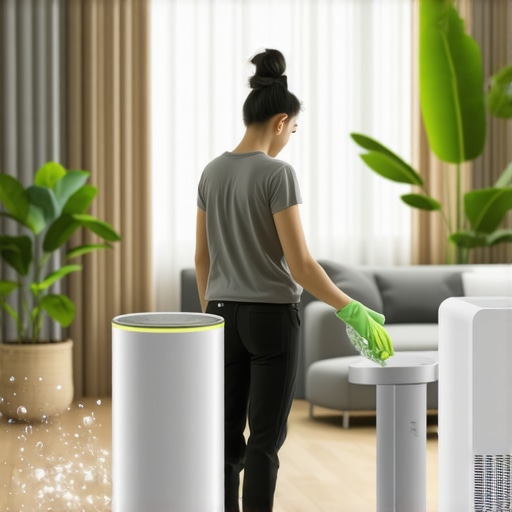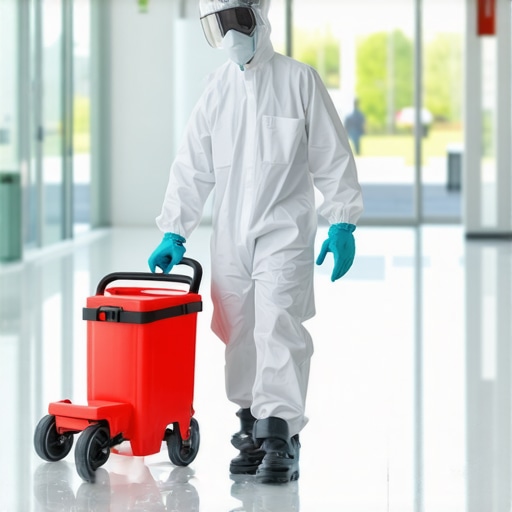
Have you ever scrubbed every surface in your home or office, only to feel that gnawing suspicion that something’s still not quite right? Maybe it’s the lingering smell of chemicals, or perhaps you notice your family sneezing more often. I used to think a quick wipe-down was enough—until one day, I experienced a stubborn allergy flare-up that made me realize I had been missing something crucial. That lightbulb moment made me dive deep into the world of professional-grade cleaning and sanitizing, and what I discovered transformed my approach entirely.
Why Deep Cleaning and Sanitizing Matter More Than Ever in 2024
In today’s world, cleanliness isn’t just about appearances; it’s about trust, safety, and peace of mind. With viruses, bacteria, and allergens becoming more resilient, a surface that looks clean might still harbor unseen threats. Did you know that according to the CDC, many common household germs can survive for days on surfaces? That’s why effective cleaning and sanitizing are more critical than ever. But here’s the catch: not all methods deliver the same trustworthy results. That’s where my experience—and this guide—comes in.
Is All the Hype About Sanitizing Techniques Just Overblown?
I’ll admit, I made a mistake early on—thinking that just using any disinfectant was enough. Spoiler: it’s not. The wrong approach can give a false sense of security or even worsen issues by spreading contaminants. That’s why understanding scientifically backed strategies is essential. Today, I’ll share proven techniques that ensure your space isn’t just superficially clean but genuinely sanitized and safe. Ready to learn how to make your cleaning efforts truly trustworthy? Let’s dive into the details and elevate your cleaning game in 2024.
Prepare Your Cleaning Arsenal
Start by gathering all necessary supplies: high-quality disinfectants, microfiber cloths, brushes, gloves, and a mask. Think of this as assembling your toolkit before a critical mission. During my first attempt, I realized I was missing a proper disinfectant, which led to incomplete sanitization. Once I had everything ready, the process became smoother and more effective.
Clear Clutter and Focus on High-Touch Areas
Remove unnecessary items to access surfaces easily. Target high-touch zones like doorknobs, light switches, and electronic remotes. I remember spending extra time on my office desk, which was cluttered with papers and gadgets. Cleaning around the mess was inefficient; clearing it allowed me to disinfect thoroughly, preventing germs from hiding in hidden spots. For detailed techniques, visit office sanitizing strategies.
Deep Clean Surfaces with Proper Technique
Use microfiber cloths dampened with a cleaning solution to wipe surfaces. For stubborn grime, employ brushes or scrubbing pads—think of it as exfoliating skin for your surfaces. I once skipped this step on my kitchen counters, only to find grime hiding in corners after sanitizing. The lesson: a clean surface is essential for effective sanitization. Follow detailed deep-cleaning routines at professional house cleaning guide.
Apply the Right Disinfectant
Choose EPA-approved disinfectants suitable for your surfaces. Apply generously, ensuring full coverage. Let it sit for the recommended contact time—this is crucial for killing germs effectively. I made the mistake of wiping disinfectant immediately, which rendered it less effective. Patience and following manufacturer instructions are key. For advanced techniques, see top sanitizing methods.
Pay Attention to Hidden and Hard-to-Reach Spots
Clean behind appliances, inside vents, and under furniture. These areas often harbor unseen germs. I once overlooked the space behind my fridge, only to discover mold and bacteria. Using a flexible brush or vacuum attachment can make this easier. Consistent attention to these spots ensures comprehensive sanitation. For tips on office spaces, visit trusted deep cleaning tips.
Sanitize Soft and Porous Materials
Use fabric-safe disinfectants on upholstery, curtains, and carpets. These materials can trap allergens and bacteria. I learned this the hard way when dust mites caused allergies, despite surface cleaning. Regularly washing fabrics and using disinfectant sprays help maintain a healthy environment. Explore more on allergen elimination at eliminating allergens.
Final Disinfection and Ventilation
Finish by spraying disinfectant in the air and ventilating the space thoroughly. Open windows and doors to let fresh air in, which helps remove chemical fumes. I once rushed this step, resulting in lingering chemical odors. Proper ventilation ensures a safe, fresh environment and completes the sanitization process. For comprehensive office strategies, see office sanitizing strategies.
Many people assume that scrubbing surfaces vigorously or using any disinfectant available guarantees a truly sanitized space. But in my experience, this approach often leads to misconceptions that can compromise safety. Let’s dig deeper into what most overlook and how to avoid common pitfalls that undermine your cleaning routines.
Why Do Some Cleaning Methods Fail to Eliminate Germs Effectively?
It’s a widespread myth that simply wiping surfaces with a cloth soaked in any liquid will remove all germs. In reality, the efficacy of sanitization depends heavily on the disinfectant’s active ingredients and the contact time—how long the surface remains wet with disinfectant. Many underestimate this duration, wiping off disinfectant prematurely and leaving germs behind. According to the CDC, EPA-approved disinfectants require a specific contact time to be effective, which is often overlooked by casual cleaners. For advanced results, consider following professional sanitizing tips.
Another mistake is ignoring hidden and hard-to-reach areas. Germs can hide behind appliances, in vents, or under furniture, creating a false sense of security. High-touch areas like light switches and doorknobs are obvious targets, but neglecting behind the fridge or inside air vents can allow bacteria and mold to thrive. This is why comprehensive cleaning strategies that include these spots are essential—more on this can be found in deep cleaning guides.
Are Office Cleaning and House Cleaning Different in Important Ways?
Many assume the same principles apply equally to offices and homes, but this isn’t entirely true. Office environments often have higher foot traffic and more shared surfaces, making thorough sanitization more critical. A common myth is that routine cleaning suffices, but in reality, professional-grade techniques—like the use of hospital-grade disinfectants and UV sanitation—are often necessary to ensure safety. Check out office cleaning innovations to see how experts handle these challenges.
Meanwhile, at home, the focus should be on eliminating allergens and soft surface bacteria, which require different disinfectants and cleaning routines, like fabric-safe sprays and deep cleaning carpets regularly. To master both, explore professional house cleaning steps.
Have you ever fallen into this trap? Let me know in the comments. Remember, effective sanitizing isn’t just about quick fixes—it’s about understanding the science and applying proven strategies consistently. For a comprehensive approach, consult trusted sources and advanced guides tailored to your space and needs.
How do I keep my cleaning tools effective over time?
Maintaining the effectiveness of your cleaning tools is crucial for long-term sanitization. I personally swear by microfiber cloths because they are durable, washable, and trap bacteria better than traditional cotton rags. To keep them in top shape, I wash microfiber cloths at high temperatures (at least 60°C) regularly, avoiding fabric softeners that can diminish their electrostatic properties. For brushes and scrubbing pads, I recommend disinfecting them after each use with a bleach solution or EPA-approved disinfectant, which prevents bacterial buildup. Investing in quality tools not only makes your cleaning more efficient but also extends their lifespan, ensuring you get consistent, trustworthy results. As trends evolve, I predict that automation and smart cleaning devices will become standard, further enhancing sanitation efforts without extra effort.
What equipment do I recommend for deep cleaning and sanitizing?
For deep cleaning, I rely heavily on a steam cleaner, particularly models like the Dupray Neat Steam Cleaner. Steam sanitizes surfaces effectively without chemicals, eradicating bacteria, viruses, and mold spores in seconds. I use it for bathroom tiles, kitchen counters, and even upholstery, thanks to its versatility. Additionally, a cordless handheld UV-C sanitizer light has become a game-changer in my routine, especially for disinfecting keyboards, door handles, and soft fabrics. UV-C technology can neutralize pathogens on contact, making it an excellent complement to traditional cleaning methods. To keep everything running smoothly, I regularly check and calibrate my devices based on manufacturer guidelines, ensuring safe and optimal performance. Looking ahead, integrating IoT-enabled cleaning tools will allow for scheduled, automated sanitization that maintains safety effortlessly.
Make Your Cleaning Routine Last with Smart Maintenance
Beyond initial cleaning, maintaining a sanitized environment requires consistent upkeep. I schedule weekly deep cleans using my trusted tools, and I set reminders to disinfect high-touch surfaces daily. For example, I use a disinfectant spray with a built-in trigger sensor, which applies the perfect amount of solution and minimizes waste. Regularly replacing filters in my vacuum and steam cleaner ensures they operate at peak efficiency, preventing the spread of dust and germs. Moreover, I stay updated on new sanitizing products by subscribing to industry newsletters and testing innovative solutions—like the latest EPA-approved disinfectants that are more environmentally friendly yet just as effective. In the future, I believe that AI-driven monitoring systems will alert us when surfaces need attention, making long-term sanitation more proactive and less labor-intensive.
Where should I focus my efforts when scaling up?
Scaling your cleaning efforts involves optimizing both equipment and routine protocols. I recommend investing in multi-surface cleaning stations with integrated disinfectant dispensers, which streamline the process and reduce cross-contamination. For larger spaces, commercial-grade HEPA filters in vacuums and air purifiers can drastically improve air quality, removing airborne bacteria and allergens. When expanding, training staff on proper disinfectant contact times and cleaning techniques is essential for consistency. Additionally, adopting a digital tracking system helps monitor cleaning schedules and compliance, ensuring that no area is overlooked. Remember, the goal is to create a self-sustaining system where sanitation becomes an ingrained part of your environment—something I’ve found achieves better results and peace of mind. As technology advances, expect more AI-powered tools that can autonomously handle routine cleaning, freeing up time for more strategic sanitation efforts.
The Hardest Lesson I Learned About sanitizing,deep clean,office cleaning,house cleaning
One of my biggest realizations was that superficial cleaning gives a false sense of security. I used to think wiping surfaces was enough until I saw germs thriving in hidden corners. It became clear that a thorough approach, including attention to high-touch and concealed areas, is essential for genuine safety.
3 Myths About sanitizing,deep clean,office cleaning,house cleaning That Held Me Back
Myth one: All disinfectants are equally effective. Learned the hard way that EPA-approved disinfectants with proper contact time make all the difference. Myth two: Quick wipes kill all germs. The truth is, proper contact time and technique matter more. Myth three: Soft surfaces can’t be sanitized effectively. With fabric-safe disinfectants, I found that even upholstery benefits from targeted cleaning.
What Experts Won’t Tell You About sanitizing,deep clean,office cleaning,house cleaning
Many professionals focus on equipment but overlook the importance of routine and technique. The real secret is consistency—regularly disinfecting high-touch areas, maintaining tools, and following manufacturer guidelines. This discipline ensures your environment remains truly sanitized over time, not just after a deep clean.
Curated Recommendations for Trusted Results
- Microfiber cloths: These are my go-to for cleaning surfaces because they trap bacteria better and are washable for long-term use.
- EPA-approved disinfectants: I trust brands that meet strict safety standards, ensuring effective germ eradication without harmful residues.
- Steam cleaners like Dupray Neat: For chemical-free sanitizing, steam cleaners are unbeatable for deep cleaning kitchen and bathroom surfaces.
- UV-C sanitizers: Handy for disinfecting electronics and soft fabrics, UV-C devices add an extra layer of security.
Your Turn to Try
Taking your sanitizing routine to the next level isn’t just about tools—it’s about understanding the science behind effective cleaning and applying it consistently. Remember, the key is not just cleaning, but ensuring that every step—disinfectant contact, hard-to-reach spots, and tool maintenance—is done with purpose. For more detailed strategies, check out this comprehensive guide. Now, it’s your move—what’s the first area you’re planning to overhaul with these insights? Share below!