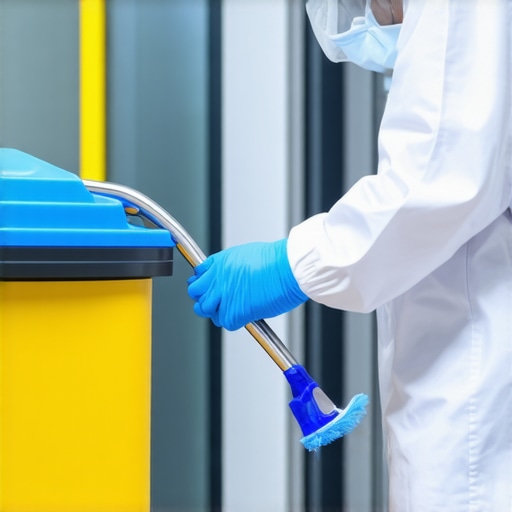
I still remember the moment I realized I’d been cutting corners with cleaning routines, only to see germs and allergens bouncing right back. It was a lightbulb moment—trust isn’t built on quick fixes; it’s forged through consistent, effective sanitizing. And honestly, I felt disappointed in myself for not knowing better at first. That experience taught me a vital lesson: proper sanitizing isn’t just about surface cleaning; it’s about creating a safe environment where trust can truly flourish.
Why Effective Sanitizing Matters More Than Ever
In today’s world, where health concerns are at the forefront, knowing how to sanitize properly isn’t just a good idea—it’s essential. Whether you’re managing a busy household or maintaining a professional workspace, the way you clean can influence trust and safety on a fundamental level. A poorly sanitized environment can harbor bacteria, viruses, and allergens, risking everyone’s health and your credibility. Studies show that thorough cleaning and sanitizing can significantly reduce the presence of harmful pathogens, helping prevent illnesses and build confidence that your space is truly safe (CDC guidelines).
But here’s the kicker—many of us still fall into common traps that undermine our efforts. I did early on. I thought spraying some disinfectant and wiping was enough. Turns out, that’s not the case. Inadequate procedures leave behind germs that multiply and spread. That’s why I’m committed to sharing practical, proven strategies to get it right—so you can stop guessing and start trusting that your sanitizing efforts are effective.
Is Sanitizing a Waste of Time if Not Done Properly?
I used to believe that quick cleaning was sufficient, but I learned the hard way that sloppy techniques give a false sense of security. Early in my journey, I overlooked critical details like the contact time disinfectants need or the importance of cleaning before sanitizing. That mistake cost me dearly—germs persisted, and trust was compromised. Now, I know that effective sanitizing isn’t just about products; it’s about process, consistency, and understanding what truly works.
If you’ve faced similar doubts or frustrations, don’t worry—you’re not alone. The good news is that with a few simple adjustments, you can dramatically increase the safety and trustworthiness of your environment. Ready to learn the secrets that turn ordinary cleaning into an effective sanitizing powerhouse? Let’s dive into the step-by-step methods that will transform your space into a germ-free haven and boost confidence among everyone who enters.
And if you’re curious about how professionals do it, check out this comprehensive guide to professional cleaning techniques. It’s packed with tips that make all the difference.
Prepping Surfaces for Maximum Effectiveness
Start by removing visible dirt and debris with a damp cloth or vacuum. I vividly recall a morning I spent meticulously sweeping and wiping down my kitchen counters, only to realize later that residual grime hindered disinfectant action. By thoroughly cleaning first, you remove organic matter that can shield germs, allowing sanitizers to work effectively. Use warm water and a suitable cleaner for the surface type, paying particular attention to high-touch areas like doorknobs and light switches. For stubborn spots, a gentle scrub with a microfiber cloth can make a significant difference.
Choosing the Right Disinfectant
Opt for disinfectants proven to kill a broad spectrum of pathogens. I once relied solely on generic sprays, but after switching to EPA-registered products, I noticed a marked reduction in lingering germs. Look for labels indicating effectiveness against viruses and bacteria, and always check the expiration date. Remember, not all disinfectants are created equal—some require dilution, while others are ready to use. My go-to is a solution containing at least 70% alcohol or a bleach-based product for hard surfaces, following manufacturer instructions for safety and efficacy.
Applying Disinfectants Correctly
One mistake many make is not allowing the disinfectant enough contact time. I learned this the hard way when my quick spray didn’t eliminate all germs. To ensure effectiveness, spray or apply the disinfectant evenly across the surface and leave it wet for the recommended duration—usually at least 1 minute. Think of it like a marinade; the longer it sits, the better it penetrates. Use a clean cloth or sponge to spread the solution evenly, avoiding wiping away too soon.
Focus on High-Touch Areas
Prioritize areas touched frequently—think light switches, electronic devices, and faucet handles. I once neglected to sanitize my phone regularly, which became a germ hotspot. Use disinfectant wipes or sprays designed for electronics, and follow the manufacturer’s guidelines. Regularly cleaning these spots drastically reduces germ transfer and builds trust in your environment’s safety.
Ensuring Proper Drying and Ventilation
After applying disinfectants, allow surfaces to air dry completely. This step is crucial because wiping prematurely can remove the disinfectant before it works. In my experience, opening windows or turning on fans accelerates drying and reduces chemical fumes. Proper ventilation not only safeguards your health but also ensures the disinfectant remains effective long enough to neutralize pathogens.
Consistency Is Key
Establish a routine—daily for high-traffic zones and weekly for less-used areas. I found that sticking to a schedule kept my home consistently safe. Consistency reinforces trust because it shows you’re committed to maintaining a clean, healthy environment. Use checklists or scheduling apps to stay on top of your sanitizing routine, and don’t skip steps—even when pressed for time.
Final Tips for Lasting Trust
Always follow manufacturer instructions for all cleaning products. Test new disinfectants on a small area first to avoid damage. Keep cleaning tools sanitized—so your cloths and sponges don’t become germ carriers. When in doubt, consult professional guidance or refer to trusted resources like this detailed cleaning guide. Remember, effective sanitizing isn’t a one-time effort; it’s a process that, when done correctly, builds confidence and trust in your space’s safety.
While it might seem that a quick spray and wipe are enough to keep your environment safe, there’s a common misconception that can lead to ineffective sanitizing. Many assume that disinfectants work instantly and that surface cleaning alone guarantees safety. However, the reality is much more nuanced. Most people overlook critical details like proper contact time, cleaning order, and surface preparation, which are essential for truly effective sanitization.
One prevalent myth is that disinfectants can neutralize germs immediately upon contact. In truth, disinfectants require a specific contact time—often at least one minute—to be truly effective. Wiping away too soon, or not applying enough solution, leaves behind pathogens that can multiply and spread, especially in high-touch areas. This mistake is often the culprit behind persistent germs despite regular cleaning routines.
Another mistake many make is neglecting the importance of cleaning surfaces before disinfecting. Organic matter like dirt, grease, or biofilms can shield germs from disinfectants, rendering them ineffective. This step might seem tedious, but it’s crucial. Properly cleaning surfaces first enhances the efficacy of disinfectants, ensuring that pathogens are actually eliminated rather than just hidden beneath grime.
Why Do Many Overlook Surface Preparation and Contact Time?
This is a question worth asking, especially for those aiming for professional-level sanitation. The answer often lies in a lack of understanding or underestimating the complexity of microbial resistance. For example, a study published in the Journal of Hospital Infection highlights how improper disinfectant application significantly reduces effectiveness, leading to false security and potential outbreaks.
To avoid these pitfalls, follow a comprehensive approach: thoroughly clean surfaces first, apply the disinfectant evenly, and ensure it stays wet for the recommended duration. Remember, effective sanitizing is about process, not just products. It’s about understanding the mechanics of how germs survive and how disinfectants work, which can make all the difference in creating a genuinely safe environment.
Have you ever fallen into this trap? Let me know in the comments.
How do I maintain my sanitizing tools over time?
Keeping your cleaning equipment in top shape is crucial for ongoing germ-free results. I personally swear by using microfiber cloths and replacing them weekly. These cloths are highly effective at trapping bacteria and allergens, and I prefer the ones with tightly woven fibers because they don’t just push dirt around—they lift it away. Regular laundering at high temperatures ensures they stay hygienic, preventing them from becoming germ carriers themselves. For mops and brushes, I recommend cleaning them thoroughly after each use and soaking them in a disinfectant solution weekly. This prevents biofilm buildup and keeps your tools ready for the next round of sanitization.
Investing in a good-quality spray bottle with adjustable nozzles makes applying disinfectants more controlled and less wasteful. I use a stainless steel spray bottle because it’s durable, easy to clean, and doesn’t react with cleaning chemicals, ensuring consistent spray patterns. To monitor the effectiveness of your tools, I suggest periodically inspecting them for wear and tear—damaged tools can harbor bacteria or spread germs instead of eliminating them. Keeping a maintenance log helps me track when it’s time to replace sponges, cloths, or other equipment, ensuring everything remains in optimal condition.
Tools I recommend for long-term sanitizing success
One game-changer for me has been investing in UV-C sterilizers for small tools like tweezers, brushes, and even cloths. UV-C light effectively kills bacteria and viruses on contact without chemicals, making it a fantastic supplement to your routine. I use a compact UV-C sterilizer box that fits multiple tools, and I run it for 10 minutes after each deep cleaning session. This not only extends the lifespan of my tools but also guarantees a higher level of hygiene. As technology advances, I believe UV-C sterilization will become standard in households and offices alike, adding an extra layer of safety.
Another essential is a digital disinfectant tester, which measures the residual disinfectant on surfaces. It’s a small investment that helps me verify whether I’ve applied enough solution and allowed sufficient contact time. This precision ensures I don’t waste products or leave areas under-sanitized. Over time, these tools help me fine-tune my process, resulting in consistent, trustworthy results.
Future trends in tool maintenance and sanitization
Looking ahead, I predict that smart cleaning devices integrated with IoT technology will revolutionize how we maintain hygiene. Imagine vacuum cleaners and spray systems that automatically detect dirt and adjust their operation accordingly, or self-cleaning tools that alert you when they need replacing. These innovations will make maintaining a germ-free environment more effortless and reliable, especially in high-traffic or commercial spaces.
To get started, I recommend trying out a UV-C sterilizer for your essential tools. It’s a small step that can significantly boost your routine’s efficacy and peace of mind. Remember, consistent maintenance of your equipment is the foundation of trustworthy sanitizing results. For more advanced insights, explore this guide to professional cleaning techniques.
By integrating these tools and practices into your routine, you’ll ensure your environment remains safe, clean, and trustworthy over the long haul.
The Hardest Lesson I Learned About Effective Sanitizing
One of my biggest lightbulb moments was realizing that rushing through cleaning routines often backfires, leaving germs behind and eroding trust. I used to think that a quick spray was enough, but then I faced stubborn bacteria in high-touch areas that kept coming back. That taught me that patience and attention to detail are the real game-changers in creating a truly safe environment.
3 Myths About Sanitizing That Held Me Back
Myth one: Disinfectants work instantly. The truth is, proper contact time is essential, or germs can survive even after wiping. Myth two: Surface cleaning alone is enough. Organic matter shields germs, making cleaning before sanitizing a must. Myth three: You only need to sanitize high-traffic spots. But overlooked areas often become germ hotspots, so consistency across all surfaces is key.
What Experts Won’t Tell You About Building Trust Through Sanitizing
Many professionals emphasize products, but what truly matters is the process—thorough cleaning, correct disinfectant application, and allowing surfaces to dry completely. These details often get overlooked but are vital for effective sanitization that inspires confidence. Honestly, the real secret is understanding how germs survive and ensuring your routine disrupts their habitat effectively.
My Essential Toolkit for Trusted Sanitizing
High-quality microfiber cloths are my go-to—they trap more bacteria and allergens than traditional ones, especially when laundered regularly at high temperatures. I also swear by a UV-C sterilizer for tools like sponges and brushes, which kills germs without chemicals. For precise application, a digital disinfectant tester helps me verify that I’ve used enough product and left it to work for the right amount of time. These tools continuously improve my routine and give me peace of mind.
Where to Go from Here
If you want to elevate your sanitizing game, I recommend exploring trusted resources like this professional cleaning guide. It’s packed with proven strategies that make all the difference. Incorporate tools like UV sterilizers and disinfectant testers into your routine, and stay consistent—trust me, your environment will thank you.
Your Turn to Try
Now that you’ve learned some insider secrets, it’s time to put them into action. Remember, effective sanitizing isn’t just about products—it’s about your commitment to process and detail. When you master these techniques, you’re building more than a clean space—you’re building trust that lasts. What’s the first step you’ll take today to improve your sanitizing routine? Share your plans below, and let’s motivate each other to create safer, healthier environments.
http://Elizabeth%20Morgan
Reading this article resonated with my own experience of realizing how crucial proper sanitizing techniques are in building trust in my environment. I used to believe that surface wiping was enough, but over time, I discovered that neglecting proper contact time and thorough cleaning left germs behind. Now, I focus on cleaning before disinfecting and ensuring each surface remains wet for the recommended time. One thing I’ve learned is the importance of high-touch areas like smartphones and doorknobs — they are often overlooked but pose significant risk.
I’m curious, how do others manage their routine when time is limited? Do you find there’s a way to balance thoroughness with efficiency without compromising safety? I’ve started using checklists, which help me stay on track, but I’d love to hear tips from others who have mastered speedy yet effective protocols. Building consistency is definitely key for me in creating a truly trusted and safe environment.
http://Mark%20Stevenson
This post hits home for me because I’ve seen firsthand how rushing through sanitizing can give a false sense of security. I’ve been guilty of using quick sprays on high-touch surfaces without giving them enough contact time, especially during busy mornings. Since I started paying closer attention to proper procedures—like cleaning before disinfecting and letting the spray sit for at least a minute—I’ve noticed a real difference in the environment’s cleanliness and trustworthiness. It’s fascinating how small adjustments can make such a big impact.
One challenge I face is maintaining consistency, especially when my schedule gets hectic. I’ve recently started creating simple checklists to ensure I don’t skip steps, which has helped a lot. What are some ways others stay disciplined with thorough sanitizing routines despite a busy lifestyle? Are there specific tools or habits that have helped you keep the process efficient yet effective? I believe, like emphasized here, that understanding the science behind disinfectants and surface prep is key to actually keeping germs at bay and fostering trust.
http://James%20Carter
This article hits a really important point about the details often overlooked in sanitizing routines. I used to think that just spraying disinfectant on high-touch areas was enough, but I’ve seen firsthand how improper contact time and surface prep can leave germs lingering. It’s great that the post emphasizes cleaning surfaces first and ensuring disinfectants have enough time to work. One thing I’ve started doing is using a timer to make sure I leave the disinfectant wet for the proper duration—it’s helped me build consistency.
It made me wonder, what are some effective ways to motivate yourself to stick to these detailed routines during busy days? Do others find that investing in specific tools or technology, like UV sterilizers or disinfectant testers, really makes a noticeable difference? Personally, I think understanding the science behind these steps makes it easier to stay disciplined. Would love to hear others’ tips or experiences on maintaining thorough sanitizing habits, even on hectic schedules.