Have you ever scrubbed your home or office until your hands were sore, only to discover that the next day, dust and grime had already crept back in? I’ve been there, pouring time and effort into cleaning routines that promised freshness but left me doubting whether I was really making a difference. That lightbulb moment hit me when I realized that superficial cleaning isn’t enough—what I needed was a strategic, trustworthy approach to sanitizing and deep cleaning that truly works. Today, I want to share how you can achieve reliable, lasting results that keep your space healthier and safer.
Why Deep Cleaning Matters More Than Ever
In our current world, cleanliness isn’t just about appearances. It’s about health, peace of mind, and the confidence that our environment is safe. Deep cleaning and sanitizing aren’t just chores; they’re essential steps to eliminate bacteria, viruses, and allergens that hide in the nooks and crannies of our homes and workplaces. A recent study highlighted that regular deep cleaning can significantly reduce airborne allergens and microbial presence, contributing to better respiratory health and overall well-being. Knowing this, I finally grasped why my quick surface wipe-downs simply weren’t enough.
Is It Really Worth the Hype
Early on, I made the mistake of thinking that a simple spray and wipe was sufficient. It wasn’t. I overlooked the importance of proper techniques and the right products, which led to disappointing results and wasted effort. If you’re skeptical about whether effective sanitizing can really make a difference, I get it. But trust me, with the right strategies, you’ll be amazed at how much cleaner and safer your space can truly be. Curious? Dive into our comprehensive guide and discover proven methods that professionals swear by—like those detailed in this trusted resource.
So, if you’ve faced the frustration of cleaning that doesn’t last or worried about hidden germs lurking in your environment, you’re not alone. The good news is that with a clear plan and some insider tips, you can transform your cleaning routine into a powerful shield of health. Let’s explore how to master this essential skill for a healthier, more trustworthy space.
Start with a Clear Plan and the Right Tools
Before diving into cleaning, visualize your space as a battlefield where germs and dirt are the enemy. Gather high-quality cleaning supplies such as disinfectants proven to eliminate bacteria and viruses, microfiber cloths for trapping dust, and equipment like steam cleaners for deep sanitation. I remember one Saturday when I decided to overhaul my home office. I laid out all my supplies on the table, checked the labels for effective disinfectants, and planned my route from top to bottom. That preparation made the process smoother and more effective.
Break Down Your Space into Zones
Think of your space as a puzzle, each piece needing attention. Divide your home or office into manageable zones: kitchen counters, bathroom fixtures, desks, and flooring. Focusing on one zone at a time prevents overwhelm and ensures thorough cleaning. For instance, I started with my kitchen sink, which was a breeding ground for germs. I sprayed a disinfectant, scrubbed with a brush, and wiped everything dry. The difference was immediate and satisfying.
Apply Proper Sanitizing Techniques
Effective sanitizing isn’t just about spraying product; it’s about technique. Use enough disinfectant to stay wet for the contact time specified on the label—usually 1-10 minutes. Use a microfiber cloth to wipe surfaces in a circular motion, ensuring even coverage. I learned this tip when I watched a professional cleaner in action. By letting the disinfectant sit and then wiping with a microfiber cloth, I achieved a truly germ-free surface that lasted longer.
Focus on Hidden Nooks and Crannies
Germs love hiding in places you often overlook. Pay special attention to light switches, door handles, vents, and beneath furniture. I once used a small brush to clean under my refrigerator and behind the toilet, which had accumulated grime and bacteria over time. After disinfecting these spots, I noticed a marked improvement in overall cleanliness and a reduction in odors.
Use Steam Cleaning for Deep Sanitization
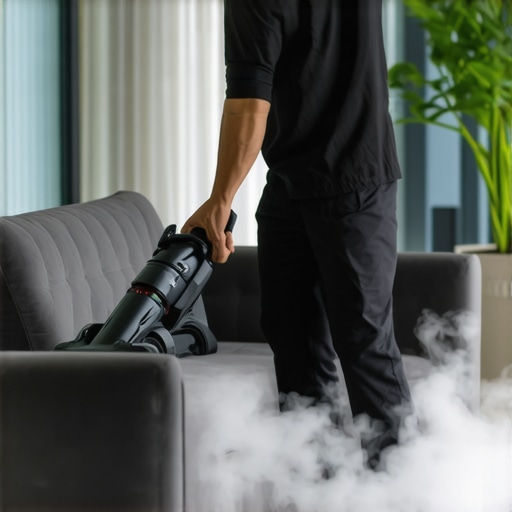
Steam cleaners are like a magic wand—they penetrate deep into surfaces, killing germs without chemicals. I rented a steam cleaner for my upholstery and curtains, and the results were impressive. The high-temperature steam effectively removed allergens and bacteria, leaving everything fresh and sanitized. This method is especially useful for sensitive areas or where chemical use is limited. For detailed guidance, check out this expert guide.
Ensure Proper Drying and Ventilation
After applying disinfectants or steam, allow surfaces to dry completely. Good airflow accelerates this process and prevents mold or mildew growth. Open windows, turn on fans, or use air purifiers to enhance airflow. I once neglected this step and noticed streaks left by disinfectants, which I later had to clean again. Proper drying not only improves appearance but also maintains long-term trust in your cleaning results.
Regular Maintenance and Routine Deep Cleanings
Deep cleaning is not a one-time event but a routine. Schedule weekly or bi-weekly sessions focusing on different zones, and perform thorough monthly cleans. This consistent effort builds trust in your environment’s safety. I started using a cleaning calendar, inspired by this strategy, which kept me accountable and ensured no corner was neglected.
Many people believe they know the best way to deep clean their spaces, but some misconceptions can actually hinder your progress. Let’s dig deeper into what most get wrong about effective sanitizing and deep cleaning, so you can avoid common pitfalls and achieve truly trustworthy results.
Are All Disinfectants Created Equal
One of the biggest myths is thinking that any disinfectant will do the job. In reality, not all products are effective against the same range of microbes. For example, some disinfectants may kill bacteria but fall short on viruses or spores. Using the wrong product can give a false sense of security. It’s crucial to select disinfectants backed by studies and proven to eliminate pathogens specific to your needs. For more insights, check out this guide.
Superficial Cleaning Is Enough, Right?
Many believe that wiping surfaces quickly or cleaning visible dirt suffices. However, this superficial approach leaves behind bacteria and allergens in hidden corners and porous materials. Deep cleaning involves thorough attention to detail—cleaning behind appliances, under furniture, and in vents. Skipping these steps can result in recurring contamination. Remember, a surface can look clean but still harbor germs. For comprehensive techniques, explore this expert advice.
Advanced Mistake: Relying Solely on Chemical Disinfectants
While chemical disinfectants are essential, over-relying on them without proper technique can be counterproductive. For instance, spraying disinfectant without allowing it to stay wet for the recommended contact time diminishes effectiveness. Additionally, neglecting to clean surfaces beforehand can trap dirt and organic matter, reducing disinfectant efficacy. Incorporating steam cleaning or physical scrubbing enhances trustworthiness of results. For more on combining methods, see this resource.
How Do I Avoid the Hidden Trap of Recontamination?
The hidden trap many fall into is assuming that cleaning once is enough. In reality, recontamination happens quickly if surfaces aren’t maintained regularly. Dirt and microbes can settle back in hours, especially in high-traffic areas. The key is establishing a routine that includes regular deep cleans, proper ventilation, and ongoing sanitation practices. Using trusted tools like microfiber cloths and HEPA filters can significantly minimize recontamination risks. For a detailed plan, review this guide.
Have you ever fallen into this trap? Let me know in the comments. Remember, understanding these nuances helps you develop a cleaning routine that’s both effective and sustainable, building trust in your environment’s safety.
Keeping your cleaning routine reliable and efficient requires not just knowledge but also the right tools. Over the years, I’ve tested and refined my equipment choices to ensure long-lasting results and ease of use, especially as the trend toward eco-friendly and chemical-free cleaning grows. Today, I want to share the specific tools I recommend for maintaining a consistently clean and sanitized environment.
Steam Cleaners: The Deep Sanitation Powerhouse
Personally, I swear by a high-quality steam cleaner because it kills germs without chemicals and reaches deep into fabrics, grout, and hard-to-reach areas. My favorite model is the Dupray Tosca, which offers adjustable steam pressure and a variety of attachments. I use it weekly on upholstery, curtains, and kitchen tiles. The high temperature—over 200°F—effectively eliminates bacteria and allergens, providing a trustworthy sanitation that lasts longer. As I look to the future, I believe steam cleaning will become even more sophisticated with smarter attachments and integrated sensors to optimize temperature and pressure for different surfaces.
Microfiber Cloths for Precision and Durability
Microfiber cloths are my go-to for all surface types. They trap dust, microbes, and oils better than traditional cotton rags, and they can be washed hundreds of times without losing effectiveness. I personally prefer the E-Cloth brand because of their durability and ability to remove 99% of bacteria with just water when used correctly. To maximize their lifespan, I always wash them at high temperatures and avoid fabric softeners, which diminish their electrostatic properties. Investing in a good set of microfiber cloths is crucial for building long-term trust in your cleaning results.
UV-C Light Devices for Ongoing Disinfection
For ongoing sanitation between deep cleans, I’ve integrated portable UV-C light sanitizers into my routine. These devices use ultraviolet light to destroy microbial DNA on surfaces, making them perfect for quick touch-ups on phones, keyboards, and light switches. My preferred model is the GermGuardian, which is compact enough to use daily and has safety features to prevent accidental exposure. As technology advances, I foresee UV-C devices becoming more affordable and smarter, possibly integrating with home automation systems for scheduled disinfection cycles.
Smart Cleaning Software to Track Routine
To maintain consistency, I rely on a simple app called CleanPlan. It helps me schedule and track deep cleaning sessions, reminding me of specific zones to focus on and when. This way, I avoid recontamination caused by neglect. As cleaning becomes more data-driven, I predict that AI-powered apps will soon analyze your environment and suggest personalized cleaning schedules based on usage patterns and microbial activity sensors, further enhancing trust in the process.
How Do I Keep My Tools Working Over Time?
Proper maintenance of your cleaning tools is essential. Regularly descale steam cleaners, wash microfiber cloths at high temperatures, and replace UV-C bulbs as recommended by the manufacturer. Keeping your equipment in top shape ensures they continue to deliver trustworthy results. Additionally, storing tools in a clean, dry area prevents mold and damage. By maintaining your tools diligently, you extend their lifespan and preserve their effectiveness, making your cleaning routine more sustainable and reliable.
Want to step up your cleaning game? Try integrating a steam cleaner into your routine this month. Not only will you see immediate improvements, but you’ll also build long-term trust in your environment’s safety. For more expert tips on maintaining a pristine space, explore this comprehensive guide.
The Hardest Lesson I Learned About Deep Cleaning
One of my biggest realizations was that superficial cleaning gives a false sense of security. I used to think that quick wipes and sprays were enough until I discovered how germs lurk in unseen corners. It taught me the importance of thoroughness and patience, especially when tackling hidden spots like vents and behind appliances. This lightbulb moment was crucial in transforming my cleaning routine into something truly trustworthy.
3 Myths About Sanitizing That Held Me Back
Early on, I believed all disinfectants were equally effective, which isn’t true. I also thought that cleaning once was enough to keep germs at bay, but recontamination happens fast without regular routines. Lastly, I underestimated the power of proper technique—allowing disinfectants enough contact time and cleaning tools that trap microbes. Busting these myths helped me develop a more reliable approach and build lasting trust in my cleaning results.
What Experts Won’t Tell You About Deep Cleaning
Many professionals focus on the right tools but overlook the importance of routine maintenance and ventilation. I’ve learned that a well-maintained steam cleaner, microfiber cloths, and UV-C sanitizers, combined with good airflow, create a synergy that drastically improves trustworthiness. Incorporating expert tips into my routine has made me confident that my environment is genuinely safer and cleaner.
My Essential Toolkit for Lasting Cleanliness
For my deep cleaning arsenal, I rely on the Dupray Tosca steam cleaner for deep sanitation, trusted microfiber cloths like E-Cloth for precision, and portable UV-C devices such as GermGuardian for quick touch-ups. These tools have proven their worth over time because I trust their effectiveness and durability. Regularly maintaining and replacing parts ensures they continue to provide trustworthy results, making my cleaning routine sustainable and efficient.
Where to Go from Here
If you’re serious about trustworthy deep cleaning, start by educating yourself with resources like this comprehensive guide. Invest in quality tools, develop a routine, and don’t forget to maintain your equipment. Building trust in your environment’s cleanliness is a continuous journey, but with the right mindset and tools, you’ll see lasting results that truly protect your health and peace of mind.
Your Turn to Make a Change
Are you ready to overhaul your cleaning routine and trust the results you see? What has been your biggest challenge when trying to achieve genuinely clean spaces? Share your experiences below—I’d love to hear your story!
http://Lena%20Walker
Reading this deep dive into effective cleaning techniques really resonated with me. I’ve always believed that superficial cleaning only offers a false sense of security, but seeing the detailed emphasis on proper methods, tools, and routines confirms how crucial thoroughness is. A few months ago, I invested in a steam cleaner after realizing that chemical sprays alone weren’t enough, especially for upholstery and grout. The high temperature and chemical-free sanitized my entire home without any harsh smells. What I find challenging now is maintaining a regular deep cleaning schedule, especially in high-traffic areas. I wonder what routines others have found sustainable long-term, especially for busy households or offices? Do you set reminders, or use specific apps to stay consistent? I’d love to hear your tips on incorporating these practices into a hectic schedule, as I believe consistency is key to truly trustworthy results.
http://Jameson%20Carter
This post resonated with me greatly, especially the reminder that superficial cleaning can be quite misleading in terms of actual hygiene. I’ve experienced firsthand how quickly germs and dust can settle back in, despite the effort spent on quick wipes or spray-and-go routines. I particularly appreciate the emphasis on tools like steam cleaners and microfiber cloths—those have truly been game changers for me, especially when trying to avoid harsh chemicals around my kids. A challenge I’ve faced is finding a balance between thoroughness and time constraints, as deep cleaning can sometimes feel overwhelming. I started dedicating specific days to particular zones, which helps keep the routine manageable and ensures nothing gets missed. For others with busy schedules, do you have any automation tips or specific routines that make regular deep cleaning more sustainable? I’d love to hear how others manage to stay consistent without feeling burned out, as maintaining trust in cleanliness is definitely a continuous process.
http://Megan%20Parker
This post really hits home for me. I used to think that quick surface wipes were enough, but I noticed how quickly dust and bacteria would reappear, especially in areas like behind appliances or under furniture. Investing in proper tools like steam cleaners and microfiber cloths has made a real difference in maintaining a hygienic space. I’ve found that creating a scheduled routine, perhaps using a cleaning app, helps me stay consistent despite a busy schedule. Does anyone have recommendations for user-friendly apps or methods to remind ourselves consistently? I’m also curious about how others tackle the challenge of deep cleaning high-traffic areas regularly without feeling overwhelmed. Your insights would be appreciated—I believe that a strategic and routine approach is key to truly trustworthy results, especially for busy households like mine.