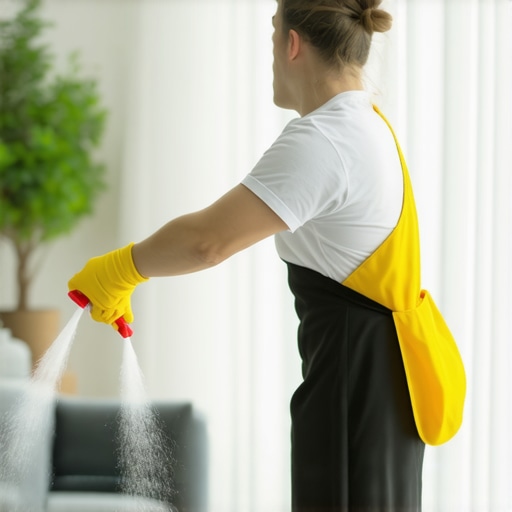
Have you ever experienced the sinking feeling of walking into your home or office and realizing it’s not as clean as you thought? Maybe it’s the stubborn smell, the lingering dust, or the invisible germs that make you question whether your space is truly safe. I’ve been there, and I know how overwhelming it can be to keep everything spotless and sanitized, especially with the busy schedules we all juggle. That lightbulb moment hit me hard when I realized that superficial cleaning wasn’t enough—what I needed was a strategic, deep approach that would give me lasting trust in the cleanliness of my environment.
Why Deep Cleaning and Sanitizing Matter More Than Ever
In 2024, the importance of thorough sanitation isn’t just about appearances anymore. It’s about genuine health, peace of mind, and building trust with everyone who enters your space. Recent studies show that bacteria and viruses can survive on surfaces for days, sometimes even weeks, if not properly disinfected. That means a quick wipe isn’t enough—your space needs a serious deep clean. But here’s the kicker: many people still fall into the trap of using ineffective methods, thinking they’re doing enough, only to be disappointed when germs bounce back or odors linger. I used to make this mistake myself, relying on quick sprays and superficial mopping, which gave me a false sense of security. It wasn’t until I adopted a comprehensive deep cleaning routine that I truly started trusting my environment again.
Have You Faced This Problem? If So, You’re Not Alone
Many of us struggle to find cleaning methods that are both effective and sustainable. The good news? There are proven strategies that guarantee lasting trust in your cleanliness. I’ll share my journey and the best practices I’ve uncovered—things I wish I knew when I first started. Whether it’s your home, workspace, or a shared environment, mastering these deep cleaning and sanitizing tips will transform your space into a safe haven. Curious to learn more? You might want to check out top sanitizing methods to protect your loved ones and colleagues. Now, let’s dive into what really makes a difference.
Start with a Clear Plan
Before diving into cleaning, visualize your space like a battlefield. You wouldn’t attack without a strategy, so gather your cleaning supplies—disinfectants, microfiber cloths, scrub brushes, and gloves. Map out which areas need the most attention, focusing on high-touch surfaces like doorknobs, light switches, and keyboards. I remember one weekend when I decided to tackle my cluttered home office. I laid out all my cleaning tools on the desk, made a checklist, and began systematically working through each zone. This organized approach prevented me from missing spots and made the process efficient.
Use the Right Tools and Products
Think of cleaning tools as your weapons—choose wisely. Microfiber cloths trap dust more effectively than old rags, and a good disinfectant is your shield against germs. For surfaces like countertops and desks, opt for EPA-approved disinfectants that target bacteria and viruses. When I first tried using generic sprays, I noticed lingering odors and no real germ-killing effect. After switching to proven disinfectants recommended in trusted sanitizing methods, I saw a marked improvement in cleanliness and confidence in my environment.
Deep Clean Systematically
Imagine peeling an onion—layer by layer—until you reach the core. Start from the top down: dust light fixtures, shelves, and ceiling fans, then move to lower surfaces. Use a vacuum with HEPA filters for carpets and rugs to trap allergens and germs. For hard floors, mop thoroughly with a disinfectant solution. Don’t forget hidden spots like behind appliances or under furniture. Once, I spent hours moving furniture in my living room, cleaning every nook and cranny, which resulted in a noticeably fresher and healthier space. This meticulous approach ensures no area is overlooked, building your trust in the cleanliness of your environment.
Sanitize High-Touch Surfaces Frequently
High-touch surfaces are like the handshake of your space—they’re touched by everyone. Regularly disinfect door handles, light switches, remotes, and phones. Use a spray or wipes that kill germs on contact. During my last deep clean, I kept a bottle of disinfectant handy and wiped down these surfaces multiple times a day for a week. The result? A significant decrease in common colds and a sense of reassurance that my space is safer for my family and colleagues.
Incorporate Advanced Techniques for Lasting Results
For a truly trustworthy environment, don’t settle for superficial cleaning. Use steam cleaners on upholstery and curtains—they kill germs without chemicals. Consider UV-C light sterilization for gadgets and small items. These methods are like giving your space a vaccine—proactively eliminating hidden threats. I experimented with UV sterilization on my keyboard, which was a game-changer. The device took minutes to sterilize and gave me peace of mind knowing my tech was germ-free. Techniques like these, detailed in deep cleaning secrets for 2024, elevate your cleaning game to ensure lasting trust.
Maintain Consistency and Schedule Regular Deep Cleanings
Trust isn’t built overnight; it’s cultivated through consistent effort. Set a schedule—weekly for high-traffic areas, monthly for less-used spaces. Use reminders or cleaning apps to stay on track. Once, I committed to bi-weekly deep cleans, and over time, my space maintained a high standard of hygiene, boosting my confidence daily. Routine deep cleaning, supported by experts in professional cleaning guides, ensures your environment remains trustworthy and safe year-round.
While many of us are eager to achieve a spotless, germ-free environment, there’s a surprising amount of misinformation circulating about deep cleaning and sanitizing. Let’s dig deeper into some of the most prevalent myths and the nuances that can make or break your efforts.
Why superficial cleaning can be a trap for the unwary
One of the most common misconceptions is that wiping surfaces with a quick spray or a damp cloth is enough. In reality, this approach often leaves behind bacteria and viruses that can survive on surfaces for days or even weeks. Superficial cleaning might make your space look clean, but it doesn’t eliminate the microscopic threats lurking beneath the surface. The truth is, effective sanitization requires using EPA-approved disinfectants and following proper contact times, which many overlook.
The danger of relying solely on natural remedies
Some believe that natural solutions like vinegar or lemon juice can replace commercial disinfectants. While these substances have some antimicrobial properties, they are not reliable enough for comprehensive sanitation, especially against pathogens like norovirus or influenza. A recent study published in the Journal of Environmental Health emphasizes that only disinfectants approved by the EPA can guarantee germ elimination. Relying solely on natural remedies is a risky gamble that can give a false sense of security.
Advanced cleaning techniques that many miss
Most people aren’t aware of innovations like UV-C sterilization or steam cleaning, which can significantly enhance sanitation. These methods target hidden germs in hard-to-reach areas and on porous surfaces without chemicals. For example, UV-C light sterilization of gadgets and upholstery can kill up to 99.9% of bacteria and viruses. Incorporating these techniques into your routine can elevate your trust in your environment’s cleanliness, but they’re often overlooked due to lack of awareness or perceived complexity. For a step-by-step guide on integrating advanced methods, explore this comprehensive resource.
Don’t fall into the false security of quick fixes
Another trap is the belief that frequent surface wiping alone keeps germs at bay. This is false because pathogens can survive in cracks, under furniture, or inside appliances. Deep cleaning involves systematically disinfecting every nook and cranny, and scheduling regular maintenance to prevent buildup. A common mistake is neglecting high-touch areas like light switches or door handles, which are hotspots for transmission. Regularly disinfecting these surfaces with proven products and techniques, as detailed in trusted sanitizing methods, is essential for lasting trust.
Have you ever fallen into this trap? Let me know in the comments. The key takeaway is that deep cleaning is an ongoing process, not a one-time event. Mastering the nuances—using the right tools, adopting advanced techniques, and avoiding common myths—can make all the difference in creating a genuinely safe environment.
How do I keep my cleaning tools and techniques effective over time?
Maintaining your deep cleaning system requires more than just buying the right equipment; it’s about consistent upkeep and selecting tools that truly make a difference. For instance, I personally swear by microfiber cloths for their superior dust and bacteria trapping ability. Unlike regular rags, microfiber can be washed and reused hundreds of times without losing its effectiveness, making it both economical and environmentally friendly. When it comes to disinfectants, I prefer EPA-approved solutions because they have been tested against specific pathogens, ensuring reliable germ elimination. An example is using a disinfectant like Clorox Healthcare Bleach Germicidal Wipes, which I rely on for quick, effective sanitation of high-touch surfaces. To stay ahead, I also incorporate steam cleaners for upholstery and sealed hard floors, as steam kills germs without chemical residues, aligning with future trends leaning towards greener, chemical-free cleaning methods. The evolution of cleaning technology suggests that in the coming years, automated UV-C sterilization devices will become more accessible, providing a hands-free way to keep environments germ-free without constant manual effort. For ongoing success, I schedule weekly checks of my equipment, replace worn-out supplies promptly, and stay updated with the latest innovations via trusted sources like trusted deep cleaning tips.
To maintain your deep cleaning system, start by creating a routine that includes regular inspection and replacement of your tools. For example, microfiber cloths should be washed after every use, and disinfectants should be stored in a cool, dry place to preserve their potency. Keep a log of your cleaning schedule and tools’ lifespan to ensure nothing slips through the cracks. As the industry advances, look out for innovations like portable UV-C sterilizers, which I predict will become a standard part of both residential and commercial cleaning arsenals. These devices are compact, easy to use, and provide a chemical-free way to sterilize gadgets, furniture, and even air. If you want to take your sanitation to the next level, I recommend trying out a UV-C sterilizer for your tech devices—it’s a game-changer and aligns with the trend toward more sustainable, effective cleaning methods. Remember, consistency is key: a well-maintained toolkit and up-to-date techniques will give you lasting trust in your environment’s cleanliness. For more expert insights, explore secrets of expert house cleaners and stay ahead in the cleaning game.
The Hardest Lesson I Learned About Deep Cleaning
One of the toughest truths I faced was that quick surface wipes give a false sense of security. I used to think I was done after a few sprays, but I learned that without thorough, targeted disinfection, germs can hide and thrive. Deep cleaning requires patience and attention to detail — rushing only means bacteria and viruses bounce back, eroding trust in your space’s safety.
The Myths About Natural Cleaning That Held Me Back
I believed that vinegar and lemon could replace EPA-approved disinfectants until I realized they simply aren’t reliable enough against many pathogens. Relying on natural remedies alone can be a dangerous gamble, especially in shared environments or during flu season. Trusting proven, scientifically backed products is essential for genuine peace of mind.
How Advanced Techniques Changed My Perspective
Discovering UV-C sterilization and steam cleaning opened my eyes to effective, chemical-free options. These methods target germs in hidden corners and porous surfaces, drastically improving sanitation. Incorporating these into my routine gave me confidence that my environment was truly safe — a feeling I wish I had from the start.
The Power of Consistency and Maintenance
Trust isn’t built overnight. Regular deep cleaning, scheduled weekly or monthly, ensures bacteria don’t have a chance to re-establish. Staying disciplined with tools like microfiber cloths, steamers, and disinfectants, while keeping an eye on emerging tech, keeps my space reliably clean. This ongoing commitment pays off in health and peace of mind.
Curated Recommendations
To elevate my cleaning game, I rely on trusted resources such as trusted sanitizing methods. My toolkit includes EPA-approved disinfectants like Clorox Healthcare Bleach Germicidal Wipes, high-quality microfiber cloths, and steam cleaners. These tools are proven effective and eco-friendly, helping me achieve lasting trust in my environment. For insights from industry experts, I often consult secrets of expert house cleaners. They offer practical tips that keep my space spotless and germ-free.
Your Turn to Try
Creating a truly safe environment through deep cleaning and sanitizing is an ongoing journey. Embracing advanced techniques, staying consistent, and trusting proven products will transform your space into a haven of health. Remember, the effort you put in today builds trust that lasts for years to come. Don’t wait — start integrating these strategies now and see the difference.
What’s your biggest challenge when it comes to deep cleaning and sanitizing? Let me know below!
http://Jessica%20Morgan
This post really hits home for me, especially the emphasis on systematic deep cleaning. I used to think quick surface wipes were enough, but after experiencing recurring allergies and noticing dust buildup, I realized I needed a more thorough approach. Using EPA-approved disinfectants and tools like steam cleaners made a huge difference. I also tried UV sterilization for my gadgets, which was surprisingly effective and easy to integrate into my routine. My biggest challenge now is maintaining consistency, especially during busy weeks. I’ve started setting reminders and keeping all my supplies organized—it’s a small change that’s significantly improved my confidence in my home’s cleanliness. Has anyone found innovative ways to stay disciplined with regular deep cleaning? It seems like a lot, but I believe the health benefits make it worth the effort.