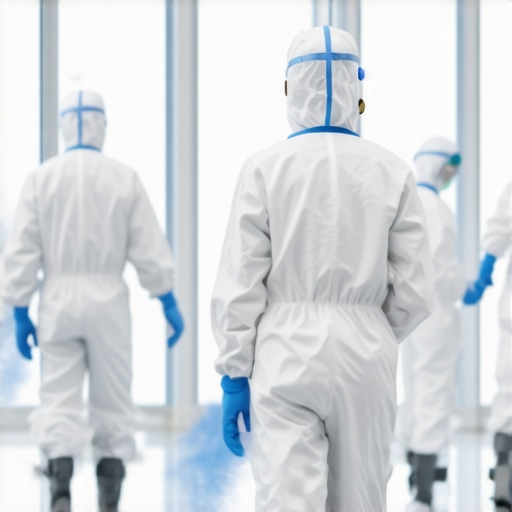
Ever felt that sinking feeling when you walk into the office, only to realize that the last cleaning was weeks ago? I’ve been there. It’s frustrating, and honestly, a little scary. You want a workspace that’s safe and clean, but the methods you’ve tried seem to fall short every time. That lightbulb moment hit me hard: I was focusing on surface cleanliness without truly understanding the deeper sanitization essential for reliable results. It’s no wonder my efforts didn’t inspire lasting trust. Today, I want to share how I turned things around with practical strategies that actually work—and how you can do the same.
Why Reliable Office Sanitizing Matters More Than Ever
In 2024, the importance of effective office sanitizing isn’t just about appearances. It’s about health, trust, and productivity. A clean space fosters confidence among employees and visitors alike. But here’s the catch: not all cleaning methods are created equal. Relying solely on surface wipes or quick fixes can give a false sense of security. According to recent studies, germs can linger on surfaces for days, and improper sanitizing can even spread more bacteria if not done correctly. That’s why I prioritized learning the right techniques, moving beyond basic cleaning to ensure comprehensive disinfection.
Have You Faced This Problem Before?
If you’re tired of cleaning routines that promise the world but leave your office still feeling untrustworthy, you’re not alone. I used to think that a quick wipe-down was enough. Early on, I made the mistake of skipping proper disinfection steps—big no-no. It’s a common pitfall, but one I learned to fix by seeking out expert advice and proven methods. Want to see what really makes a difference? Keep reading, because I’m about to reveal the strategies that transformed my approach and boosted confidence in my workspace.
Start with a Thorough Deep Clean
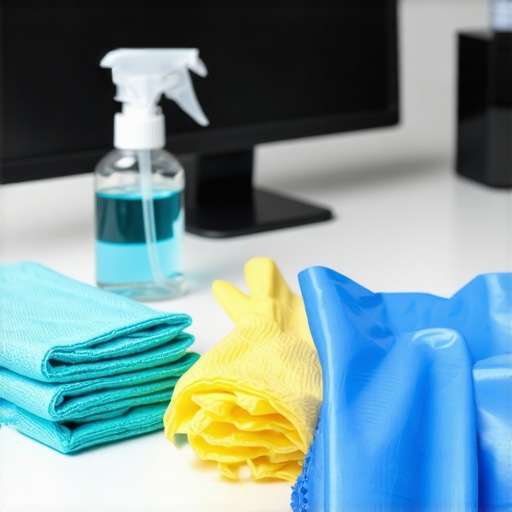
My first attempt at improving office sanitation was a messy affair. I decided to go all-in with a deep clean, focusing on every nook and cranny. I gathered my supplies—disinfectants, microfiber cloths, and gloves—and set aside a weekend. The process was chaotic: moving furniture, scrubbing surfaces, and double-checking every corner. The result was a visibly cleaner office, but I knew that without proper disinfection techniques, germs could still linger. This step laid the foundation for reliable results, emphasizing that cleaning alone isn’t enough—disinfection is key. For a comprehensive guide, check out how to master deep cleaning.
Utilize Proper Disinfectants and Tools
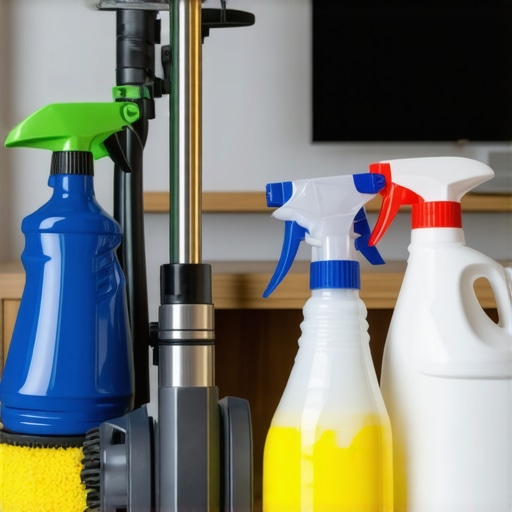
Next, I learned that not all disinfectants are created equal. I switched to EPA-approved solutions designed to kill a broad spectrum of bacteria and viruses. Using the right tools—like microfiber cloths and electrostatic sprayers—made a significant difference. Microfiber cloths trap germs rather than spreading them, and electrostatic sprayers ensure even coverage on all surfaces. I remember the first time I used a sprayer—it was a bit clumsy at first, but the coverage was impeccable, and I saw immediate improvements. This approach is essential; it’s like choosing the right weapon in a battle—you need the best tools for the job. For insights on innovative techniques, visit innovative office cleaning techniques.
Implement a Consistent Schedule
Consistency is what turned my sanitation efforts into a trusted routine. I set a schedule—daily wipe-downs for high-touch areas and weekly deep cleans. I used a checklist to ensure nothing was overlooked, much like a pilot’s pre-flight checklist. This routine became second nature, and I noticed that staff and visitors started trusting the cleanliness more. The key is to stick to the schedule, making sanitation a regular habit rather than an occasional chore. To streamline your routine, consider consulting office sanitizing strategies.
Train Your Team for Best Results
Even with a solid plan, I found that training everyone involved was crucial. I held short workshops demonstrating proper disinfectant use and surface cleaning techniques. Think of it as teaching a team to play a new sport—everyone needs to know their role. After training, I noticed fewer missed spots and more confidence in the process. When your team understands the ‘why’ and ‘how,’ your sanitation results become more reliable. For expert tips on training, visit secrets of expert house cleaners.
Monitor and Adjust for Continuous Improvement
I didn’t stop once I established my routine. Regular inspections and feedback sessions helped me identify weak spots—like neglected areas or ineffective disinfectants. I adjusted my methods accordingly, much like tuning a musical instrument for perfect pitch. This ongoing process ensures that sanitation remains effective and trustworthy. Remember, what works today might need tweaking tomorrow to adapt to new challenges or guidelines. For more on maintaining high standards, see effective office sanitizing strategies.
Many people assume that disinfecting once a week or relying solely on surface wipes is enough to keep an office safe. However, these misconceptions can lead to gaps in sanitation and increase health risks. Let’s dig deeper into what most overlook when it comes to effective office sanitization and how to avoid these pitfalls.
Why Do So Many Get It Wrong with Disinfection?
A widespread myth is that using any disinfectant is sufficient. In reality, not all solutions are EPA-approved or capable of killing the full spectrum of germs present in an office environment. Relying on generic cleaning sprays may provide a superficial clean but leave harmful pathogens behind, especially if the disinfectant isn’t used correctly or left to sit for the recommended contact time. For advanced strategies, consider consulting innovative office cleaning techniques that focus on proven disinfectants and tools.
Another common mistake is underestimating the importance of high-touch surfaces. Many assume that cleaning desks and floors alone are enough. In truth, areas like door handles, light switches, and shared equipment are hotspots for germs. Properly disinfecting these with microfiber cloths and electrostatic sprayers will significantly reduce contamination risks. Microfiber cloths, in particular, are effective because they trap bacteria rather than spreading them around. Learn more about this at essential cleaning tips.
Furthermore, many believe that a quick wipe-down is sufficient. But effective sanitization requires adherence to contact times specified by disinfectant manufacturers. Skipping this step or rushing the process can render the effort useless. This is where many fall into the trap of false security, assuming their office is sanitized when it’s not. Implementing a strict routine with proper protocols ensures consistent, reliable results.
Advanced Mistake to Avoid: Overlooking Air Sanitation
Most discussions about office sanitizing focus on surfaces, but the unseen threat lies in the air. Viruses and bacteria can linger in the air, especially in poorly ventilated spaces. Using HEPA filters, UV-C sterilizers, or air purifiers can help mitigate this hidden risk. Neglecting air sanitation can undermine your efforts even if your surfaces are spotless. For more on comprehensive strategies, see office sanitizing strategies.
Remember, effective sanitization is a multi-layered process. It’s not enough to rely on myths or shortcuts; understanding the nuances and applying advanced techniques will protect your workspace and build trust. Have you ever fallen into this trap? Let me know in the comments.
Maintaining a sanitized office environment over time requires more than just initial cleaning efforts. Investing in the right tools and establishing effective routines can ensure your workspace remains safe and trustworthy for months to come. Let’s explore the specific equipment, software, and methods I recommend based on my experience, along with insights into where this trend is heading.
Invest in High-Quality Disinfectant Application Tools
One of the biggest game-changers for me was switching to electrostatic sprayers. Unlike traditional spray bottles, these devices charge disinfectant particles, allowing them to evenly coat surfaces and reach hidden nooks. I personally use the Victory Innovations electrostatic sprayer because of its portability and efficiency. It significantly reduces the time and effort needed to disinfect large areas, which is crucial for maintaining a consistent schedule. The technology behind electrostatic spraying is backed by research, such as the detailed explanations provided by EPA guidelines, ensuring you’re using proven methods.
Choose EPA-Approved Disinfectants for Reliability
Using the right disinfectants is essential for long-term effectiveness. I rely on EPA-registered solutions, which are verified to kill a broad spectrum of pathogens, including emerging viruses. My go-to is the Clorox Healthcare Hydrogen Peroxide Cleaner Disinfectant because it combines efficacy with a manageable contact time. Consistently using trusted chemicals ensures your efforts aren’t wasted and helps build ongoing trust among staff and clients. For detailed product recommendations, see top sanitizing methods.
Implement Digital Scheduling and Monitoring Tools
Automation plays a key role in maintaining standards. I use scheduling software like Google Calendar integrated with task management tools such as Trello. These platforms help assign daily, weekly, and monthly cleaning tasks, ensuring nothing slips through the cracks. Regular reminders and checklists keep the team accountable, and digital logs provide proof of compliance—valuable for audits or inspections. As technology advances, I see the trend moving towards IoT sensors that monitor surface cleanliness in real-time, providing instant feedback and further streamlining operations.
How do I keep sanitization effective over time?
Continuous training and routine assessments are vital. I schedule quarterly refresher sessions with my team, emphasizing the importance of contact times and proper equipment handling. Additionally, I conduct random spot checks and solicit feedback to identify weak spots and adapt accordingly. This proactive approach prevents complacency and helps sustain high standards. For more advanced strategies, I recommend exploring professional cleaning guides.
Looking ahead, the integration of AI-powered cleaning robots and IoT devices is set to revolutionize long-term maintenance. These innovations promise to automate routine disinfection and provide real-time data, reducing human error and increasing trustworthiness. Embracing these tools now positions your office at the forefront of sanitation technology.
Ready to upgrade your office cleaning routine? I challenge you to try an electrostatic sprayer combined with EPA-approved disinfectants today. This small investment can dramatically improve your long-term results and ensure your workspace remains a safe haven for everyone.
Throughout my journey of improving office cleanliness, I discovered that the real secret lies in the lessons learned from mistakes and the willingness to adapt. Here are some of the most valuable insights I wish I had known from the beginning:
- The Hardest Lesson I Learned About Sanitization was that surface cleaning alone doesn’t guarantee safety. The contact time of disinfectants and proper technique are essential for eliminating germs effectively. Rushing through the process can give a false sense of security.
- 3 Myths About Office Disinfection That Held Me Back included believing that any disinfectant works equally well. In reality, EPA-approved solutions, combined with the right tools like microfiber cloths and electrostatic sprayers, make all the difference.
- What Experts Won’t Tell You About Maintaining Trust is that ongoing staff training and routine inspections are the unsung heroes of successful sanitation. Consistency and attention to detail foster confidence among everyone in the workspace.
My Essential Toolkit for Reliable Office Sanitizing
Over time, I curated a set of tools that transformed my cleaning routine. The innovative techniques I adopted include EPA-approved disinfectants paired with electrostatic sprayers, which ensure even coverage and thorough disinfection. Using digital scheduling tools like Trello helps me keep track of routines, making sanitation a seamless part of daily operations. These resources are trusted because they are backed by research and proven to deliver results.
Trust the Process, and It Will Trust You Back
The most powerful realization I’ve had is that trust isn’t built overnight. It comes from consistent effort, embracing new technology, and fostering a culture of cleanliness. I encourage you to try integrating an electrostatic sprayer with trusted disinfectants and establish a routine that sticks—your team will notice the difference, and so will your visitors. The future of office sanitization is about smarter, more reliable solutions. Are you ready to take the next step in building lasting trust through effective cleaning? Let me know below!
http://Sarah%20Mitchell
Reading through this post really resonated with my own experience managing office cleanliness. I used to rely heavily on surface wipes and quick sprays, assuming that was enough to keep germs at bay. However, after seeing how germs can linger and the importance of proper contact times, I realized I needed a more comprehensive approach. Implementing electrostatic sprayers and EPA-approved disinfectants dramatically improved the trustworthiness of our sanitation routines. One thing I’ve found helpful is involving the team in routine training sessions so everyone understands the importance of each step, from proper disinfection to correct equipment use. Have others found that regular staff training significantly boosts cleaning effectiveness? I’d love to hear how you keep everyone engaged in maintaining high standards.
http://Benjamin%20Carter
This post really hits home for me because I’ve seen firsthand how proper sanitation practices can transform a workspace’s atmosphere. I initially thought that daily surface cleaning was enough, but after delving deeper into disinfection protocols, I realized the importance of correct contact times and the right tools, like electrostatic sprayers and EPA-approved disinfectants. Since adopting these methods, staff confidence has soared, and the office feels noticeably safer. It’s fascinating to see how the small changes, like staff training on equipment use and routine inspections, make such a difference. I’ve also started exploring real-time monitoring devices to maintain standards consistently. Has anyone here begun using automation or IoT tools for ongoing sanitation tracking? Would love to hear about experiences with integrating technology into your routines—do you find it simplifies compliance and boosts trust? Either way, continuous improvement seems to be the key to not just cleaning, but truly sanitizing our environment effectively.
http://Emily%20Johnson
This post really highlights the importance of moving beyond superficial cleaning methods. I totally agree that surface wipes alone aren’t enough anymore; proper disinfection with EPA-approved solutions and techniques like electrostatic spraying make a huge difference. What I’ve found particularly helpful is not just adopting new tools, but creating a culture of continuous learning among staff. When everyone understands the ‘why’ behind each step, the consistency improves drastically. I’m curious—have others implemented routine refresher trainings or checklists to keep standards high? Also, integrating simple monitoring tools like color-coded checklists or digital logs has helped us maintain accountability. It’s fascinating how some small process changes can boost trust and health safety in an office environment. Ensuring proper contact time and covering high-touch areas thoroughly really cannot be overstated. Do you think future tech, like IoT sensors, will become standard? I’d love to hear your thoughts on balancing tech upgrades with practical routine adjustments.