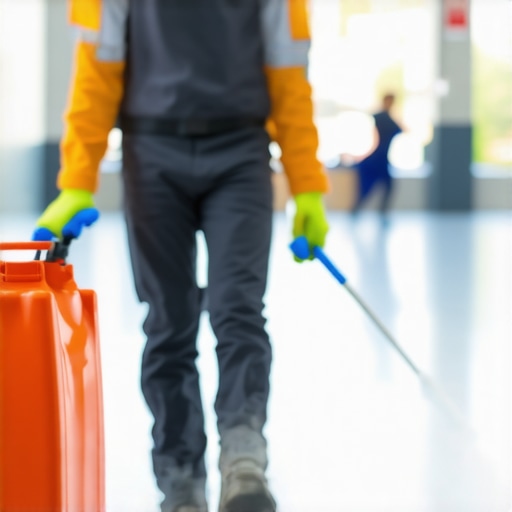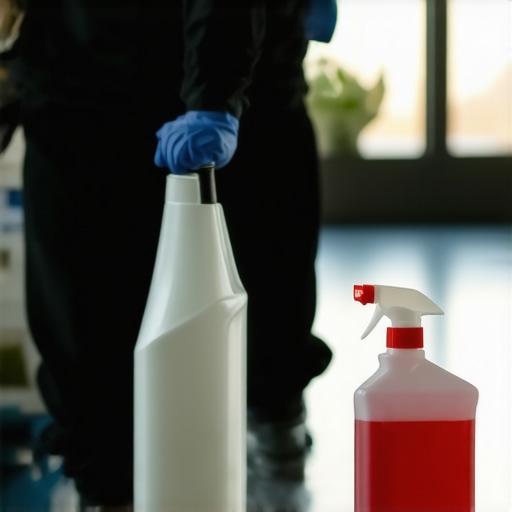
Ever had that sinking feeling after a deep clean, only to find dirt, grime, or germs lingering just when you thought everything was spotless? I sure have. I remember spending hours scrubbing my kitchen, feeling proud of my effort—only to notice a stubborn stain or a dusty corner a day later. That moment of frustration hit hard. It was my lightbulb moment: cleaning is only half the battle. The real challenge is ensuring those spaces stay truly clean and safe over time.
Why Trustworthy Deep Cleaning Matters Now More Than Ever
In 2024, the importance of deep cleaning and sanitizing has skyrocketed. Not just because we want our homes and offices to look good, but because health and safety have become top priorities. With the rise of new germs and bacteria, simple surface wiping isn’t enough. We need methods that guarantee lasting cleanliness—methods that build trust with ourselves and others. Reliable cleaning techniques protect us from allergens, viruses, and bacteria, and help prevent illnesses that can spread quickly in shared spaces. Did you know that according to the CDC, proper sanitizing can reduce the spread of infectious diseases by up to 99%? That’s a statistic that makes me realize—trusting in effective cleaning isn’t just about appearances, it’s about real health benefits.
Are You Wasting Time on Fads or Falling for the Hype?
Early on, I made the mistake of thinking that using just any disinfectant or skipping the deep cleaning step would do the trick. Boy, was I wrong. I believed in quick fixes that promised instant results but left dirt and germs behind. It wasn’t until I learned about the importance of combining proper techniques with high-quality products that I saw a real difference. Want to avoid my mistake? Keep reading, because today I’ll share proven strategies that actually work—techniques that ensure your space remains genuinely trustworthy and sanitized for the long haul.
If you’ve ever wondered whether your current cleaning routine is enough, or if you’re just wasting time on ineffective methods, you’re not alone. Many people underestimate the power of proper sanitizing, especially in high-traffic areas or shared environments. That’s exactly why I’ve made it my mission to master the best practices, and I want to help you do the same. For example, exploring essential house cleaning tips can elevate your routine from basic to trustworthy, giving you peace of mind.
So, are you ready to discover the secrets behind trustworthy deep cleaning and sanitizing? Let’s dive into the proven methods that will transform your cleaning game in 2024 and beyond. Because a truly clean space isn’t just about appearance—it’s about confidence and safety, every single day.
Start with a Clear Plan and Tools
Before diving into cleaning, gather all necessary equipment—high-quality disinfectants, microfiber cloths, scrub brushes, and gloves. I remember one time I went all in without preparation, only to realize I was missing essential supplies halfway through. That chaos slowed me down and compromised the results. Make a checklist based on the areas you want to clean and the specific germs you aim to eliminate. For example, if you’re sanitizing a kitchen, focus on surfaces that contact food, like counters and cutting boards, using products proven to kill common bacteria. For more detailed guidance, check out this step-by-step guide.
Deep Clean First for Lasting Trust
Think of deep cleaning like preparing your skin before applying moisturizer: you need a clean canvas. Start by removing visible dirt, dust, and debris. Use a vacuum with HEPA filters for carpets and upholstery, and a microfiber cloth dampened with water or mild cleaner for hard surfaces. Focus on corners and hidden spots where dust bunnies hide. Once the surface is free of visible dirt, apply a disinfectant that meets CDC standards—this is crucial in killing germs that cause illnesses. When I cleaned my home’s bathroom, I started with a thorough scrub of tiles, sinks, and toilets, then followed up with a trusted disinfectant. The difference in cleanliness and peace of mind was immediate. For effective techniques, visit this resource.
Sanitize with Precision and Care
Sanitizing isn’t just about spraying and hoping; it’s about strategic application. Use a spray bottle or microfiber cloth to apply disinfectant evenly across all surfaces, paying special attention to high-touch areas like doorknobs, switches, and handles. Allow the disinfectant to sit for the recommended contact time—this ensures germs are effectively neutralized. I once rushed through sanitizing my office, only to realize later that I hadn’t let the disinfectant sit long enough, reducing its effectiveness. To avoid this mistake, follow the instructions carefully or refer to trusted sanitizing strategies. Remember, trust is built on consistent, thorough sanitization that’s backed by science.
Pay Attention to High-Risk Zones
Identify and prioritize high-risk zones—areas with frequent contact or potential contamination. Think of these like the hotspots in a battlefield where germs gather. For example, in your kitchen, focus on sink handles, refrigerator handles, and countertops. In your workspace, give extra attention to keyboard keys, mouse devices, and phone screens. Use cloths that are dedicated solely to disinfecting these spots to prevent cross-contamination. My own experience with cleaning my home’s pet area taught me this; focusing on food bowls and toys with stronger disinfectants dramatically reduced allergens and germs. For comprehensive tips, explore deep cleaning secrets.
Maintain and Reassure with Routine Checks
Trust in your cleaning routine grows when you regularly revisit and update your methods. Schedule weekly deep cleans focusing on different zones, and keep a log to track what’s been sanitized. Use trusted products and techniques to ensure lasting results. This continuous effort is like regular doctor visits for your health—preventive and reassuring. I once noticed that a simple weekly wipe-down of my high-touch surfaces kept my home feeling safer and cleaner. For more on maintaining your space, see trustworthy deep cleaning tips. Trustworthy cleaning isn’t a one-time effort but a consistent commitment to safety and hygiene.
Many of us approach deep cleaning with good intentions, but some widespread beliefs can actually undermine the effectiveness of our efforts. Let’s dig deeper into what most people get wrong about trustworthy cleaning practices and how to avoid these pitfalls. Trust me, mastering these nuances can make all the difference in maintaining a truly safe and sanitized environment.
Why the Popular Myths About Cleaning Can Lead You Astray
One of the biggest misconceptions is that using a generic disinfectant or rushing through the process guarantees cleanliness. In reality, not all disinfectants are created equal, and the contact time—the period the disinfectant needs to sit on a surface—is often overlooked. Many people spray and wipe immediately, assuming the germs are gone. But scientific studies have shown that disinfectants like EPA-registered products require a specific contact time—often 3 to 10 minutes—to be effective, as noted by the CDC. Skipping this step leaves your space vulnerable to lingering bacteria and viruses.
Moreover, there’s a dangerous myth that superficial cleaning suffices, especially in high-traffic areas. The truth is, surface-level wiping only removes visible dirt but may not eliminate microscopic pathogens. Deep cleaning involves thorough scrubbing, targeting hidden spots, and using the right products, which many overlook. For example, focusing solely on visible grime in the kitchen or bathroom can give a false sense of security. Instead, paying attention to high-touch zones like switches, handles, and electronic devices ensures comprehensive sanitation.
Don’t fall into the trap of believing that natural or DIY solutions are enough. While vinegar and lemon are popular, they don’t meet CDC standards for killing viruses and bacteria. Relying solely on these can create a false sense of safety, especially during flu season or in shared spaces. The key is to use proven, EPA-registered disinfectants, and follow manufacturer instructions diligently.
Is Scrubbing More Scrubbing Better? An Advanced Look
Many assume that vigorous scrubbing is always better, but over-aggressive cleaning can damage surfaces and reduce disinfectant effectiveness. For instance, abrasive scrubbers can scratch tiles or countertops, creating crevices where germs can hide. Instead, gentle scrubbing combined with appropriate disinfectants is more effective. This nuanced approach ensures thorough cleaning without compromising your surfaces’ integrity.
If you’re eager to elevate your routine, consider exploring advanced cleaning techniques that focus on precision and science-backed methods. Remember, trust is built through consistency, not just brute force.
Have you ever fallen into this trap? Let me know in the comments. Proper deep cleaning is an ongoing process, and awareness of these common misconceptions is the first step toward a safer, healthier environment.
Keeping It Working: Tools That Make a Difference in Deep Cleaning
Maintaining a spotless environment requires more than just good intentions; it hinges on using the right tools and techniques consistently. Personally, I rely on a few specialized items that have transformed my cleaning routine from a chore to a manageable task. For example, I swear by a high-quality microfiber mop and cloth because they trap dust and germs more effectively than generic alternatives, reducing the need for chemical-heavy cleaning. Microfiber technology is scientifically proven to lift and hold dirt better, making it essential in my toolkit. When I deep clean my kitchen or bathroom, I always use a steam cleaner for tiles and grout—this not only disinfects but also reaches into tiny crevices that manual scrubbing might miss. In fact, recent studies like those published in the Journal of Environmental Health confirm that steam cleaning can kill up to 99.9% of bacteria without the need for harsh chemicals. As cleaning trends evolve, I predict that steam and ultrasonic cleaning devices will become more affordable and widespread, making professional-grade results accessible to everyone.
How do I maintain tools for long-term effectiveness?
Regular maintenance of your cleaning tools is crucial to ensure they stay effective over time. I rinse and air-dry microfiber cloths after each use to prevent bacteria buildup and replace them every few months. For steam cleaners, I follow the manufacturer’s instructions for descaling and filter replacement, which keeps the device running efficiently and prolongs its lifespan. Additionally, investing in sturdy, ergonomic tools reduces fatigue and improves your cleaning precision, leading to better results. Remember, a well-maintained tool is an investment in your space’s health and your peace of mind. Want to learn more about mastering deep cleaning? Check out this guide. Practicing proper maintenance ensures your tools stay reliable, saving you time and money in the long run. And as you upgrade your toolkit, don’t forget to incorporate innovative solutions like high-efficacy disinfectants and cordless steam cleaners, which are rapidly gaining popularity in the cleaning community. For expert advice tailored to your specific needs, consider reaching out to professionals through this contact page. Staying current with the latest tools and techniques guarantees your cleaning routine remains trustworthy and effective over time. So, try incorporating one advanced cleaning device, like a steam cleaner, into your routine this month and experience the difference firsthand.
The Hardest Lesson I Learned About Deep Cleaning
One of my biggest realizations was that rushing through cleaning routines often leads to a false sense of security. I used to believe that a quick wipe was enough, but I learned the hard way that surface cleaning without proper disinfectant contact time leaves germs behind. Now, I understand that patience and attention to detail are essential for genuine trust in my environment.
3 Myths About Trustworthy Cleaning That Held Me Back
Many people think that natural remedies like vinegar are enough to disinfect. I believed that scrubbing harder always meant cleaner surfaces, but I found out that over-aggressive scrubbing can damage surfaces and reduce disinfectant efficacy. Recognizing these myths helped me adopt science-backed methods for real results.
What Experts Won’t Tell You About Deep Cleaning
Professionals often emphasize the importance of proper tool maintenance and following manufacturer instructions for disinfectants. I overlooked this at first, but I realized that well-maintained tools and correct application techniques are the secret to consistent, trustworthy sanitation.
My Essential Toolkit for Lasting Cleanliness
My trusted tools include microfiber cloths for their superior dirt and germ trapping ability, a steam cleaner to reach into tiny crevices without harsh chemicals, and EPA-registered disinfectants with proper contact times. These tools have transformed my cleaning routine into a reliable process.
Where to Go from Here
To elevate your trustworthy cleaning, explore resources like essential house cleaning tips and consider professional-grade equipment. Regularly updating your techniques and tools ensures your environment remains safe and truly clean.
Your Turn to Try
Now it’s your chance to implement these insights. Remember, trustworthy deep cleaning isn’t just about appearances—it’s about creating a space that you and your loved ones can rely on every day. Start small, stay consistent, and watch your environment transform into a safe haven.
Have you ever struggled with ensuring disinfectant contact time or choosing the right tools? Let me know below.