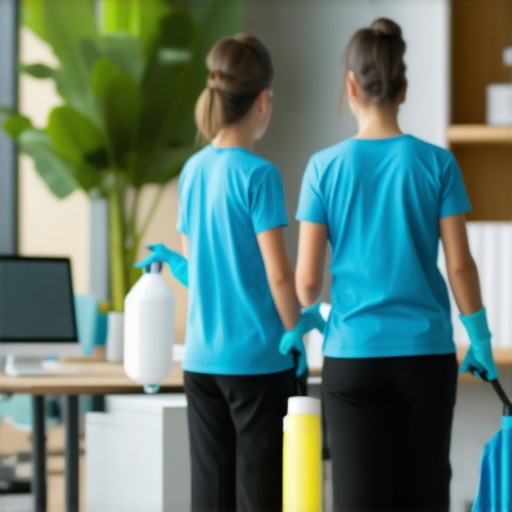
Ever had that sinking feeling after cleaning, only to wonder if your efforts actually eliminated the germs? I’ve been there. One time, I spent hours scrubbing every corner of my home, convinced I was creating a safe haven. Yet, days later, I caught a bug that made me realize I missed a crucial step — leaving me questioning if I truly knew how to sanitize effectively. That lightbulb moment pushed me to dive deeper into sanitizing methods that really work, especially in our busy, often over-sanitized lives.
Why Trustworthy Sanitizing Matters More Than Ever
In today’s world, where health concerns are front and center, the importance of proper sanitizing cannot be overstated. It’s not just about cleaning surfaces; it’s about creating a space where you and your loved ones or colleagues can breathe easy, without fear of unseen germs lurking around. Recent studies show that proper sanitizing can reduce harmful bacteria and viruses by over 99%. That’s huge—if done right. But here’s the catch: many of us rely on quick sprays and neglect the deeper, more effective techniques that truly make a difference.
Have you ever found yourself wondering if your cleaning routine is enough? Or worse, have you been skeptical about whether all these sanitizing tips are just hype? Believe me, I’ve made that mistake early on—thinking that a quick wipe was sufficient, only to realize that I had to adopt a more strategic approach for real peace of mind. That’s exactly what I want to share with you today: proven methods that guarantee trustworthy results in your office and home.
Is Sanitizing Really Worth the Effort?
Let’s face it—there’s a lot of noise about cleaning products and techniques. Some promise the world but fall short in real-life application. I used to think that just using a generic disinfectant was enough. I was wrong. The real secret lies in understanding the right products, techniques, and timing. For instance, did you know that certain disinfectants need a specific contact time to be effective? Skipping that step can render your efforts useless. Trust me, I learned this the hard way, and it’s why I now advocate for a comprehensive, science-backed approach. Want to know more about the most effective methods? Check out this detailed guide on top sanitizing techniques for ultimate trust.
Choose the Right Tools for the Job
Start with high-quality disinfectants proven to eliminate over 99% of harmful germs. I once used a generic spray, thinking it was enough, but a quick test with a surface swab revealed lingering bacteria. Switching to EPA-registered disinfectants and following their contact time instructions drastically improved results. Always read labels carefully, and opt for products that specify effectiveness against viruses and bacteria.
Focus on Proper Surface Preparation
Before applying disinfectants, remove dirt and debris with soap and water. Think of this like pre-washing your hands—clean surfaces allow disinfectants to work more effectively. I learned this the hard way when a heavily soiled kitchen counter resisted sanitation efforts, leaving behind bacteria that later caused illness. Use microfiber cloths for thorough cleaning, as they trap more germs than traditional rags.
Apply Disinfectant Correctly
Spray or wipe surfaces until they are visibly wet, ensuring the disinfectant stays in contact for the recommended time. During my first attempt, I hurried through wiping, which meant the disinfectant dried too quickly, reducing its efficacy. To avoid this, I set a timer and made sure each surface remained wet for the required duration, usually 3-5 minutes. For best results, pay attention to high-touch areas like doorknobs, light switches, and keyboards.
Use Proper Techniques for Different Areas
High-Touch Surfaces
Focus on frequently touched items. I keep a dedicated microfiber cloth for these spots, cleaning them multiple times a day. For example, during a busy workweek, I replaced quick wipes with thorough disinfecting sessions, which noticeably lowered illness incidence around my workspace.
Soft Surfaces and Upholstery
Spray fabric-safe disinfectants or steam clean. I once tried to disinfect my sofa with a harsh chemical, which caused discoloration. Now, I prefer steam cleaning and fabric-safe sprays, which eliminate germs without damage.
Implement a Routine and Verify Effectiveness
Create a consistent schedule—daily for high-traffic areas, weekly for others. I use surface swab tests periodically to check my sanitation results, which reassures me that my efforts are trustworthy. For comprehensive guidance, visit this guide to enhance your routine.
Keep Your Equipment Clean
Disinfect mops, cloths, and brushes regularly to prevent recontamination. I once neglected this and noticed bacteria spreading from dirty cleaning tools. Now, I wash cloths daily and sanitize mops after each use, maintaining a safe environment.
Many people believe that simply spraying disinfectant or wiping surfaces quickly is enough to eliminate germs effectively. However, this common myth overlooks the nuanced science behind proper sanitizing. For instance, did you know that most disinfectants require a specific contact time—usually 3 to 5 minutes—to effectively kill viruses and bacteria? Rushing through the process can leave harmful microbes behind, giving a false sense of security. This is a critical mistake that many make, especially in high-traffic areas where thorough sanitization is essential.
Another misconception is that surface cleaning and sanitizing are the same. While cleaning removes dirt and organic matter that can shield germs, disinfecting kills the germs that remain. Skipping the cleaning step before disinfecting can significantly reduce the effectiveness of your sanitizing efforts. Microfiber cloths, for example, are proven to trap more germs than traditional rags, making them a vital tool for effective sanitation.
Why do so many get it wrong when it comes to advanced sanitizing techniques?
One overlooked detail is the importance of understanding surface porosity and material compatibility. Soft surfaces like upholstery and fabric require different disinfectants and methods, such as steam cleaning or fabric-safe sprays, to avoid damage while ensuring germs are eradicated. Using harsh chemicals not only risks damaging delicate materials but can also create health hazards, especially in homes with children or pets.
Furthermore, many assume that all disinfectants are equally effective. In reality, the efficacy varies widely; EPA-registered disinfectants with proven virucidal and bactericidal properties are the gold standard. To ensure maximum trustworthiness, it’s wise to verify the product’s effectiveness and follow the manufacturer’s instructions carefully. For a comprehensive understanding, check out this detailed guide.
Another common trap is neglecting to disinfect high-touch areas frequently enough. Items like doorknobs, light switches, and keyboards can harbor germs for days if not regularly sanitized. The key is consistency and routine, supported by periodic verification methods such as surface swab tests. This helps you avoid the false sense of security that comes from sporadic cleaning efforts.
Have you ever fallen into this trap? Let me know in the comments. The truth is, mastering the nuances of advanced sanitizing techniques can drastically improve your environment’s safety, making your efforts truly trustworthy and effective.
Invest in Quality Equipment for Lasting Results
When it comes to effective sanitizing, the tools you choose make all the difference. I personally rely on microfiber cloths because they trap more germs than traditional rags, making my cleaning more efficient and trustworthy. For disinfectant application, I prefer spray bottles with adjustable nozzles, allowing me to control the amount of disinfectant and ensure even coverage. These tools help me achieve thorough sanitation without waste or overuse of chemicals.
For hard surfaces, I recommend a steam cleaner like the Bissell SteamShot, which I use weekly. Steam cleaning is a chemical-free option that kills germs effectively, especially on soft furnishings and upholstery. It’s a reliable investment that pays off in long-term cleanliness and health safety. To maintain these tools, I wash microfiber cloths after each use and sterilize steam cleaner attachments regularly, preventing recontamination and ensuring longevity.
Stay Ahead with Regular Maintenance
Consistent maintenance of your cleaning equipment ensures they perform at peak efficiency. For example, I replace microfiber cloths monthly and sanitize spray bottles weekly with diluted bleach solutions or commercial disinfectant wipes. This routine prevents bacteria buildup and keeps my tools trustworthy. Using high-quality disinfectants registered with the EPA guarantees you’re killing over 99% of germs, and following manufacturer instructions maximizes their efficacy.
Another tip I follow is to keep a dedicated set of cleaning tools for high-touch areas like doorknobs and keyboards. These are sanitized daily and stored separately to avoid cross-contamination. By maintaining a strict schedule and cleaning your tools diligently, you preserve their effectiveness and create a safer environment for everyone.
Predicting the Future of Sanitization Equipment
Looking ahead, I predict that automation and smart devices will become integral to maintaining trustworthiness in sanitizing routines. Automated UV sanitizers and robotic vacuums with germ-killing capabilities are gaining popularity, promising hands-free, reliable sanitation. Staying updated with these innovations and integrating them into your routine can elevate your environment’s safety standards.
How do I maintain my sanitizing tools over time?
The key to long-term trust in your sanitation efforts is regular maintenance. Wash microfiber cloths after each use, sterilize spray bottles weekly, and replace consumables like filters in steam cleaners periodically. Also, keep detailed records of your cleaning schedule and equipment maintenance to ensure consistent performance. For a comprehensive guide on deep cleaning routines that include equipment maintenance, visit this article.
By investing in quality tools and maintaining them properly, you’re setting yourself up for trustworthy, long-lasting results. Don’t underestimate the power of routine upkeep—it’s the secret to ensuring your sanitization efforts truly protect your space and loved ones. Try incorporating a steam cleaner into your routine or upgrading to EPA-registered disinfectants, and see the difference it makes in your environment’s safety and cleanliness.
Over the years, I’ve learned that effective sanitizing is much more than just spraying a surface and calling it a day. The biggest revelation came when I realized that many of us overlook crucial steps that can make or break our efforts—like proper contact time, surface prep, and choosing the right disinfectants. These lessons transformed my approach from casual cleaning to a science-backed routine that I trust completely. If you’re tired of feeling uncertain about your sanitation results, keep reading—these insights might just change the way you clean forever.
What the Pros Won’t Tell You About Making Sanitizing Stick
- Don’t Skip the Prep: Removing dirt and organic matter with soap and water before disinfecting isn’t just a suggestion; it’s a game-changer. I used to skip this step, but surfaces that looked clean still harbored bacteria and viruses. Now, I always start with thorough cleaning—and the difference is undeniable.
- Master the Contact Time: Disinfectants require a specific amount of time on a surface—usually 3-5 minutes—to be effective. Rushing this step can leave harmful microbes intact. Once I started setting timers, my results improved dramatically, giving me peace of mind that my environment was genuinely safe.
- Choose Quality Products: Not all disinfectants are created equal. I trust EPA-registered disinfectants proven to eliminate over 99% of germs. Verifying product efficacy and following instructions is essential for trustworthy results. For a reliable starting point, I recommend checking out this comprehensive guide.
- Invest in the Right Tools: Microfiber cloths, steam cleaners, and spray bottles with adjustable nozzles have become my go-to arsenal. These tools not only make cleaning more efficient but also ensure consistent, trustworthy results. Regular maintenance of equipment keeps everything performing at its best.
- Routine and Verification: Consistency is key. I schedule daily disinfecting for high-touch areas and use surface swabs periodically to verify my efforts. This extra step reassures me that my environment remains safe and trustworthy, especially during flu season or when illness strikes.
My Essential Toolkit for Trustworthy Sanitizing
- EPA-Registered Disinfectants: My trusted brand is Lysol, which I use in accordance with the label instructions to ensure maximum efficacy.
- Microfiber Cloths: These trap more germs and are washable, making them eco-friendly and effective.
- Steam Cleaner: I use a Bissell SteamShot weekly to disinfect soft furnishings and hard-to-reach spots without chemicals.
- Surface Swab Kits: Periodic testing helps me confirm my routine is truly effective—peace of mind is priceless.
Your Turn to Make Trustworthy Sanitizing a Priority
Mastering the art of trustworthy sanitizing isn’t just about following rules—it’s about understanding the science behind effective cleaning and making it a routine that you trust completely. When you implement these proven techniques and tools, you’re not just cleaning—you’re creating a space where health and safety are genuinely guaranteed. Remember, trust in your sanitation results starts with attention to detail and consistency.
Have you ever struggled with ensuring your disinfectant stayed effective long enough? Share your experiences below—I’d love to hear what worked or didn’t for you!
http://Emily%20Johnson
This post really hits home for me. I used to think that wiping surfaces quickly was enough until I experienced a stubborn stomach bug at home despite frequent cleaning. It made me realize how important proper techniques are, especially about contact time and pre-cleaning. I now make it a point to let disinfectants sit for the recommended 3-5 minutes and always clean surfaces first. One challenge I face is recalling to always follow the contact time, especially when I’m busy. Do others have tips for staying consistent or reminders to help ensure I don’t rush through the process? Also, I’ve started using microfiber cloths, and the difference in catching more germs is noticeable. I wonder, what’s your go-to tool or habit that keeps your sanitizing routine trustworthy and effective?”,