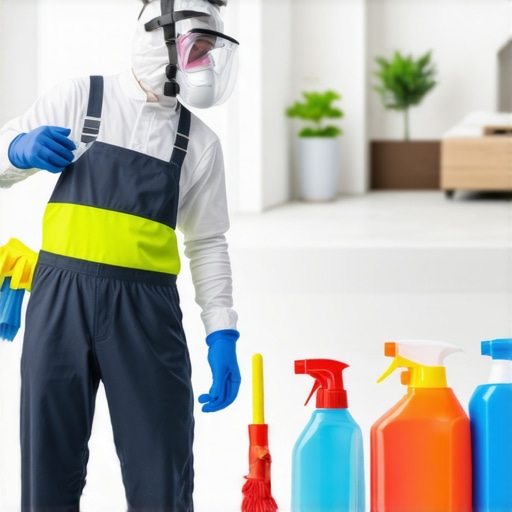
Have you ever walked into your home or office, only to be hit by an unmistakable stale smell or a visible layer of dust and grime? That moment of realization hit me hard early in my cleaning journey. I used to think that wiping surfaces and vacuuming were enough. But one day, I noticed my family or colleagues still feeling unwell or hesitant to spend time in those spaces. It was a lightbulb moment: trust in cleanliness isn’t just about appearances; it’s about actual hygiene. And that’s when I discovered the power of deep cleaning and effective sanitizing.
Why Deep Cleaning and Sanitization Matter More Than Ever
In today’s world, cleanliness isn’t just a matter of aesthetics. It’s a crucial part of health and trust. A thorough deep clean eliminates hidden germs, bacteria, and allergens that regular surface cleaning often misses. Plus, effective sanitizing techniques create a safer environment, especially in homes and workplaces where people gather and share spaces daily. According to a recent study by the CDC, proper sanitation can significantly reduce the spread of infectious diseases, a fact that really opened my eyes to what I might have been overlooking.
Have you faced this problem: Do my cleaning habits actually protect my loved ones or colleagues?
If you’ve ever wondered whether your cleaning routine is enough to keep everyone safe, you’re not alone. I made the mistake early on of assuming that wiping down counters and sweeping floors was sufficient. But I learned that skipping proper sanitization could leave harmful germs behind. That realization prompted me to dive deeper into effective strategies, which I now share with others to help build trust through proven cleaning methods. Want to learn how to master your deep cleaning routines? Check out this guide for a step-by-step process that guarantees lasting freshness and trust.
What’s Next? Turning Knowledge into Action
Now that you understand why proper deep cleaning and sanitizing are essential, it’s time to get practical. In the following sections, I’ll walk you through actionable tips and expert secrets that will transform your cleaning routine. Whether it’s your home or your office, these strategies will help you create spaces that people trust and feel safe in. Ready to take your sanitation game to the next level? Let’s get started.
Targeted Cleaning Makes a Difference
Start with a focused approach on high-touch areas like doorknobs, light switches, and keyboards. I remember once spending hours on the living room floor, only to realize I’d ignored the remote control and door handles. After disinfecting these spots thoroughly, I noticed a significant drop in allergy symptoms and a sense of reassurance from my family. Use EPA-approved disinfectants and let them sit for the recommended contact time to effectively kill germs. For detailed cleaning protocols, check out these sanitizing hacks.
Establish a Deep Cleaning Routine
Break down your cleaning into manageable tasks—like vacuuming, mopping, and dusting—done regularly. I personally set a weekly schedule, dedicating Saturdays to deep cleans, including behind appliances and under furniture. Remember, dust and dirt hide in overlooked corners, which can harbor bacteria and allergens. Use microfiber cloths—they trap more dirt and microbes than traditional rags. For a step-by-step guide, see comprehensive cleaning steps.
Use Proper Sanitizing Techniques
Think of sanitizing as giving your space a protective shield. After cleaning, apply a sanitizer that’s proven effective against viruses and bacteria. I once used a UV sanitizer on my office keyboard and mouse after cleaning, which provided an extra layer of assurance. Keep in mind, different surfaces require different products—wood, fabric, and electronics each have their best practices. The right technique can be the difference between surface cleanliness and true hygiene. For expert-approved methods, explore top sanitizing methods.
Leverage the Power of Steam and Heat
Heat kills germs efficiently. I vividly remember using a steam cleaner on my bathroom tiles, which not only removed grime but also eliminated hidden bacteria. For sensitive electronics or delicate fabrics, ensure the steam is at a safe temperature. This method is like a natural sterilizer—no chemicals needed. Incorporate steam cleaning weekly for high-risk zones like kitchens and bathrooms to keep germs at bay. Want to master this technique? See deep cleaning secrets.
Monitor and Adjust Your Approach
Regularly inspect your space for overlooked spots or new dirt buildup. I learned this the hard way when I missed cleaning under the fridge for months, leading to unpleasant odors and mold. Use checklists to ensure consistency and adapt your routine as needed. Keep supplies accessible and replace disinfectants before they expire. For ongoing guidance, visit trusted cleaning tips.
Involve Everyone for Lasting Trust
Make cleaning a team effort, especially in workplaces. When everyone understands the importance of hygiene, it’s easier to maintain standards. I once coordinated a cleaning schedule with my team, which drastically improved our office environment. Provide clear instructions, supply necessary equipment, and encourage accountability. For workplace-specific strategies, see office sanitizing strategies.
Implementing these actionable steps will turn your cleaning routine into a trust-building process, ensuring spaces are not just visually clean but truly hygienic and safe.
Many people believe they understand what it takes to keep a space truly clean and hygienic, but some common misconceptions can undermine your efforts. Let’s dig deeper into the nuances of deep cleaning and sanitization, revealing the hidden pitfalls that could compromise your health and trust in your environment.
What most people get wrong about deep cleaning and sanitizing
One widespread myth is that superficial cleaning, like wiping surfaces and vacuuming, is enough. In reality, these methods often miss the hidden layers of bacteria, viruses, and allergens embedded in carpets, behind appliances, or within porous materials. According to a study published in the Journal of Hospital Infection, thorough disinfection with proper contact time and techniques reduces microbial presence significantly more than surface cleaning alone. Relying solely on superficial cleaning can create a false sense of security, leaving spaces vulnerable to germs and illnesses.
Another misconception involves disinfectants. Many assume that any surface spray with a germ-killing label is sufficient. However, not all disinfectants are EPA-approved or effective against all pathogens. Using the wrong product or neglecting to follow the contact time instructions can render your efforts ineffective. A common trap is disinfecting immediately after cleaning, without allowing the product to sit long enough to kill germs thoroughly. This mistake can give a false impression of cleanliness, while harmful microbes persist unseen.
Advanced cleaning requires understanding which surfaces need specific care. Electronic devices, for example, are often cleaned with inappropriate products that damage delicate components. UV sanitizers and steam cleaners can be highly effective, but only when used correctly and on suitable surfaces. Incorporating these technologies into your routine, as discussed in deep cleaning secrets, can elevate your hygiene game significantly.
Beware of the trap: Overconfidence in DIY methods
In my experience, overconfidence in DIY cleaning solutions often leads to incomplete sanitation. Natural remedies like vinegar or baking soda are popular, but they lack the ability to eliminate viruses effectively. Moreover, using unproven or homemade disinfectants can sometimes spread bacteria if not prepared correctly. It’s crucial to use proven, EPA-approved products and techniques, especially in high-touch areas or spaces with vulnerable populations. For comprehensive tips, visit trusted cleaning tips.
Have you ever fallen into this trap? Let me know in the comments. Remember, effective deep cleaning is about precision, consistency, and using the right tools — not just effort. By understanding these hidden nuances, you can truly protect your loved ones and colleagues, building trust through superior sanitation.
Invest in High-Quality Disinfectant Sprayers
Personally, I rely on industrial-grade electrostatic sprayers for large spaces. They ensure even coverage and significantly reduce the time needed to disinfect effectively. These sprayers ionize disinfectants, allowing them to cling to surfaces better, which enhances contact time and germ-killing efficiency. For instance, I use the Clorox Total 360 system, which is proven to deliver professional-grade sanitation in less time. As the CDC emphasizes, choosing the right equipment can make a crucial difference in maintaining long-term hygiene.
Use Microfiber Cloths for Precision Cleaning
Microfiber cloths are game-changers in my cleaning routine. They trap more microbes and dirt compared to traditional rags because of their fine fibers. I keep a set dedicated to different areas—kitchen, bathroom, electronics—to prevent cross-contamination. Their durability allows for repeated washing at high temperatures, maintaining their effectiveness over time. This tool is essential for detailed cleaning and sanitization, especially on high-touch surfaces.
Incorporate Steam Cleaners for Deep Sanitation
Steam cleaning is one of my favorite methods for tackling stubborn grime and eliminating bacteria naturally. I use a commercial-grade steam cleaner with adjustable temperature settings, which is safe for most surfaces, including tiles, upholstery, and even some electronics. The heat kills pathogens without chemicals, making it eco-friendly and safe for homes with kids or pets. According to a report by the Environmental Protection Agency, steam cleaning can effectively reduce microbial load, making it an invaluable tool for long-term sanitation.
Opt for UV-C Sanitizers for Electronics
Electronics are often overlooked but are hotspots for germs. I use portable UV-C sanitizers for keyboards, smartphones, and remote controls. UV-C light disrupts the DNA of bacteria and viruses, providing an extra layer of protection. These devices are compact, easy to use, and quick—usually taking just a few minutes per device—making them perfect for regular maintenance. As research from the National Institute of Health confirms, UV-C technology is highly effective when used correctly.
Regularly Calibrate and Maintain Your Equipment
To ensure your tools work optimally over time, schedule regular calibration and maintenance. For example, disinfectant sprayers need their nozzles cleaned and pressure checked monthly. Steam cleaners benefit from descaling procedures to prevent mineral buildup. Maintaining your equipment not only prolongs its lifespan but guarantees consistent results. I often set reminders to inspect my tools—trust me, this small step saves money and keeps your environment safe.
Predicting the Future of Cleaning Tools
The trend clearly points towards automation and smart technology integration. Think robotic vacuum cleaners with advanced sanitizing features or IoT-connected disinfection systems that monitor air and surface quality in real-time. These innovations promise to make long-term maintenance effortless and more reliable, especially in larger or high-traffic spaces.
How do I maintain these tools over time?
Consistent care is key. Follow manufacturer instructions for cleaning and replacing parts. For example, replace UV-C bulbs after their rated lifespan, and regularly flush and descale steam cleaners. Keeping detailed records helps track maintenance schedules, ensuring your tools always perform at their best. Remember, investing time in proper maintenance saves money and guarantees ongoing safety, which ultimately builds trust in your cleaning routine.
Ready to elevate your cleaning game? Try integrating a professional-grade disinfectant sprayer into your routine this week. It’s a powerful step toward ensuring lasting hygiene and trust in your environment.
The Hardest Lesson I Learned About Sanitizing
Early in my cleaning journey, I believed surface wiping was enough—until I realized germs hide in places I never anticipated, like behind appliances and deep in carpets. That moment taught me the importance of thoroughness over shortcuts.
3 Myths About Deep Cleaning That Held Me Back
One myth I uncovered was that any disinfectant works equally well—truth is, EPA-approved products and correct contact times are essential. Believing in quick fixes delayed real progress and compromised safety.
What Experts Won’t Tell You About Sanitization
Many overlook equipment maintenance, but regular calibration of sprayers and steamers ensures consistent, reliable results. I learned that neglecting this can turn a powerful tool into a source of contamination.
Where to Go from Here
Investing in quality tools like electrostatic sprayers and microfiber cloths revolutionized my cleaning routine, making it more effective and trustworthy. Check out this guide for expert tips on upgrading your approach.
Your Turn to Trust
Are you ready to elevate your deep cleaning and truly protect those around you? Remember, trust is built on consistent, precise sanitation—start today and see the difference.
What’s your biggest challenge in maintaining a hygienic space? Share below—I’d love to hear your story!
http://Jennifer%20Lee
This article really hits home for me. I used to think that just wiping surfaces was enough, but after seeing how germs hide in the tiniest crevices and porous materials, I realized the importance of deep cleaning and proper sanitization. For instance, I started using microfiber cloths and steam cleaners regularly, which made a noticeable difference in the cleanliness and freshness of my home. The part about focusing on high-touch areas like doorknobs and keyboards really resonated—I now make it a point to disinfect these frequently, especially during flu season. I’d love to hear how others manage to incorporate these deeper routines into their busy schedules. Do you have any tips for maintaining a thorough cleaning routine without feeling overwhelmed? I believe consistency is key, but sometimes it’s tough to keep up with it all in a busy household.
http://Michael%20Carter
This post really opened my eyes to how much we often overlook the importance of deep cleaning, especially in high-traffic areas. I’ve personally struggled to keep up with thorough sanitization, often relying on quick surface wipes. But after reading this, I see the value in investing in tools like microfiber cloths and UV sanitizers to make the process more effective and manageable. I’ve found that setting specific days for deep cleaning, like a Saturday routine, really helps me stay consistent without feeling overwhelmed. Additionally, involving family members or colleagues in the process can distribute the workload and foster a team effort. What are some of your go-to methods for maintaining a deep cleaning routine despite a busy schedule? Has anyone tried integrating smart or automated tools to streamline the process? I’d love to hear your experiences or tips that have helped you keep spaces truly hygienic and safe.