Ever had that sinking feeling when you walk into your home or office, only to be hit by a musty smell or the unsettling realization that germs are lurking just out of sight? I’ve been there. One day, I noticed my space felt dirtier despite my regular cleaning routine. That lightbulb moment made me realize—standard cleaning isn’t enough anymore. In 2024, deep cleaning and sanitizing are no longer optional; they’re essential for trust and safety.
Why Deep Cleaning and Sanitizing Matter More Than Ever
With the rise of new pathogens and the ongoing concern about allergens, a superficial tidy-up just won’t cut it. Did you know that a typical home or office can harbor invisible bacteria and viruses that cleaning alone might miss? According to the CDC, proper sanitization can significantly reduce the risk of illness. That’s why I started diving deeper—literally—into effective techniques that eliminate germs at their source and maintain a healthy environment.
Have You Faced This Problem Too?
If you’re tired of feeling unsure whether your space is truly clean, you’re not alone. I used to think wiping surfaces was enough, until I realized I was missing key spots. That mistake cost me in the long run, especially during flu season. Now, I rely on proven deep cleaning strategies that give me peace of mind and keep my loved ones safe. Want to learn how to do the same? Keep reading, because I’m about to share the best tips and tricks for trustworthy sanitizing in 2024.
Start with a Clear Plan for Deep Cleaning
Before diving into scrubbing, make a checklist of all high-touch areas and hidden spots that often get overlooked. Think of it as mapping out a battlefield—knowing your target zones ensures nothing is missed. I remember once tackling my office after a busy season; I listed every surface, from keyboard keys to behind the printer. This methodical approach helped me cover every inch efficiently, reducing germs significantly. For a detailed routine, check out this comprehensive deep clean routine.
Gather Your Tools and Supplies
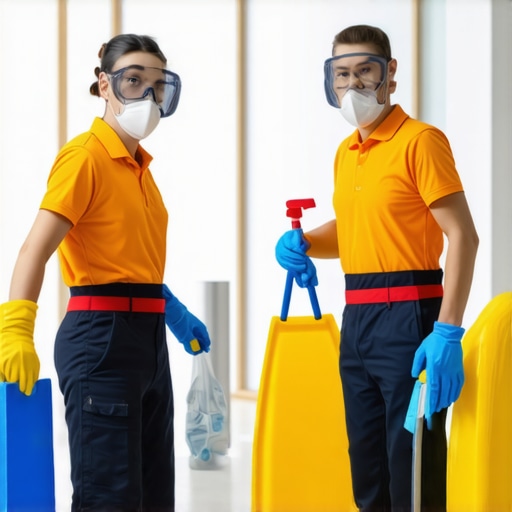
Use proven cleaning products tailored for disinfection—think EPA-registered disinfectants and microfiber cloths. Avoid mixing chemicals, which can create hazardous fumes. I learned this the hard way when I combined bleach with ammonia—my kitchen was a no-go zone for hours. Instead, I kept a dedicated set of tools for sanitizing, which made the process faster and safer. For expert product recommendations, visit effective sanitizing hacks.
Deep Clean in Stages for Maximum Effectiveness
Break down your cleaning into manageable phases—start from top surfaces and work your way down. This prevents re-contamination of cleaned areas. I once started from the floor up, but then realized my dusting and wiping were just spreading germs around. Now, I clean ceiling fans and light fixtures first, then move to walls, furniture, and finally floors. This systematic approach ensures thorough sanitation. For detailed techniques, see deep cleaning strategies.
Target High-Touch and Hidden Spots
Focus on doorknobs, light switches, and electronic devices—these are germ magnets. Use disinfectant wipes or sprays with a contact time of at least 1 minute for effective kill. I once neglected switches, which became a hotspot for germs. After cleaning them with a microfiber cloth soaked in disinfectant, I noticed a marked drop in the germs on my surface tests. For expert tips, check office deep cleaning techniques.
Sanitize Soft and Porous Materials
Carpets, curtains, and upholstery can trap allergens and microbes. Use steam cleaning or fabric-safe disinfectants. I once spilled coffee on my sofa and cleaned it with regular soap, but the stain and germs persisted. Switching to steam cleaning not only removed the stain but also sterilized the fabric. For more on effective sanitizing, visit eliminate allergens.
Finish with a Trusted Disinfectant Spray
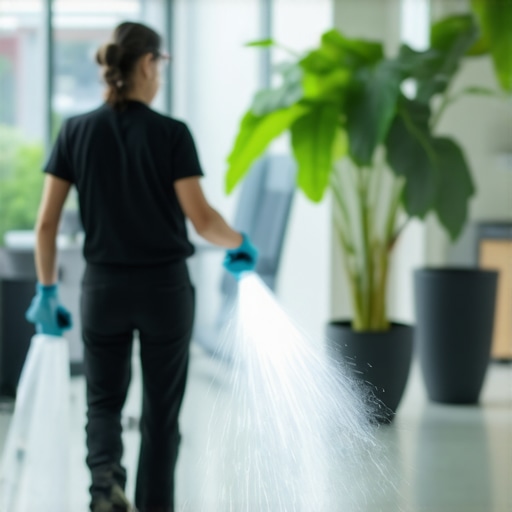
Once surfaces are clean, apply a trusted disinfectant spray, focusing on high-touch areas. Let it sit for the recommended contact time to maximize germ kill. I learned that quick sprays are not enough—waiting a full minute makes a difference. For professional-grade tips, see top sanitizing methods.
Maintain Regular Deep Cleaning
Schedule deep cleaning sessions weekly or bi-weekly depending on your space’s use. This prevents buildup of germs over time. I set reminders on my phone, which took some effort initially but now keeps my environment consistently safe. For ongoing guidance, visit deep cleaning secrets.
Many people believe they know everything about deep cleaning and sanitizing, but in reality, some widespread myths can actually hinder your efforts to keep a space truly safe. Let’s dig deeper into these misconceptions to ensure you’re not falling into common traps that compromise your environment’s cleanliness.
Why Do We Get It Wrong About Deep Cleaning
One of the biggest mistakes I see is the assumption that wiping surfaces with regular household cleaners is enough. While superficial cleaning removes visible dirt, it often leaves behind bacteria, viruses, and allergens. This misconception stems from the idea that dirt and germs are the same, but in truth, many germs are microscopic and require specific disinfectants to be effectively eliminated. According to the CDC, using EPA-registered disinfectants is essential for effective sanitation, something many overlook.
Another myth is that cleaning products alone can solve all problems. In my experience, the technique and thoroughness matter just as much as the product. For example, spraying disinfectant on a surface and wiping it immediately might not give the chemical enough contact time to do its job. Waiting for the recommended contact time, often at least one minute, ensures maximum germ kill. This nuanced detail is often ignored, leading to less effective sanitation.
Beware of the Overconfidence Trap
Many assume that their routine cleaning schedule is sufficient. But neglecting high-touch areas like doorknobs, light switches, and electronic devices can create hotspots for germs. The trap here is believing that these spots are too small or insignificant to matter. In reality, these are the most contaminated surfaces and require targeted disinfection. Regularly cleaning these high-risk zones with specialized disinfectants can drastically reduce pathogen transfer, as discussed in effective sanitizing hacks.
Advanced Question: How Can I Prevent Cross-Contamination During Deep Cleaning?
Great question! Cross-contamination is a sneaky problem many overlook. To prevent it, always clean from the top down and work your way toward the floor. Use separate cloths or microfiber towels for different areas—one for high-touch surfaces, another for floors. Change disinfectants frequently to avoid spreading germs from one zone to another. Additionally, if you’re cleaning soft furnishings, steam cleaning can sterilize fabrics without spreading contaminants. For more detailed strategies, see deep cleaning strategies.
Finally, don’t underestimate the importance of proper tool sanitation. Regularly disinfect your cleaning tools to prevent bacteria buildup, which can negate your efforts. This nuanced understanding of cleaning as a multi-step process—covering product selection, timing, technique, and tool management—is a key to truly effective sanitization. Have you ever fallen into this trap? Let me know in the comments.
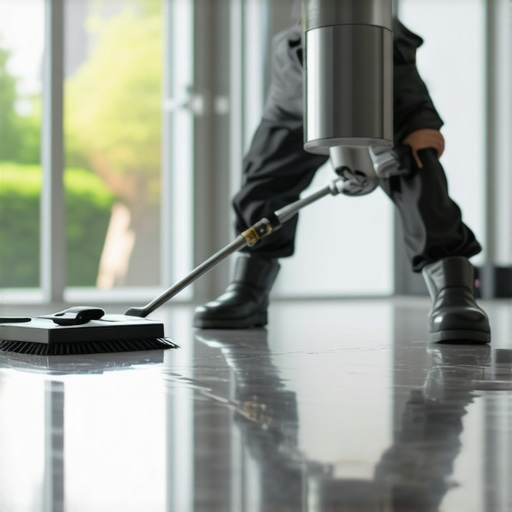
Maintaining a pristine environment over time requires more than just occasional scrubbing; it demands the right tools and a consistent approach. From my experience, investing in high-quality equipment not only makes the job easier but also ensures lasting results. One essential tool I rely on is a steam cleaner. Unlike traditional mops, a steam cleaner uses high-temperature vapor to sterilize soft surfaces, carpets, and even hard floors without chemical residues. This method is particularly effective for eliminating allergens and microbes trapped deep within fabrics and fibers, as highlighted in effective sanitizing hacks.
For electronics and high-touch surfaces, microfiber cloths paired with EPA-registered disinfectants are non-negotiable. Microfiber’s fine fibers pick up microscopic dirt and bacteria, reducing cross-contamination when used correctly. I always keep separate cloths for different zones to prevent spreading germs, especially in kitchens and bathrooms. Additionally, a quality handheld UV sterilizer has become a game-changer for quick disinfection of small items like remote controls, keys, and phones. These devices emit UV-C light, which has been proven to destroy DNA in bacteria and viruses effectively.
To manage these tools efficiently, I use a dedicated cleaning caddy, which keeps everything organized and accessible. Regular maintenance of my equipment, like descaling the steam cleaner and disinfecting cloths after use, extends their lifespan and maintains their effectiveness. As technology advances, I predict that smart cleaning devices—such as robotic vacuum/mops integrated with UV sterilization—will become more mainstream, making long-term sanitation effortless.
How do I keep my tools working well over time?
Regularly inspect and clean your cleaning gear. For example, replace microfiber cloths after every few uses, and follow manufacturer instructions for descaling steam cleaners. Keep battery-powered devices charged and store all equipment in a dry, cool place. Developing this routine ensures your tools remain effective, saving you money and effort in the long run. If you’re serious about long-term cleanliness, consider integrating these advanced tools into your routine and stay ahead of germs with consistent maintenance. For more detailed guidance, check out expert house cleaning secrets.
The Hardest Lesson I Learned About Sanitation
One of my biggest realizations was that superficial cleaning simply couldn’t eliminate the invisible threats lurking around. I once thought wiping surfaces was enough, but after a few illnesses, I understood that deep cleaning is the only way to truly protect my space. This lightbulb moment changed my entire approach, emphasizing the importance of thoroughness and proper technique.
3 Myths About Sanitizing That Held Me Back
Believing that regular household cleaners could handle all germs was a mistake I made early on. I also thought that disinfectants could be used casually without considering contact time, which diminishes their effectiveness. Lastly, I assumed soft furnishings couldn’t be sterilized without harsh chemicals — steam cleaning proved otherwise, revealing how much I still had to learn about surface-specific sanitation.
What Experts Won’t Tell You About Deep Cleaning
Many overlook the significance of tool sanitation and cross-contamination prevention. Regularly disinfecting your cleaning tools and working from top to bottom are crucial steps that experts swear by. These details can make or break your efforts, ensuring your environment is genuinely safe and germ-free. For comprehensive strategies, I recommend exploring deep cleaning techniques.
My Essential Toolkit for Trustworthy Sanitization
My arsenal includes EPA-registered disinfectants, microfiber cloths, a steam cleaner, and a UV sterilizer for electronics. These tools have transformed my cleaning routine, making it more effective and efficient. Regular maintenance of these tools, like descaling and replacing cloths, keeps their performance at peak. For detailed product recommendations, check out effective sanitizing hacks.
Take Action and Make It Count
Now that you know the secrets behind deep cleaning and sanitizing, it’s your turn to implement these strategies. A cleaner, healthier space is within your reach—just start from high-touch areas and work your way systematically. Remember, consistency is key to maintaining trust and safety in your environment. Are you ready to take the first step toward a germ-free home in 2024? Share your plans below and let’s motivate each other to succeed!