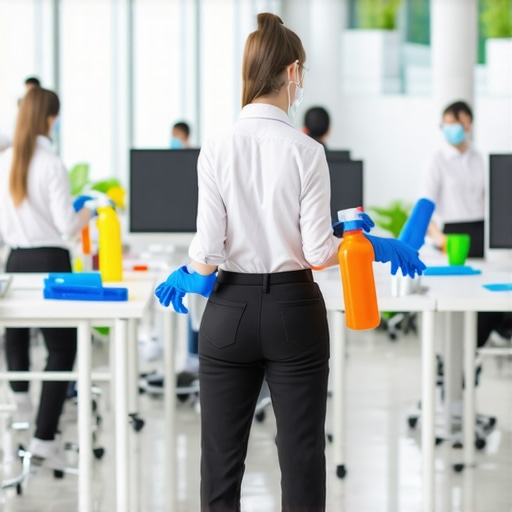
Have you ever walked into your office, only to be hit with that unsettling feeling of doubt—are these surfaces truly clean and safe? I remember the lightbulb moment when I realized I’d been overlooking the most crucial part of office hygiene: effective sanitizing that actually works. It’s easy to think a quick wipe down is enough, but the truth is, without proper strategies, you’re just playing a game of chance with germs and allergens. Since then, I’ve made it my mission to find practical, reliable methods to keep my workspace safe, and I want to share what I’ve learned with you.
Why Reliable Office Sanitizing Matters More Than Ever
Our workplaces are bustling hubs of activity, but they can also be breeding grounds for bacteria, viruses, and allergens. According to a study published by the CDC, high-touch surfaces in offices can harbor germs that linger for days if not properly disinfected. This isn’t just about appearance; it’s about health and productivity. When employees feel safe, they perform better. When offices are sanitized correctly, the risk of illness drops significantly. But here’s the catch: many people, myself included early on, make mistakes that undermine their efforts. I once thought that spraying disinfectant and wiping was enough—until I learned that not all methods are created equal.
Are You Falling for Sanitizing Myths?
Let me ask: have you ever skipped steps because you believed surface cleaning was enough? I did, and I paid the price when germs persisted. It’s a common mistake—thinking that surface wiping alone is sufficient. The truth is, effective sanitizing requires a strategic approach that targets the germs hiding in cracks and crevices, not just the visible grime. That’s why I want to guide you through proven techniques that deliver trustworthy results, so you don’t waste time or resources on ineffective routines. If you’re tired of second-guessing whether your cleaning efforts are enough, stick around. We’ll cover step-by-step strategies to make your office safer for everyone, starting today. Curious about how to master this? Check out this comprehensive guide on deep cleaning and sanitizing strategies that really work.
Clear the Clutter Before Disinfecting
Start by removing dust, papers, and debris from surfaces. Think of it like preparing a canvas before painting—removing obstacles ensures disinfectants can do their job effectively. I once tried to skip this step and ended up wasting disinfectant on dirt, which just smudged and diluted the cleaning efforts. Always wipe down with a microfiber cloth to gather loose dirt and dust, setting the stage for deep sanitizing.
Choose the Right Disinfectant and Tools
Not all cleaning products are created equal. Use EPA-approved disinfectants specifically formulated to kill viruses and bacteria. I recommend opting for products that list effective pathogens on their label, ensuring you’re not just moving dirt around. Pair your disinfectant with durable microfiber cloths or disposable wipes—these trap germs more effectively than cotton rags, which can spread bacteria if not washed properly. For high-touch areas, consider using spray bottles for targeted application and ensure your tools are sanitized regularly.
Apply Disinfectant Strategically
Think of disinfecting as painting a wall: you need even strokes for full coverage. Spray or apply the disinfectant generously, ensuring surfaces stay wet for the contact time specified on the label—usually around 1-10 minutes. I once hurried through wiping a conference table, only to realize the disinfectant dried too quickly, rendering the process ineffective. To avoid this, work in sections, and after applying, let the solution sit undisturbed. This guarantees germs are properly neutralized instead of just smudged around.
Focus on High-Touch Points
Prioritize areas like door handles, light switches, keyboards, phones, and shared equipment. These are the germ hotspots, much like the main arteries of your workspace. I learned this when I first started sanitizing and missed these spots—germs persisted, and I wondered why. Use a dedicated cloth or disinfectant wipe for each surface to prevent cross-contamination, and make it a routine to clean these points multiple times a day during busy periods.
Allow Proper Drying and Ventilation
After disinfecting, let surfaces air dry or wipe them with a clean cloth if needed. This step is crucial because many disinfectants require time to work effectively. Think of it like letting paint dry; rushing can compromise the results. Ensure good airflow by opening windows or turning on fans—this accelerates drying and reduces residue. I once hurried to finish cleaning, only to see germs bounce back because I didn’t wait for surfaces to dry properly.
Implement a Routine and Train Your Team
Consistent routine maintenance is key. Daily disinfection of high-touch areas and weekly deep cleaning create a reliable barrier against germs. Train your staff on proper techniques—using gloves, proper dilution, and contact times—to ensure everyone is aligned. I found that sharing simple checklists and visual guides improved compliance and confidence among team members. For in-depth strategies, check out this guide on reliable sanitizing methods.
Many people assume that simply spraying disinfectant on surfaces guarantees cleanliness and germ elimination. However, this misconception can lead to ineffective sanitation and even a false sense of security. In reality, the nuances of proper sanitizing involve understanding contact times, surface preparation, and the limitations of certain products. For instance, some disinfectants require surfaces to stay wet for a specific duration to be effective—skipping this step means germs may survive despite the effort.
Another widespread myth is that disinfecting should be a one-time routine. The truth is, consistent and strategic cleaning, especially on high-touch areas, is crucial to maintaining a germ-free environment. Neglecting regularity can allow bacteria and viruses to accumulate, making your efforts less impactful over time. For advanced practices, consider consulting trusted sources such as deep cleaning and sanitizing strategies to develop a tailored routine that maximizes safety.
Why Is Rushing the Disinfection Process a Major Mistake?
One common trap is rushing through the disinfection process, thinking that quick wiping is enough. This approach often results in surfaces not remaining wet long enough for the disinfectant to do its job. According to a study published by the CDC, proper contact time is essential for effective germ neutralization. Rushing can leave behind viable pathogens, especially in high-risk areas like door handles and shared equipment. Always ensure you apply enough disinfectant and allow it to sit undisturbed for the recommended duration. For more detailed insights, check out effective office sanitizing techniques.
Have you ever fallen into this trap? Let me know in the comments. Remember, mastering the nuances of sanitizing is what truly keeps your workspace safe and healthy.
Maintaining a sanitized office environment over time requires more than just initial effort; it demands reliable tools and consistent routines. Personally, I rely on a combination of high-quality equipment and strategic methods to ensure my workspace remains safe and germ-free, no matter how busy things get.
Investing in Professional-Grade Equipment
First and foremost, I swear by a commercial-grade steam cleaner. Not only does it eliminate germs without chemical residues, but it also penetrates deep into fabric and upholstery, which are often overlooked during routine cleaning. I use the Dupray Neat Steam Cleaner—it’s portable, powerful, and perfect for quick touch-ups on office chairs, keyboards, and even window blinds. The high temperature kills bacteria and viruses effectively, aligning with CDC recommendations for disinfection.
Next, I incorporate an electrostatic sprayer into my routine. This device ensures an even coat of disinfectant on all surfaces, including hard-to-reach spots. I personally prefer the Clorox Total 360, as it provides professional-grade coverage and cuts down cleaning time significantly. Regular use of such sprayers during weekly deep cleans ensures comprehensive coverage, reducing the risk of lingering germs.
Choosing the Right Disinfectants and Software Tools
Of course, equipment is only part of the equation. I always select EPA-approved disinfectants with proven efficacy against a broad spectrum of pathogens. For software, I use specialized scheduling apps that help me plan and track cleaning routines, ensuring nothing gets overlooked. These tools send reminders and maintain logs, which are invaluable for audits or inspections.
Monitoring Long-Term Results
To ensure my sanitizing efforts pay off, I invest in surface testing kits. These allow me to check for residual contamination and adjust my routines accordingly. It’s like a health checkup for your workspace, giving peace of mind that your methods are effective over time.
Scaling Up for Larger Spaces
If your office expands or your team grows, scaling your sanitizing approach becomes crucial. I recommend modular equipment systems that can be expanded or upgraded. Additionally, training staff on proper techniques and tools ensures consistency across larger teams. Remember, the key to long-term success is not just having the right tools, but also implementing a culture of cleanliness and accountability.
How do I maintain these tools and methods over time?
Regular maintenance is vital. For equipment like steam cleaners and sprayers, follow the manufacturer’s instructions for cleaning and storage. Replace filters and nozzles periodically to keep performance optimal. Software tools should be updated, and routines reviewed monthly to adapt to changing circumstances. Keeping a dedicated cleaning kit with spare parts and disinfectants ensures you’re always ready to respond quickly. Looking ahead, I believe advancements in UV-C technology and IoT-enabled cleaning devices will revolutionize office sanitizing, making it more efficient and foolproof. For now, I encourage you to try integrating a professional-grade sprayer into your routine—it’s a game-changer for consistent, long-term results. Want to learn more? Check out deep cleaning and sanitizing strategies to elevate your office hygiene game.
The Hardest Lesson I Learned About Office Sanitizing
One of my biggest realizations was that rushing through disinfecting surfaces often leaves behind unseen germs. I used to think a quick spray was enough, but I learned the importance of proper contact time and thorough coverage to truly eliminate bacteria and viruses. This taught me that patience and attention to detail are essential for effective sanitizing.
3 Myths About Office Sanitizing That Held Me Back
I believed that surface cleaning alone was sufficient, and that disinfectants could be used haphazardly. These myths delayed my progress until I understood the significance of high-touch points, appropriate disinfectant selection, and consistent routines. Busting these myths was a game-changer for my workspace safety.
What Experts Won’t Tell You About Sanitizing Strategies
Many overlook the value of professional-grade equipment like electrostatic sprayers and steam cleaners, which can drastically improve coverage and efficacy. I discovered that investing in quality tools and implementing a routine, data-driven approach ensures long-term trustworthiness in office sanitation.
My Essential Toolkit for Office Sanitizing
- Clorox Total 360 Electrostatic Sprayer: Provides even, comprehensive disinfectant coverage, saving time and reducing missed spots.
- Dupray Neat Steam Cleaner: Eliminates germs without chemicals, perfect for upholstery and hard-to-reach areas.
- EPA-approved disinfectants: Ensure you use proven products for maximum effectiveness.
- Surface testing kits: Help monitor residual germs and validate your routine.
Where to Go from Here
To deepen your understanding, I recommend exploring deep cleaning and sanitizing strategies that really work. These resources can guide you in creating a tailored, reliable routine that keeps your office safe and healthy over time.
Your Turn to Try
Effective office sanitizing is within your reach—by learning from experience, investing in proper tools, and maintaining consistency, you can create a safer workspace for everyone. Remember, the key is not just cleaning, but sanitizing with purpose and precision. Ready to elevate your office hygiene game? Share your thoughts or challenges below, and let’s build a healthier environment together!
http://Jennifer%20Lee
Reading through this detailed guide really made me reflect on how often I underestimate the importance of proper contact times and methodical disinfection, especially in a busy office environment. I once thought just wiping down surfaces quickly was enough, but I’ve learned the hard way that germs can survive if we rush or skip steps. I’ve recently started using an electrostatic sprayer, like the Clorox Total 360, which has significantly improved the coverage and effectiveness of my sanitizing routines. It’s amazing how technology can streamline the process and ensure nothing gets overlooked. For those managing larger spaces or multiple teams, I’d be curious—what routine or tools have you found most effective for maintaining consistency across different departments? I believe creating a culture of proper sanitation takes time, training, and the right equipment, but the payoff in health and peace of mind is totally worth it.
http://Michael%20Sanders
This post really hits home. I agree that rushing through disinfecting steps often leaves behind germs, especially in busy office environments where time is limited. I’ve found that investing in a high-quality electrostatic sprayer, similar to the Clorox Total 360 mentioned, has made a significant difference in ensuring thorough coverage, especially on complex desk setups and shared equipment. One challenge I’ve experienced is maintaining consistency across different shifts and teams. Training everyone on proper protocols, such as contact times and surface prep, is vital. We’ve started using quick reference checklists visible in key areas, which seem to help. Do others have suggestions on how to effectively train staff and keep sanitizing routines top of mind during hectic workdays? Additionally, I wonder whether anyone has insights on integrating new tech like UV-C sterilizers into existing routines without disrupting productivity. It’s clear that combining the right tools with proper training is the best way to create a lasting culture of cleanliness.