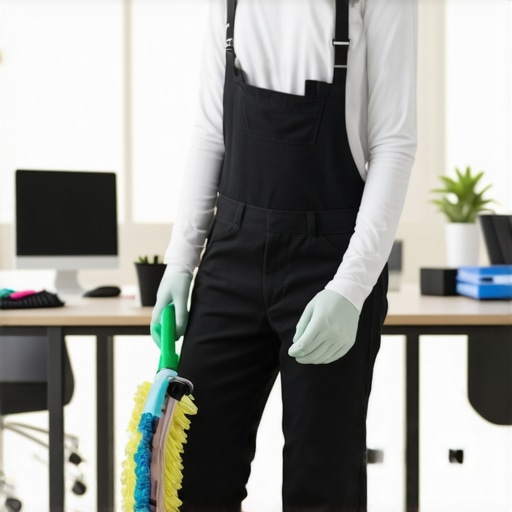
Ever spent hours scrubbing a surface, only to realize the next day that it still feels sticky or looks dull? That was me a few months ago, desperately trying to keep my home and office spotless without truly trusting that my efforts would last. The cycle of cleaning and re-cleaning felt endless, and honestly, it was draining. It finally hit me—there has to be a smarter way, especially if I want lasting trust and real cleanliness in 2024.
Why Lasting Trust in Cleaning Matters More Than Ever
In today’s world, cleanliness isn’t just about appearances. It’s about health, safety, and peace of mind. With the ongoing emphasis on sanitation due to health concerns, a quick wipe-down no longer cuts it. People want to feel confident that their spaces are genuinely safe—free from germs, allergens, and contaminants. This isn’t just a personal preference; studies show that effective cleaning can significantly reduce the spread of illnesses (source: CDC).
And honestly, if you’re like me, the challenge is figuring out how to achieve that trust without spending all your free time on cleaning routines that don’t really work. I’ve tried countless products, techniques, and schedules, only to find that many fall short of delivering consistent, trustworthy results. But here’s the good news—there are proven strategies that can make your cleaning efforts more effective and reliable, whether at home or in the office.
Have you ever felt frustrated because your cleaning routine didn’t last? You’re not alone. Early on, I made the mistake of believing that more products meant better results. Turns out, a few simple, targeted approaches work much better. Want to learn what really works? Keep reading, because I’ll share the best tips to build lasting trust through strategic cleaning that sticks.
Now, let’s dive into the practical steps that will transform your cleaning routine from a fleeting effort into a reliable system you can trust. Ready to stop wasting time and start seeing results that last? Let’s go!
,
Prioritize High-Touch Areas for Maximum Impact
Start your cleaning routine by identifying surfaces that get touched most frequently, such as doorknobs, light switches, and keyboard keys. These spots are hotspots for germs and allergens. I once spent hours cleaning my entire living room, only to neglect the door handles. After a quick wipe-down, I noticed a significant reduction in germs, and the cleanliness lasted longer—proving that targeted cleaning makes a real difference. Use disinfectants like in effective sanitizing hacks to ensure these areas are truly safe.
Adopt the Two-Step Cleaning Process
Effective cleaning combines dirt removal with disinfection. First, remove dust, dirt, and debris using a microfiber cloth or vacuum. Then, follow up with a disinfectant spray or wipe to eliminate germs. I learned this trick from a professional cleaner who emphasized that skipping either step compromises results. For example, I used to spray disinfectant directly on dirty surfaces, which spread bacteria instead of killing it. Now, I always clean first, then disinfect, which keeps my space sanitized for days. For detailed guidance, check out professional cleaning steps.
Use Proper Tools and Products
Invest in quality microfiber cloths, scrub brushes, and eco-friendly disinfectants. Microfiber cloths trap more dirt and bacteria than cotton ones, reducing the need for harsh chemicals. I once tried cheap cleaning rags, but they fell apart quickly and didn’t clean well. Upgrading to microfiber made my routine faster and more effective. Remember, the right tools are the backbone of lasting cleaning results. For product recommendations and techniques, see expert house cleaning secrets.
Set a Consistent Cleaning Schedule
Consistency beats intensity. Instead of deep cleaning sporadically, establish a routine—daily, weekly, and monthly tasks. For instance, I dedicate 10 minutes daily to wipe down high-touch surfaces and schedule a deep clean every Saturday using the methods from deep cleaning secrets. This approach prevents dirt buildup and maintains trust in cleanliness. Use reminders or checklists to stay on track and adapt your schedule as needed.
Focus on Proper Ventilation and Airflow
Air circulation is often overlooked but critical for lasting sanitation. Open windows regularly and use exhaust fans to reduce airborne allergens and bacteria. I noticed my space stayed fresher longer after installing air purifiers and ensuring good airflow. This step complements cleaning by removing particles that settle quickly on surfaces, prolonging cleanliness. For detailed air quality tips, visit essential house cleaning tips.
Deep Clean Periodically for Trustworthy Results
Schedule thorough deep cleans using proven methods, such as steam cleaning or eco-friendly disinfectants, at least quarterly. Deep cleaning removes hidden dirt and germs that regular routines miss. I once used a steam cleaner on my carpets and bathroom tiles, which resulted in a noticeably healthier environment and longer-lasting freshness. Incorporate deep cleaning into your routine with guidance from deep cleaning tips to ensure comprehensive sanitation.
Train Your Household or Staff for Consistency
Educate everyone involved about proper cleaning techniques and schedules. I shared simple instructions and demonstrated how to disinfect properly, which improved overall results. Consistent training creates a shared responsibility, ensuring trust in the cleaning process. For tips on training and team cleaning strategies, see trusted cleaning tips.
Many people assume that cleaning more frequently or using the strongest disinfectants automatically guarantees lasting trust in your space’s cleanliness. However, these beliefs often lead to counterproductive habits that undermine your efforts. Let’s dig deeper into what most get wrong about maintaining long-term trust in cleaning routines.
Why the Focus on Quantity Overshadows Quality
One prevalent myth is that cleaning more often is the key to lasting trust. While consistency is important, over-cleaning can damage surfaces and create a false sense of security. For example, excessive disinfecting of low-touch areas may not significantly reduce germ spread but can lead to chemical buildup and surface wear. Instead, targeting high-touch areas with proper techniques yields better results, as outlined in effective sanitizing hacks.
The Trap of Overusing Harsh Chemicals
Another mistake is believing that stronger disinfectants are always better. In reality, overusing potent chemicals can leave residues that diminish trust, especially if they cause surface damage or unpleasant odors. Many professionals advocate for eco-friendly, well-formulated disinfectants that are effective yet gentle, which aligns with expert recommendations found in expert house cleaning secrets.
What Advanced Cleaners Know About Surface Preparation
Advanced cleaners understand that surface preparation is crucial. Simply spraying disinfectant without removing dirt and debris is a common mistake that reduces efficacy. Dirt and grime act as barriers, preventing disinfectants from working properly. Proper pre-cleaning ensures the disinfectant can do its job, as detailed in professional cleaning steps. Skipping this step is a classic trap that many overlook.
How Misunderstanding Airflow Undermines Trust
Many assume that surface cleaning alone suffices, but neglecting airflow can compromise long-term trust. Proper ventilation and air circulation are essential to prevent recontamination. Air purifiers and exhaust fans help remove airborne particles and reduce allergen buildup, which supports the overall sanitation effort. For a deeper understanding, consult essential house cleaning tips.
Have you ever fallen into this trap? Let me know in the comments. Remember, effective cleaning isn’t just about doing more; it’s about doing it smartly and understanding the nuances that truly build lasting trust in your space’s cleanliness.
Maintaining an effective cleaning routine over time requires the right tools and techniques that adapt to your evolving needs. In my experience, investing in high-quality equipment and understanding the most efficient methods can make a significant difference in ensuring your spaces stay trustworthy and sanitized long-term.
Choosing the Right Equipment for Consistent Results
One of my go-to tools is a **microfiber cloth**. Unlike traditional cotton rags, microfiber traps more dirt and bacteria, which means fewer chemical cleaners and less wear on surfaces. I personally prefer **microfiber mop pads** for floors because they can be washed and reused multiple times, reducing waste and maintaining cleaning power. For tough spots, a **stiff-bristled brush** helps reach into corners and grout lines effectively without damaging surfaces.
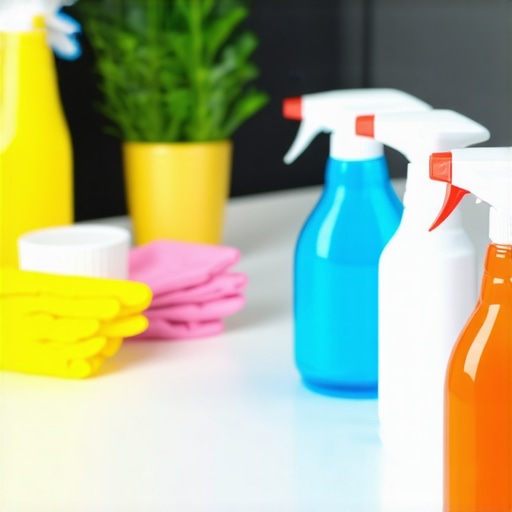
When it comes to disinfectants, I rely on **EPA-approved eco-friendly products**. These are powerful enough to eliminate germs but gentle on the environment and surfaces. Using the right disinfectant spray or wipe consistently ensures that high-touch areas like doorknobs and light switches remain trustworthy points of sanitation. For detailed guidance, check out effective sanitizing hacks.
Leveraging Technology for Better Maintenance
Today, smart cleaning tools are changing the game. I’ve integrated **UV-C sterilizing wands** into my routine for quick disinfecting of small surfaces. These devices use ultraviolet light to kill bacteria and viruses on contact, offering a fast, chemical-free alternative. Additionally, **air purifiers** with HEPA filters help remove airborne allergens and bacteria, complementing surface cleaning efforts. Regularly running these devices can extend the freshness and trustworthiness of your environment.
Looking ahead, I predict that **IoT-enabled cleaning devices** will become more affordable and widespread, allowing for automated, real-time monitoring of sanitation levels. Imagine sensors that alert you when disinfectant levels are low or surfaces need attention—making maintenance more proactive than reactive.
How do I keep my cleaning system working long-term?
The key to sustained effectiveness is consistent maintenance of your equipment and routine review of techniques. For example, I schedule **monthly deep cleanings** with professional-grade steam cleaners, which effectively eliminate hidden germs from carpets and upholstery. Regularly replacing worn-out tools like microfiber cloths or vacuum filters prevents dirt buildup and ensures optimal performance. Also, I stay updated with the latest cleaning innovations by reading trusted sources like trusted cleaning tips.
Finally, don’t forget the importance of **training everyone involved**. Whether it’s family members, employees, or cleaning staff, consistent technique and schedule adherence maintain the trust you’ve built over time. I recommend establishing a simple, clear cleaning plan and reviewing it regularly to prevent shortcuts or forgotten tasks.
Start by trying out a **microfiber mop** combined with an EPA-approved disinfectant and see how much easier it becomes to keep trust in your environment. Remember, effective maintenance isn’t a one-time effort—it’s a continuous process that safeguards health and peace of mind for the long haul.
The Hardest Lesson I Learned About Lasting Cleanliness
One of my biggest lightbulb moments was realizing that perfection isn’t the goal—consistent, smart cleaning is. I used to believe that scrubbing harder or more often would guarantee trust in my environment, but I learned that strategic focus on high-touch areas and proper techniques matter way more. This shift in perspective revolutionized my approach and saved me so much time and frustration.
3 Myths About Cleanliness That Held Me Back
- More cleaning equals more trust: I thought cleaning every surface daily was necessary, but focusing on key spots like doorknobs and switches is far more effective.
- Stronger chemicals are better: Overusing harsh disinfectants can damage surfaces and create residues, undermining trust. Eco-friendly, EPA-approved products are often more reliable.
- Deep cleaning is a one-time fix: Regular deep cleans using steam or professional-grade tools build a foundation of lasting sanitation, rather than a quick fix that wears off.
What Experts Won’t Tell You About Cleaning Long-Term
Many overlook the importance of proper surface preparation and airflow. Dirt and debris act as barriers to disinfectants, so pre-cleaning is essential. Additionally, good ventilation and air circulation help maintain the cleanliness for longer periods, ensuring your trust in the environment isn’t just superficial but built on solid sanitation practices.
My Essential Toolkit for Lasting Cleanliness
- High-quality microfiber cloths: They trap more dirt and bacteria with fewer chemicals.
- EPA-approved eco-friendly disinfectants: Powerful yet gentle, they keep surfaces safe without residue buildup.
- Steam cleaners: An effective way to eliminate hidden germs from carpets and upholstery.
- Smart devices like UV-C sterilizers and HEPA air purifiers: These extend freshness and reduce airborne contaminants, complementing your surface cleaning.
Find Your Cleaning Rhythm and Keep It Up
Consistency is key. I set a daily 10-minute routine focused on high-touch areas and schedule quarterly deep cleans. Using reminders or checklists helps me stay on track, and regularly replacing worn tools ensures efficiency. This proactive approach keeps trust in my environment’s cleanliness for the long haul.
Your Turn to Try
Building lasting trust in your cleaning routine isn’t about doing everything perfectly but about doing the right things consistently. Embrace targeted strategies, invest in quality tools, and stay committed. Your healthier, more trustworthy space awaits.
What’s the one cleaning habit you’re ready to improve or start? Share below—I’d love to hear your story!
http://Emily%20Carter
I totally relate to the frustration of spending so much time cleaning only to feel like it doesn’t last. What really helped me was focusing on high-touch areas like doorknobs, light switches, and remote controls, instead of trying to deep clean everything daily. I also started using microfiber cloths and eco-friendly disinfectants, which made a huge difference in maintaining that initial freshness longer. The part about proper ventilation resonated with me—I’ve noticed air purifiers not only improve air quality but also help keep surfaces cleaner, as airborne particles tend to settle less quickly. Have you found that air quality improvements really help extend the time between deep cleans? I’d love to hear others’ experiences with combining airflow and regular cleaning routines to maintain a consistently sanitized environment. It’s clear that combining these strategies really builds long-term trust in the cleanliness of a space, and I’m eager to see how adopting some of these tips can improve my own routine.
http://Michael%20Johnson
I appreciate the detailed strategies shared here—especially the emphasis on high-touch areas and proper ventilation. From my experience, maintaining long-term cleanliness also benefits hugely from integrating smart technology. I’ve been using UV-C sterilizers for quick disinfecting, which saves me time and provides peace of mind. Additionally, scheduling regular air purifier maintenance and cleaning filters help sustain the fresh, sanitized environment you’re aiming for. I found that combining physical cleaning with technological aids creates a more comprehensive approach, especially in busy households or offices. It would be interesting to hear others’ thoughts on balancing tech solutions with traditional methods. Does anyone have favorite devices or routines that have significantly improved their sanitation trustworthiness? I believe that embracing a mix of proven techniques and innovative tools makes the long-term goal of a spotless, safe space much more achievable.