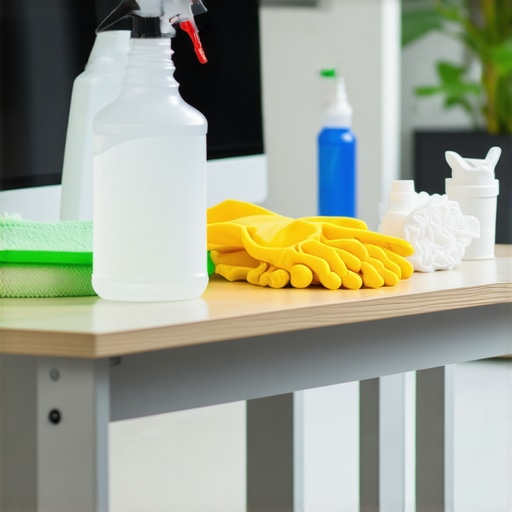
Have you ever walked into your office space, only to feel that unsettling layer of dust and germs lingering in the air? I remember the moment I realized my cleaning routine was missing something crucial. It was a regular Monday, and despite spraying disinfectants and wiping surfaces, the same persistent grime and invisible threats remained, making me worry about the safety of my team. That lightbulb moment hit hard — I needed a smarter, more reliable approach to office sanitizing, especially as we head into 2024, where health standards are more important than ever.
Why Reliable Office Sanitizing Matters Now More Than Ever
In today’s world, maintaining a clean and safe workspace isn’t just about appearances. It’s about trust. Employees need to feel secure, knowing their environment is free from harmful pathogens. According to the CDC, proper cleaning and disinfecting can significantly reduce the spread of infectious diseases in shared spaces. Yet, many traditional methods fall short, leaving invisible dangers behind. This is why honing your sanitizing strategies is essential — not only for health but for your reputation as a responsible business owner.
If you’ve faced the frustration of ineffective cleaning, you’re not alone. Early in my journey, I made the mistake of relying solely on generic disinfectants without understanding the importance of proper application and timing. It’s a common pitfall that can compromise your efforts. The good news? There are proven methods that deliver consistent, trustworthy results. Today, I want to share the core strategies that transformed my approach and can do the same for you. For a comprehensive look, check out office sanitizing strategies for secure results in 2024.
Is Overhyped Sanitizing Tech Worth the Hype?
One of my biggest doubts was whether new, high-tech sanitizing gadgets really made a difference. I remember investing in a UV light sterilizer that promised quick results. Initially, I was skeptical — was this just a shiny gadget with little real impact? I learned the hard way that not all tools are created equal. The key is understanding which techniques genuinely improve safety and which are just marketing hype. To avoid this mistake, I started focusing on evidence-backed methods and trusted expert advice, like the insights found at effective office cleaning and sanitizing strategies.
In the next sections, I’ll walk you through the practical steps to upgrade your sanitizing game for 2024. Ready to ensure your office is not only clean but truly safe? Let’s dive into the strategies that will give you peace of mind and a healthier workspace.
Set Up Your Sanitizing Arsenal
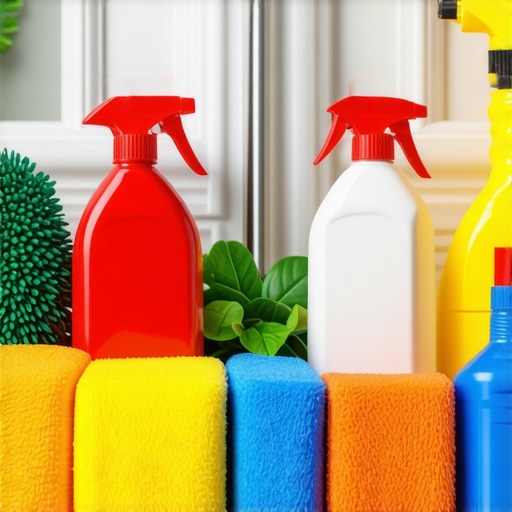
The first step is choosing the right tools and disinfectants. Think of it like assembling a sports team—you need players suited for specific roles. Use EPA-approved disinfectants tailored for office environments, and invest in microfiber cloths and sprayers that ensure even application. I remember the time I tried just using paper towels—result was streaks and missed spots. Upgrading to microfiber and proper sprayers made a tangible difference in coverage and efficacy.
Establish a Consistent Cleaning Schedule
Consistency is key. Create a timetable that aligns with your office hours—ideally, disinfect high-touch surfaces multiple times daily. Use a checklist to track tasks, ensuring nothing gets overlooked. I once attempted a sporadic cleaning routine, which left gaps in safety. Once I adopted a daily schedule, the air felt cleaner, and staff confidence soared.
Follow Proper Application Techniques
Applying disinfectants correctly maximizes their effectiveness. Spray surfaces until they are visibly wet—not just a light mist. Let disinfectants sit for the recommended contact time—usually 1-10 minutes—before wiping or allowing to air dry. This is like marinating meat; the longer the contact, the better the results. I once rushed through disinfecting, only to see germs linger. A simple adjustment to the contact time improved safety noticeably.
Prioritize High-Touch Areas
Identify and focus on surfaces touched frequently—doorknobs, keyboards, light switches. Use color-coded cloths or dedicated cleaning tools for different areas to prevent cross-contamination. I learned this the hard way when I used the same cloth on the bathroom and desk. Segregating tools made a big difference in maintaining hygiene integrity.
Leverage Technology Wisely
High-tech gadgets like UV sterilizers can be useful, but only when used properly. Remember, UV light is like a spotlight—effective only in direct line of sight and with proper exposure time. Don’t rely solely on gadgets; combine them with manual cleaning. I once relied too much on UV devices, only to realize some surfaces weren’t getting enough exposure. Combining manual and tech methods yielded the best results.
Train Your Team Effectively
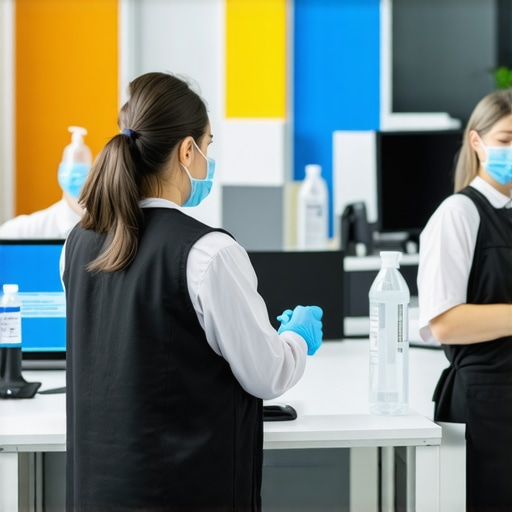
Educate staff on proper disinfecting protocols. Show them how to apply disinfectants, the importance of contact time, and safe handling procedures. Think of it as coaching—your team needs to be skilled to perform reliably. I held quick training sessions, which drastically improved the quality and consistency of office sanitizing.
Monitor and Adapt Your Strategy
Regularly evaluate your cleaning effectiveness—ask staff for feedback, conduct surface swab tests, or review cleaning logs. This is like tuning a musical instrument; small adjustments can lead to harmony. I discovered certain high-touch spots needed more frequent attention after tracking germ presence, allowing me to refine my schedule.
By implementing these concrete steps, you turn office sanitizing into a reliable process that safeguards your team. For more detailed insights, explore top sanitizing methods to protect your workspace.
Many professionals believe they master office sanitizing, but in reality, several misconceptions can sabotage your efforts. Let’s dig deeper into the nuances that often go unnoticed and differentiate between myth and fact. One widespread belief is that using the strongest disinfectant guarantees safety. However, the reality is that efficacy depends on correct application and contact time, not just potency. For instance, EPA-approved disinfectants are formulated to be effective when used properly, as explained in this detailed guide. Overlooking this can lead to a false sense of security and incomplete sanitation.
Another common mistake is neglecting high-touch surfaces during routine cleaning. Many assume that general wiping suffices, but specific attention must be paid to doorknobs, keyboards, and light switches, as these are primary vectors for germs. Using color-coded cloths or dedicated tools for different areas can prevent cross-contamination, a nuance that many miss. For advanced practitioners, integrating surface swab tests can reveal overlooked germ reservoirs, ensuring your strategies are truly effective. Learn more about this approach in this resource.
Is UV Light a Reliable Office Sanitizer or Just a Gimmick?
Many believe UV sterilizers are a silver bullet for office cleaning. While UV-C light can kill certain pathogens, its effectiveness hinges on correct exposure—direct line of sight, adequate duration, and proper distance are critical. Relying solely on UV devices without manual cleaning can leave hidden areas untreated, which is a trap many fall into. A 2019 study published in the Journal of Hospital Infection confirms that UV devices are most effective as adjuncts, not replacements for thorough manual disinfection. Combining UV tech with established protocols maximizes safety and minimizes risks.
Understanding these nuances ensures your sanitizing efforts are not just routine but truly reliable. Remember, mistakes like underestimating application techniques or overlooking high-touch areas can undermine your entire strategy. For comprehensive insights, explore this expert guide. Have you ever fallen into this trap? Let me know in the comments!
How do I keep my sanitizing tools working effectively over time?
Maintaining your sanitizing arsenal is crucial for consistent, trustworthy results. Personally, I swear by investing in high-quality microfiber cloths, which are durable and reusable, making them both cost-effective and environmentally friendly. These cloths trap germs better than traditional towels and can be laundered repeatedly without losing their efficacy. For disinfectant application, I recommend using professional-grade spray bottles with adjustable nozzles—these allow precise coverage and reduce waste. Regularly inspecting and replacing worn-out tools prevents cross-contamination and ensures your cleaning routines stay effective.
Additionally, keep a dedicated cleaning schedule for your equipment. This includes disinfecting spray bottles and microfiber cloths after each use. I find that labeling tools for specific areas (high-touch surfaces versus general areas) minimizes cross-contamination risks. For larger equipment like UV sterilizers or foggers, routine calibration and maintenance are essential. Refer to manufacturer instructions for routine checks, and schedule professional servicing when necessary. This proactive approach extends the lifespan of your tools and keeps them performing at peak efficiency.
Embrace Technology to Stay Ahead
In the future, I predict a rise in smart sanitizing devices that integrate IoT technology to monitor usage and efficacy. For example, some UV sterilizers now come with sensors that adjust exposure time based on surface reflectivity and contamination levels. Incorporating such devices into your routine can drastically improve consistency. However, even with advanced tech, manual techniques remain vital—nothing replaces thorough cleaning of visible dirt and grime before disinfection. For an in-depth look at innovative office cleaning methods, check out this resource.
What’s the best way to keep your tools effective long-term?
Regular training for your team ensures everyone understands proper tool usage and maintenance. I conduct periodic workshops on disinfectant application, emphasizing contact times and coverage. Educating staff about the importance of tools’ upkeep—like cleaning spray nozzles and replacing worn microfiber cloths—prevents complacency and maintains high standards. Ultimately, adopting a proactive maintenance mindset guarantees your sanitizing efforts remain reliable, safe, and effective for the long haul. For more insights on maintaining trust through effective cleaning, visit this detailed guide.
Remember, the key to long-term success is consistency and regular check-ups. Try setting up a monthly maintenance checklist for your tools—it’s a small investment of time that pays off by ensuring your sanitization process doesn’t falter. Would you like to see a step-by-step guide on deep cleaning your tools? Check out this comprehensive resource to get started today!
The Hardest Lesson I Learned About Sanitizing
Early on, I believed that simply spraying disinfectant was enough. I quickly realized that without proper technique and tools, germs could still hide in corners or on frequently touched surfaces. The biggest lightbulb moment was understanding that effective sanitizing requires consistency, attention to detail, and the right application methods. This lesson taught me that shortcuts compromise safety, and thoroughness is key to building trust in your workspace.
What I Wish I Knew About Tech and Tools
I was initially swayed by shiny new gadgets like UV sterilizers, thinking they could replace manual cleaning. It turned out that these tools are most effective when used as supplements, not substitutes. Proper training on their use, combined with traditional methods, creates a robust sanitizing routine. Trusted resources like this guide helped me see the full picture and avoid costly mistakes.
How I Turned Routine Into Confidence
By developing a detailed checklist, training my team regularly, and maintaining our tools, I created a sanitation process that I trust implicitly. Regular monitoring, like surface swabs, revealed gaps and helped us refine our approach. Now, our office feels safer, and employees have confidence in our cleaning efforts. Achieving this level of trust is a continuous journey, but the payoff is well worth it—peace of mind and healthier spaces.
Curated Resources to Elevate Your Sanitizing Game
- EPA-Approved Disinfectants: Always choose EPA-approved products to ensure efficacy and safety. They are formulated to work well in office environments and provide peace of mind.
- Microfiber Cleaning Cloths: Reusable, durable, and highly effective at trapping germs without chemicals, microfiber cloths are a game-changer for reliable cleaning.
- Surface Swab Testing Kits: These allow you to verify the cleanliness of high-touch areas and ensure your strategies are truly effective.
- Expert Guides and Blogs: Dive into trusted resources like this comprehensive guide for ongoing tips and updates.
Seize the Moment to Lead with Confidence
The future of office sanitizing in 2024 depends on your willingness to embrace proven methods, invest in quality tools, and train your team effectively. Remember, consistency and attention to detail turn routine cleaning into a trusted shield against germs. Now is the time to elevate your sanitizing game and show your team you prioritize their health and safety. Are you ready to implement these strategies and make your workspace truly trustworthy? Let me know your biggest challenge below, and let’s tackle it together!
http://Rachel%20Montgomery
Reading this post really resonated with my own journey into office sanitizing. I used to think that spraying disinfectant was enough, but I quickly saw that without a proper routine and the right tools, germs still found their way around. Implementing a consistent schedule and training my team on application techniques made a huge difference—especially paying attention to high-touch areas with color-coded cloths. I’m curious, has anyone here tried integrating surface swab tests to verify cleanliness? I’ve considered it but wonder if it’s worth the extra effort for small to medium-sized offices. Also, I agree that tech like UV sterilizers can be helpful, but they shouldn’t replace manual cleaning. Combining the two seems to be the best approach. Would love to hear others’ experiences with balancing manual and tech methods for reliable results.