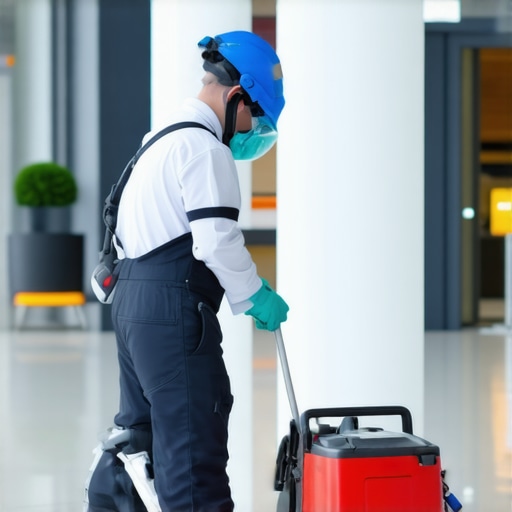
I remember the exact moment I realized that my once-pristine home had become a breeding ground for unseen germs. It was after a nasty flu season, and despite my usual cleaning routine, I still felt uneasy about whether I had truly eradicated the hidden threats lurking in every corner. That lightbulb moment pushed me to dig deeper into effective cleaning and sanitizing strategies, and what I discovered changed everything.
Why Deep Cleaning & Sanitizing Matter More Than Ever
In today’s world, the importance of thorough cleaning and sanitizing cannot be overstated. With the rise of new strains of viruses and bacteria, a surface that looks clean isn’t necessarily safe. Regular cleaning might remove visible dirt, but it often misses the microscopic contaminants that can cause illness. According to the CDC, proper sanitization significantly reduces the risk of infection and promotes healthier environments. This is especially crucial for homes, offices, and shared spaces where germs can spread rapidly.
Have You Faced This Problem?
If you’ve ever wondered whether your cleaning efforts are enough or if you’re just going through the motions, you’re not alone. I used to think that wiping down surfaces was enough—until I learned that deep cleaning and proper sanitizing are essential for genuine protection. Skipping this step can leave behind harmful pathogens, making your space less safe for everyone. To truly trust your cleaning routine, it’s vital to understand and implement effective strategies that target germs at their core.
Is Deep Cleaning & Sanitizing Actually Worth the Hype?
Early in my cleaning journey, I made the mistake of relying solely on generic disinfectants without understanding the importance of technique and timing. I thought that a quick wipe was sufficient. It wasn’t until I researched professional methods and learned about the benefits of deep cleaning that I realized how much more effective it can be. Deep cleaning involves targeted, detailed processes that reach hidden spots and use specialized products to eliminate microbes thoroughly. For more insights on mastering this, check out my guide on deep cleaning and sanitizing tips for trusted results in 2024.
In the sections ahead, I’ll walk you through proven strategies that professionals trust—methods that can transform your cleaning routine from superficial to truly effective. Whether it’s a quick refresh or a full-scale deep clean, understanding the right techniques ensures you’re not just cleaning but sanitizing for health and safety. Let’s dive into how to start building a cleaning routine that you can confidently trust every time.
,
Start with a Detailed Inspection and Planning
Before grabbing your cleaning supplies, walk through your space and identify the most critical areas prone to germs, like kitchen counters, bathroom fixtures, and high-touch surfaces. This step is like creating a blueprint for your deep clean—knowing exactly where to focus ensures no spot gets overlooked. I once tackled a stubborn bathroom grout stain, and by inspecting closely first, I realized I needed a specialized cleaner and a scrubbing brush, which made all the difference.
Gather the Right Tools and Products
Use professional-grade equipment when possible—microfiber cloths, scrub brushes, and steam cleaners are game-changers. Pair these with EPA-approved disinfectants and sanitizers, such as diluted bleach solutions or commercial products proven effective against viruses and bacteria. For surfaces with heavy grime or microbial buildup, a steam cleaner can penetrate deep into crevices, much like a high-powered jet cleaning out a clogged drain. Check out this guide for product recommendations.
Perform a Top-Down Approach
Think of your cleaning process like peeling an onion from the outside inward. Start high with ceiling fans, light fixtures, and shelves—dust and particles fall downward. Then move to walls and windows, followed by furniture and appliances. Save the floors for last, using a vacuum with HEPA filters or a steam mop to trap airborne microbes. I remember once doing a quick floor wipe first, only to realize later I had spread dirt and germs from higher surfaces onto the clean floor. Changing the order made my results much more trustworthy.
Focus on High-Touch and Hidden Areas
Germs love hiding in places like door handles, light switches, and electronic device buttons. Use disinfectant wipes or spray these areas thoroughly. For hidden spots, like behind appliances or inside vents, a microfiber cloth attached to a flexible tool can reach easily. I once cleaned behind my refrigerator and discovered mold buildup, which I eradicated with a proper disinfectant, instantly improving both safety and air quality. Regularly rotating your focus areas ensures comprehensive sanitation.
Apply Proper Sanitizing Techniques
Effective sanitization isn’t just about spraying disinfectant; it’s about contact time. Follow the product label instructions—most require a specific amount of time to kill pathogens. For example, a bleach solution needs at least 1 minute of contact, while some commercial disinfectants specify 10 minutes. Think of it as giving the product enough ‘sleep time’ to do its job. I once hurried through spraying a surface and didn’t see the full germ-killing effect; after adjusting my process, my home felt noticeably safer.
Allow Proper Drying Time
After applying disinfectants, let surfaces air dry or use a clean cloth to speed up the process. This ensures the chemicals work effectively, rather than being wiped away prematurely. For instance, when sanitizing kitchen counters, I leave the surface undisturbed for the recommended contact time, then wipe or let it air dry—this simple step guarantees maximum germ elimination. Remember, rushing can compromise your efforts.
Maintain Routine and Record Your Progress
Deep cleaning isn’t a one-and-done task. Schedule regular sessions, especially in high-traffic areas, to maintain a safe environment. Keep a cleaning log to track what was done and when, which helps in developing a consistent routine. I discovered that marking my calendar with cleaning days kept me accountable and made the process less overwhelming, ensuring ongoing trust in my sanitation efforts.
By following these concrete steps—inspection, tools, order, focus areas, proper technique, drying, and routine—you transform your cleaning from guesswork into a reliable shield against germs. Remember, deep cleaning is an investment in health, and mastering these methods keeps your space truly safe and sanitized.
Let’s dig deeper into some of the most common myths and pitfalls that many people fall for when it comes to deep cleaning and sanitizing. As an expert in this field, I’ve seen how misconceptions can undermine even the most diligent efforts, leading to a false sense of security or wasted time and resources. Understanding these nuances is crucial for truly effective sanitation that protects your health and your loved ones.
Myth: Using Disinfectants Once a Week Is Enough
Many believe that a weekly disinfectant spray is sufficient to keep germs at bay. In reality, the effectiveness of disinfectants depends heavily on contact time and proper application. For high-touch areas like door handles or light switches, frequent cleaning—multiple times daily—is often necessary, especially in busy households or offices. Relying on infrequent sanitization can create gaps in your defense, allowing microbes to survive and multiply. Professional protocols emphasize continuous, targeted sanitation, which can be more effective than sporadic deep cleans. For a comprehensive routine, consider following expert advice outlined in this guide.
Oops! The Hidden Trap: Overusing Bleach and Harsh Chemicals
While bleach and strong disinfectants are effective, overusing them or applying them improperly can pose health risks and damage surfaces. Excessive use can lead to chemical buildup, which may cause skin irritation or respiratory issues, and can degrade certain materials over time. Moreover, many people fail to follow the recommended contact time, reducing efficacy. An advanced mistake is assuming that more chemicals mean better sanitation, which isn’t true. Instead, use EPA-approved products as directed, and consider alternative methods like steam cleaning for sensitive areas. For a safer, effective approach, explore these sanitizing hacks.
Advanced Question: How Do I Ensure My Deep Clean Targets Hidden Microbes Effectively?
Great question. The key lies in understanding that many microbes hide in places you don’t see or think to clean, like inside vents, beneath appliances, or within grout lines. To effectively target these, professional-grade tools such as steam cleaners or UV-C light devices can be game changers. Additionally, using cleaning solutions with proven penetration abilities and maintaining a meticulous, top-down approach will help. Regularly rotating cleaning focus areas and incorporating cross-technology methods ensures you don’t miss these hidden threats. For detailed strategies, check out this in-depth guide. Remember, consistency and attention to detail are your best allies in deep cleaning.
Have you ever fallen into this trap? Let me know in the comments. Mastering these nuances will elevate your sanitation game from basic to professional-grade, giving you peace of mind and a healthier environment.
Maintaining a germ-free home or workspace over time requires more than just sporadic deep cleaning; it demands a strategic approach with reliable tools that deliver consistent results. One of my personal favorites is the **Vapamore MR-100 Primo Steam Cleaner**. I chose this because it combines high-temperature steam with adjustable pressure, allowing me to sanitize surfaces deeply without chemical residues. Steam cleaning is especially effective on grout lines, upholstery, and vents, where microbes tend to hide. For example, after using the steam cleaner on my kitchen tiles, I noticed a significant reduction in mold and bacteria, making my environment safer. 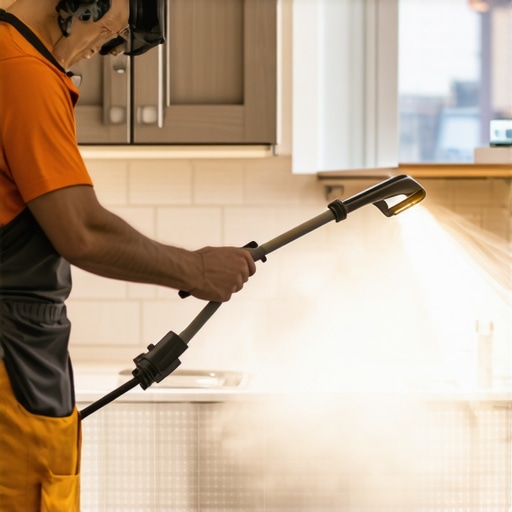
The Hardest Lesson I Learned About Deep Cleaning and Sanitizing
One of the most valuable lessons I’ve discovered is that superficial cleaning isn’t enough in today’s health-conscious world. I used to believe that quick wipe-downs kept my home safe, but I soon realized that without a detailed, methodical approach, harmful germs could still lurk in unseen places. The moment I prioritized thorough inspection and dedicated time to high-touch and hidden areas, my home transformed into a much safer space. This taught me that deep cleaning is less about effort and more about strategy and attention to detail.
3 Myths About Sanitizing That Held Me Back
For years, I believed that using disinfectants once a week was sufficient to keep my environment safe. It’s a common misconception that sporadic cleaning is enough, but experts emphasize regular, targeted sanitization, especially on high-touch surfaces. Another myth was that harsh chemicals like bleach are always the best choice; I’ve learned that overuse can be damaging and that alternatives like steam cleaning can be just as effective. Lastly, I used to think that cleaning from the bottom up was best, but a top-down approach ensures that dust and germs don’t resettle after cleaning.
What Experts Won’t Tell You About Targeting Hidden Microbes
Many overlook the importance of specialized tools like steam cleaners or UV-C light devices, which penetrate deep into crevices where microbes hide. Regularly rotating focus areas and understanding that microbes can reside inside vents, grout lines, and behind appliances is crucial. I discovered that consistency in using these focused techniques significantly reduces unseen threats, ensuring a truly sanitized environment. Trusting in professional-grade tools and techniques, coupled with routine, makes all the difference in maintaining health and safety.

http://Sara%20Mitchell
This article really hits home for me. After dealing with a tough flu season last year, I realized that surface cleaning alone just isn’t enough. I started incorporating more detailed strategies like inspecting hidden spots and focusing on high-touch areas with steam cleaners, which made a noticeable difference in how safe and clean my home feels. I think many people underestimate how much microbes can hide behind appliances or inside vents until they do a thorough deep clean. What tools or techniques have others found most effective for reaching those tricky, hidden microbes? I’ve found that investing in a good steam cleaner and creating a routine inspection schedule has been a game-changer for maintaining a truly sanitized environment. Curious to know if anyone has tips on specific products or methods that help target these unseen risks more efficiently.
http://Amanda%20Hughes
This post really resonates with me, especially the emphasis on inspecting hidden spots and the importance of proper tools for deep cleaning. I’ve learned over the years that cleaning the surface is just not enough, especially in high-traffic households or shared spaces. Personally, I’ve found that steam cleaning has been incredibly effective at penetrating deep into grout lines, vents, and behind appliances where microbes love to hide. I started using a portable steam cleaner last year, and the difference in air quality and cleanliness has been significant. My only challenge now is figuring out how often I should target those hidden areas without feeling overwhelmed. Does anyone have advice on creating an effective but manageable deep cleaning schedule that balances routine and thoroughness? Would love to hear others’ strategies for maintaining a consistently sanitized environment without burning out.