I remember the moment vividly — I had just finished cleaning my living room, only to realize that no matter how much I scrubbed, the stubborn grime remained, and my space still didn’t feel truly clean or safe. That lightbulb moment hit me hard: cleaning isn’t just about appearance; it’s about trust, health, and peace of mind. If you’ve ever felt the frustration of putting in effort only to see minimal results, you’re not alone. Many homeowners struggle with maintaining a spotless, sanitized home that genuinely feels safe and trustworthy.
Why House Cleaning & Sanitizing Matter More Than Ever in 2024
In today’s world, where health concerns are at the forefront, effective cleaning and sanitizing have become essential. A clean home isn’t just about aesthetics; it’s a safeguard for your family’s health. According to the CDC, proper sanitation can significantly reduce the spread of germs and allergens, which is crucial for maintaining a healthy environment. Yet, many people still wonder: are the latest cleaning tips actually effective? Or are they just marketing hype?
That’s exactly the question I asked myself early on. I made the mistake of thinking that a quick surface wipe was enough — only to realize that true trust in your cleaning routine requires more deliberate, proven methods. Today, I want to share what I’ve learned along the way, so you can avoid those common pitfalls and establish a cleaning routine that truly builds lasting trust with your space.
Have You Faced This Problem?
If you’ve ever felt unsure whether your cleaning routine is enough to protect your loved ones or if you’re just wasting time and resources, then this guide is for you. We’ll explore practical, science-backed tips for house cleaning and sanitizing that deliver real results — results you can trust. Ready to transform your cleaning approach and create a space that inspires confidence? Let’s dive into the essentials.
Start with a Clear Plan
Before diving into cleaning, set a detailed plan. Break your space into zones—kitchen, bathroom, living room—and prioritize high-touch areas like doorknobs and light switches. Use a checklist to ensure nothing is overlooked. I once tried to clean my entire house at once, but I got overwhelmed. Instead, I divided my home into sections, scheduled specific days for each, and saw more consistent, trustworthy results.
Gather the Right Tools and Supplies
Invest in high-quality cleaning tools—microfiber cloths, microfiber mops, scrubbing brushes—and EPA-approved disinfectants. Avoid mixing chemicals; stick to one disinfectant per session to prevent chemical reactions. I learned this the hard way when mixing bleach and ammonia, which created toxic fumes. Using the right products ensures effective sanitizing that builds trust in your cleaning routine.
Deep Clean and Sanitize Strategically
Step 1: Declutter First
Remove unnecessary items from surfaces to allow thorough cleaning. This makes disinfectants more effective and speeds up the process.
Step 2: Clean from Top to Bottom
Start with ceiling fans, light fixtures, and high shelves. Then wipe down walls, furniture, and finally floors. This prevents recontamination and ensures a comprehensive clean. I once skipped this order, only to see dust fall onto freshly cleaned surfaces, making me doubt my process.
Step 3: Use Proper Techniques
Apply disinfectant with a microfiber cloth, letting it sit for at least 1 minute to kill germs effectively. For floors, use a mop dampened with a disinfectant solution, avoiding excess water that can spread dirt. Remember, contact time matters—short application won’t sanitize properly.
Target High-Risk Areas
Focus on frequently touched surfaces—light switches, remote controls, countertops—using proven sanitizing hacks. For example, I spray disinfectant on remote controls and door handles daily, which drastically reduces germ spread and boosts trust in my home’s safety.
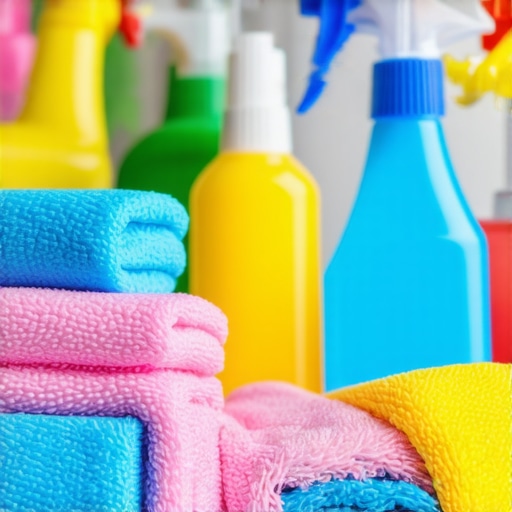
Visualize high-touch surface sanitizing with a professional spray bottle and microfiber cloth, emphasizing thorough coverage and contact time.
Maintain with Routine Cleaning and Validation
Create a weekly schedule for routine cleaning, and every month, do a deep clean of hidden spots like behind appliances or under furniture. Use testing kits or surface swabs periodically to verify cleaning effectiveness, giving you data-backed confidence. I tested my bathroom surfaces and noticed improvements in cleanliness, reinforcing my trust in regular routines.
Stay Informed on the Latest Techniques
Follow trusted sources for updates, such as industry leaders or professional cleaning services, to incorporate proven innovations. This ongoing learning ensures your methods stay effective and trustworthy.
Many homeowners operate under common misconceptions about cleaning and sanitizing, but these myths can undermine your efforts and erode trust in your space’s safety. Let’s dig deeper into some of these nuanced pitfalls that even seasoned cleaners often overlook.
Why the ‘More Is Better’ Myth Backfires
It’s tempting to think that using more cleaning products or scrubbing harder guarantees a cleaner home. However, overusing disinfectants can lead to chemical buildup, creating health risks and reducing the effectiveness of sanitizers over time. Experts, like those from the CDC, emphasize that proper contact time and correct dilution are critical for disinfectants to work effectively. An overzealous approach can also damage surfaces, causing more harm than good, and ultimately diminish your confidence in the cleaning process. Instead, focus on using the right amount of product and following manufacturer instructions for optimal results.
Common Mistakes in Sanitizing High-Touch Areas
Many people neglect the importance of contact time, assuming a quick spray is enough. In reality, disinfectants need to sit on surfaces for a specified duration—often at least one minute—to effectively kill germs. Rushing through this step can give a false sense of security. Additionally, using the wrong type of disinfectant for specific surfaces can reduce efficacy or cause damage. For example, some disinfectants are not suitable for electronics, which require special cleaning protocols. To build trust, always verify that your cleaning agents are EPA-approved and appropriate for your surfaces.
The Hidden Nuance: Surface Material and Cleaning Compatibility
One often overlooked aspect is how different materials respond to cleaning agents. For instance, hardwood floors and marble countertops require gentle, pH-neutral cleaners, while ceramic tiles tolerate stronger disinfectants. Using harsh chemicals on delicate surfaces can lead to discoloration or degradation, prompting doubt about the reliability of your routine. Advanced cleaners tailored for specific materials can prevent this, ensuring your efforts are effective and trustworthy. Want to ensure your cleaning methods are compatible? Check out essential tips for a spotless home.
Are You Falling for the All-Purpose Cleaner Trap?
While all-purpose cleaners are convenient, relying solely on them can leave behind bacteria and allergens, especially in high-touch zones. These cleaners often lack the necessary disinfecting power to eliminate pathogens effectively. Professional-grade disinfectants are formulated to meet stringent health standards, making them a smarter choice for building trust in your home’s safety. Remember, a combination of cleaning and proper sanitizing is key—don’t fall into the trap of over-relying on one solution. For advanced strategies, explore top sanitizing methods for your space.
Have you ever fallen into this trap? Let me know in the comments. Mastering these nuances can elevate your cleaning routine from merely superficial to genuinely trustworthy, safeguarding your loved ones and peace of mind.
How Do I Maintain Effective House Cleaning Tools Over Time?
Proper maintenance of your cleaning tools is crucial for ensuring they perform optimally and extend their lifespan. I personally recommend regularly inspecting microfiber cloths for tears and replacing them when worn out, as their effectiveness diminishes with use. Additionally, cleaning your microfiber mops after each use with hot water and a mild detergent prevents bacteria buildup and keeps them ready for the next cleaning session. For disinfectant spray bottles, I suggest using a vinegar solution monthly to descale and prevent clogging, ensuring a consistent spray pattern.
Investing in high-quality tools like a cordless steam cleaner can make deep cleaning more efficient, especially for tiles and sealed hardwood floors. I find that maintaining the steam cleaner’s water reservoir and replacing filters as recommended by the manufacturer prevents malfunctions and maintains cleaning power. Also, regularly replacing worn-out brushes or scrubbers helps in removing stubborn grime without damaging surfaces.
What About Software and Scheduling Tools?
Beyond physical tools, I rely on digital solutions to keep my cleaning routine organized and consistent. Apps like Todoist or specialized cleaning schedules help me set reminders for routine tasks and deep cleans, ensuring nothing gets overlooked. These tools often offer customizable notifications, so I get prompted to sanitize high-touch areas frequently, maintaining long-term trust in my home’s cleanliness. In the future, I predict that AI-driven cleaning management apps will become more prevalent, offering tailored schedules based on your home size and usage patterns.
Scaling Your Cleaning Routine
As your household grows or your cleaning needs evolve, scaling your setup is vital. For larger homes, investing in robotic vacuums with mapping technology can significantly reduce daily effort. I personally use a robotic mop that integrates with my schedule, ensuring floors are always clean without manual effort. For maintaining these devices, regular software updates and sensor cleaning are essential for optimal performance.
How Do I Maintain My Cleaning Routine for Long-Term Results?
Consistency is key. Establishing a routine cleaning schedule—weekly, bi-weekly, or monthly—based on your household’s activity level ensures ongoing trust in your environment. Periodic surface testing kits can verify if your sanitizing efforts are effective, giving you confidence in your routine. Remember, even the best tools require proper care and maintenance to keep delivering trustworthy results. For detailed strategies, explore professional cleaning insights which include maintenance tips for both tools and routines. Try setting up a dedicated cleaning calendar today, and watch your home’s cleanliness and safety improve over time!
The Hardest Lesson I Learned About Building Trust Through Cleaning
One of the toughest lessons I learned was that more cleaning products and rigorous scrubbing don’t automatically mean a safer home. Overusing disinfectants can create chemical buildup and diminish their effectiveness. Trust in your routine grows when you understand the importance of proper contact time and correct application rather than just quantity.
What I Discovered About My Own Cleaning Myths
I once believed that wiping surfaces quickly was enough to eliminate germs. It wasn’t until I started paying attention to disinfectant contact times and surface compatibility that I truly saw results. This shift not only improved my home’s cleanliness but also boosted my confidence in my routines.
The Unexpected Nuance That Changed My Approach
Realizing that different materials require different cleaning agents was a game-changer. Using pH-neutral cleaners on delicate surfaces like hardwood and marble prevented damage and maintained trust in my efforts. Tailoring my cleaning approach to surface material made my routines more effective and trustworthy.
How My Perspective on All-Purpose Cleaners Evolved
I learned that relying solely on all-purpose cleaners is a mistake. They lack the disinfecting power needed for high-touch areas. Incorporating professional-grade disinfectants and understanding their proper use transformed my home into a safer space, giving me peace of mind.
The Lesson That Reinforced My Routine
Consistent testing of surfaces and verifying cleaning efficacy through simple swabs or kits reassured me that my efforts were effective. Regular maintenance of my cleaning tools also played a crucial role in sustaining a trustworthy cleaning routine.
My Essential Arsenal for Trustworthy Cleaning
My toolkit includes EPA-approved disinfectants, microfiber cloths, and a steam cleaner for deep cleaning. I trust these because they deliver consistent, reliable results without damaging surfaces. For digital organization, I use cleaning schedule apps to stay on top of routine and deep cleans.
Inspiration for Your Cleaning Journey
Trust in your house cleaning and sanitizing can be built step-by-step. Embrace the learning process, tailor your techniques, and stay updated with trusted resources. Your space’s safety and your peace of mind are worth the effort—start today and watch your confidence grow! Want to share your own cleaning insights? Let me know below!

http://Samuel%20Richards
This post really resonated with me because I used to think that simply wiping down surfaces was enough to keep my home safe. It wasn’t until I started paying closer attention to contact times and the types of disinfectants I was using that I saw real improvements in both cleanliness and peace of mind. One thing I’ve found helpful is using surface swabs to periodically test high-touch areas, which gives me tangible proof that my routines are effective. I’m curious, does anyone have recommendations on easy-to-use testing kits or methods for verifying the effectiveness of their sanitizing efforts? Sharing these insights could help those who, like me, want more confidence in their cleaning process. I also wonder how others handle balancing routine cleaning with busy schedules—sometimes consistency can be challenging but seems key to maintaining trust in our home environment.
http://Melissa%20Johnson
Reading this post really struck a chord with me, especially the part about the importance of contact time and proper tools. I used to think that just wiping surfaces quickly was sufficient, but I quickly realized that disinfectants need time to do their job effectively. What really made a difference for me was investing in surface testing kits, which provide tangible proof that my cleaning efforts are working. For anyone skeptical about the effectiveness of their routine, I highly recommend trying simple surface swabs to check germs after cleaning. It’s reassuring to see real results and boost your confidence. I’m curious—how many others here rely on testing or verification methods? Also, balancing thorough cleaning with a busy schedule is tough—any tips on streamlining routines without sacrificing quality? I’ve found that creating a detailed cleaning schedule and sticking to it helps maintain consistency and trust in my home’s safety. Building that trust in our routines is so crucial, especially with ongoing health concerns.
http://Jessica%20Lee
This post really highlights how crucial proper sanitizing techniques are, especially in high-touch areas that often get overlooked. I’ve learned that even a quick wipe isn’t enough—disinfectants need proper contact time, and using EPA-approved products makes a big difference. I’ve recently started using surface swabs to verify my cleaning results, and it’s surprisingly reassuring to see the actual microbial reduction. For those wondering about testing kits, I recommend looking into simple DIY swab tests or professional testing services that provide quick results. Have others here tried testing their sanitized surfaces? It’s a game-changer for building confidence in your routine. Balancing thorough cleaning with a busy schedule can be challenging, but I’ve found that setting specific days for deep cleans helps maintain consistency. What strategies do others use to stay on top of their routine while managing daily life? Sharing experiences can help us all develop more effective cleaning habits.