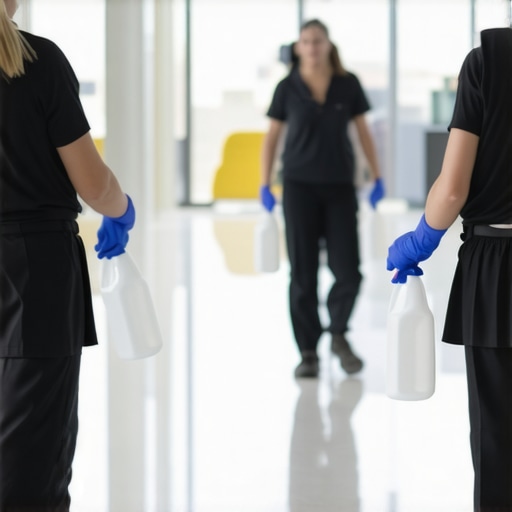
I remember the moment vividly. It was a typical busy morning at my office, and I noticed a strange, lingering smell that just wouldn’t go away, despite what I thought was a thorough cleaning. It made me realize something crucial: superficial cleaning isn’t enough anymore. In 2024, ensuring a truly safe and sanitized workspace isn’t just a matter of routine—it’s a necessity. The stakes are higher than ever, especially with the ongoing concerns about germs and allergens spreading rapidly in shared environments.
Why Trustworthy Office Cleaning Matters More Than Ever in 2024
With the rise of new variants of viruses and the increasing awareness of airborne allergens, the importance of effective sanitizing strategies cannot be overstated. According to the CDC, proper cleaning and disinfecting can significantly reduce the risk of illness transmission in workplaces. This is no longer just about appearances or basic cleanliness; it’s about safeguarding the health of everyone who steps into your office. A clean, sanitized environment boosts morale, productivity, and trust among employees and clients alike.
But here’s the catch: not all cleaning strategies are created equal. I made a critical mistake early in my journey—assuming that using ordinary disinfectants was enough. It wasn’t. I learned that ineffective cleaning products and techniques could give a false sense of security, leaving behind germs and allergens that could compromise health. That’s why I’ve dedicated myself to understanding and implementing the most reliable, science-backed cleaning methods for 2024.
Have you faced the frustration of cleaning routines that don’t deliver lasting results?
If so, you’re not alone. Many businesses struggle with finding the right balance between thoroughness and efficiency. That’s exactly what we’ll explore today—proven strategies and innovative techniques to ensure your office is not only clean but genuinely safe and trustworthy.
What We Will Cover
In this article, I’ll share the most effective office cleaning and sanitizing strategies for 2024—methods that are backed by science and trusted by professionals. Whether you’re a facility manager, business owner, or someone responsible for office health, these insights will help you elevate your cleaning game. Curious about how to master deep cleaning routines that last? Or perhaps you want to know the latest sanitizing techniques that truly work? Stay tuned, because we’re about to dive into practical, actionable tips that will transform your office environment into a safe haven for everyone.
Implement a Deep Cleaning Routine
Start by scheduling a comprehensive deep clean at least once a month. This involves removing clutter, dusting all surfaces, and cleaning behind furniture. I once spent a Saturday meticulously wiping down every vent, switch, and corner in my office. The result? A noticeable decrease in allergy symptoms and a fresher environment. Use trusted products like EPA-approved disinfectants, and focus on high-touch areas such as door handles, keyboards, and light switches. For detailed guidance, visit how to master deep cleaning.
Utilize Professional-Grade Disinfectants and Techniques
Invest in hospital-grade disinfectants that target a broad spectrum of pathogens. When applying, ensure surfaces stay wet for the required contact time, usually 10 minutes, to effectively eliminate germs. During my last office sanitization, I used a fogging machine to distribute disinfectant evenly across the space. It was messy, but the coverage was unparalleled. Remember, not all disinfectants are created equal—choose those backed by science and trusted by professionals. Learn more about innovative techniques at innovative office cleaning techniques.
Implement a Regular Sanitizing Schedule
Establish a daily routine for sanitizing high-touch surfaces—doorknobs, elevator buttons, shared devices. Use microfiber cloths and EPA-approved wipes, replacing them frequently to avoid cross-contamination. I set reminders on my phone to clean these areas every morning. This consistency builds trust and ensures ongoing safety. For a detailed routine, check out office sanitizing strategies.
Optimize Air Quality and Ventilation
Air quality impacts overall cleanliness. Use HEPA filters in your HVAC system and consider portable air purifiers in common areas. I once added an air purifier near the reception desk, noticing immediate improvements in air freshness. Proper ventilation reduces airborne allergens and pathogens, complementing surface cleaning efforts. For more on air quality, see office sanitizing strategies.
Train Staff and Maintain Consistency
Educate your team on proper cleaning techniques and the importance of trustworthiness in sanitation. Conduct regular training sessions, demonstrating correct disinfectant application and PPE usage. In my office, I organized a quick workshop, which resulted in more thorough and confident cleaning practices. Consistency is key—set clear schedules and checklists. To streamline your efforts, explore expert cleaning secrets.
Many professionals assume they understand the essentials of office sanitization, but in reality, there are several misconceptions that can undermine your efforts. Let’s dig deeper into what most people get wrong about effective cleaning and sanitizing strategies in 2024, and how to avoid these pitfalls.
Myth: All disinfectants are equally effective
A widespread misconception is that any disinfectant will do the job. In truth, not all disinfectants are created equal. Many over-the-counter products lack the EPA approval needed to eliminate a broad spectrum of pathogens or require longer contact times than most users realize. Using ineffective disinfectants can give you a false sense of security, leaving harmful germs behind. To truly trust your cleaning results, opt for EPA-approved disinfectants that target specific pathogens and follow the manufacturer’s instructions diligently. For more on choosing the right disinfectants, visit our guide to innovative office cleaning techniques.
Common Mistake: Relying solely on surface cleaning without addressing airborne contaminants
Many overlook the importance of air quality in maintaining a healthy workspace. Surface cleaning is critical, but airborne pathogens and allergens can linger in the air, especially in poorly ventilated spaces. Advanced strategies like HEPA filtration and proper ventilation significantly reduce airborne risks. For instance, incorporating portable air purifiers can have an immediate impact on air quality, complementing your surface sanitation efforts. Ignoring this aspect can lead to incomplete protection, especially during flu seasons or viral outbreaks. Learn more about enhancing air quality at office sanitizing strategies.
Advanced Question: How can I ensure my cleaning staff consistently applies deep cleaning protocols?
Consistency in deep cleaning routines is often overlooked but is crucial for long-term trustworthiness. Proper training is key, but many managers fail to implement ongoing education and supervision. Regularly scheduled training sessions, coupled with checklists and quality audits, ensure staff adhere to high standards. Technology can also assist—using digital checklists or monitoring apps helps maintain accountability. For comprehensive training strategies, see secrets of expert house cleaners. Remember, even the most advanced cleaning techniques are ineffective if not applied consistently. Have you ever fallen into this trap? Let me know in the comments.
In conclusion, understanding these nuanced aspects of office sanitization can dramatically improve your results. Don’t settle for surface-level cleaning—embrace science-backed methods, address airborne risks, and maintain rigorous standards for your team. Your workspace’s health depends on it.
Maintaining a clean and sanitized office environment requires the right tools and ongoing effort. In my experience, investing in professional-grade equipment not only saves time but also ensures consistent, trustworthy results. One of my favorite tools is the Mytee Lite 8070 Carpet Extractor. I personally use it for deep cleaning carpets, which are often overlooked but harbor allergens and germs. Its powerful suction and heat help remove deep-seated dirt, leaving the space fresh and safe. For hard surfaces, I rely on the Rubbermaid Microfiber Cloths. I prefer microfiber because they trap bacteria more effectively than traditional cloths, reducing cross-contamination during routine cleaning and ensuring high-touch surfaces stay sanitized longer. 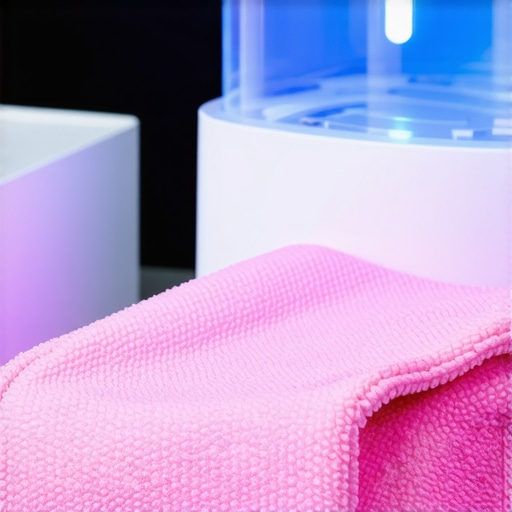
Automation tools also play a crucial role. I recommend using UV-C light sterilization devices periodically. These devices are scientifically proven to deactivate viruses and bacteria in the air and on surfaces, providing an extra layer of safety. I’ve incorporated portable UV-C units in high-traffic zones, which I run after hours for effective sterilization without disrupting daily operations. The trend towards smart, connected cleaning equipment is growing, making maintenance easier and more reliable in the long run. Predictably, we will see increased integration of IoT-enabled tools that monitor cleanliness levels and notify staff when cleaning is needed, further elevating office hygiene standards.
How do I maintain these tools over time?
Regular maintenance is key to ensuring your equipment remains effective. For instance, I clean and descale my carpet extractor after every use, following the manufacturer’s instructions, to prevent residue buildup that could compromise its performance. Microfiber cloths should be washed separately using hot water to eliminate bacteria. Additionally, replacing UV-C bulbs every 12 months guarantees optimal sterilization power. Keeping a maintenance schedule, similar to what you’d find in deep cleaning guides, helps ensure your tools stay reliable, saving you money and reducing downtime. As technology advances, I foresee more durable, self-cleaning devices that reduce manual upkeep, making long-term maintenance even more straightforward. Don’t forget: consistent care extends the lifespan of your equipment and preserves the trustworthiness of your sanitation efforts.
To get started, try investing in a high-quality microfiber system and a UV-C sterilizer. These tools have transformed my office cleaning routine, making it more effective and less time-consuming. With the right equipment, your space can maintain a germ-free environment that employees and clients can trust. For more detailed insights on professional cleaning methods, visit our comprehensive cleaning guide.
The Hardest Lesson I Learned About Office Sanitation
One of the most valuable lessons I discovered was that superficial cleaning can give a false sense of security. It took me months to realize that relying solely on surface disinfectants without addressing airborne contaminants or using ineffective products leaves your workspace vulnerable. Deep cleaning routines, backed by science, are essential for genuine trustworthiness in office sanitation.
3 Myths About Office Disinfection That Held Me Back
I used to believe that all disinfectants are equally effective, which is far from the truth. This misconception often led me to choose cheaper, less reliable products, compromising safety. I also thought that frequent surface wiping alone was enough, neglecting the importance of air quality and staff training. Busting these myths opened my eyes to comprehensive strategies that truly work.
What Experts Won’t Tell You About Maintaining Trustworthy Office Hygiene
Many professionals overlook the significance of ongoing staff training and equipment maintenance. Even the best cleaning tools need regular care to stay effective. Incorporating technology like UV-C sterilizers and IoT-enabled devices ensures consistent results and builds confidence among employees and clients. Trust is built through diligence, not shortcuts.
Curated Recommendations for Elevating Office Cleaning Standards
My Essential Toolkit for 2024 includes EPA-approved disinfectants, such as those recommended by health authorities, to ensure broad-spectrum pathogen elimination. I personally trust the step-by-step professional cleaning guide for its thorough insights. For air quality, portable HEPA filters like the IQAir HealthPro Plus have transformed my approach, providing immediate improvements in airborne safety. Lastly, I rely on innovative cleaning techniques that integrate technology and science to keep spaces reliably safe.
Your Turn to Lead with Confidence in 2024
Investing in effective cleaning strategies today ensures a healthier, more trustworthy workspace tomorrow. Remember, the journey to a germ-free office is ongoing, but with the right knowledge and tools, you can create an environment everyone can trust. Don’t wait—start implementing these expert tips now and watch your office transform into a safe haven for all.
What’s the biggest challenge you face in maintaining office sanitation? Let me know below!
http://Emma%20Johnson
Reading this post really hit home for me, especially the emphasis on not just superficial cleaning. In my own experience managing a shared office space, I noticed that even with regular surface wiping, sometimes lingering odors or unexpected allergies would pop up, making me realize I was missing the airborne aspect of sanitization. Since then, I’ve invested more in HEPA filters and UV-C sterilization tools, which have made a noticeable difference in air quality and overall cleanliness. It’s fascinating how integrated these approaches are—surface cleaning alone just isn’t enough anymore. Has anyone else found success combining traditional cleaning with air purification to improve office hygiene? I’d love to hear what methods have worked best for others facing similar challenges in ensuring a safe workspace.
http://Benjamin%20Carter
This post brings up some really crucial points about comprehensive sanitization in the workplace, especially with how airborne contaminants are gaining attention. I’ve personally seen the benefits of combining regular surface cleaning with advanced air filtration systems, like HEPA filters. In a previous role, we installed portable air purifiers in high-traffic zones, and the difference in air quality was noticeable within just a few days. It made me wonder, how are other office managers handling the integration of air quality improvements alongside traditional cleaning routines? Do any of you incorporate smart monitoring systems that track air cleanliness levels to ensure continuous safety? I believe that holistic approaches, addressing both surfaces and air, are essential for truly trustworthy office sanitation in today’s environment. Would love to hear experiences or tips on maintaining this balance in different types of workspaces.
http://Sophia%20Hunter
This post sheds light on a critical aspect of office hygiene that many overlook—air quality. I remember a time when we relied solely on surface disinfection, only to find that lingering odors and allergy symptoms persisted among staff. Since then, we’ve started integrating HEPA filters and UV-C sterilization devices, which have markedly improved air freshness and reduced airborne allergens. It’s clear that a combination of surface cleaning and air purification is necessary for a truly safe environment. One challenge we faced was maintaining the consistency of air cleaning routines, especially during busy seasons. To address this, we installed smart air quality monitors that alert us when filtering levels drop or when maintenance is needed. Has anyone else used technology to track and manage indoor air quality proactively? I’d love to hear about your experience and any tips you might have for balancing these multiple layers of office sanitation.