
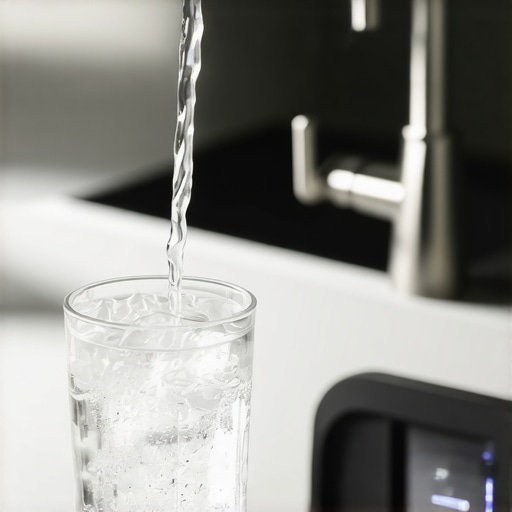
Why Your Kitchen Tastes Terrible Without an Under Counter Water Filter
Imagine this: You have spent forty dollars on a bag of single-origin, light-roast coffee beans. You have carefully measured the weight, adjusted your grinder to the perfect micron setting, and heated your water to exactly 200 degrees Fahrenheit. You pour, you steep, and you take that first expectant sip – only to be met with the unmistakable, sharp tang of a public swimming pool. Or perhaps you have spent hours simmering a delicate French onion soup, only for the final broth to carry a strange, metallic bitterness that masks the sweetness of the caramelized onions. The culprit isn’t your technique, your ingredients, or your equipment. The culprit is your tap water.
As a water filtration specialist at Blmh2ofiltration in Pretoria, South Africa, I, Justin Moir, have spent over three years diagnosing why “safe” water often tastes like a chemical experiment. While municipal water treatment facilities do an incredible job of ensuring our water doesn’t carry deadly pathogens, “safe” is a low bar for a culinary enthusiast. To achieve true purity and professional-grade flavor, an under counter water filter is no longer a luxury – it is the missing link to a high-functioning, gourmet kitchen. Without it, you are essentially cooking with a diluted chemical solution. In this guide, we will explore why your tap water is sabotaging your palate and how a dedicated water filtration system for home use can transform your kitchen experience.
Before we dive into the chemistry of taste, it is important to realize that water quality affects more than just your beverages. It impacts the texture of your pasta, the vibrancy of your blanched vegetables, and even the longevity of your expensive kitchen appliances. If you are looking to optimize your home, you might also want to check out 5 House Cleaning Fixes to Stop Wasting Time in 2026 Kitchens to see how integrated systems can save you hours of maintenance.
The Science of “Terrible Taste”: What’s in Your Tap?
To understand why your kitchen tastes terrible, we have to look at what is actually coming out of your tap water filter – or lack thereof. Most municipal water in urban areas is treated with chlorine or chloramines. These are vital for killing bacteria during the water’s journey through miles of aging pipes, but once that water reaches your glass, the chlorine has done its job and becomes a nuisance. Chlorine has a distinct, bleaching odor and a sharp, acidic taste that can cut through even the most robust coffee or tea.
However, chlorine is just the beginning. Modern water filtration systems are now tasked with removing a “cocktail” of invisible contaminants. Volatile Organic Compounds (VOCs), PFAS (often called “forever chemicals”), and microplastics are increasingly common in groundwater supplies. According to research from top-tier manufacturers like Aquasana, high-quality filtration systems are now certified to remove up to 99% of over 90 different contaminants. When these substances remain in your water, they create a “heavy” mouthfeel and a metallic aftertaste that you might have grown so accustomed to that you don’t even notice it – until it’s gone.
The chemical profile of your water also dictates how it interacts with food. For instance, hard water – high in calcium and magnesium – can prevent legumes from softening properly and can leave a chalky residue on your glassware. When you use a water purification system for home, you aren’t just removing the “bad” stuff; you are creating a neutral canvas. Just as a painter needs a white canvas to make colors pop, a chef needs neutral water to let the natural flavors of ingredients shine. Without an under counter water filter, you are essentially painting on a muddy, grey background.
Why Under Counter Systems Beat Countertop & Pitcher Filters
Many homeowners start their filtration journey with a simple pitcher or a basic countertop water filter. While these are better than nothing, they often fall short in a busy kitchen environment. If you are serious about culinary quality, an under counter water filtration system is the superior choice for several reasons: flow rate, filtration depth, and aesthetics.
First, let’s talk about the “convenience gap.” A filtered water dispenser built into your sink provides a high-flow rate of purified water instantly. Pitchers are slow, they run out constantly, and the filters are often too small to provide the multi-stage contact time necessary to remove complex contaminants like lead or cysts. In contrast, the best home water filters installed under the sink utilize large canisters with significantly more filtration media. This allows for a deeper “dwell time,” ensuring that the water is thoroughly scrubbed of impurities before it reaches your pot.
From a design perspective, a countertop water dispenser can clutter your workspace, taking up valuable real estate near the sink. An under-counter unit stays hidden, maintaining the sleek, clean lines of a modern kitchen. Furthermore, these systems often integrate directly with your cold water line, meaning you can even hook them up to your refrigerator’s ice maker. Imagine crystal-clear ice cubes that don’t leave a white crust in your whiskey or soda. If you’ve struggled with white spots on your fixtures, you should read How an Under Counter Water Filter Stops Hard Water Stains From Ruining Your Kitchen to understand the maintenance benefits of these systems.
The Gold Standard: Reverse Osmosis (RO) Explained
If you want the absolute pinnacle of water purity, you must look toward a 6 stage reverse osmosis system. Reverse Osmosis (RO) is a process where water is forced through a semi-permeable membrane at high pressure. This membrane has pores so small that they are measured in microns – so small, in fact, that they can block almost everything except the water molecules themselves.
To visualize the power of reverse osmosis water filtration systems, I often tell my clients in Pretoria to imagine pouring Coca-Cola into the filter. On the other side, you wouldn’t get “filtered Coke”; you would get clear, pure water. The membrane is that effective. However, a reverse osmosis water filter isn’t just a single membrane; it’s a comprehensive system. A standard 6-stage setup typically includes:
- Stage 1: Sediment Filter: Removes sand, rust, and silt.
- Stage 2: Pre-Carbon Filter: Removes chlorine and organic chemicals.
- Stage 3: Carbon Block: Further refines taste and protects the RO membrane.
- Stage 4: The RO Membrane: The heart of the system, removing lead, arsenic, and fluoride.
- Stage 5: Post-Carbon Filter: A “polishing” filter to ensure the water is sparkling fresh as it leaves the storage tank.
- Stage 6: Remineralization: Adding back healthy minerals like calcium and magnesium to balance the pH and improve the flavor profile.
This home water filtration system ensures that your water is stripped of the “swimming pool” taste and rebuilt into a crisp, refreshing beverage. Using a whole house water filter system is great for your showers and laundry, but for the specific needs of the kitchen, a dedicated RO system provides a level of purity that a general house filter simply cannot match.
For those who find themselves constantly cleaning their kettles or coffee machines, the RO system is a lifesaver. By removing the dissolved solids that cause scale buildup, you are essentially extending the life of your appliances by years. This is why many consider it the ultimate water filter for the home. If you are finding that even with filtered water, your kitchen feels “grimy,” it might be because of systemic issues. Learn more about Why Your Deep Clean Always Fails Without a Whole House Water Filter System.
Maintenance: The “Little Luxury” of Longevity
Installing an under counter water filter is not a “set it and forget it” task. Like any high-performance machine, it requires regular maintenance. I often use the little luxury water filter as a prime example of why maintenance matters. These systems provide a “little luxury” in every glass, but if you neglect the little luxury water filter replacement schedule, the quality of your water will plummet.
In my experience at Blmh2ofiltration, the most common mistake homeowners make is waiting until the water tastes bad to change the filters. By the time you can taste the change, the filter media is likely saturated and may even be harboring bacterial growth. A household water filter system works by trapping contaminants; once the “trap” is full, those contaminants can actually leach back into your water in higher concentrations.
Pro Tip: Always set a calendar reminder for your filter changes. Most carbon filters should be replaced every 6 to 12 months, while the RO membrane can last 2 years depending on your local water quality. Regular maintenance ensures that your water filter system continues to provide the health and taste benefits you invested in. Neglecting this turns your home water purification system from a health asset into a liability.
The South African Context & Global Water Trends
In South Africa, the need for water filter systems for home south africa has never been more critical. With fluctuating municipal water pressure and occasional infrastructure challenges in cities like Pretoria and Johannesburg, the sediment load in our pipes can be quite high. This “brown water” phenomenon can ruin a water cooler dispenser or a fridge filter in a matter of weeks.
Local homeowners are increasingly moving toward robust water filtration systems for home use that can handle these variables. A high-quality under counter water filter serves as a final barrier of defense. Even if the municipal supply suffers a temporary lapse in clarity, your internal system ensures that your family is drinking pure, safe water. This trend isn’t unique to South Africa; globally, the rise of “forever chemicals” in water supplies has made home water filtration system ownership a standard part of modern home maintenance, rather than an optional upgrade.
Health & Aesthetic Benefits
Beyond the undeniable improvement in taste, there are significant health and aesthetic benefits to installing an under counter water filter. From a health perspective, reducing your intake of lead, mercury, and chlorine byproducts is a long-term investment in your family’s well-being. Many of our clients report that their skin feels less dry and their hair feels softer after they stop washing their produce in heavily chlorinated water.
Aesthetically, your kitchen will simply look and smell better. You’ll no longer have the lingering scent of chemicals after doing the dishes or filling a pot. Furthermore, by using a filtered water dispenser at home, you are drastically reducing your reliance on single-use plastic bottles. This is a win for both your wallet and the planet. However, remember that water is just one part of a healthy home environment. Be sure to avoid common pitfalls by reading about 3 Kitchen Sanitizing Mistakes Harming Your Family Health in 2026.
Conclusion: The Heart of the Kitchen
The kitchen is often called the heart of the home, but water is the heart of the kitchen. It is the primary ingredient in almost everything we consume, from our morning coffee to our evening pasta. If your water tastes terrible, your kitchen will never reach its full potential. By investing in a high-quality under counter water filter, such as a 6 stage reverse osmosis system, you are taking control of your home’s flavor profile and health.
Whether you are in Pretoria looking for water filter systems for home south africa or anywhere else in the world, the principle remains the same: pure water equals better living. Don’t let your tap water dictate the quality of your meals. Take the step toward a cleaner, tastier home today. For more expert advice on maintaining a pristine home environment, feel free to Contact Us or explore our Deep Cleaning & Sanitizing Tips for Trusted Results in 2024.