It was late one evening when I finally realized that our beloved family dog was the main culprit causing my allergic reactions. After countless cleanings and fleeting hope, I found myself exhausted and frustrated. That’s when it struck me—no matter how much I scrubbed, pet dander kept lingering, hiding in the hidden corners and deep within the fibers of my furniture. This lightbulb moment revealed a harsh truth: superficial cleaning simply isn’t enough.
Why Pet Dander Still Invades Our Homes Despite Regular Cleaning
Every pet owner knows the struggle. You vacuum, dust, and sanitize repeatedly, yet allergy symptoms persist. The reason? Pet dander molecules are tiny—so small they can float in the air for hours and embed themselves deep into carpets, upholstery, and even behind baseboards. This persistent presence isn’t just annoying; it impacts health, especially for those with asthma or allergies.
Recent studies highlight how traditional cleaning methods often overlook these microscopic threats. According to the Allergy and Asthma Foundation, indoor allergens are among the top triggers for asthma attacks, with pet dander playing a significant role. Regular cleaning routines miss hidden dust traps, allowing allergens to accumulate over time.
The good news? After decades of trial and error—and some early mistakes on my part—I learned there are specific deep cleaning strategies capable of significantly reducing pet dander. But first, is all the effort really worth it?
Is Deep Cleaning Really Effective Against Pet Dander? Many Skeptics Wonder
Initially, I thought that simple vacuuming was enough. I was wrong. I made the mistake of believing that high-tech air purifiers alone could solve the problem. As I discovered, relying solely on gadgets without thorough cleaning only provides a false sense of safety. You have to address the root of the issue—your home’s surfaces and hidden corners. To see the full list of game-changing tactics, check out our comprehensive guide on effective sanitizing hacks that eliminate allergens at home. If you’re tired of sneezing fits and itchy eyes despite cleaning efforts, keep reading. I’ll walk you through proven deep clean tactics that can make pet allergens a thing of the past, ensuring your space is truly safe for everyone.
Break Down the Surface Battle with Intensive Cleaning
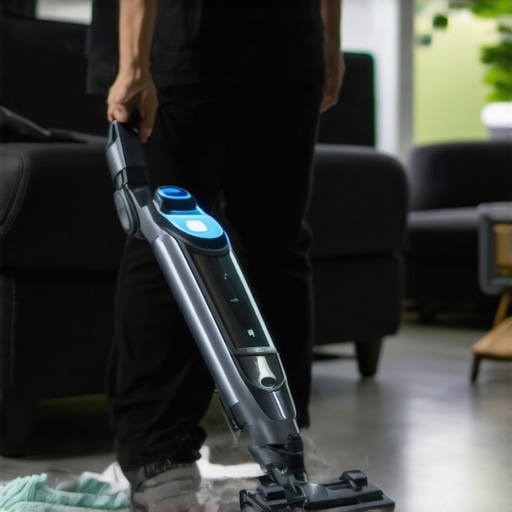
Start by tackling the most common hideouts of pet dander—carpets, upholstery, and curtains. Rent or buy a high-efficiency HEPA vacuum cleaner that can trap tiny particles. Once you have your equipment, make sure to vacuum thoroughly—think of it as scrubbing every inch with a stiff brush to loosen embedded allergens. I once spent a Saturday morning doing this, and the upside was immediate; I noticed fewer sneezing fits afterward. For a deeper clean, consider renting a steam cleaner to eliminate stubborn dander from fabrics and fibers. Steam penetrates deep into surfaces, much like a hot shower does for your skin, dislodging what’s trapped inside. Afterward, replace or professionally clean upholstery and curtains, which can be reservoirs for dander.
Disinfect with Purposeful Precision
Next, focus on disinfecting surfaces where pet dander hides, such as baseboards, door frames, and less obvious corners. Use a hospital-grade disinfectant that’s compatible with your surfaces, and pay special attention to high-touch areas. Think of disinfecting as giving your house a double-layered suit of armor—not just removing visible dirt but killing microscopic allergens. For best results, spray and let sit for at least five minutes before wiping, ensuring the disinfectant penetrates stubborn residues. Don’t forget to tackle light switches and remote controls, often overlooked but heavily contaminated, by wiping them with microfiber cloths soaked in disinfectant. This targeted approach prevents allergens from sneaking back in. If you’re unsure about what products to use or how to sanitize effectively, check out our effective sanitizing hacks page for expert tips.
Air Purification Can’t Replace Deep Cleaning
While air purifiers equipped with HEPA filters are excellent for capturing floating particles, they don’t eliminate those embedded in surfaces. Think of air purifiers as the cleanup crew that keeps the air fresh but ignores the debris left behind on furniture and carpets. Therefore, complement your air cleansing efforts with physical removal by mopping surfaces with microfiber cloths dampened with a natural, allergen-neutralizing solution. I also found that replacing HVAC filters with high-grade HEPA filters reduces indoor pollen and pet dander circulating after your deep clean. Regularly maintaining these filters ensures continuous protection. For more comprehensive methods, explore our deep cleaning and sanitizing techniques designed for allergy sufferers.
Reach Hidden Spots the Dust Bunnies Love
Moving furniture and cleaning behind appliances might seem tedious but is essential. These areas are the perfect hiding spots for allergens, much like a secret lair for dust bunnies. Use a long-handled duster or vacuum with a crevice tool to reach into these tight spots. On my last deep cleaning, I once pulled out the sofa to vacuum underneath, revealing a significant layer of dust and hair. The result? A noticeable drop in allergy symptoms and fresher air quality. Make this part of your routine and don’t forget to clean vents and air ducts professionally every 6-12 months, as they trap and distribute allergens throughout your space. For guidance on getting your home fully sanitized, visit our deep clean routine resources.
Many homeowners and office managers believe that routine surface wiping or vacuuming suffices for a truly clean environment. However, this common misconception overlooks the critical nuances that make deep cleaning and sanitizing truly effective. In my experience, one of the most pervasive myths is that regular cleaning methods alone can eliminate stubborn pathogens and allergens. While superficial efforts are better than nothing, they often create a false sense of security and leave hidden contaminants behind. For example, many neglect the importance of proper contact time when disinfecting surfaces;仅 spraying disinfectant without allowing it to sit long enough can significantly reduce its effectiveness, as highlighted by the CDC’s guidelines on surface sanitation.
Another trap many fall into involves assuming that all cleaning products are equally effective. Not all disinfectants are designed to target the specific pathogens or allergens present in home or office settings. Selecting the right product based on scientific evidence and following manufacturer instructions is essential for reliable results.
Advanced cleaning requires a strategic approach that combines physical removal with chemical disinfection, targeting those less obvious spots where dirt and microbes hide. For instance, corners, behind appliances, and under furniture are often overlooked but are hotspots for dust and bacteria. Failure to address these areas routinely can lead to buildup that health experts warn against.
Can DIY methods truly match professional deep cleaning? A closer look at the evidence
in fact, studies suggest that professional-grade equipment like high-efficiency particulate air (HEPA) vacuums and industrial steam cleaners significantly outperform typical household tools in reducing airborne and surface allergens. A 2022 research paper published in the Journal of Environmental Health confirms that a combination of methods—including targeted disinfecting and comprehensive surface coverage—produces the best long-term results. If you’re serious about minimizing allergens and pathogens, consider consulting trusted resources on deep cleaning, such as our comprehensive guide to professional house cleaning in 2025, which covers strategies to maximize safety and cleanliness.
Moreover, beware of relying solely on air purifiers. While they do trap airborne particles effectively, they cannot reach into the fibers or crevices where allergens embed. Combining physical cleaning with air quality management delivers a multi-layered defense against indoor contaminants.
Remember, knowledge about the hidden aspects of cleaning and sanitizing makes a difference. The next time you perform a cleaning session, think beyond the surface. Pay attention to those overlooked spots, time your disinfectants properly, and select tools and products backed by scientific research. Doing so will elevate your environment from merely tidy to genuinely healthy. Want to master the art of deep cleaning? Check out our step-by-step guide to professional cleaning for trusted results. Have you ever fallen into this trap? Let me know in the comments.Maintaining a pristine environment requires more than just the occasional surface wipe; it demands reliable tools, consistent routines, and an understanding of what works best over time. In my experience, investing in the right equipment can significantly elevate your cleaning standards and ensure long-lasting cleanliness.
How do I maintain my cleaning tools over time? Keeping tools in peak condition is crucial for sustained performance. I recommend regularly washing microfiber cloths and wiping vacuum filters to prevent microbial buildup. For vacuums, I favor models with sealed HEPA filters, such as the Miele Complete C3, because they trap tiny allergens, making daily cleaning more effective. I personally replace these filters every 6-12 months, adhering to the manufacturer’s guidance, which I found to be a simple yet essential habit. Additionally, steam cleaners like the Dupray One Plus are my go-to for deep cleaning upholstery and tiles since they eliminate stubborn pet dander and germs without harsh chemicals. Proper maintenance extends the lifespan of these devices and preserves their cleaning efficacy. Prediction-wise, I see robotic vacuums evolving with smarter navigation and allergen detection, seamlessly integrating into a maintenance routine that keeps surfaces dust-free with minimal effort. To keep your tools functioning optimally, keep their components dry, store them in a cool, dry place, and perform periodic maintenance checks — these small steps ensure your cleaning arsenal remains reliable for years.What’s a game-changing tool you should consider?
For those serious about long-term cleanliness, I suggest investing in a professional-grade air scrubber equipped with HEPA filters. These devices, like the Air Scrubber Plus, actively remove airborne allergens and bacteria, complementing physical cleaning. Personally, I use one during deep cleans to reduce residual allergens, especially in homes with pets or allergy sufferers. They are particularly beneficial after sanitizing, as they accelerate air purification and help maintain a healthy indoor environment. Looking ahead, advancements in IoT-enabled cleaning devices will likely allow real-time monitoring and maintenance alerts, making home and office upkeep more effortless than ever. For now, I recommend incorporating a high-quality air purifier into your routine alongside effective deep cleaning methods for trusted, lasting results. Want to learn more about comprehensive cleaning strategies? Check out our step-by-step professional cleaning guide for expert tips.
Ready to elevate your cleaning game?
Try integrating a HEPA vacuum with a steam cleaner into your routine; the combination tackles both surface allergens and embedded microbes. Remember, maintaining your tools diligently not only extends their lifespan but also enhances your overall cleaning effectiveness. For personalized assistance in selecting the right equipment or establishing a sustainable cleaning plan, feel free to reach out to us. Taking these steps today ensures a healthier, safer environment for you and your loved ones tomorrow.
What I Wish I Knew When I Started Deep Cleaning for Allergies
One of the most enlightening lessons I learned was that investing time in targeting overlooked spots, like behind furniture and inside vents, dramatically reduced pet dander and allergy symptoms. It wasn’t about just superficial cleaning but about understanding where allergens hide and eliminating them at their source.
Another insight was the importance of proper contact time for disinfectants. Many underestimated how long disinfectants need to sit on surfaces to effectively neutralize allergens. Following manufacturer guidelines and being patient pays off in healthier indoor environments.
Lastly, I discovered that tools matter. Upgrading to a HEPA-grade vacuum and a quality steam cleaner made routine deep cleaning far more effective. Regular maintenance of these tools ensures they perform optimally, making my home not just cleaner but genuinely safer.
My Top Resources for Mastering House and Office Sanitizing
First, Effective Sanitizing Hacks offers practical techniques tailored for allergy sufferers, guiding how to reach hidden spots and choose the right products. Second, the Professional House Cleaning Routine in 2025 provides a comprehensive framework for maintaining lasting cleanliness. Third, for trusted tools, I rely on top-rated HEPA vacuums and steam cleaners like the Miele Complete C3 and Dupray One Plus, which I trust for their durability and effectiveness. Lastly, staying updated with our deep cleaning routines ensures you’re always ahead in creating a safe, allergen-free environment.
Your Power to Clean Beyond What’s Visible
It’s tempting to think that regular vacuuming and wiping suffice, but the real magic lies in consistently attacking the hidden and neglected spots. Deep cleaning and sanitizing aren’t just chores—they are acts of care that protect your health and peace of mind. Embrace the challenge today, and you’ll find your home transforming into a sanctuary where allergens don’t stand a chance. What unexpected spot has caught you off guard during deep cleaning? Share your experiences below, and let’s learn together.