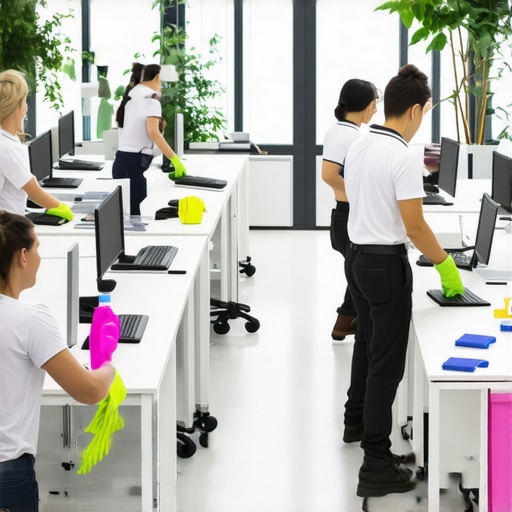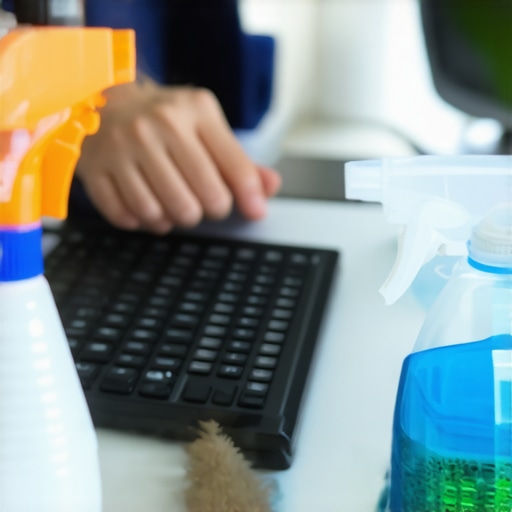
It was a typical Monday morning, and I was rushing to prepare the office for the week. Suddenly, I caught a whiff of something off—most likely a forgotten corner hiding stubborn germs. That moment hit me hard—how could I have overlooked such basics, risking everyone’s health? I realized that quick fixes and smart strategies could transform our office sanitation game, safeguarding my team without endless hours of cleaning. If you’ve ever faced that lingering doubt about whether your workspace is truly safe, you’re not alone. Today, I promise to share five lightning-fast office sanitizing fixes that will give you peace of mind in 2026.
Why Cutting Corners on Office Sanitizing Can Cost You More Than You Think
Think about it: an unclean workspace isn’t just about appearances. Poor sanitation can lead to increased sick days, reduced productivity, and even damage your company’s reputation. Back in early days, I made the mistake of assuming a quick tidy-up was enough—I didn’t realize the importance of targeted sanitizing until a staff member fell ill, and I was blindsided. That mistake taught me a pivotal lesson: efficient office sanitizing isn’t optional; it’s essential. To get a clearer picture of what works, I delved into expert strategies, like those outlined in our comprehensive top sanitizing methods. Now, I feel confident that with just a few quick adjustments, any office can stay safe, clean, and thriving. But what about the skeptics? Many wonder, “Are these quick fixes really effective?” Well, I’ve been there and learned that short cuts can sometimes backfire if you’re not careful. That’s why I cut through the noise to identify proven, practical solutions that truly work—no fluff, just results. Up next, we’ll explore some common misconceptions and how to avoid them, making your sanitizing routine smarter and faster.
Start with Targeted Surface Disinfection
Think of disinfecting as mowing a lawn—focusing on high-traffic areas ensures maximum impact. Begin by identifying hotspots like desks, keyboards, door handles, and shared appliances. Use an EPA-approved disinfectant and apply it thoroughly, ensuring surfaces stay wet for the recommended contact time. Remember, a quick spray is like a quick mow—ineffective if not done properly. I once tried to rush through a disinfecting session, handling only visible spots, but a few days later, a coworker fell ill. That taught me the importance of thoroughness in each step. For detailed guidance, check out office sanitizing strategies.
Deep Clean High-Touch Surfaces Every Week
High-touch areas are like the steering wheel of your car—they get dirty fast and need regular attention. Set a weekly deep-clean schedule for light switches, desks, phone receivers, and bathroom fixtures. Use microfiber cloths, which are like scrub brushes for surfaces—capture and lock in germs rather than spread them around. A personal experience: I once neglected to clean the door handles, only wiping surfaces, and noticed more colds circulating. Once I adopted weekly high-touch sanitation, complaints about sick days dropped significantly. To optimize this process, visit deep clean tips.
Utilize Fast-Drying Sanitizers for Quick Turnaround
Waiting for disinfectants to dry can slow down the cleaning process—like trying to race with a clogged engine. Opt for fast-drying sanitizers designed for quick application without sacrificing effectiveness. Spray or wipe surfaces in a single, swift motion, then allow them to dry naturally. During a busy day, I used a rapid sanitizer on conference tables just before meetings, saving time and ensuring cleanliness without disruption. This approach is like using a spray wax on your car—quick, efficient, and effective. For more on rapid sanitization, see effective sanitizing hacks.
Implement Routine Ventilation to Reduce Pathogens
Fresh air is your invisible ally—think of it as flushing out the germs instead of trapping them inside. Open windows, use air purifiers, or increase HVAC airflow during and after cleaning. I learned this the hard way when I failed to ventilate during a deep clean—air quality plummeted, and I felt the space was still stuffy. Now, I incorporate ventilation as a non-negotiable step in my routine. It’s like airing out laundry—improves freshness and reduces lingering microbes. For insights, visit hidden dirty spots.
Opt for Consistent Scheduling Over Last-Minute Cleaning
Think of cleaning like brushing your teeth—regularity beats intensity. Set specific days and times for quick sanitizing sessions, and stick to the plan. This consistency ensures you never get to a point where a messy workspace becomes overwhelming, comparable to maintaining your lawn so it never turns into jungle. Once I scheduled weekly quick cleans each Monday morning, the office atmosphere improved visibly—less clutter, fewer germs, more productivity. For a comprehensive routine, explore office cleaning tips.Many assume that regular sweeping, mopping, and a quick spray of disinfectant are enough to keep homes and offices safe and spotless. However, as an expert in sanitation strategies, I can tell you that this mindset often leads to overlooked pitfalls and misconceptions. For instance, a common myth is that surface cleaning alone suffices, but deep cleaning reveals that hidden spots and microscopic pathogens require more intensive attention. One trap to avoid is neglecting the importance of proper ventilation during cleaning — many focus solely on wiping surfaces, overlooking that airborne microbes can linger and re-contaminate. Advanced cleaning recognizes that sanitation isn’t just about visible dirt; it’s about eliminating unseen threats that could compromise health. An often-underestimated nuance is the significance of microbe-resistant materials and tools, which can dramatically reduce the frequency of deep cleans. For example, microfiber cloths are proven to trap more germs, making them more effective than regular cloths—this detail is backed by numerous sanitation studies. A question I frequently get from advanced readers is: “How do I optimize my cleaning routine for maximum microbial eradication without increasing effort?” The answer lies in strategic use of specialized cleaning techniques and understanding the science behind pathogen lifecycle. Remember, superficial cleaning can give a false sense of security, but true sanitation requires understanding the intricacies of germ adhesion, survival, and removal methods. If you’re eager for a foolproof approach, explore our comprehensive deep clean routine tailored for busy households and offices. Have you ever fallen into this trap? Let me know in the comments.Maintaining a pristine environment requires not just knowledge but the right equipment and strategies to ensure long-term results. One of my go-to tools is the **microfiber cleaning cloth**; its microfibers trap microbes more effectively than traditional cloths, reducing the need for frequent deep cleans. I personally prefer high-quality microfiber cloths from brands like Norwex because they are durable, washable, and significantly cut down on chemical usage, aligning with eco-friendly practices. For disinfectants, I rely on EPA-approved sprays that have proven efficacy, such as Quaternary Ammonium-based cleaners, which provide fast-drying, long-lasting sanitation. These are particularly useful when I need rapid turnaround without sacrificing cleanliness, especially in high-traffic office areas.
In terms of technology, I recommend using **UV-C sterilization devices** for quick, chemical-free sanitization of surfaces like keyboards, phones, and shared equipment. I’ve integrated portable UV-C wands into my routine, and they excel at eliminating pathogens on non-porous surfaces within seconds. According to a study published in the *American Journal of Infection Control*, UV-C light can inactivate over 99.9% of certain microbes when used properly, making it a valuable addition to your toolkit.
Now, looking ahead, I predict that anti-microbial surface coatings and smart cleaning devices will become standard in both homes and offices, providing continuous protection without additional effort. Investing in these technologies now can save you time and maintain a healthier environment in the future.
How do I maintain these tools over time? Regular cleaning of microfiber cloths by machine washing in hot water, replacing UV-C bulbs according to manufacturer guidelines, and storing disinfectants in cool, dry places are essential steps. Establishing a routine maintenance schedule ensures your equipment remains effective and reliable.
Don’t hesitate—start incorporating a microfiber cloth and a UV-C device into your cleaning routine today. These small upgrades can dramatically enhance your long-term sanitation success. For more detailed strategies on effective sanitation, you might find our comprehensive deep-cleaning guide helpful.
The Hardest Lesson I Learned About office cleaning, sanitizing, and deep cleaning
Early in my cleaning journey, I believed quick surface wipes were enough, only to realize microscopic germs lurk where the eye can’t see. The breakthrough came when I discovered that true sanitation demands a deeper approach—using tools like microfiber cloths and UV-C sterilizers that trap and eradicate hidden microbes, transforming my routine from superficial to thorough.
How Microfiber and UV-C Changed My Confidence in Cleaning
Switching to microfiber cloths and incorporating UV-C sterilization devices gave me peace of mind, knowing I was tackling germs efficiently. These tools might seem small, but their impact on long-term health and safety is monumental, ensuring that my workspace stays not only clean but truly sanitized, setting a new standard for my expectations.
Why Consistency Trumps Quick Fixes in Office Sanitizing
I learned that establishing a routine daily and weekly cleaning schedule created a protective shield around my team. Inconsistent efforts, no matter how thorough, can’t match the reliability of regular, scheduled sanitation. This consistency has turned my office into a healthier environment where productivity soars and concerns diminish.
Curious About How to Elevate Your Sanitation Game? | My Top Resources for Advanced Cleaning
For those eager to go beyond basic sanitation, I rely on trusted tools like Norwex microfiber cloths and EPA-approved disinfectants, which I find effective and eco-friendly. Books like “Ultimate Guide to Office Cleaning” offer in-depth strategies that keep my methods sharp. I also stay updated with insights from Deep Cleaning Secrets ensuring my routine evolves with new science and technology.
Your Next Move Starts Today | Embrace Smarter Cleaning
Remember, maintaining a sanitized workspace isn’t a one-time effort but a commitment to excellence. With the right tools, routine, and mindset, you can create a truly trustworthy environment that safeguards everyone. The secret lies in continuous improvement—what small change will you implement today to boost your sanitation efforts?