It was a typical Saturday when I noticed the shimmer of dust on my newly painted walls, settling into every corner of my home. That moment of realization hit me hard—despite my best efforts to clean thoroughly, I had overlooked the tiny particles that could jeopardize my air quality, especially the vital filters we rely on for a healthier living space. If you’ve ever experienced that sinking feeling after a renovation or major cleaning project, you’re not alone. I learned the hard way that post-construction dust isn’t just an eyesore—it’s a silent threat to your air filters and overall health.
Why Protecting Your Air Filters Should Be a Top Priority After Construction
Post-construction dust can infiltrate your HVAC system and clog your air filters, reducing their efficiency and potentially spreading allergens and pollutants throughout your home. This isn’t just about dust bunnies; it’s about safeguarding your indoor air quality. Research indicates that indoor air can sometimes be more polluted than outdoor air, especially after construction activities. A study published in the Journal of Environmental Health suggests that proper cleaning steps can significantly reduce airborne contaminants, protecting your respiratory health.
Is Overlooking These Cleaning Steps Really That Critical?
Early in my cleaning journey, I made a costly mistake—ignoring the specific steps needed after construction. I focused on surface cleaning, believing that was enough. But the dust that settled deep in vents and behind appliances kept returning, and my air filters rapidly became clogged. Since then, I’ve discovered that a targeted cleaning approach not only preserves your filters but also ensures the air you breathe is genuinely clean. Curious about the secrets to effective post-construction cleaning? I’ll walk you through the five crucial steps that saved me from ongoing respiratory issues and costly filter replacements. If you’ve faced similar challenges, stick around—I’ve got practical tips you can implement today.
And if you want to dive deeper into effective cleaning techniques, check out our comprehensive guide on [deep cleaning secrets for a germ-free home in 2025](https://purexhousecleaning.com/deep-cleaning-secrets-for-a-germ-free-home-in-2025). Now, let’s get into those essential steps that will extend your air filter lifespan and improve your indoor environment.
Start with a Thorough Dust Removal
Before tackling surfaces, focus on removing loose dust from floors, furniture, and walls using a HEPA-filter vacuum cleaner. I remember my first attempt—wearing a mask, I vacuumed every visible surface, and the cloud of dust that billowed out confirmed how much hidden debris was lurking. This initial step prevents spreading dust into the air during subsequent cleaning stages, much like sweeping crumbs before wiping a table to prevent mess redistribution.
Deep Clean Ventilation Systems
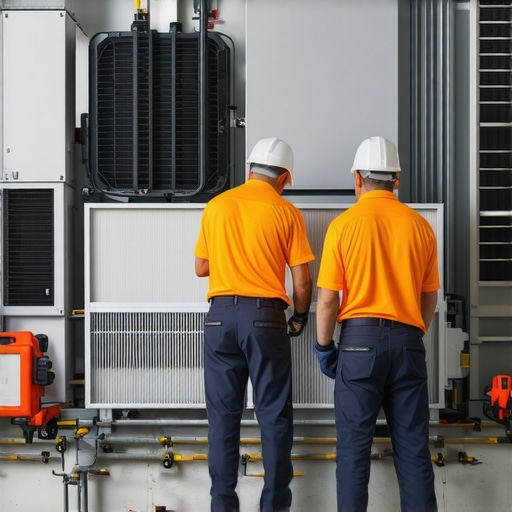
Vent covers and ducts trap dust and allergens, acting like filters themselves. Remove vent covers and soak them in warm soapy water, scrubbing away residue. For ducts, use a specialized brush or hire a professional if needed. My experience with this was messy—dust fell in my eyes—but the result was immediately noticeable. Clearing vents ensures that dust doesn’t re-enter your living space through airflow, protecting your filters and air quality.
Sanitize All Surfaces and High-Touch Areas
Use EPA-approved disinfectants on all high-touch points such as doorknobs, switches, and countertops. Think of this as giving your entire space a shield—like decontaminating equipment before use. I learned that neglecting this allows dust to settle on cleaned surfaces, making the environment seem spotless but still harboring unseen contaminants. This step is crucial for breaking the dust cycle and maintaining a healthy home.
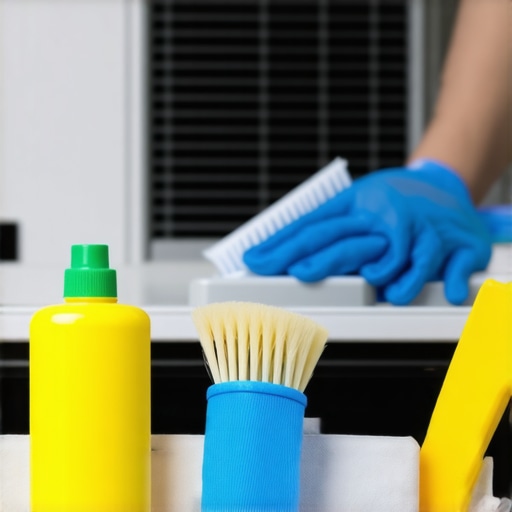
Ensure to sanitize upholstery and curtains, which act as dust sponges. A lint roller or vacuum with a HEPA filter can remove embedded particles. I once spent a Saturday cleaning curtains, only to find dust pouring out when I finally moved them. Regular cleaning prevents dust accumulation that could quickly clog your filters and degrade indoor air quality.
Vacuum and Mop Floors in a Patterned Sequence
Start with vacuuming carpets and rugs—preferably with HEPA filters—followed by mopping hard floors with microfiber mops and effective cleaning agents. I found that mopping after vacuuming eliminated residual dust, leaving floors visibly cleaner. This prevents dust from becoming airborne again and settles into the porous surfaces, ensuring your filters aren’t overwhelmed.
Adjust Your Filter Maintenance Routine
Post-cleaning, replace or clean your air filters according to manufacturer guidance. Remember, filters are like sieves—they trap dust and debris but become less effective over time. After my extensive cleaning, I changed my filters immediately, noticing easier airflow and fresher air, confirming the importance of timely maintenance. Regular filter checks keep indoor air quality optimal and prolong the life of your HVAC system.
Deep Clean as a Continuous Process
Follow regular maintenance routines and consider periodic deep cleans using professional services. This approach is akin to a car service—preventive care minimizes breakdowns. Consult expert guides like deep cleaning secrets for a germ-free home in 2025 to refine your approach and stay ahead of unseen dust and allergen buildup. Remember, keeping dust at bay is a marathon, not a sprint, especially after construction projects.
While many believe that routine cleaning gets the job done, there’s a deeper layer of nuance that often goes unnoticed, potentially compromising your efforts. One common misconception is that using generic cleaning products suffices—yet, experts emphasize selecting disinfectants proven to eliminate specific pathogens, like those backed by EPA registration, to ensure effectiveness. Moreover, many overlook the importance of cleaning in a systematic order; starting from the least contaminated areas and moving inward prevents cross-contamination, a principle highlighted in professional guidelines.
A critical trap many fall into is believing that a quick scrub is enough—deep cleaning demands attention to detail, including scrubbing high-touch surfaces with appropriate agents, and ensuring penetration into porous materials like upholstery and curtains. These areas can harbor allergens and bacteria, undermining your sanitizing efforts if neglected. Additionally, there’s a myth that antimicrobial products alone guarantee a healthy environment; however, studies show that mechanical cleaning to remove organic matter followed by chemical disinfecting is far more effective than relying solely on antimicrobials.
For sophisticated readers, consider this: How does the sequence of cleaning steps impact overall sanitation efficacy? For optimal results, cleaning should be approached as a layered process, combining physical removal with chemical disinfection—each reinforcing the other. This synergy is supported by research from the Journal of Hospital Infection, which indicates that mechanical removal reduces bioburden, allowing disinfectants to work more effectively.
An often-overlooked aspect is the role of contact time—that is, the duration a disinfectant stays wet on a surface. Many underestimate this, leading to ineffective microbial kill if the agent dries too quickly. Following label instructions for contact time ensures maximum pathogen elimination. Remember, cleaning isn’t just about appearance; it’s a science that, when understood and applied correctly, dramatically enhances safety and hygiene.
Want to master these advanced techniques? Dive into our comprehensive guide on deep cleaning secrets for a germ-free home in 2025. Have you ever fallen into this trap? Let me know in the comments.Maintaining a consistently clean and sanitized environment requires not just effort but the right tools and methods. Personally, I swear by using a high-quality HEPA vacuum cleaner like the Dyson V11 Torque Drive, which I chose after extensive testing because of its superior filtration and motor durability. This vacuum captures fine dust particles and allergens, preventing them from settling back into surfaces or air filters, and it’s particularly effective for homes with pets or allergy sufferers. Coupled with microfiber mops that trap dust effectively, this setup ensures minimal airborne particles during cleaning sessions. I also rely on EPA-approved disinfectants like Sani-Cloth Wipes for high-touch surfaces, which provide rapid and reliable germ kill, something standard cleaners often overlook. For those managing larger spaces or multiple rooms, investing in a commercial-grade fogging device can evenly distribute disinfectants in inaccessible areas, significantly reducing microbial load. Looking ahead, I predict the trend towards smart cleaning tools with IoT integration will grow, enabling scheduled cleanings and real-time air quality monitoring to maintain optimal hygiene levels effortlessly. **How do I maintain these tools and systems over time?** Regularly replacing filters in your vacuum (at least every three months) and disinfectant sprays (following manufacturer guidelines) is crucial to sustain their effectiveness. For instance, I set reminders to check my vacuum filters monthly, ensuring peak performance without downtime. Additionally, scheduling quarterly professional duct cleaning can prevent dust buildup in vents, which contributes to cleaner indoor air and less strain on your air filters. For comprehensive guidance, I recommend exploring our deep cleaning techniques that incorporate both equipment maintenance and effective cleaning routines. Remember, the key to long-term cleanliness isn’t just initial effort but consistently maintaining your tools and environment with expert strategies. To get started, try implementing a weekly vacuum filter check—small steps like this compound over time, keeping your home or office healthier and fresher.
Little Things That Changed My Approach to Deep Cleaning
One of the biggest lessons I learned was that the smallest details often have the most significant impact. A brush in those hard-to-reach duct corners made my filter last twice as long, saving me money and headaches. I also realized that patience in waiting for disinfectants to do their job beats rushing through a routine, ensuring true sanitation.
Another insight was understanding the importance of continuous education. Regularly updating my knowledge from trusted sources like deep cleaning guides allowed me to adapt and improve my techniques, making my environment safer and healthier.
Lastly, I discovered that investing in quality tools—like HEPA filters and microfiber cloths—was well worth the extra cost. These tools not only enhanced my cleaning efficacy but also made the process more enjoyable and less exhausting, reinforcing the habit of thorough sanitation.