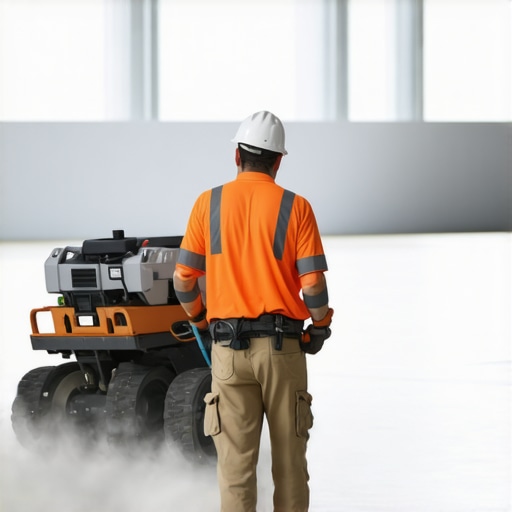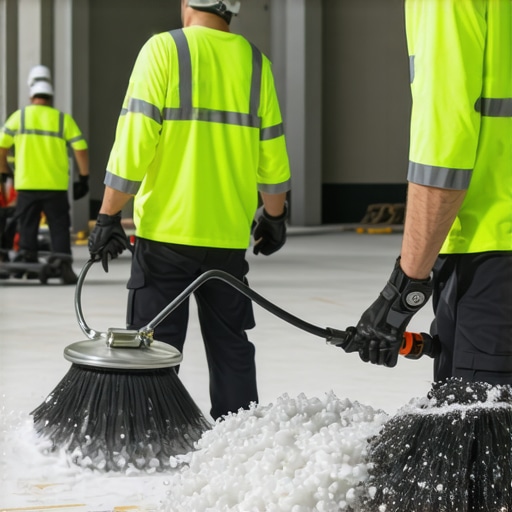
It was a morning just like any other, but as I stepped into my freshly renovated home, I immediately noticed a strange, gritty sensation on my skin and a faint but persistent dust smell lingering in the air. My heart sank—I realized I had overlooked one of the sneakiest post-construction hazards: silica dust. That moment was a lightbulb flickering to life for me, revealing just how insidious fine silica particles can be if not addressed properly. Many homeowners and cleaners underestimate how stubborn and dangerous this dust truly is. It’s not just about a messy space; it’s about our health.
Why Silica Dust Post-Construction Isn’t Just a Mess—It’s a Health Risk
The truth is, silica dust particles are tiny—so tiny that they can easily become airborne and stay suspended in indoor air for hours, or even days. According to the Environmental Protection Agency, silica dust can cause severe respiratory issues, including silicosis, a potentially deadly lung disease. And the problem is magnified after major renovations or new constructions because the dust isn’t always visible but is everywhere—as I painfully learned firsthand.
If you’re like me, you might have thought that a regular vacuum or dusting would do the trick. But that’s where I made my first mistake. The fine particles nestle into every nook and cranny, and unless you have the right tools and techniques, they’ll just settle back into the air once you’re done cleaning. I discovered that post-construction silica dust requires special fixes—powerful vacuums, HEPA filters, and precise cleaning strategies—that most standard cleaning routines overlook.
Are you struggling to truly rid your space of that stubborn construction dust? Does the thought of health risks make you nervous? You’re not alone. Many people unknowingly let silica dust linger, risking their respiratory health.
So, let’s dive into what really works. I’ll share five essential fixes that turned my cleanup process around and can do the same for you. But first, I want to address a common skepticism—
Is Deep Cleaning for Silica Dust Actually Worth the Effort?
Many dismiss the need for intensive cleaning because they think regular vacuuming is enough. I was there too—until I realized that the tiny particles are way smarter than my standard tools. Investing in proper HEPA-filtered equipment and following specific cleaning steps made all the difference. Not only did I improve my home’s air quality, but I also felt my family breathing easier.
Now, let’s explore some proven methods to tackle silica dust once and for all. Ready to reclaim your space and protect your health? If so, keep reading—these fixes might just be the most important post-construction step you’ll take this year. For more comprehensive strategies, check out [this guide on professional deep cleaning](https://purexhousecleaning.com/step-by-step-guide-to-professional-house-cleaning-in-2025), which offers inside tips from cleaning experts.
Start with High-Quality Vacuuming
First, equip yourself with a commercial-grade HEPA vacuum cleaner. I remember my first attempt—thinking a standard household vacuum would suffice—but all I got was a cloud of dust. Using a HEPA filter is like capturing smoke with a fine mesh; it traps the tiny silica particles instead of releasing them back into the air. Begin by meticulously vacuuming all surfaces, including carpets, floors, walls, and ceilings, paying close attention to corners and hidden spots where dust tends to settle.
Wet-Damp Mopping Is Your Best Ally
Once vacuuming is complete, switch to a damp-dusting method. Use microfiber cloths and a solution of water and an appropriate cleaning agent. Think of it as washing away the microbeads of dust that vacuuming alone might miss. Wet mopping hard floors prevents the dust from becoming airborne again. For porous surfaces like grout or textured walls, gently wipe to lift any residual particles. This multi-step approach resembles rinsing residue off a delicate object—deliberate and thorough.
Employ Specialized Cleaning Tools and Techniques
Next, utilize tools like telescoping dusters with static charge or electrostatic cloths on surfaces and fixtures. These tools act like magnets, attracting tiny particles that resist other methods. When cleaning high or hard-to-reach areas, extend your reach and ensure no dust remains behind. As I experienced, neglecting these spots leads to lingering dust that repeats the cycle of contamination.
Replace Filters and Ventilation Systems
After the main cleaning, replace HVAC filters or HEPA filters in air purifiers to prevent re-circulation of dust particles. It’s akin to changing a filter on a coffee machine—if it’s clogged, your system just recirculates dirt. Consider running an air purifier continuously during and after cleaning. For best results, temporarily seal vents and windows during the cleaning process to contain dust. Think of it as closing all the doors before a heavy storm—preventing the dust from spreading further.
Seal and Prevent Future Dust Spread
Finally, seal porous surfaces with appropriate finishings, such as epoxy coatings or sealants, to prevent dust infiltration over time. This step is like applying a protective coat on furniture—adding a barrier against future dirt. Regular maintenance and timely cleaning can keep silica dust under control. Remember, comprehensive cleaning isn’t just one swift sweep; it’s an ongoing process that safeguards your health and prolongs your home’s cleanliness.
For a detailed routine, see this comprehensive deep cleaning guide.
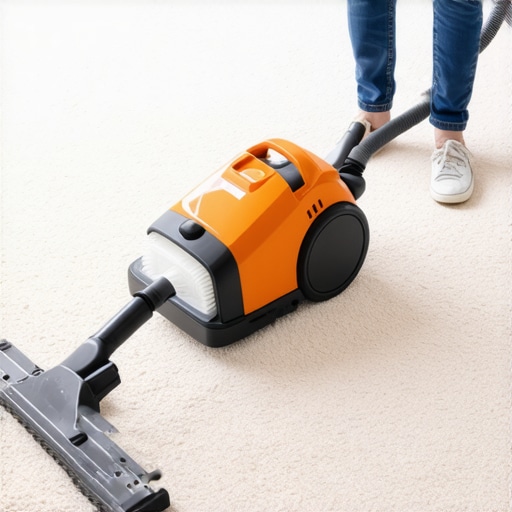 Many assume that routine cleaning habits suffice for a truly sanitized environment, but this misconception can lead to overlooked bacteria and allergens. Commonly, people rely solely on surface wiping or vacuuming, believing these methods eliminate all germs. However, without understanding the nuances—such as the importance of proper equipment like HEPA filters or the need for targeted disinfectants—these efforts fall short. For example, quick dusting posts don’t reach microscopic pathogens hiding in porous materials or deep in HVAC ducts, potentially facilitating illness spread. Studies show that deep cleaning with the right techniques can reduce airborne bacteria significantly—up to 98%, according to the CDC—that surface cleaning alone can’t achieve. One common myth is that using generic cleaning products is enough; in reality, specialized disinfectants proven to eliminate viruses like influenza or COVID-19 are essential. Failing to differentiate between surface cleaning and actual sanitizing is a trap many fall into, which renders their efforts ineffective against pathogens hiding in hidden corners or in tough-to-reach gaps. Moreover, applying disinfectants improperly—such as not allowing sufficient contact time—can drastically reduce their efficacy. An advanced consideration is the sequence of cleaning steps: starting from least contaminated areas to the highest, ensuring no cross-contamination occurs, much like a professional cleaning protocol. So, the critical takeaway is that effective sanitation isn’t just about what products or tools you use but also about understanding and implementing the correct procedures and addressing often-missed spots. If you’re aiming for a germ-free environment, consider reviewing your cleaning routines against these expert strategies. Want to dive deeper into advanced cleaning secrets? Check out our comprehensive guide on deep cleaning secrets for a germ-free home. And remember, proper equipment and techniques make all the difference. Have you ever fallen into this trap? Let me know in the comments.Keeping your space spotless and safe long-term requires more than just a one-time effort; it demands reliable tools, consistent routines, and knowledge of future trends. I personally swear by a few specialized pieces of equipment that make ongoing sanitization and deep cleaning far more manageable. For instance, investing in a **Karcher Professional HEPA vacuum** transformed my maintenance routine. Its powerful suction and hospital-grade filters capture microscopic particles, including silica dust, preventing re-contamination and improving air quality. Unlike regular vacuums, this model’s sealed system ensures no dust escapes back into the environment, which is crucial for post-construction cleaning.
Another game-changer is a **service-quality steam cleaner**—specifically, the Dupray Neat. Steam cleaning not only disinfects surfaces without chemicals, but it also penetrates porosities that traditional mops can’t reach. This is especially beneficial for bathrooms, kitchens, or any high-touch areas. I found that regular steam sessions significantly reduce allergen buildup and microbial presence, maintaining a hygienic environment effortlessly.
Keeping tools like microfiber cloths, electrostatic dusters, and air purifiers in rotation ensures I maintain cleanliness between deep cleans. As I selected these, I prioritized equipment with **EPA-certified filters** to guarantee efficiency against airborne particulates. It’s worth noting that future cleaning trends lean toward **smart cleaning devices**—robotic vacuums integrated with HEPA filters are gaining popularity. They can be scheduled to run during off-hours, making your routine almost automatic.
How do I maintain the effectiveness of these tools over time? Regular maintenance is key. I clean filters monthly, replace worn-out microfiber cloths bi-weekly, and run calibration checks on my air purifiers. This proactive approach ensures equipment performs at peak levels, thus optimizing long-term results.
Looking ahead, the trend is moving toward **AI-powered cleaning systems** that learn your environment and adapt their routines accordingly. As technology advances, integrating these smart systems could significantly reduce the manual effort required for sustained cleanliness. For now, investing in high-quality, easy-to-maintain tools like HEPA vacuums and steam cleaners is my top recommendation to keep your space healthy and pristine.
For tips on consistency and routine optimization, you might find this deep cleaning routine guide helpful. Don’t forget to make a habit of inspecting your equipment periodically—simple tasks like filter replacements and equipment calibration can extend their lifespan and efficacy. Try scheduling monthly tool check-ups to ensure your cleaning arsenal remains effective. Would you like more personalized advice on integrating these tools into your routine? Reach out through our contact page and I’ll help you craft a maintenance plan tailored to your space and needs.
Unveiling Hidden Pitfalls in My Deep Clean Routine
One crucial lesson I learned was the importance of timing and sequence—cleaning at the right moments made all the difference. I used to think that a single sweep was enough, but I discovered that dust can settle in the most unexpected spots over time. Recognizing the importance of thoroughness rather than speed transformed my cleaning approach, ensuring fewer recirculations of harmful particles.
Second, I realized that investing in high-quality, specialized tools isn’t just a luxury—it’s a necessity. Cheap vacuum filters and worn-out microfiber cloths only redistribute instead of remove micro-particles. Switching to hospital-grade HEPA filters and durable cleaning tools dramatically improved my indoor air quality, giving me peace of mind.
Another personal revelation was understanding the significance of ongoing maintenance. Deep cleaning isn’t a one-off effort; it’s a continuous commitment. Regularly inspecting and replacing filters, scheduling routine deep cleans, and staying updated on tech advancements keep my space safe and sanitized long-term.
Tools and Resources That Elevated My Deep Clean Efforts
The first game-changer was the EPA-certified HEPA vacuum. I trust it because it captures microscopic silica dust and allergens, substantially improving air quality. Next, the steam cleaner became my go-to for disinfecting without chemicals, especially ideal for high-touch surfaces. For expert guidance, I relied on the comprehensive deep cleaning routine guide, which breaks down step-by-step procedures proven effective for stubborn construction dust. Lastly, I subscribe to trusted blogs like secrets of expert cleaners, keeping abreast of new techniques and tools that save time and maximize results.
Embracing Continuous Care Makes a Difference
Moving forward, I believe that a proactive mindset about cleaning and health is vital. Regularly updating your tools, staying informed through reputable resources, and adopting a routine that considers the nuances of silica dust ensure your home remains a sanctuary, not a hazard. The journey taught me that dedication to excellence in sanitation transforms not just spaces but also our well-being.
Are you ready to upgrade your cleaning routine with these insights? Implementing even one change can make your environment healthier and more inviting. Share your experiences or ask for personalized tips—I love helping others create safer, cleaner spaces.